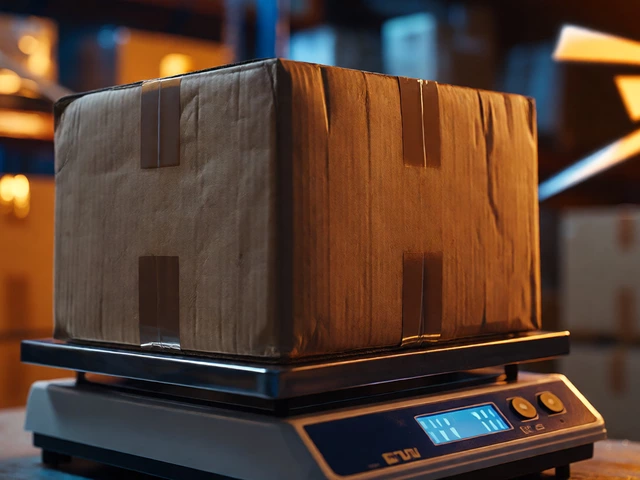
Last‑Mile Delivery Explained
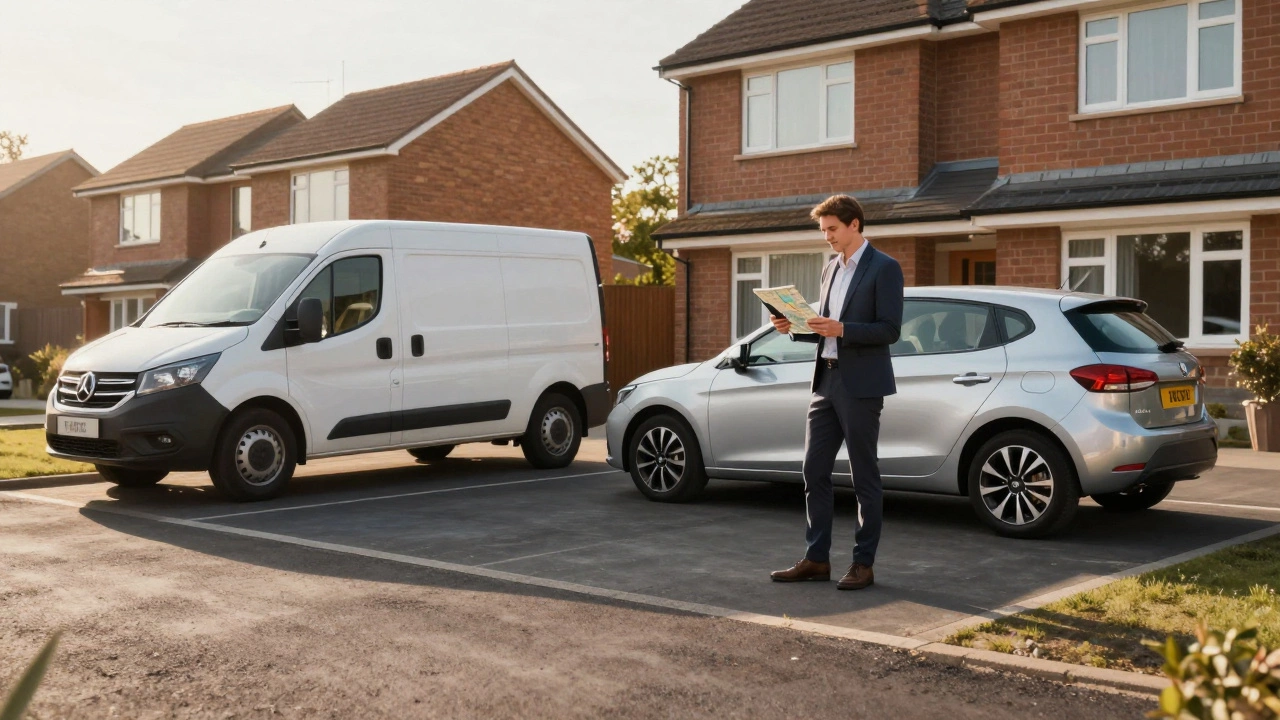
When a package leaves the warehouse, most of the journey is handled by big trucks and sorting hubs. The final stretch – from the local depot to the customer's door – is called last‑mile delivery. This part decides whether a shopper gets a smile or a complaint. It’s the hardest link because it mixes traffic, weather, address errors, and the need for speed.
For businesses, the last mile can take up 50% of total shipping costs. That’s why companies like Dex Removals & Logistics Services focus on smooth final‑mile operations. If you understand the common pitfalls, you can cut costs and keep customers happy.
Why Last‑Mile Delivery Is the Hardest Part
First, routes are unpredictable. A driver may face traffic jams, road closures, or narrow streets that a big truck can’t use. Second, address data is often wrong or incomplete – think missing apartment numbers or misspelled streets. Third, customers expect fast, free delivery, which puts pressure on couriers to move quickly without sacrificing safety.
All these factors combine into what the industry calls “last‑mile risk.” Missed deliveries, returns, and extra miles all increase expenses. In e‑commerce, a single bad experience can turn a repeat buyer into a lost customer.
Practical Ways to Reduce Delivery Risks
Start with clean address data. Use auto‑complete tools that verify postcodes and flag ambiguous entries. Second, give drivers real‑time routing apps that avoid traffic and suggest the shortest path. Third, offer customers clear delivery windows or same‑day options, so they’re ready to receive the parcel.
Another simple tip is to lean on local micro‑fulfilment centres. By storing popular items closer to shoppers, you shrink the distance the driver has to travel. This not only speeds up delivery but also cuts fuel costs.
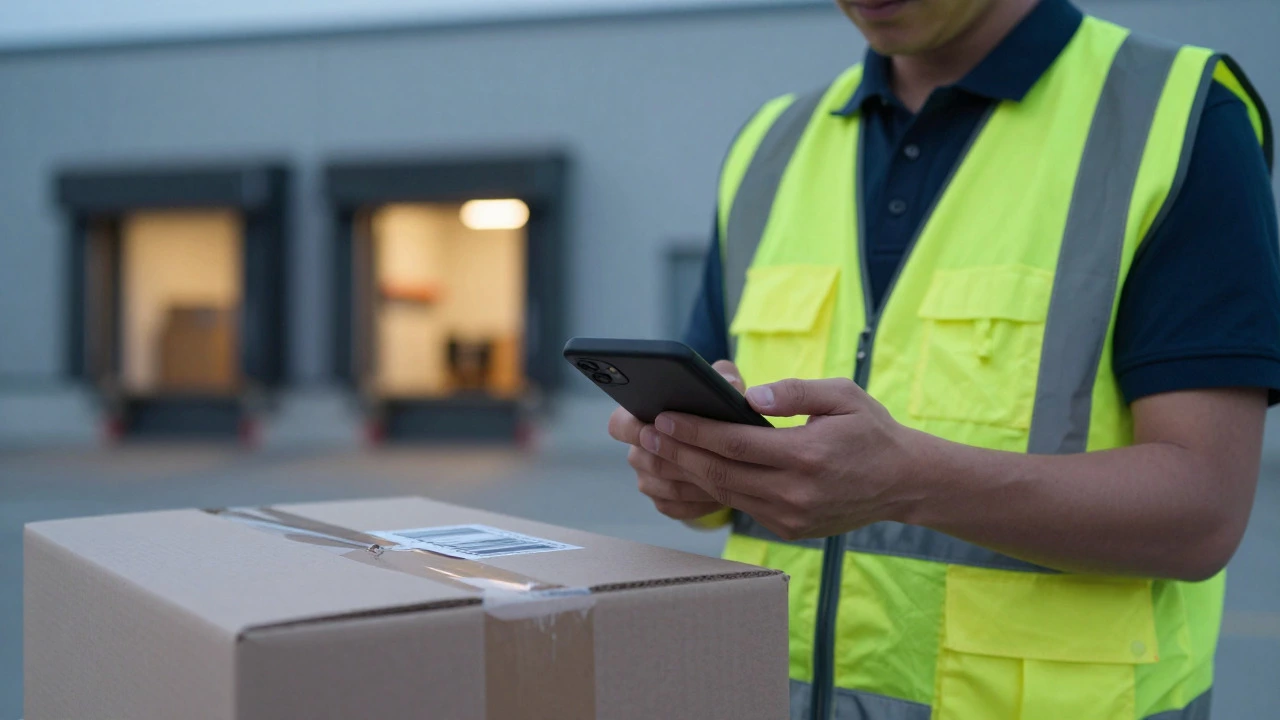
Communication matters too. Send a text or email when the driver is on the way, and let customers reschedule with a click. When people know exactly when to expect their package, they’re less likely to miss it.
Finally, track performance. Measure missed deliveries, time taken per stop, and customer feedback. Use that data to train drivers, tweak routes, and improve the overall process.
By treating the last mile as a separate, managed step, you turn a costly headache into a competitive advantage. Whether you’re a small online shop or a large retailer, these practical steps can boost efficiency, lower expenses, and keep shoppers smiling.
October 11, 2026
Evelyn Wescott
0 Comments
Discover the key stages of the e-commerce supply chain, from planning and sourcing to last-mile delivery. Learn how tech and logistics strategies boost efficiency.
August 27, 2026
Evelyn Wescott
0 Comments
Discover the key differences between traditional and e-logistics. Learn how digital fulfillment, micro-warehousing, and real-time tracking are reshaping supply chains for modern e-commerce.
August 24, 2026
Evelyn Wescott
0 Comments
Discover what logistics in commerce really means. Learn how supply chain management, inventory control, and last mile delivery impact your profits and customer experience.
August 16, 2026
Evelyn Wescott
0 Comments
Discover the step-by-step process behind courier services, from pickup and sorting to last-mile delivery. Learn how technology drives efficiency and reduces costs in modern logistics.
August 10, 2026
Evelyn Wescott
0 Comments
Discover how e-commerce transforms supply chains from bulk B2B models to agile B2C networks. Learn about fulfillment, last-mile delivery, and the tech driving modern logistics.
August 3, 2026
Evelyn Wescott
0 Comments
Discover what e-commerce logistics entails, from inventory management to last-mile delivery. Learn how to choose between in-house and 3PL solutions for your online store.
July 12, 2026
Evelyn Wescott
0 Comments
Discover how e-commerce and logistics are inseparable partners. From inventory sync to last-mile delivery, learn why efficient supply chains drive sales, customer trust, and profitability in today's fast-paced online market.
June 14, 2026
Evelyn Wescott
0 Comments
Discover why Amazon is effectively the world's largest logistics company. From fulfillment centers to Amazon Air, explore how their supply chain powers global e-commerce.
May 31, 2026
Evelyn Wescott
0 Comments
Discover how e-commerce businesses truly make money in 2026. We break down the hidden logistics costs, inventory traps, and last-mile strategies that determine profit margins.
April 20, 2026
Evelyn Wescott
0 Comments
Learn how to start a profitable delivery business from home. Step-by-step guide on choosing a niche, legal setup, pricing strategies, and scaling your courier service.
April 19, 2026
Evelyn Wescott
0 Comments
Looking for the best ecommerce logistics companies in USA? Compare top 3PLs like ShipBob, Amazon FBA, and Deliverr to scale your shipping and fulfillment in 2026.
March 15, 2026
Evelyn Wescott
0 Comments
E-commerce logistics is the hidden system that turns online orders into delivered packages. From warehouse picking to last-mile delivery, it's a complex network powered by tech, carriers, and smart software.