E-commerce Logistics Profit Calculator
Order Parameters
Enter your order details and click calculate to see the real breakdown.
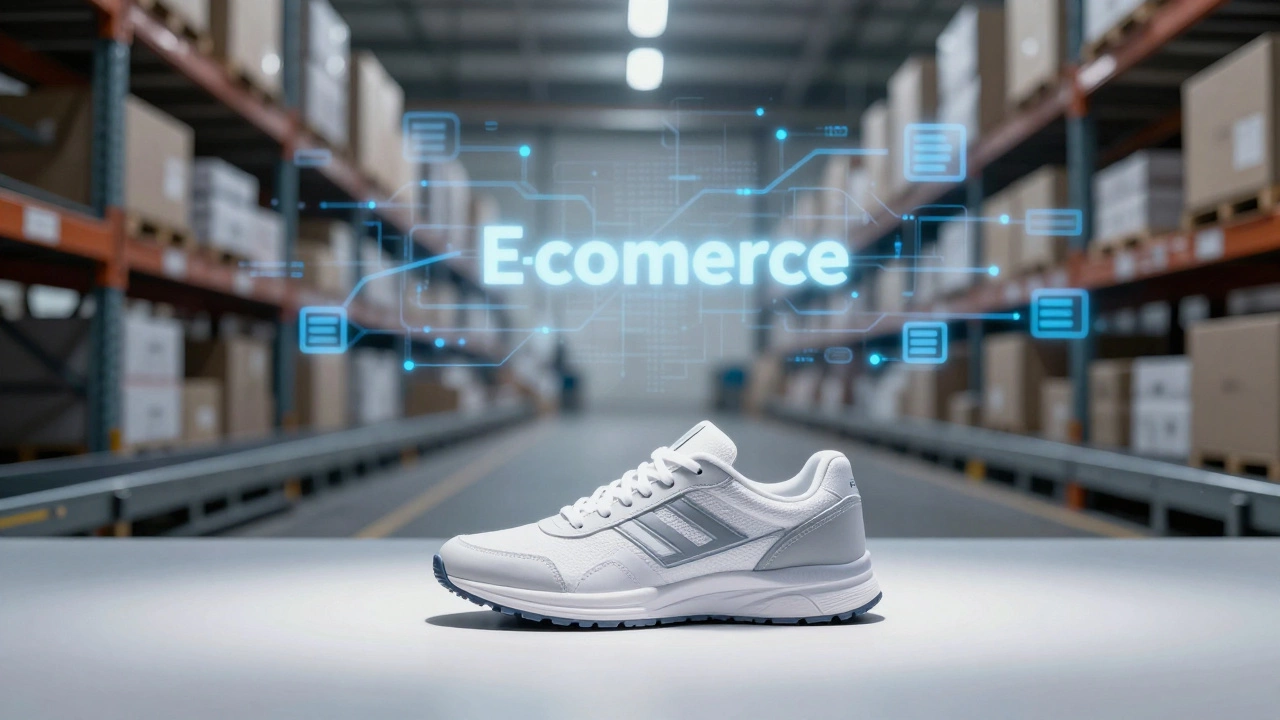
You see a pair of sneakers online for $100. You click buy. You think the seller just pocketed that hundred bucks, minus maybe a small fee for the website. But here is the truth: if they are lucky, they made $5. If they messed up the shipping label, they might have actually lost money on that sale. The magic of e-commerce is not in the click, but in what happens after. It is all about the movement of goods. It is about logistics.
Most people ask how e-commerce makes money by looking at marketing or product design. Those matter, sure. But the real profit engine-the thing that decides whether you survive Q4 or go bankrupt in January-is your supply chain. In 2026, with consumer expectations set to "instant," logistics is no longer just a support function. It is the primary driver of margin. Let’s look under the hood at how online retailers actually keep cash in their pockets.
The Thin Line Between Revenue and Profit
First, we need to strip away the illusion of high revenue. An e-commerce store can make millions in sales and still fail. Why? Because the cost structure is brutal. Unlike a physical shop where you pay rent once for a building, an online retailer pays for every single transaction’s journey from shelf to door.
Think about the anatomy of a typical order. You have the Cost of Goods Sold (COGS). That’s what you paid the manufacturer. Then there’s the payment processing fee, usually around 2.9% plus a flat fee. Then comes the big one: fulfillment. This includes picking the item, packing it, and handing it off to a carrier. Finally, there is the return rate. In fashion, returns can hit 30% to 40%. Every returned item eats into your profit twice-once for the outbound shipping and again for the inbound handling.
To make money, an e-commerce business must master these variables. They don’t just sell products; they sell efficiency. If you can shave two days off your delivery time without doubling your shipping cost, you win. If you can reduce your return rate by improving product descriptions, you win. The money is in the optimization.
Inventory Management: The Cash Flow Trap
One of the biggest ways e-commerce loses money is by tying it up in dead stock. Imagine buying 1,000 units of a trendy gadget. It sells out in a month. Great! Now imagine buying 1,000 units of a fad that dies in a week. You now have $50,000 sitting in a warehouse, gathering dust. That is money you cannot use to market new products or hire staff.
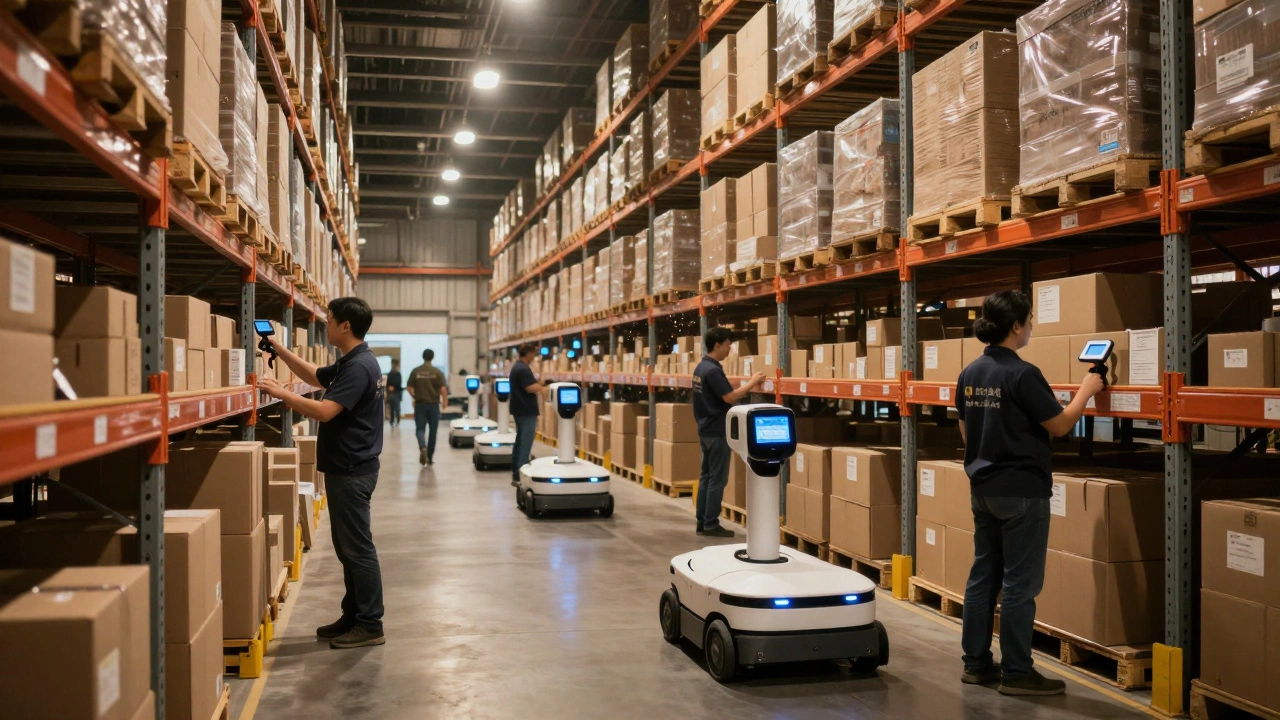
Smart e-commerce players use data-driven inventory management. They don’t guess what will sell; they analyze historical data, seasonal trends, and even social media sentiment to predict demand. This is where warehouse solutions integrated with predictive analytics software come in. By keeping only enough stock to meet immediate demand and using fast replenishment cycles, businesses keep their cash flowing rather than stagnant.
This approach requires tight integration between your sales channel and your warehouse management system (WMS). When someone buys an item online, the WMS should immediately reserve that stock and alert pickers. Any delay here leads to overselling, which means cancelled orders and angry customers. And angry customers don’t just leave bad reviews; they tell their friends. The cost of acquiring a new customer is far higher than retaining an existing one, so accuracy in inventory is directly tied to profitability.
The Last Mile: Where Margins Go to Die
If you want to know where e-commerce profits vanish, look at the last mile. This is the final leg of the delivery process, from the local distribution center to the customer’s doorstep. It is notoriously expensive, accounting for up to 53% of total shipping costs. Why? Because it involves stopping at individual houses, dealing with traffic, and sometimes waiting for someone who isn’t home.
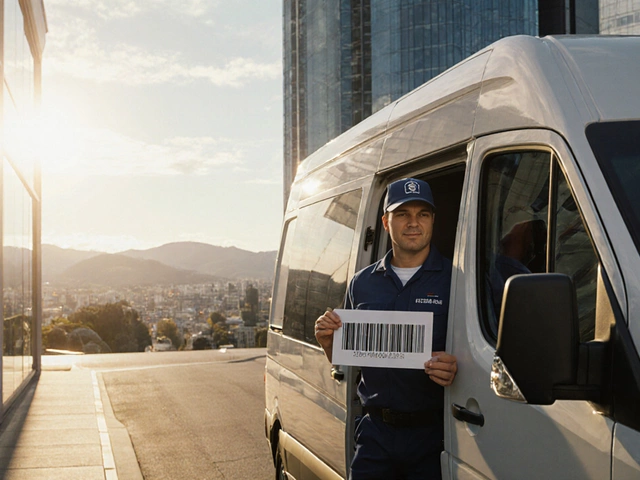
Traditional carriers charge a premium for this convenience. For a small business selling low-margin items, standard ground shipping can wipe out the entire profit. So, how do successful e-commerce brands handle this? They diversify their last mile delivery strategies to balance speed and cost.
- Zone Skipping: Instead of sending packages individually to different regions, businesses consolidate shipments to a hub closer to the customer. This reduces the number of long-haul trips and lowers per-package costs.
- Local Courier Partnerships: For urban areas, partnering with local bike couriers or gig-economy drivers can be faster and cheaper than national postal services for same-day or next-day delivery.
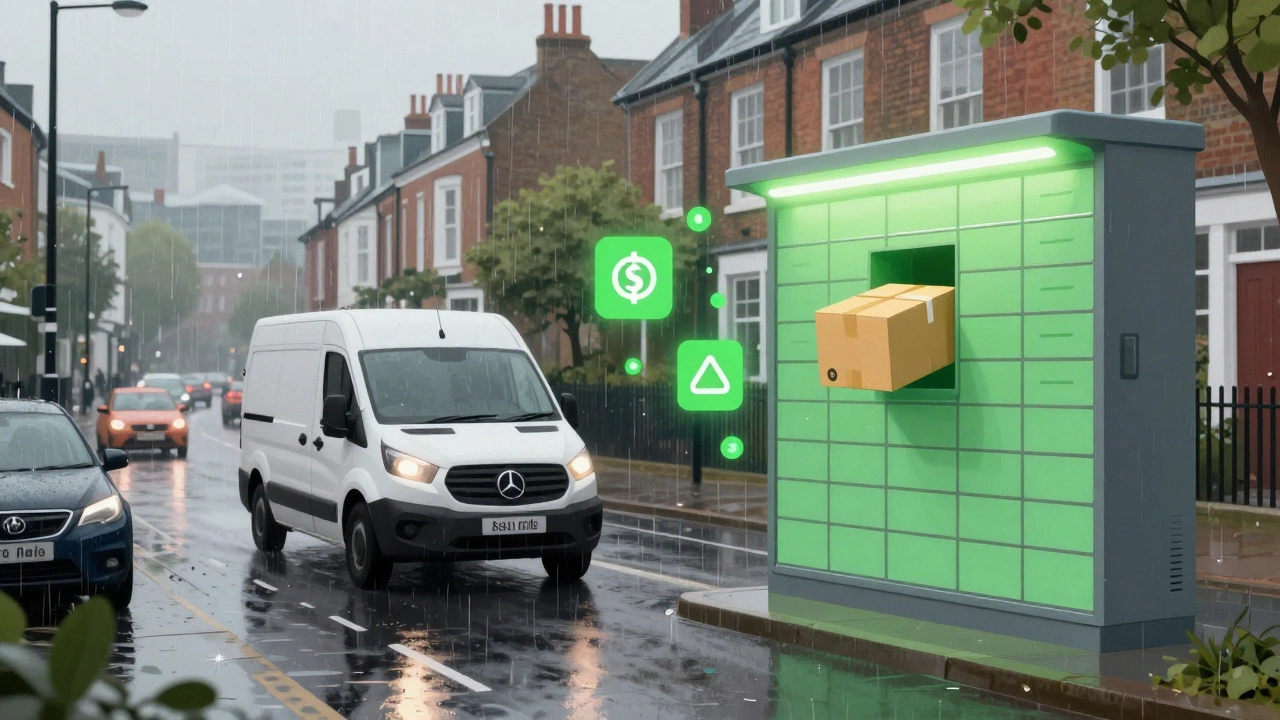
- Click-and-Collect: Offering pickup points or locker systems shifts the last-mile cost to the customer. Many shoppers prefer this because it fits their schedule, and it saves the retailer significant money.
In 2026, we are also seeing a rise in autonomous delivery robots and drones in specific pilot zones. While not yet mainstream, these technologies promise to drastically cut labor costs associated with the last mile. Early adopters who integrate these options into their checkout flow gain a competitive edge in both speed and price.
Dropshipping vs. Fulfillment Centers: Choosing Your Model
Not all e-commerce businesses own warehouses. Some operate on a dropshipping model, where they never touch the product. The customer buys from them, and a third-party supplier ships it directly. On paper, this looks like pure profit because there’s no inventory risk. But in reality, dropshipping has razor-thin margins and zero control over the customer experience.
Let’s compare the two main models:
| Feature | Dropshipping | Private Warehouse / 3PL |
|---|---|---|
| Upfront Cost | Low | High (inventory + storage) |
| Profit Margin | Very Low (5-10%) | Higher (20-40%) |
| Shipping Speed | Slow (7-14 days) | Fast (1-3 days) |
| Branding Control | None (supplier packs) | Full (custom packaging) |
| Scalability | Limited by supplier | High (with right partners) |
As businesses grow, most move away from pure dropshipping. Why? Because customers expect speed and branded experiences. A plain box with a generic label doesn’t build loyalty. Using a Third-Party Logistics provider (3PL a company that handles storage, picking, packing, and shipping for retailers) allows brands to scale without managing their own warehouse staff. 3PLs offer economies of scale, negotiating better rates with carriers than a single small business could. This directly boosts the bottom line.
Returns Management: The Hidden Profit Killer
We talked about returns earlier, but let’s dig deeper. Returns are not just an inconvenience; they are a logistical nightmare. When a customer sends back an item, it doesn’t automatically go back on the shelf. It needs to be inspected, repackaged, and restocked. If it’s damaged, it becomes waste. If it’s defective, it needs to be sent back to the manufacturer. Each step costs labor and materials.
E-commerce companies make money by minimizing returns through better logistics and communication. Here is how:
- Accurate Sizing Guides: For apparel, detailed size charts and fit videos reduce the likelihood of a customer ordering multiple sizes to try on.
- Realistic Product Images: Using augmented reality (AR) tools lets customers visualize furniture in their home before buying. This cuts down on "it didn’t look like the picture" returns.
- Easy Return Portals: Paradoxically, making returns easy can save money. If a customer can instantly generate a return label and drop off the package, the process is streamlined. Some companies even offer instant refunds upon scan, encouraging quick turnover of returned goods back into sellable inventory.
A robust reverse logistics strategy ensures that returned items re-enter the sales cycle quickly. The faster a returned item is back on the shelf, the less capital is tied up. This efficiency turns a potential loss into a manageable operational cost.
Technology as a Profit Multiplier
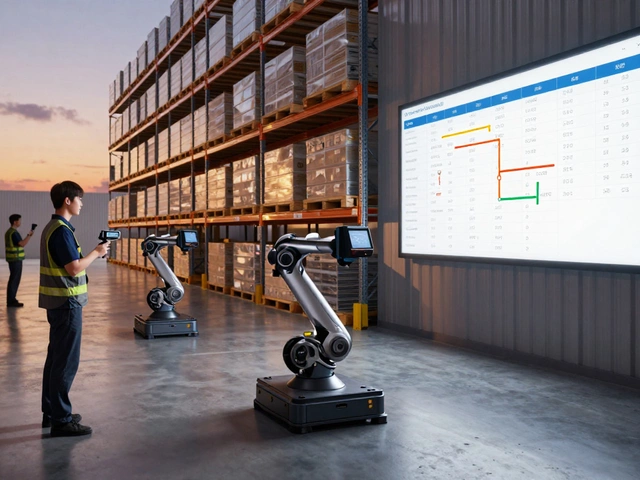
In 2026, technology is not optional; it is the backbone of profitability. Logistics software platforms that automate routing, inventory tracking, and carrier selection act as force multipliers for e-commerce businesses. These tools analyze thousands of data points to find the cheapest and fastest shipping option for each individual order.
Imagine having ten different carriers available. Software can check real-time rates, transit times, and reliability scores for each one. It then selects the best option automatically. This dynamic routing can save up to 20% on shipping costs compared to static contracts. Additionally, AI-driven forecasting helps prevent stockouts and overstocking, ensuring that capital is used efficiently.
Integration is key. Your e-commerce platform, your WMS, and your accounting software must talk to each other seamlessly. Disconnected systems lead to errors, duplicate entries, and missed opportunities. Automated workflows reduce human error, which in turn reduces costly mistakes like shipping the wrong item or charging the wrong tax rate.
International Expansion: New Markets, New Challenges
Once domestic operations are optimized, many e-commerce businesses look abroad. International shipping opens up massive new audiences, but it also introduces complex challenges. Customs duties, import taxes, and longer transit times can erode profits quickly.
To make money internationally, businesses often use overseas fulfillment centers. By storing inventory in countries close to their target markets, they can offer local delivery speeds and avoid surprise customs fees for the customer. This strategy, known as cross-border e-commerce, requires careful planning regarding international shipping regulations, documentation, and carrier partnerships.
Understanding trade agreements and duty-free thresholds is crucial. Misclassifying a product can lead to seized shipments and hefty fines. Partnering with experienced logistics providers who specialize in international trade can mitigate these risks. They handle the paperwork, ensure compliance, and negotiate bulk rates, allowing the e-commerce brand to focus on sales and marketing.
What is the average profit margin for e-commerce businesses?
The average net profit margin for e-commerce businesses typically ranges from 10% to 15%. However, this varies widely by industry. Fashion and jewelry may have higher gross margins but suffer from high return rates, while electronics have lower margins but fewer returns. Efficient logistics can push these margins toward the higher end.
How does logistics affect e-commerce pricing?
Logistics costs are a major component of the final price. If shipping and fulfillment are inefficient, prices must be higher to cover costs, making the product less competitive. Conversely, optimizing logistics allows businesses to offer competitive prices or free shipping thresholds while maintaining healthy profits.
Is dropshipping still profitable in 2026?
Dropshipping can be profitable for niche products with high perceived value, but it is generally less profitable than holding inventory. Margins are thin due to lack of control over shipping costs and branding. Most successful dropshippers eventually transition to private labeling or warehousing to improve margins and customer satisfaction.
What is the most expensive part of e-commerce logistics?
The last mile delivery is consistently the most expensive part, often accounting for more than half of total shipping costs. This is due to the inefficiency of delivering individual packages to scattered residential addresses. Strategies like zone skipping and local pickup points help mitigate these costs.
How can I reduce my e-commerce return rate?
Reduce returns by providing accurate product descriptions, high-quality images, and detailed sizing guides. Use customer reviews to highlight common issues. Implementing AR tools for visualization and offering easy, clear return policies can also manage customer expectations and reduce unnecessary returns.