Courier Delivery Journey Explorer
How it works: After you hit “send” on a shipping label, your parcel travels through a tightly choreographed network. Tap any stage below to see its primary goal, the technology that powers it, and where things most often go wrong.
Ever wonder what actually happens after you hit "send" on a shipping label? It’s not just magic; it’s a tightly choreographed dance of data, vehicles, and human decision-making. Understanding courier services means looking past the van parked outside your door and into the complex network that moves billions of packages daily. Whether you’re an e-commerce seller trying to reduce costs or a consumer frustrated by a delayed parcel, knowing how the system works helps you make better choices.
The core of any courier operation is the journey from pickup to drop-off. This isn't a straight line. It’s a multi-stage process involving collection, sorting, transportation, and final delivery. Each stage has specific risks and efficiencies that determine whether your package arrives on time, damaged, or lost. Let’s break down exactly how this machinery operates.
The Pickup Phase: Where the Journey Begins
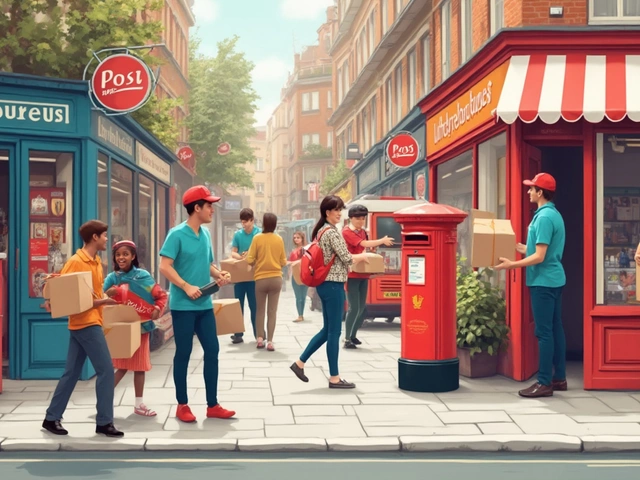
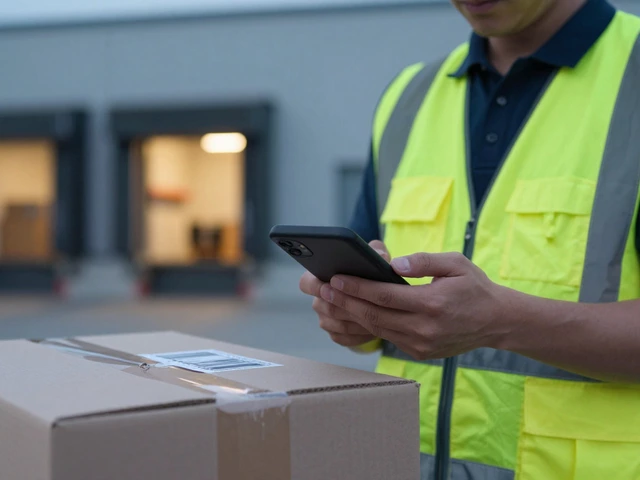
It all starts with the handover. For businesses, this often involves scheduled pickups where a driver collects pre-labeled parcels from a warehouse or office. For individuals, it might be a doorstep collection or a drop-off at a service point. The critical element here is the scan. When a courier scans the barcode or QR code on your package, they trigger the first data point in the tracking system. This scan confirms the item is in the carrier's possession and assigns it to a specific vehicle and route.
If this step fails-if the label is smudged or the scan is missed-the package can get stuck in limbo. This is why many modern courier companies use mobile apps that allow drivers to capture photos of the package at pickup, adding a layer of digital proof that reduces disputes later.
Sorting Hubs: The Nervous System of Logistics
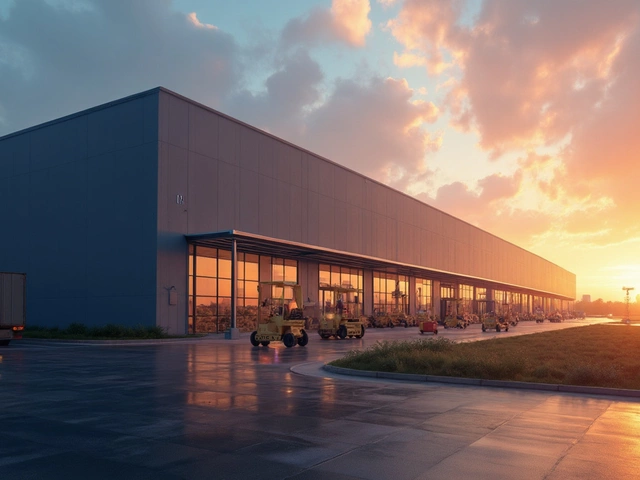
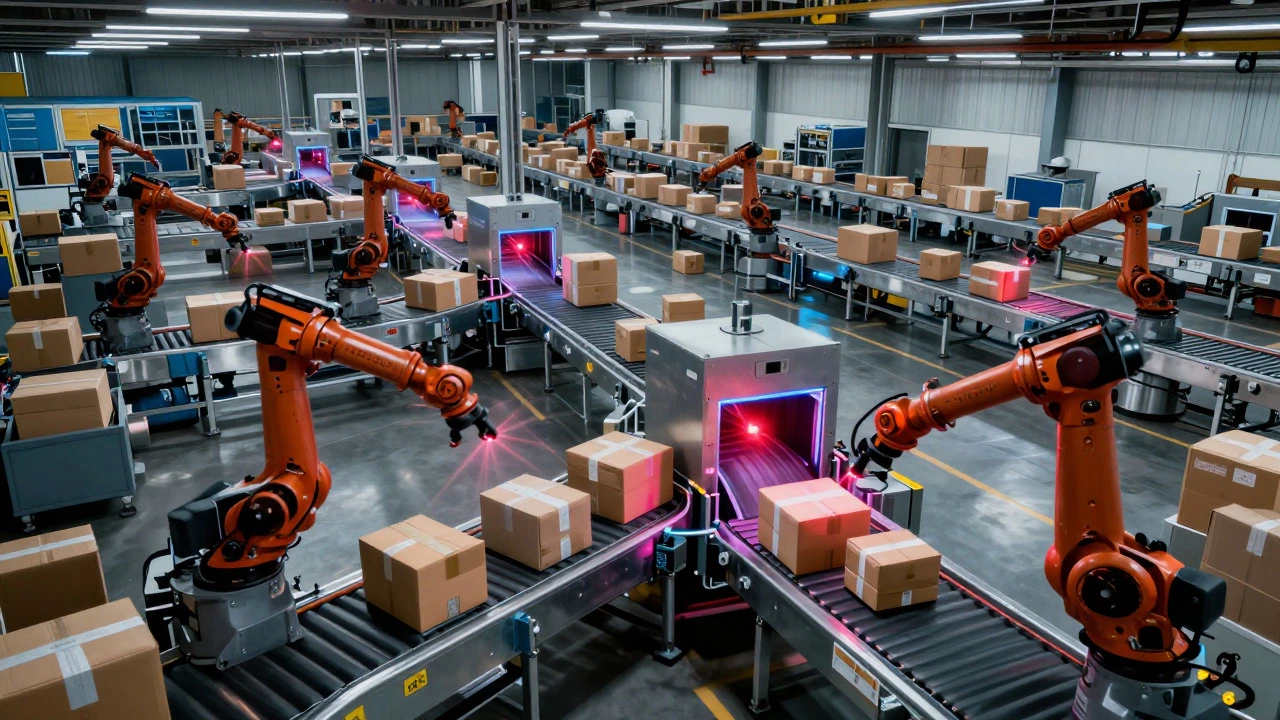
Once collected, packages don’t go directly to their destination. They head to a regional sorting hub. Think of these hubs as massive, automated brains. Here, technology takes over. Conveyor belts, optical scanners, and robotic arms sort millions of items per hour based on destination codes.
Automated Sorting Systems are high-speed facilities that use barcode scanning and mechanical diverters to categorize parcels by geography. These systems can handle up to 100,000 packages per hour. The accuracy rate is typically above 99%, but even a 1% error rate means thousands of misrouted items daily. That’s why secondary checks happen at local depots before final delivery.
This phase is crucial for speed. If a package is sorted correctly at the national hub, it can be loaded onto a long-haul truck or plane immediately. If it’s missed, it gets held back, causing delays that ripple through the entire chain.
Line-Haul Transportation: Moving Volume Across Distances
After sorting, packages move via line-haul transport. This is the bulk movement between major hubs, cities, or countries. Depending on distance, this involves trucks, trains, or aircraft. For domestic shipments within a country like New Zealand or the US, road transport dominates due to cost-effectiveness. For international freight, air cargo is preferred for speed, while sea freight handles high-volume, low-urgency goods.
The efficiency here depends on load planning. Couriers aim to fill every cubic inch of a truck or container. Underutilized space means higher costs per package. Advanced logistics software calculates optimal loading patterns to maximize capacity while ensuring fragile items aren’t crushed under heavy pallets.
Last Mile Delivery: The Most Expensive and Critical Stage
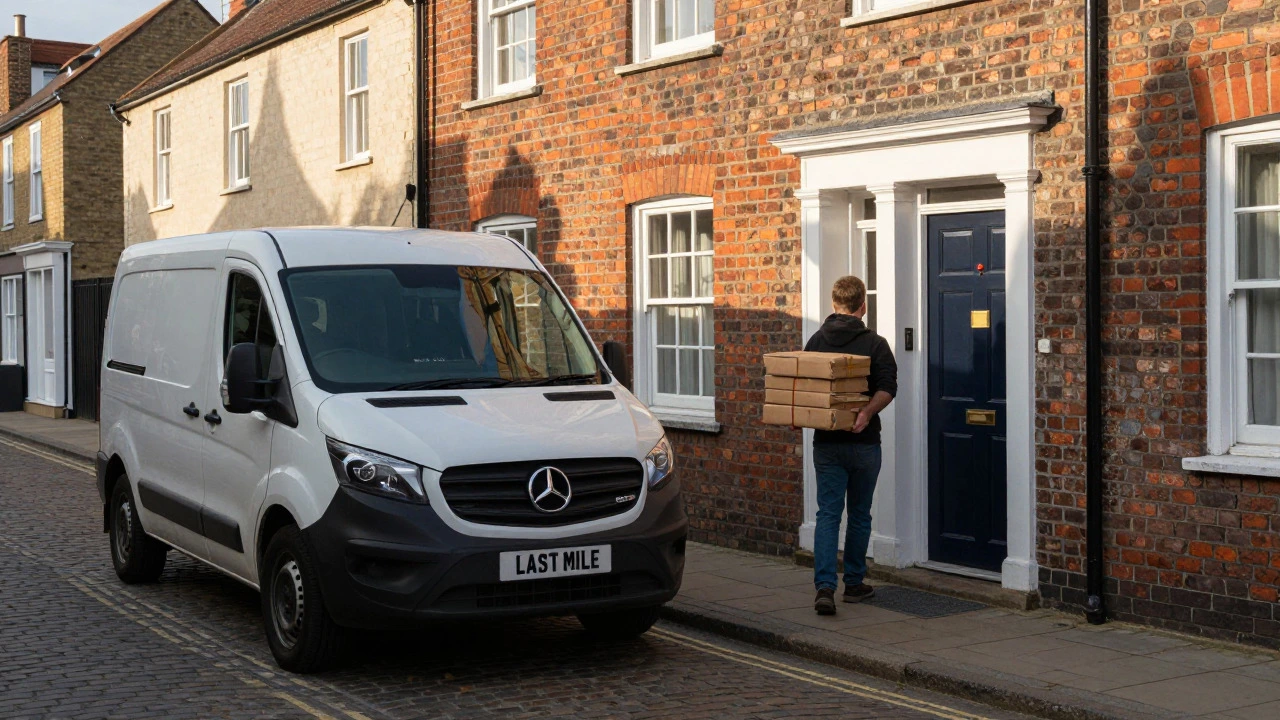
Here’s the truth: the last mile accounts for up to 53% of total shipping costs. Why? Because you’re moving individual packages instead of pallets. You’re dealing with traffic, parking issues, customer availability, and narrow streets. This is where Last Mile Delivery becomes the final segment of the supply chain where goods are transported from a distribution center to the end-user's location.
Couriers solve this using route optimization algorithms. These tools analyze traffic patterns, weather, and delivery windows to create the most efficient path for each driver. A driver might deliver 150 packages in a day, but only if the sequence is perfect. One wrong turn can waste 20 minutes, impacting dozens of other stops.
Customer experience also peaks here. Failed deliveries due to no one being home lead to redelivery attempts, which double the cost. To mitigate this, many services now offer flexible options: lockers, neighbor drops, or photo proof of delivery. These features transform a passive waiting game into an active, managed interaction.
Technology Behind the Scenes: Data and Visibility
Modern courier services run on data. Every scan updates a central database. This creates a real-time visibility map that both the sender and receiver can access. But beyond tracking, this data powers predictive analytics. Companies use historical delivery times to promise accurate ETAs. They analyze failure rates by postcode to identify problematic areas and adjust staffing accordingly.
GPS tracking on vehicles allows dispatchers to monitor progress. If a truck breaks down, the system instantly reroutes nearby vehicles to cover the gap. This resilience is invisible to the customer but vital for reliability. Without this tech stack, couriers would operate like postal services from the 1990s-slow, opaque, and prone to loss.
| Stage | Primary Goal | Key Technology | Common Failure Point |
|---|---|---|---|
| Pickup | Secure custody of goods | Mobile Scanning Apps | Mislabeling or missed scans |
| Sorting | Geographic categorization | Automated Optical Sorters | Barcode damage or read errors |
| Line-Haul | Bulk transportation | Fleet Management Software | Vehicle breakdowns or traffic delays |
| Last Mile | Final drop-off | Route Optimization Algorithms | Customer absence or address errors |
Why Efficiency Matters for Businesses
For e-commerce brands, understanding these mechanics isn’t just academic-it’s financial. Shipping costs are a direct hit to margins. By choosing carriers with robust sorting infrastructure and reliable last-mile partners, businesses can reduce return rates caused by late arrivals. Speed isn’t just about bragging rights; it’s about customer retention. Studies show that 47% of online shoppers will stop buying from a retailer if delivery takes too long.
Moreover, transparency builds trust. When customers can see exactly where their package is, anxiety drops. This reduces support tickets, freeing up staff to focus on growth rather than fire-fighting. In essence, the smoothness of the backend operations directly impacts the frontend brand perception.
FAQ
What causes most package delays?
The two biggest culprits are sorting errors at hubs and last-mile access issues. If a scanner misses a code, the package goes to the wrong city. If no one is home for delivery, it sits in a depot until the next attempt. Both add days to the transit time.
How do couriers decide which route to take?
They use algorithmic route optimization. This software considers the number of stops, traffic conditions, time windows, and vehicle capacity. It generates the shortest possible path to complete all deliveries within the shift, minimizing fuel and time.
Is air freight always faster than ground transport?
Not necessarily. Air freight is faster for long distances (e.g., Auckland to London). However, for short distances (e.g., within a city), ground transport is often quicker because it avoids airport security checks and baggage handling delays. The choice depends on distance and urgency.
What happens if a package is damaged in transit?
If damage is evident upon delivery, the recipient should note it on the proof of delivery or take photos. The carrier investigates the cause. If it was internal handling, the shipper may claim insurance. If it was external impact, the carrier usually covers the replacement value up to the insured limit.
How does technology improve courier reliability?
Technology provides real-time visibility and predictive analytics. GPS tracks vehicles, sensors monitor temperature for sensitive goods, and AI predicts potential delays before they happen. This allows proactive communication with customers, turning potential complaints into informed updates.