E-commerce Logistics Cost & Strategy Calculator
Your Business Metrics
Estimated Monthly Logistics Impact
Strategic Recommendation
Enter your details to see if you should use In-House logistics or switch to a 3PL.
Why this matters:
- In-House: Assumes ~2 minutes per order for picking/packing.
- 3PL Efficiency: 3PLs often reduce labor overhead but charge per-order fees. However, they offer better scalability and carrier rates as volume grows.
- The Tipping Point: Industry standards suggest considering a 3PL when logistics complexity consumes more than 15-20% of revenue or exceeds manual handling capacity.
Enter your metrics above to calculate your logistics footprint and receive a personalized recommendation.
Imagine this: you’ve spent months building a beautiful online store. Your product photography is sharp, your copy is persuasive, and your ads are running smoothly. A customer clicks "Buy Now." But then... silence. Or worse, an angry email three days later asking where their package is. This is the moment many new entrepreneurs realize that selling online is only half the battle. The other half is getting that product from your shelf to their door efficiently, cheaply, and on time. That gap between the checkout button and the doorstep is what we call e-commerce logistics.
If you’re wondering exactly what goes into this process, you aren’t alone. It’s a complex web of technology, transportation, and strategy. In this guide, we’ll break down what e-commerce logistics actually is, why it matters more than ever in 2026, and how you can choose the right setup for your business.
The Core Definition: More Than Just Shipping
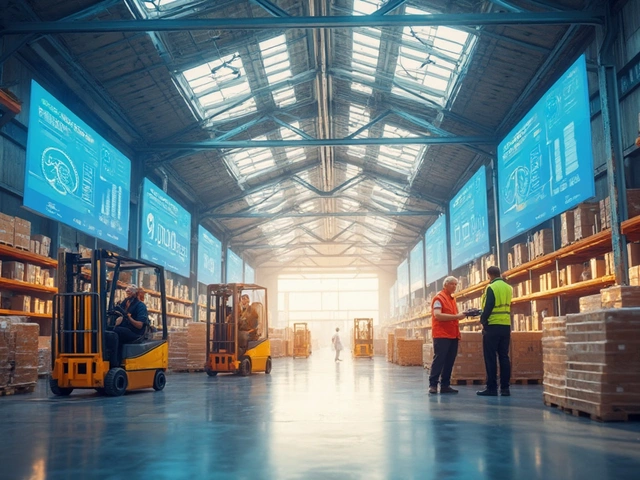
At its simplest, e-commerce logistics is the process of managing the flow of goods from the point of origin to the point of consumption specifically for online sales. But calling it just "shipping" misses the mark. Shipping is merely one leg of the journey. Logistics encompasses everything that happens before the box leaves your facility and after it arrives at the customer’s address.
Think of it as the central nervous system of your online store. If your website is the face, logistics is the brain and limbs working together to fulfill promises made to customers. It involves receiving stock from suppliers, storing it safely, picking and packing orders when they come in, and coordinating with carriers to deliver them. Without a robust logistics plan, even the best marketing campaigns will fail because the customer experience breaks down at the final step.
Key Components of an E-commerce Logistics System
To understand how this works in practice, let’s look at the four pillars that hold up any successful e-commerce operation. Each of these components interacts with the others, creating a chain where a weak link can cause the whole system to collapse.
- Inventory Management: This is the foundation. You need to know exactly what you have, where it is, and how much is left. Modern systems use real-time tracking so you never oversell an item that’s out of stock. Poor inventory management leads to backorders, which frustrate customers and hurt your search rankings.
- Warehousing and Storage: Where do your products live? Do you store them in your garage, a rented unit, or a professional fulfillment center? The location matters. Storing goods closer to your primary customer base reduces shipping times and costs. Many sellers now use distributed warehousing, keeping stock in multiple regions to ensure faster delivery.
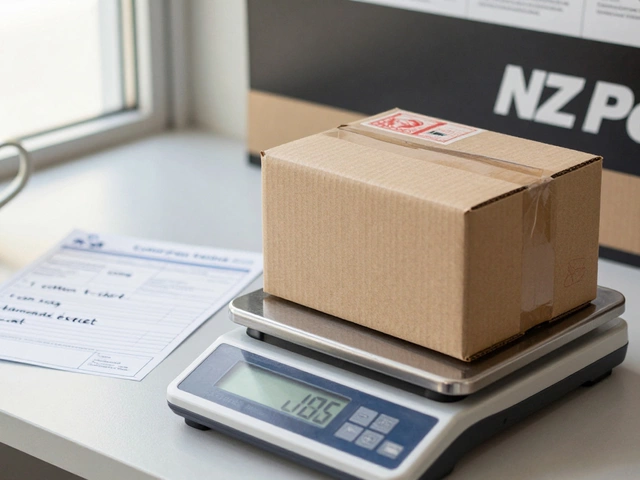
- Order Fulfillment: This is the action phase. When an order comes in, someone-or something-needs to pick the item from the shelf, pack it securely, label it correctly, and hand it over to a carrier. Efficiency here determines how quickly you can scale. Manual picking slows you down; automated systems allow you to handle thousands of orders without hiring hundreds of staff.
- Last-Mile Delivery: This is the final stretch from the local distribution hub to the customer’s door. It’s often the most expensive part of the entire journey, accounting for up to 53% of total shipping costs. However, it’s also the most visible. Customers judge your service based on this interaction. Speed, reliability, and communication during this stage are critical.
Each of these stages requires specific tools and strategies. For example, inventory management relies on software that syncs with your sales channels, while last-mile delivery depends on partnerships with reliable courier networks.
In-House vs. Third-Party Logistics (3PL)
One of the biggest decisions you’ll face is whether to handle logistics yourself or outsource it to a third-party provider. Both approaches have pros and cons, and the right choice depends on your volume, budget, and growth goals.
| Feature | In-House Logistics | Third-Party Logistics (3PL) |
|---|---|---|
| Control | High - You manage every detail | Moderate - Provider handles operations |
| Upfront Costs | High - Equipment, space, labor | Low - Pay per service used |
| Scalability | Difficult - Requires hiring and expansion | Easy - Scales with your volume |
| Expertise | You must learn the ropes | Built-in expertise and technology |
| Best For | Small startups, niche products | Growing brands, high-volume sellers |
In-house logistics gives you complete control. You decide how items are packed, who picks them, and which carrier is used. This can be great for quality assurance, especially if you sell fragile or high-value items. However, it ties up your time and capital. You’re responsible for hiring staff, maintaining equipment, and negotiating rates with carriers. As your order volume grows, this model becomes harder to manage.
Third-party logistics providers (3PLs) take over these tasks. They offer warehousing space, pick-and-pack services, and integrated shipping solutions. Companies like Amazon FBA, ShipBob, and FedEx Supply Chain are examples of 3PLs. By outsourcing, you free up time to focus on marketing and product development. 3PLs also leverage their volume to negotiate better shipping rates, which can save you money. The trade-off is less direct control over the customer experience. If the 3PL makes a mistake, it reflects on your brand.
Many businesses start in-house and transition to a 3PL once they hit a certain order threshold-often around 50 to 100 orders per month. At that point, the complexity of managing logistics manually begins to outweigh the benefits of control.
The Role of Technology in Modern Logistics
In 2026, technology isn’t just a nice-to-have; it’s the backbone of efficient e-commerce logistics. Gone are the days of spreadsheets and manual data entry. Today’s systems are interconnected, automated, and intelligent.
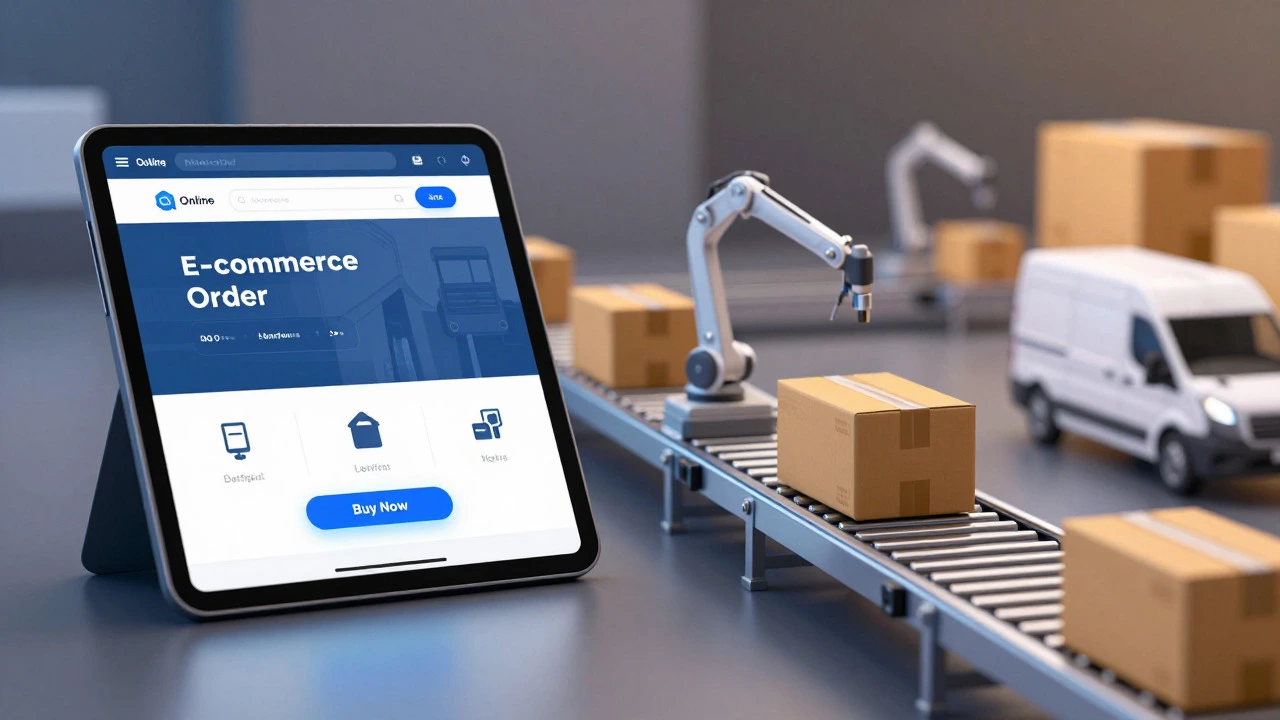
Logistics software platforms integrate directly with your e-commerce store (like Shopify, WooCommerce, or Magento). When an order is placed, the system automatically updates inventory levels, generates packing slips, and selects the best shipping rate based on speed and cost. Some platforms even predict demand using historical data, allowing you to stock up before peak seasons hit.
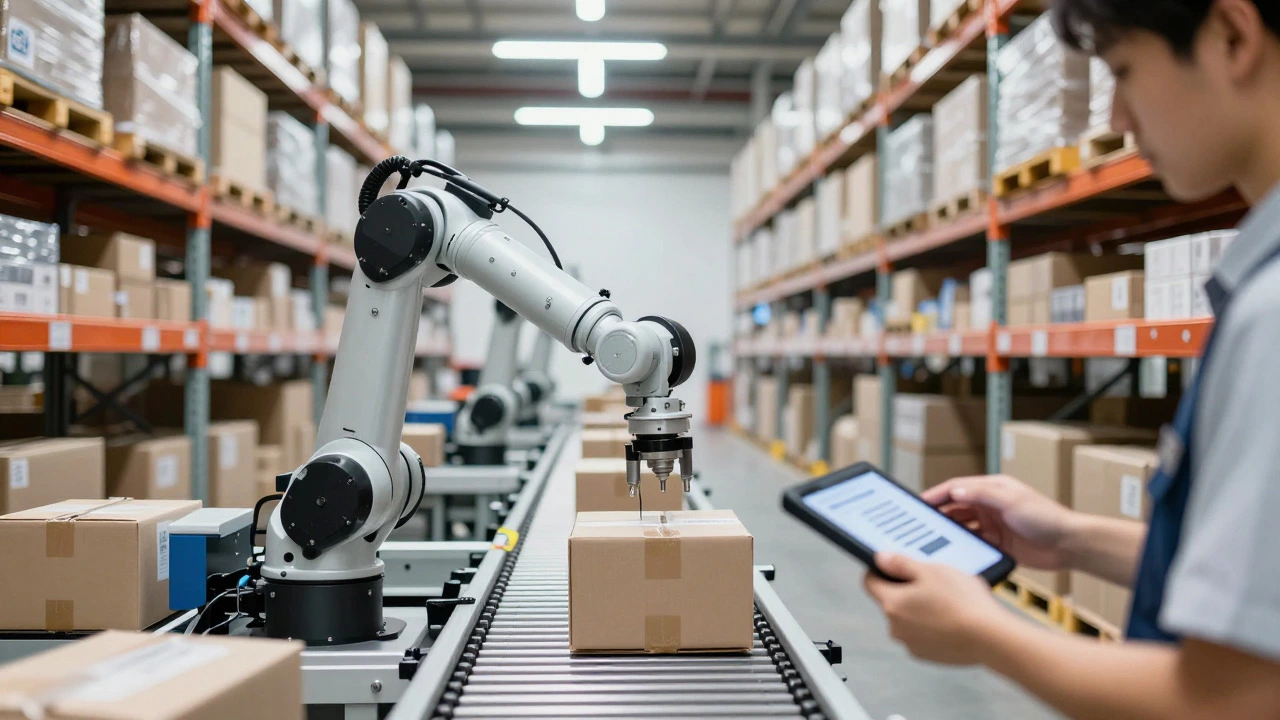
Automation plays a huge role too. Warehouses increasingly use robots for picking and sorting, reducing human error and speeding up processing times. Barcode scanners and RFID tags track items in real-time, giving you visibility into exactly where every product is. For customers, this means accurate tracking updates and fewer lost packages.
Data analytics is another game-changer. By analyzing shipping patterns, return rates, and customer locations, you can optimize your supply chain. Maybe you notice that 40% of your customers are in Europe. Instead of shipping everything from the US, you could open a warehouse in Germany to cut delivery times in half. These insights drive smarter decisions and lower costs.
Why Customer Experience Depends on Logistics
We often think of customer experience as website design or chat support. But logistics has a massive impact on how customers perceive your brand. According to recent surveys, nearly 70% of online shoppers say shipping speed influences their purchase decision. Even more importantly, 93% say they would buy again from a retailer that offers a great delivery experience.
Fast, reliable delivery builds trust. When a package arrives on time, intact, and with clear tracking information, customers feel valued. Conversely, delays, damaged goods, or poor communication lead to negative reviews, returns, and lost loyalty. In the age of social media, one bad logistics experience can go viral and damage your reputation overnight.
Returns handling is another critical aspect. Easy return processes encourage purchases by reducing buyer hesitation. If returning an item is a hassle, customers may avoid buying in the first place. Efficient reverse logistics-managing returns smoothly-can turn a potential negative into a positive experience. Offering prepaid return labels and quick refunds shows you stand behind your products.
Common Challenges and How to Overcome Them
Even with the best plans, e-commerce logistics comes with hurdles. Here are some common issues and practical solutions:
- Shipping Cost Creep: As volumes grow, shipping costs can eat into margins. Solution: Negotiate better rates with carriers, use zone-skipping (consolidating shipments to distant hubs), or offer flat-rate shipping options.
- Inventory Discrepancies: Stock counts don’t match reality due to theft, damage, or errors. Solution: Implement regular cycle counts and use barcode scanning to minimize manual input errors.
- Peak Season Bottlenecks: Holiday rushes overwhelm warehouses and carriers. Solution: Plan ahead by stocking up early, hiring temporary staff, or partnering with a 3PL that can scale during peaks.
- International Complexity: Customs duties, taxes, and longer transit times complicate global sales. Solution: Use DDP (Delivered Duty Paid) shipping to simplify the process for customers, or partner with a 3PL experienced in cross-border trade.
Proactive planning is key. Don’t wait for problems to arise. Regularly review your logistics performance metrics, such as order accuracy, on-time delivery rate, and cost per order. Identify weaknesses and address them before they become crises.
Future Trends in E-commerce Logistics
The landscape is evolving rapidly. By 2026, several trends are reshaping how businesses approach logistics:
Sustainability is no longer optional. Consumers care about environmental impact. Brands are adopting eco-friendly packaging, optimizing routes to reduce carbon emissions, and offering green shipping options. Using recycled materials and minimizing waste not only helps the planet but also appeals to conscious buyers.
Same-Day and On-Demand Delivery are becoming standard expectations in urban areas. Powered by local micro-fulfillment centers and gig-economy drivers, companies are promising next-day or even same-day delivery. While costly, this service can differentiate your brand in competitive markets.
AI and Machine Learning are enhancing forecasting and route optimization. Algorithms analyze traffic patterns, weather conditions, and delivery histories to find the fastest, most efficient paths. This reduces fuel consumption and improves delivery windows.
Staying ahead of these trends ensures your logistics strategy remains relevant and competitive. Embrace innovation, listen to customer feedback, and continuously refine your processes.
What is the difference between logistics and shipping?
Shipping refers specifically to the transportation of goods from one location to another. Logistics is broader, encompassing inventory management, warehousing, order processing, and shipping. Think of shipping as one component within the larger logistics framework.
How much does e-commerce logistics cost?
Costs vary widely based on volume, product size, and destination. Generally, logistics expenses range from 10% to 30% of total revenue for small businesses. Using a 3PL can reduce per-unit costs through economies of scale, potentially lowering overall expenses as you grow.
When should I switch from in-house to a 3PL?
Consider switching when your order volume exceeds your capacity to manage efficiently, typically around 50-100 orders per month. Signs include spending excessive time on packing, struggling with inventory accuracy, or facing high shipping costs due to lack of carrier negotiations.
What is last-mile delivery?
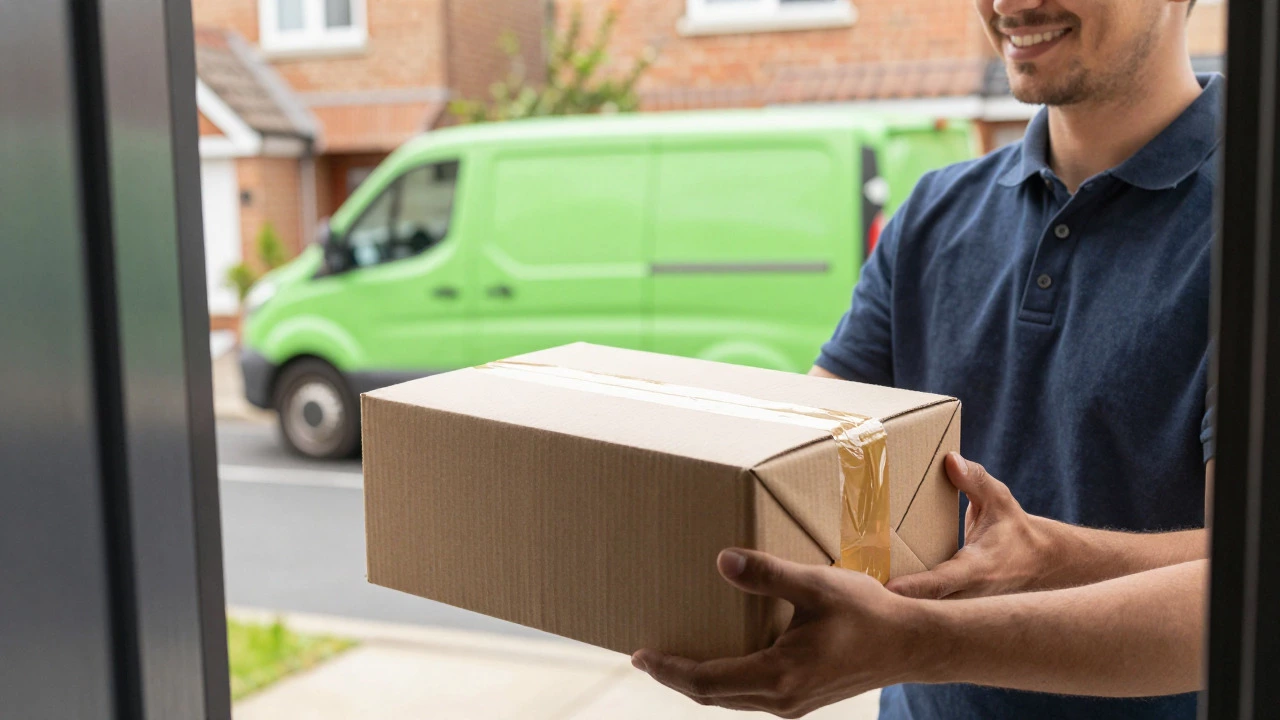
Last-mile delivery is the final step in the supply chain, moving goods from a distribution center to the customer’s doorstep. It’s often the most expensive and time-sensitive part of logistics, directly impacting customer satisfaction.
Can I automate my e-commerce logistics?
Yes, automation is possible through logistics software and hardware. Software automates order routing, inventory syncing, and label generation. Hardware includes barcode scanners, conveyor belts, and robotic pickers. Start with software integration before investing in physical automation.