E-commerce Logistics Model Comparison Tool
Business Parameters
Recommended Strategy
| Metric | In-House Logistics | 3PL Provider |
|---|---|---|
| Upfront Investment | ||
| Monthly Fulfillment Cost | ||
| Scalability Rating | ||
| Control Level | ||
| Best For |
Key Insight:
Enter your business parameters and click "Analyze" to see a detailed comparison between in-house logistics and using a 3PL provider.
You click "Buy Now" at 10:03 PM. By the next afternoon, a package is sitting on your porch. It feels like magic, doesn't it? But there is no magic here. There is only a highly coordinated, complex machine working in the background. That machine is logistics, defined as the detailed organization and implementation of a complex operation involving the movement of goods, information, and resources.
We often talk about e-commerce and logistics as if they are separate entities. You might think of e-commerce as the storefront-the website, the marketing, the checkout button. And you might view logistics as just the trucks and warehouses that come later. This separation is a dangerous illusion. In reality, e-commerce cannot exist without logistics. They are not just partners; they are fused together. If your website is beautiful but your delivery takes three weeks, you don’t have an e-commerce business. You have a hobby.
The Engine Behind the Storefront
To understand the relationship, we need to look at what actually happens when a sale occurs. E-commerce is the demand generator. It creates the intent to buy. Logistics is the promise keeper. It fulfills that intent. Without logistics, e-commerce is just a digital catalog with no ability to deliver value.
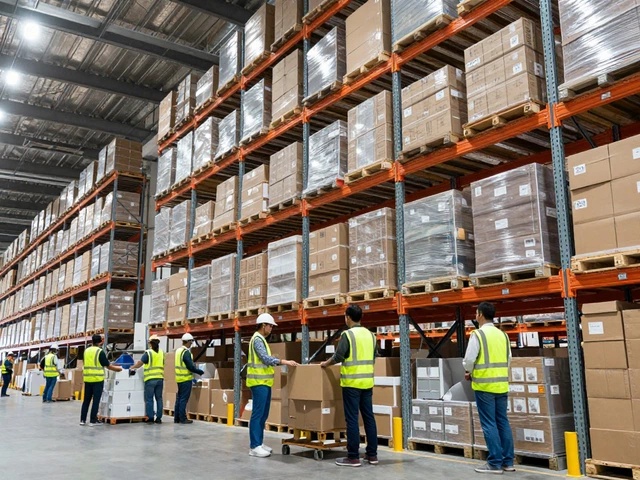
Consider the concept of order fulfillment, which refers to the complete process from receiving a customer's order to delivering the final product to their doorstep. This process includes picking items from shelves, packing them securely, labeling them for carriers, and handing them off to transport networks. Every second spent in this process costs money. Every error results in a return. Returns are the enemy of profit margins. Therefore, logistics efficiency directly dictates e-commerce profitability.
In the early days of online shopping, customers accepted slow shipping. They waited two weeks for books or clothes. Today, that patience has evaporated. Amazon’s Prime membership changed consumer psychology globally. People now expect one-day or even same-day delivery. This shift forced e-commerce businesses to rethink their entire operational structure. You can no longer just sell products; you must manage speed.
Inventory Management: The Shared Brain
One of the tightest links between e-commerce and logistics is inventory visibility. In traditional retail, you have physical stock in a store. In e-commerce, your inventory lives in data systems. If your website says an item is in stock, but your warehouse system shows it was sold five minutes ago, you have a problem. This is called overselling, and it leads to cancelled orders and angry customers.
Inventory management involves tracking stock levels, locations, statuses, and movements to ensure optimal availability while minimizing holding costs. Modern e-commerce platforms integrate directly with Warehouse Management Systems (WMS). When a customer adds an item to their cart, the system checks real-time stock across multiple warehouses. If the main warehouse is out, it might reserve stock from a regional hub closer to the customer. This reduces shipping time and cost simultaneously.
This integration requires robust software. Legacy systems that rely on manual spreadsheet updates simply cannot handle the volume of modern e-commerce. Errors compound quickly. A single misplaced SKU (Stock Keeping Unit) can delay hundreds of orders if not caught immediately. The relationship here is symbiotic: e-commerce drives the data flow, and logistics acts on that data physically.
The Last Mile Challenge
If you map out the journey of a package, the most expensive and unpredictable part is the final leg. This is known as the last mile delivery, defined as the final step of the delivery process where goods are transported from a distribution center to the end consumer's address. Despite its name, it isn't always just one mile. It could be ten miles through city traffic or across rural roads.
Last mile delivery accounts for up to 53% of total shipping costs. Why? Because it involves many small stops, traffic congestion, failed deliveries, and security concerns. For an e-commerce brand, controlling this stage is critical. If you rely entirely on national postal services, you have little control over the customer experience. The driver is the face of your brand. If they are rude or late, your customer blames you, not the carrier.
Many e-commerce companies are now experimenting with alternative last-mile solutions. These include local courier partnerships, locker pickup points, and drone delivery pilots. Each option has trade-offs. Lockers reduce failed deliveries but require infrastructure investment. Local couriers offer speed but lack scale. Understanding these options is part of mastering the e-commerce-logistics relationship.
Data Flow and Customer Experience
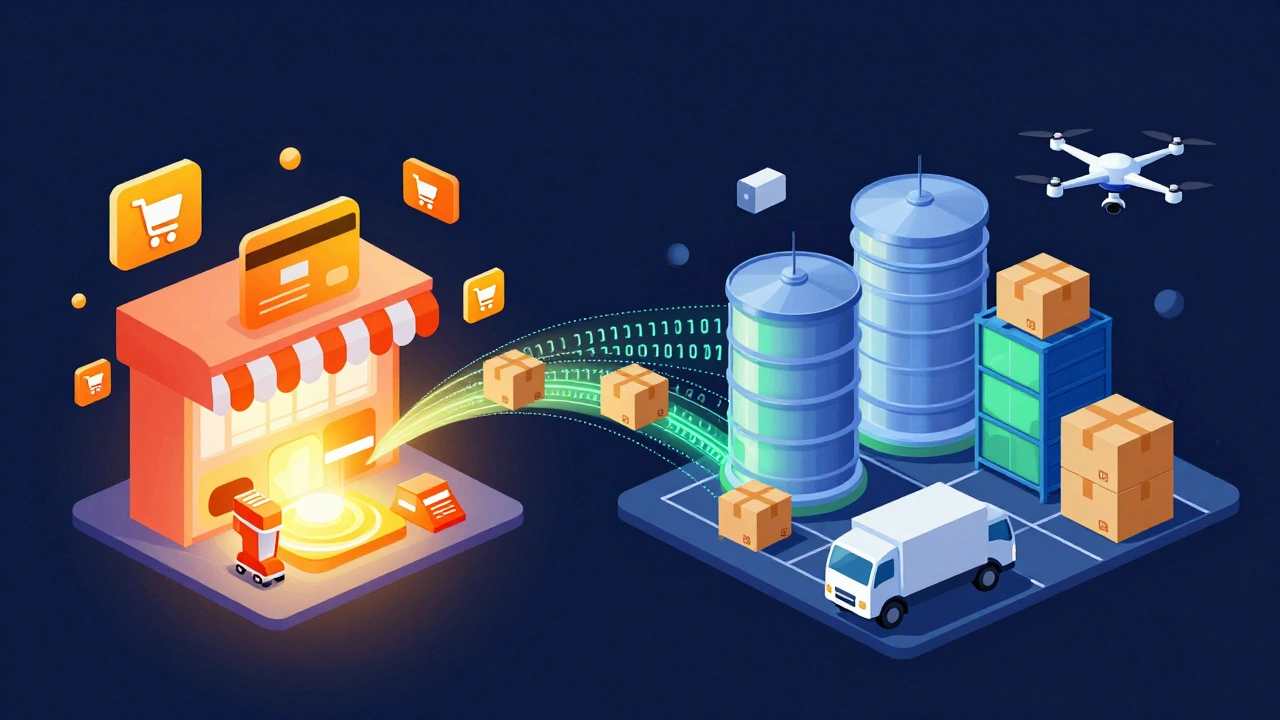
Modern shoppers want transparency. They want to know exactly where their package is at any given moment. This expectation bridges the gap between digital commerce and physical logistics. Tracking numbers are no longer optional; they are standard.
When a customer buys something, they enter a state of anticipation. Anxiety sets in. "Did my payment go through?" "Has it shipped?" "Is it delayed?" Good logistics communication alleviates this anxiety. Automated emails and SMS updates keep the customer informed. These updates come from the logistics provider’s tracking system, fed into the e-commerce platform.
This data loop is vital. If a shipment is delayed due to weather, the logistics partner should notify the e-commerce system instantly. The system can then proactively inform the customer before they complain. Proactive communication builds trust. Trust leads to repeat purchases. Repeat purchases drive lifetime value. All of this starts with seamless data exchange between commerce and logistics platforms.
Scalability and Seasonal Peaks
E-commerce sales are rarely flat. They spike during holidays, flash sales, and seasonal trends. Black Friday, Cyber Monday, and Christmas create massive surges in order volume. Logistics networks must be elastic enough to handle these peaks without collapsing.
A rigid logistics setup will fail under pressure. Warehouses overflow, carriers miss cutoff times, and delivery promises break. To survive, e-commerce businesses need scalable logistics partners. This means having access to temporary warehouse space, additional labor, and flexible carrier contracts.
Some brands choose to use Third-Party Logistics (3PL) providers. A 3PL provider is an external company that handles storage, packaging, and shipping on behalf of another business. Using a 3PL allows e-commerce sellers to scale up or down without investing in their own facilities. During quiet months, you pay less. During peak seasons, you leverage their existing network. This flexibility is essential for maintaining healthy cash flow and customer satisfaction.
| Feature | In-House Logistics | 3PL Provider |
|---|---|---|
| Control Level | High | Moderate |
| Upfront Cost | Very High (warehouse, staff, tech) | Low (pay-as-you-go) |
| Scalability | Limited by capacity | Highly scalable |
| Expertise Required | Internal team needed | Provided by partner |
| Best For | Large enterprises with consistent volume | SMBs and seasonal brands |
Returns Management: The Reverse Flow
We often forget that logistics isn't just about sending things out. It’s also about bringing them back. Returns, or reverse logistics, are a major part of e-commerce. Online return rates can be as high as 30%, compared to around 9% for brick-and-mortar stores. Why? Because customers can't try on clothes or test electronics before buying.
Handling returns efficiently is crucial. If returning an item is difficult, customers won’t buy again. They might leave negative reviews instead. A smooth return process encourages loyalty. Customers feel safer knowing they can easily send something back if it doesn’t fit.
Reverse logistics involves inspecting returned items, restocking them if possible, or processing refunds for damaged goods. This requires clear policies and efficient workflows. Some advanced systems automatically generate return labels and update inventory counts in real-time. Integrating reverse logistics into your e-commerce strategy reduces waste and recovers value from returned merchandise.
Sustainability and Ethical Shipping
Today’s consumers care about more than just price and speed. They care about environmental impact. E-commerce generates significant carbon emissions through packaging waste and transportation. Logistics plays a key role in addressing these concerns.
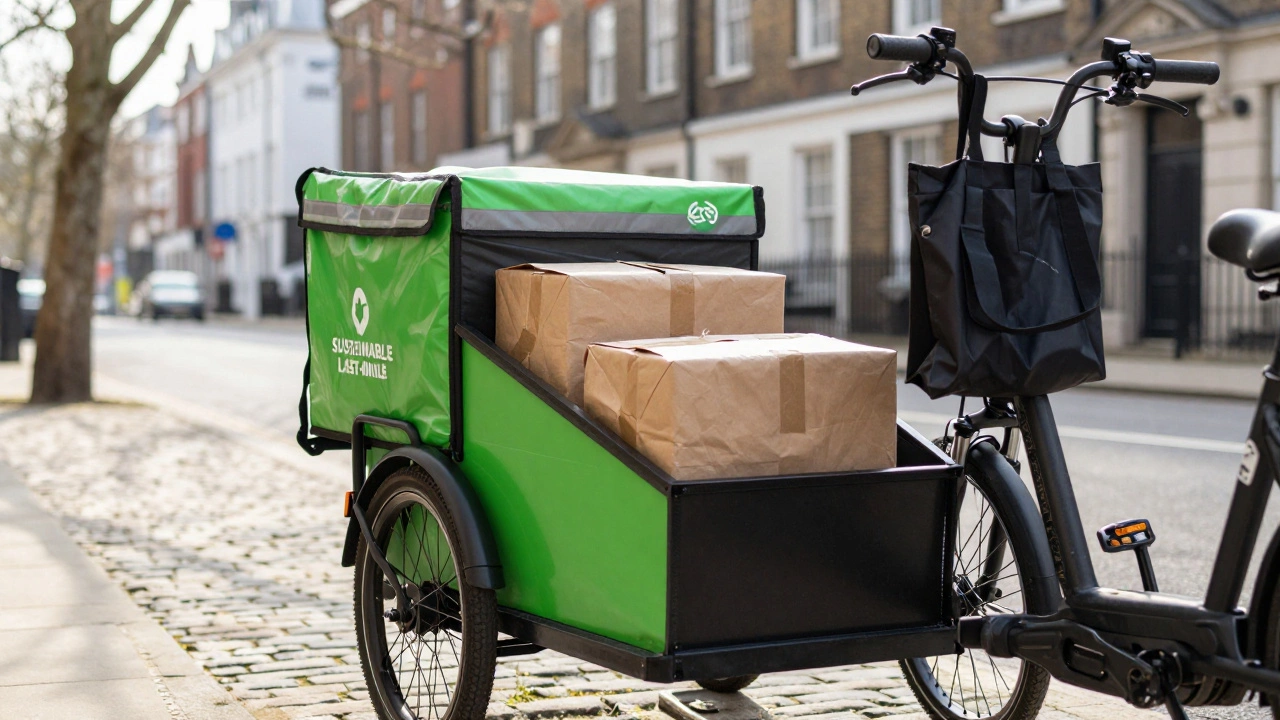
Brands are adopting sustainable practices such as using recycled packaging materials, optimizing route planning to reduce fuel consumption, and offering carbon-neutral shipping options. Some companies consolidate shipments to minimize the number of trucks on the road. Others use electric vehicles for last-mile deliveries in urban areas.
These initiatives aren't just good for the planet; they’re good for business. Eco-conscious shoppers prefer brands that align with their values. Transparent reporting on sustainability efforts can differentiate your brand in a crowded market. Logistics providers who prioritize green solutions become valuable partners for forward-thinking e-commerce businesses.
Technology Integration: The Glue Holding It Together
All of these elements-inventory, fulfillment, last mile, returns, sustainability-are connected by technology. APIs (Application Programming Interfaces) allow different software systems to talk to each other. Your e-commerce platform connects to your WMS, which connects to carrier systems, which connect to tracking tools.
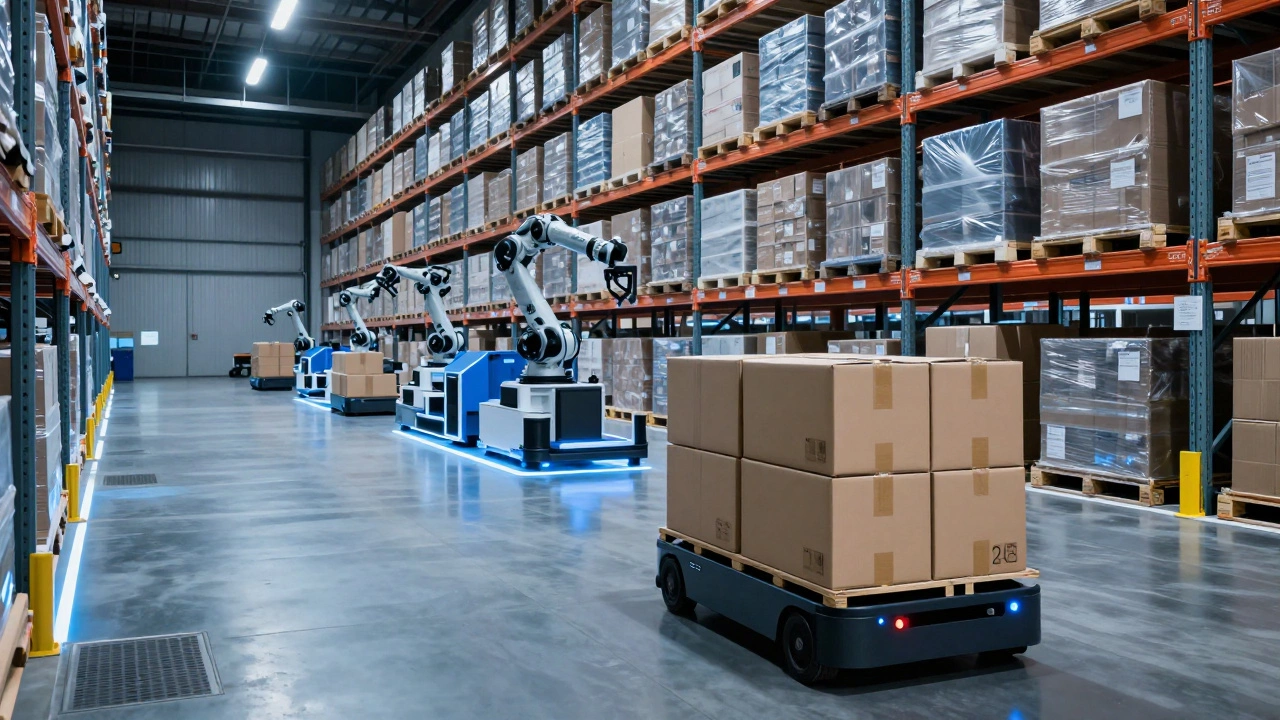
Without proper integration, data silos form. Information gets stuck. Decisions are made based on outdated info. Automation reduces human error and speeds up processes. For example, automated sorting systems in warehouses can process thousands of packages per hour, far faster than manual labor.
Artificial intelligence is also entering the mix. AI algorithms predict demand patterns, helping businesses stock the right products in the right locations before customers even order them. Machine learning optimizes delivery routes in real-time, avoiding traffic jams and delays. Technology transforms logistics from a reactive function into a proactive advantage.
Why is logistics important for e-commerce success?
Logistics determines whether a customer receives their order on time and in good condition. Poor logistics lead to late deliveries, damaged goods, and frustrated customers, resulting in lost sales and negative reviews. Efficient logistics build trust and encourage repeat purchases.
What is the difference between e-commerce and logistics?
E-commerce refers to the online selling of goods and services, including the website, marketing, and transaction processing. Logistics refers to the physical movement, storage, and handling of those goods from supplier to customer. While distinct functions, they are deeply interconnected.
How does last-mile delivery affect e-commerce costs?
Last-mile delivery is the most expensive part of the shipping process, often accounting for over half of total logistics costs. Factors like distance, traffic, failed deliveries, and special handling requirements contribute to high expenses. Optimizing this stage is key to improving profit margins.
Should I use a 3PL or handle logistics myself?
It depends on your business size and growth stage. Small to medium businesses benefit from 3PLs due to lower upfront costs and scalability. Large enterprises with consistent high volumes may prefer in-house logistics for greater control and customization. Evaluate your budget, expertise, and long-term goals.
How can I improve my e-commerce return process?
Simplify the return initiation process, provide prepaid labels, and communicate clearly about refund timelines. Use reverse logistics software to track returned items and update inventory automatically. Offer incentives for exchanges rather than refunds to retain revenue.
What role does technology play in e-commerce logistics?
Technology integrates various systems, automates tasks, and provides real-time visibility. APIs connect e-commerce platforms with warehouse and carrier systems. AI predicts demand and optimizes routes. Automation reduces errors and increases speed, enhancing overall efficiency.
How does inventory management link e-commerce and logistics?
Accurate inventory management ensures that what is shown as available on the website matches actual stock in the warehouse. Real-time synchronization prevents overselling and stockouts. Integrated systems allow dynamic allocation of stock from multiple locations to fulfill orders faster.
Can sustainable logistics help my e-commerce brand?
Yes, increasingly so. Consumers prefer eco-friendly brands. Using recyclable packaging, optimizing delivery routes, and offering carbon-neutral shipping options can attract environmentally conscious customers and differentiate your brand from competitors.