E-commerce vs. Traditional Supply Chain Calculator
Scenario Parameters
| Metric | B2B Retail | B2C E-commerce |
|---|---|---|
| Shipments Generated | - | - |
| Touchpoints | Low | High |
| Est. Delivery Cost | - | - |
| Complexity Factor | Bulk Handling | Fragmented |
Cost Efficiency Ratio
Shipping individually is 0x more expensive than pallet shipping per unit.
Imagine you click "Buy Now" on a gadget at midnight. By the time you wake up, that item has already been picked from a shelf, packed in a box, scanned by three different systems, loaded onto a truck, and dropped off at your door. This seamless magic isn't just luck; it's the result of a highly complex e-commerce supply chain, which is the network of processes, people, and technologies that manage the flow of goods from supplier to customer in digital retail. While traditional supply chains moved bulk goods to stores, the e-commerce model moves individual items directly to consumers. This shift changes everything about how businesses operate.
The Core Difference: B2B vs. B2C Logistics
To understand what e-commerce means for supply chain management, you first have to look at the scale. In a traditional business-to-business (B2B) model, a retailer might order ten thousand units of a product on a pallet. That pallet goes to a distribution center, then to a store. The number of touchpoints is low, and the volume per shipment is high.
In contrast, e-commerce logistics handles business-to-consumer (B2C) shipments where individual orders are processed, packed, and delivered directly to end-users. You aren't shipping one pallet; you're shipping ten thousand individual boxes. Each box has a unique address, a unique tracking number, and often a unique set of instructions. This fragmentation creates complexity. A single error in a B2B shipment affects one store. An error in an e-commerce shipment affects one customer's trust, their review, and potentially their lifetime value.
| Feature | Traditional Retail (B2B) | E-commerce (B2C) |
|---|---|---|
| Shipment Unit | Pallets / Cases | Individual Parcels |
| Destination | Distribution Centers / Stores | Residential Addresses |
| Order Volume Pattern | Stable, Predictable | Volatility Spikes (Holidays, Sales) |
| Return Process | Bulk Returns to Vendor | Individual Consumer Returns |
| Speed Expectation | Days to Weeks | Hours to Days |
Key Components of the E-commerce Supply Chain
The e-commerce supply chain is not a single department; it's a series of interconnected stages. If one link breaks, the whole experience fails. Here is how the journey actually works behind the scenes.
1. Sourcing and Procurement
It starts with getting the product. For many online retailers, this involves dropshipping or working with multiple suppliers rather than holding massive stock. Procurement in e-commerce focuses on securing inventory from vendors while maintaining cost efficiency and quality control. The challenge here is visibility. If you sell on Amazon, Shopify, and your own website, your inventory data must be synced in real-time. If Supplier A runs out of stock but your website doesn't know, you'll oversell. That leads to backorders, angry emails, and refunds.
2. Warehousing and Inventory Management
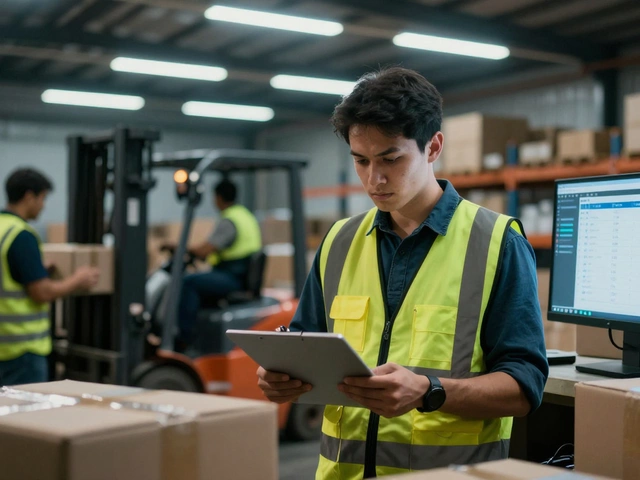
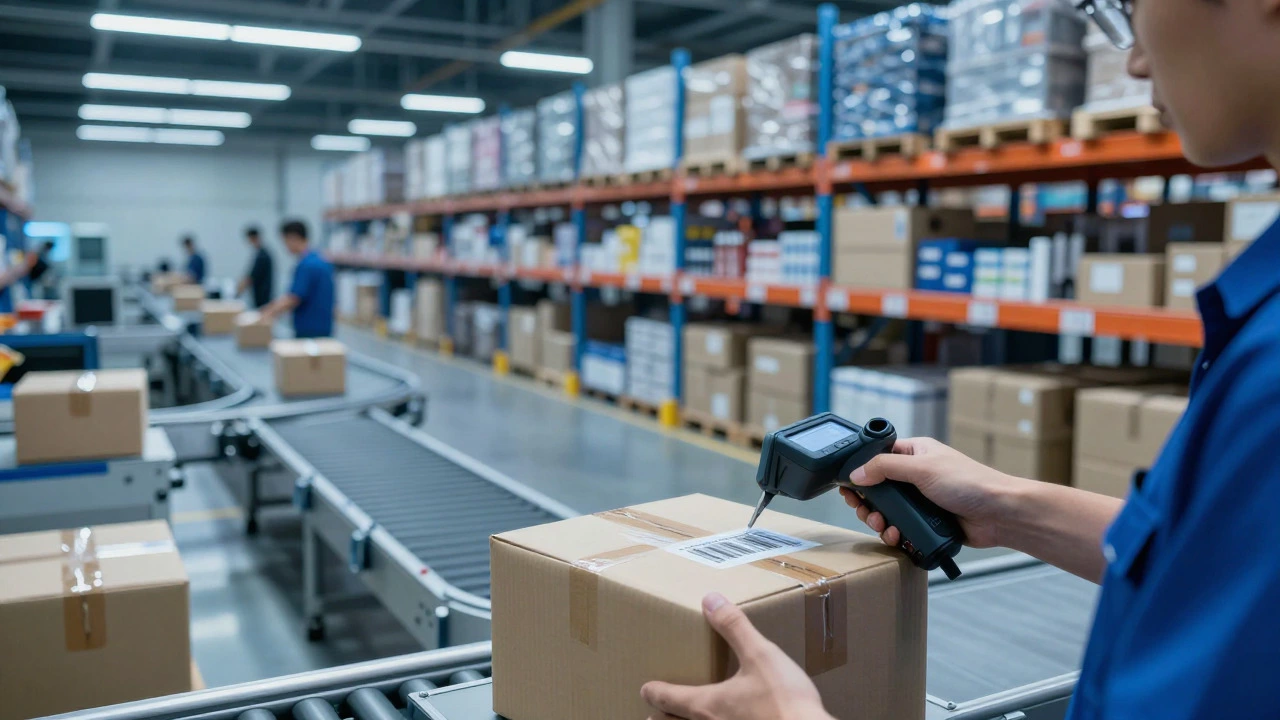
This is where the physical goods live. Modern warehousing solutions use automated storage and retrieval systems alongside software to track stock levels accurately. In a traditional warehouse, items are stored by category. In an e-commerce fulfillment center, items are stored based on velocity-how fast they sell. Fast-moving items are placed near packing stations to reduce pick times. Technology like barcode scanners and RFID tags ensures that when you check out, the system knows exactly which bin the item is in. Without this precision, workers spend half their day looking for products instead of packing them.
3. Order Fulfillment
Once the order comes in, the clock starts ticking. Order fulfillment encompasses the complete process from receiving an order to delivering it to the customer, including picking, packing, and shipping. Picking is the most labor-intensive part. Workers walk miles per day retrieving items. Packing requires care; if a phone screen cracks because of poor packaging, the seller pays for it. Shipping involves selecting the right carrier based on cost, speed, and destination. This stage is where automation shines. Robots can now sort packages faster than humans, reducing errors and speeding up throughput during peak seasons like Black Friday.
4. Last Mile Delivery
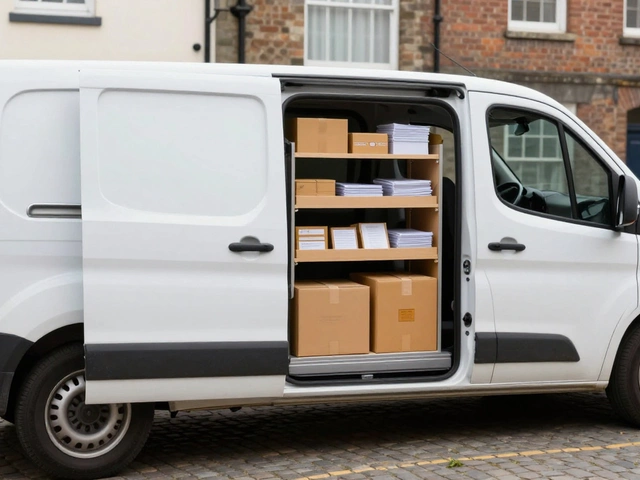
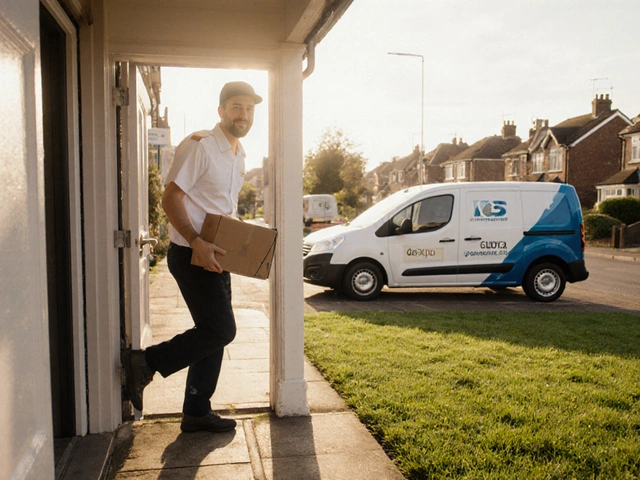
The "last mile" is the final leg of the journey-from the local distribution hub to the customer's doorstep. It is notoriously the most expensive and inefficient part of the supply chain. Last mile delivery refers to the final step of the delivery process where goods are transported from a transport hub to the end-user's location. Why is it so hard? Because residential addresses are scattered. A truck might deliver five packages in one neighborhood, then drive twenty minutes to another. Traffic, weather, and failed delivery attempts (when no one is home) add costs. Companies are experimenting with lockers, drones, and crowd-shipping apps to solve this puzzle. For the consumer, this is the moment of truth. If the package arrives late or damaged, the entire supply chain effort feels wasted.
5. Reverse Logistics (Returns)
Returns are a reality of online shopping. People can't try on clothes or test electronics before buying. Reverse logistics manages the flow of goods from the customer back to the seller for returns, repairs, or recycling. Unlike forward logistics, which is planned, reverse logistics is chaotic. Items come back in various conditions. Some are resalable, some need repair, and some are trash. Efficient reverse logistics minimizes loss. If a returned item sits in a warehouse for weeks, it loses value. Quick processing allows retailers to restock popular items rapidly, turning a potential loss into recovered revenue.
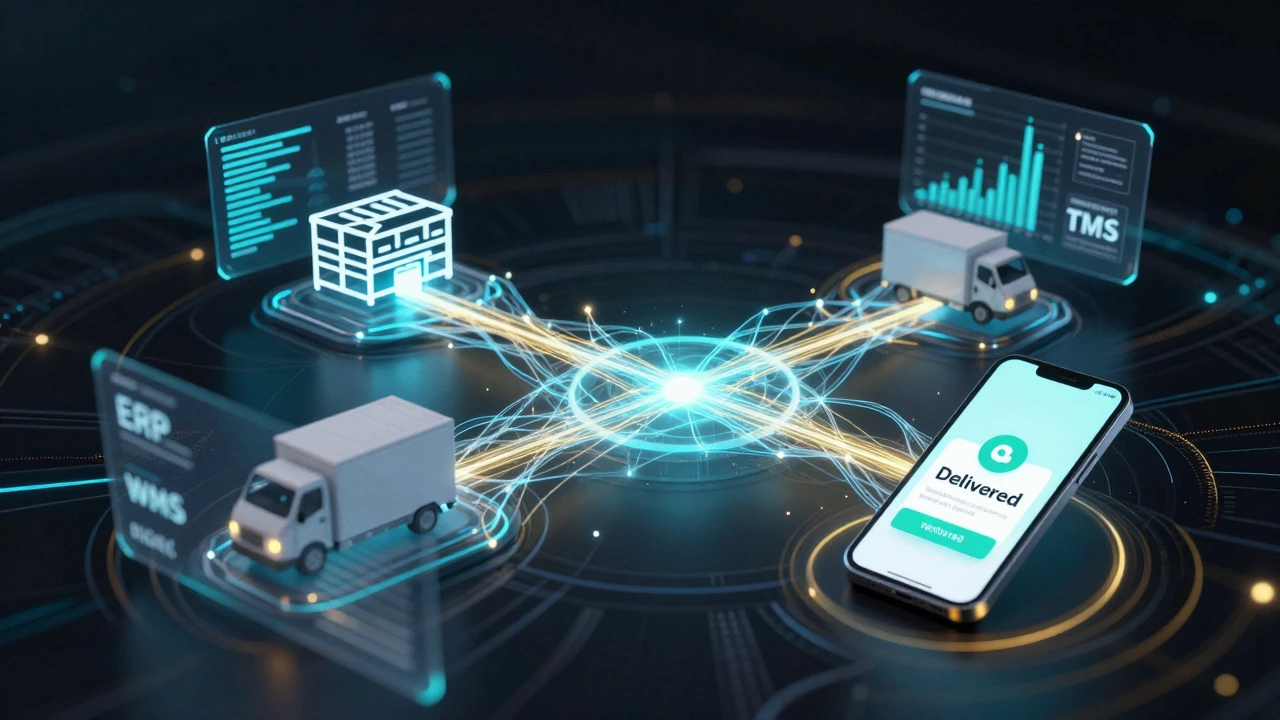
Technology as the Nervous System
You can't run an e-commerce supply chain with spreadsheets alone. The volume of data is too high. Logistics software acts as the digital infrastructure that connects suppliers, warehouses, carriers, and customers through real-time data exchange. Key technologies include:
- Enterprise Resource Planning (ERP): Integrates finance, HR, and supply chain data into one system.
- Warehouse Management Systems (WMS): Optimizes storage locations and picking routes.
- Transportation Management Systems (TMS): Plans the best routes and selects carriers for cost efficiency.
- Artificial Intelligence (AI): Predicts demand spikes so you can stock up before the rush hits.
For example, AI algorithms analyze historical sales data, weather patterns, and even social media trends to forecast how many units of a specific product will sell next month. This predictive capability reduces overstocking and stockouts, keeping cash flow healthy.
Challenges Facing Modern E-commerce Supply Chains
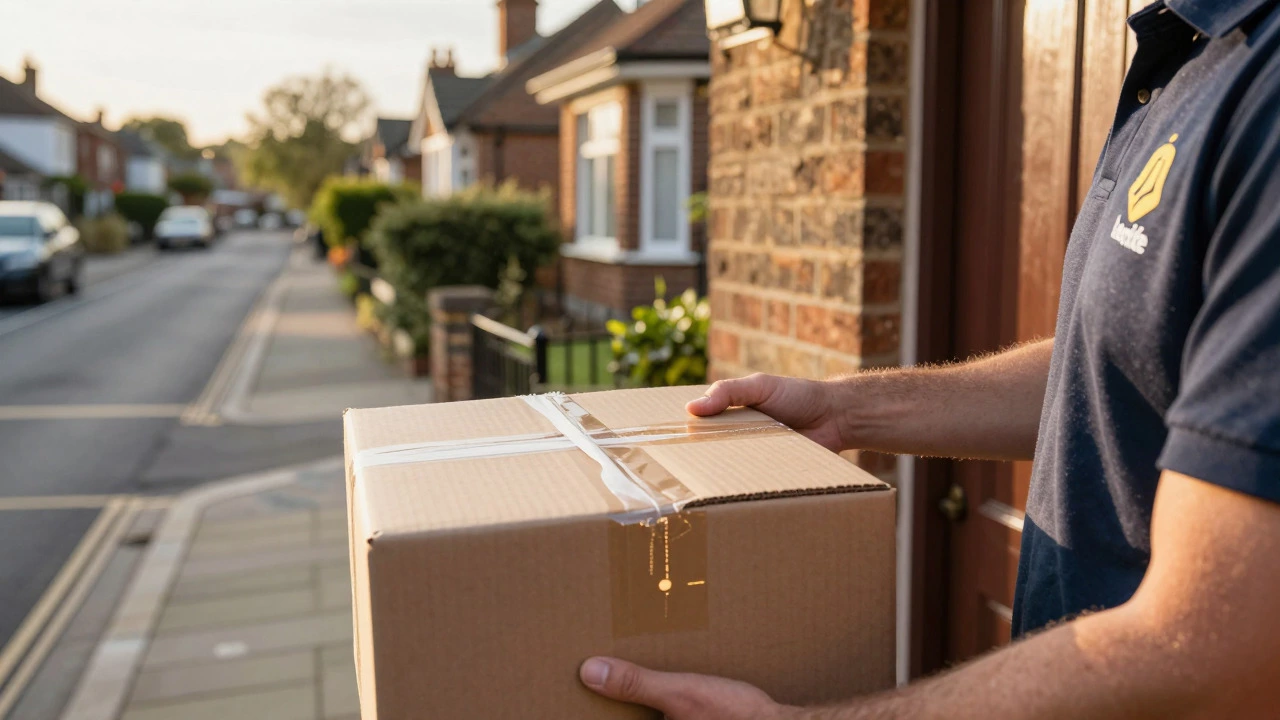
Despite the tech, things go wrong. Global events, natural disasters, and geopolitical tensions disrupt shipping lanes. Labor shortages make it hard to find enough warehouse staff and drivers. Customers expect free, same-day delivery, which squeezes profit margins thin. Sustainability is also a growing pressure point. Consumers want eco-friendly packaging and carbon-neutral shipping. Balancing speed, cost, and sustainability is the holy grail that every logistics manager chases.
Why This Matters for Your Business
If you're selling online, your supply chain is your competitive advantage. A great website brings traffic, but a great supply chain keeps customers coming back. When you optimize your logistics, you reduce costs, improve delivery times, and handle returns smoothly. This builds trust. And in the world of e-commerce, trust is the only currency that truly matters.
What is the difference between supply chain and logistics in e-commerce?
Logistics is a subset of the supply chain. Logistics focuses specifically on the movement and storage of goods (transportation, warehousing). The supply chain is broader, encompassing logistics plus sourcing, procurement, manufacturing, inventory management, and customer service. Think of logistics as the muscles moving the product, and the supply chain as the entire body coordinating the action.
How does e-commerce affect traditional supply chains?
E-commerce forces traditional supply chains to become more flexible and responsive. Instead of pushing large batches of goods to stores, companies must pull individual items to customers. This requires smaller, more frequent shipments, advanced technology for real-time tracking, and robust return handling processes. It shifts the focus from efficiency in bulk to agility in individual service.
What is the most critical part of the e-commerce supply chain?
While all parts are connected, the last mile delivery is often considered the most critical from a customer perspective. It's the only physical interaction the customer has with the brand. Additionally, inventory accuracy is critical operationally; if you don't know what you have in stock, you can't fulfill orders correctly, leading to delays and dissatisfaction.
How can small businesses optimize their e-commerce supply chain?
Small businesses can start by using third-party logistics (3PL) providers who offer scalable warehousing and shipping services. Implementing basic inventory management software to prevent overselling is essential. Building strong relationships with reliable carriers and offering clear return policies also helps manage expectations and costs without needing massive infrastructure.
What role does technology play in e-commerce supply chains?
Technology is the backbone. It enables real-time visibility into inventory and shipments, automates repetitive tasks like labeling and sorting, and uses data analytics to predict demand. Without tools like WMS, TMS, and ERP systems, managing the complexity of thousands of individual orders would be impossible and error-prone.