Delivery Pricing & Profit Calculator
Quote Configuration
Operating Expenses
Revenue Breakdown
You don't need a massive warehouse or a fleet of fifty trucks to enter the logistics game. In fact, some of the most profitable courier operations today start with a single vehicle and a smartphone. The real hurdle isn't the equipment; it's figuring out how to carve out a niche in a market dominated by giants. If you can solve a specific pain point for local businesses or residents, you can turn your driveway into a command center for a thriving delivery empire.
To get this moving, you first need to understand that a Courier Service is essentially a logistics operation focused on the rapid transport of parcels, documents, or goods from one point to another. Unlike traditional postal services, home-based couriers usually focus on speed, specialization, and personalized customer service to stay competitive.
Quick Start Cheat Sheet
- Niche: Pick one specific type of delivery (e.g., medical, legal, high-end food).
- Legal: Register your business and get commercial auto insurance.
- Tech: Use a route optimization app to stop wasting gas.
- Pricing: Charge by zone or by a flat base fee plus mileage.
- Marketing: Target local B2B clients via LinkedIn or direct visits.
Picking Your Profitable Niche
Trying to be "the delivery person for everything" is a fast track to burnout and low margins. When you operate from home, your biggest advantage is agility. You can offer services that the big players find too small or too tedious to handle.
Consider Last Mile Delivery , which is the final step of a journey where a package moves from a distribution hub to the end user. This is where the most friction occurs in logistics. You can specialize in "hyper-local" delivery, promising 60-minute windows for local boutiques or pharmacies that can't afford to wait for a national carrier.
Other high-value niches include:
- Medical Couriers: Transporting lab samples or prescriptions. This requires specific certifications but pays significantly more than standard parcels.
- Legal Documents: Law firms often need a "process server" or a trusted hand to deliver sensitive contracts across town immediately.
- Fragile/High-Value Goods: Think art pieces, wedding cakes, or luxury jewelry. These require a gentle touch and a clean vehicle, which a small home-based operator can guarantee better than a high-volume warehouse.
Setting Up the Legal and Financial Foundation
You can't just start picking up packages and hope for the best. If you have an accident while delivering a package, your personal car insurance will likely deny the claim because you were using the vehicle for commerce. This is the biggest mistake new entrepreneurs make.
You need Commercial Auto Insurance . This covers you specifically for business use. Along with that, look into Courier Insurance (often called Goods in Transit insurance). If you lose a $1,000 laptop or break a medical device, this insurance ensures you aren't paying for it out of your own pocket.
For the business structure, a Sole Proprietorship is the easiest to set up, but an LLC (Limited Liability Company) is smarter. It separates your personal assets from your business liabilities. If the business is sued, your house and personal savings stay protected.
Essential Gear and Home Setup
Since you're starting from home, your "office" is likely a spare room or a corner of the garage. You don't need much, but the right tools prevent costly errors.
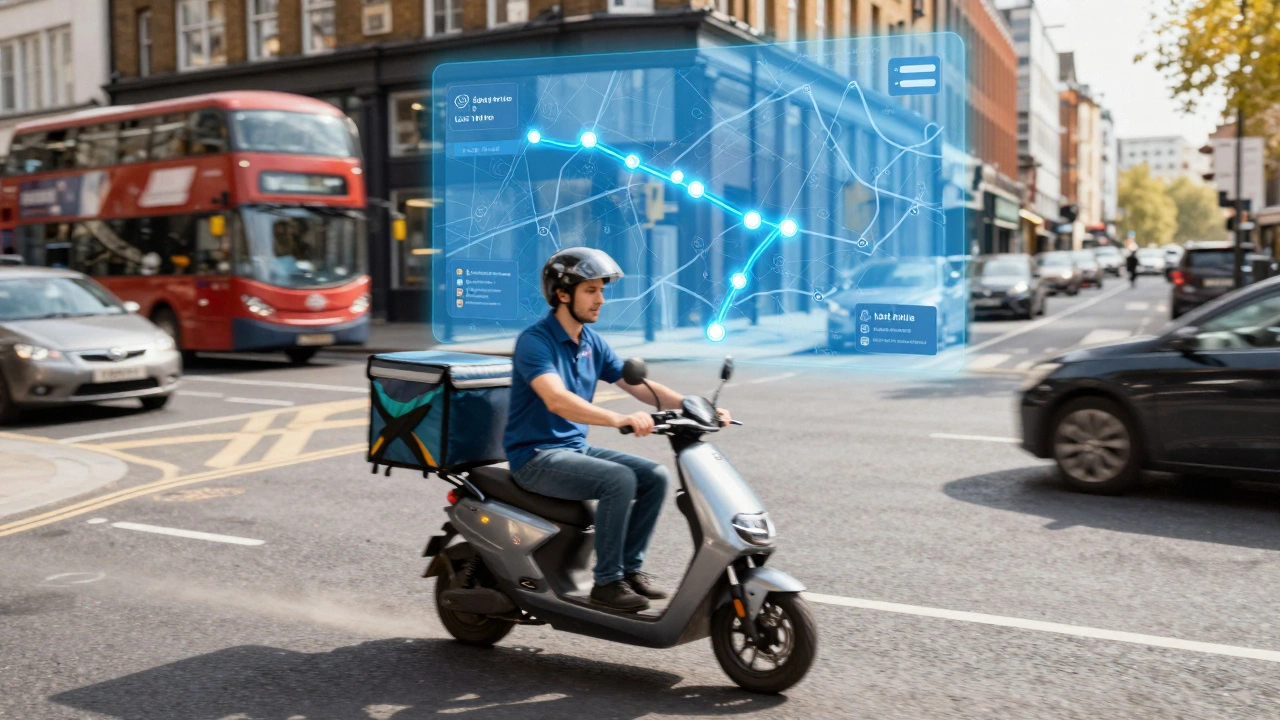
First, the vehicle. You don't always need a van. Depending on your niche, a fuel-efficient sedan or even an electric scooter for dense city centers might be more profitable. The goal is to minimize the cost per mile.
Next, focus on organization. Get a heavy-duty folding cart or a dolly to avoid back injuries and speed up the loading process. For the tech side, avoid manual mapping. Use Logistics Software or route optimization apps. These tools calculate the fastest path between ten different stops, saving you hours of idling in traffic and reducing fuel spend by up to 20%.
| Vehicle Type | Best For | Pros | Cons |
|---|---|---|---|
| Sedan/Hatchback | Documents, Small Parcels | Low fuel cost, easy parking | Limited space, low weight capacity |
| Cargo Van | Furniture, Bulk Orders | High volume, professional look | Higher fuel cost, harder to park |
| Electric Bike/Scooter | Inner City, Food, Documents | Zero fuel cost, bypasses traffic | Weather dependent, tiny capacity |

Pricing Your Services for Profit
Many new couriers undercharge because they only think about gas. You have to factor in your time, vehicle depreciation, insurance, and the "hassle factor" of traffic. If you charge $5 for a delivery that takes an hour due to a road accident, you're actually paying the customer to take their package.
Use a hybrid pricing model:
- Base Drop Fee: A flat amount (e.g., $10) just for accepting the job. This covers the administrative time and initial startup cost of the trip.
- Mileage Rate: A per-mile or per-kilometer charge based on the total distance.
- Surcharges: Extra fees for "Rush" deliveries (under 2 hours), heavy items (over 20kg), or deliveries during peak holiday seasons.
For example, a standard delivery might be $10 base + $1.50 per mile. A rush delivery might be $20 base + $2.00 per mile. This ensures that your start a delivery business venture remains sustainable even when traffic is a nightmare.
Finding Your First Clients
Forget expensive ads. The best way to get courier clients is through direct outreach to businesses that already ship things but hate the reliability of big carriers. Visit local pharmacies, law firms, and specialty bakeries. Don't just hand over a business card; ask them, "What is the biggest headache you have with your current delivery method?"
Once you identify the pain-maybe it's that packages arrive late or the drivers are rude-offer a one-week free trial for their most problematic route. Once they see a reliable, professional person handling their goods, they'll be happy to pay a premium for that peace of mind.
Use Google Business Profile to show up in "courier near me" searches. Local SEO is your best friend. When someone in your zip code searches for a fast courier, you want your 5-star reviews to be the first thing they see.
Scaling From One Person to a Fleet
Eventually, you'll hit a ceiling where you can't drive any more hours in a day. This is the transition from being a "driver" to being a "business owner." To scale, you'll need to hire independent contractors (1099s) rather than full-time employees to keep overhead low.
Introduce a dispatcher system. Even if you are the only dispatcher at first, use a centralized dashboard to track where your drivers are in real-time. This allows you to give customers accurate ETAs, which is the single most important metric in the delivery world.
As you grow, consider partnering with Ecommerce Logistics companies. They often have overflow during peak seasons like Black Friday and need reliable local partners to handle the final leg of the journey.
Do I need a special license to start a delivery business?
In most regions, a standard driver's license is enough for small parcels. However, if you use a large commercial vehicle or transport hazardous materials (like some medical waste), you may need a Commercial Driver's License (CDL) or specific HAZMAT certifications. Always check your local transport authority regulations.
How do I handle payment and invoicing?
For individual customers, use mobile payment apps or a digital invoice sent upon delivery. For B2B clients, the industry standard is "Net-15" or "Net-30" invoicing, where you bill them at the end of the month and they pay within 15 or 30 days. Use accounting software like QuickBooks or FreshBooks to track these.
What is the best way to track deliveries for customers?
The most professional method is using a delivery app that provides a tracking link via SMS. If you're starting very small, a simple "Out for delivery" and "Delivered" text message with a photo of the package at the door is usually sufficient for most local clients.
How do I compete with UberDirect or DoorDash?
You can't compete on volume, but you can compete on trust. Large platforms use random drivers. You can offer a "dedicated driver" model where the client always deals with the same person. Specializing in items those apps won't touch-like oversized art or sensitive legal files-also removes you from that competition entirely.
How much should I save for taxes?
Since you are likely self-employed, set aside 25% to 30% of your net profit for taxes. Keep every single receipt for gas, car washes, and vehicle repairs, as these are tax-deductible business expenses that lower your taxable income.
Next Steps and Troubleshooting
If you find that you aren't getting enough calls, look at your service area. You might be trying to cover too much ground, which increases your fuel costs and makes you slower. Try shrinking your radius to a 5-mile circle and dominate that area first.
If you're struggling with cash flow, consider requesting a deposit for new clients or moving to a prepaid model for residential deliveries. For those scaling up, the biggest hurdle is usually driver reliability. Implement a performance bonus for drivers who maintain a 100% on-time delivery rate to keep them motivated.