E‑Commerce Logistics: How to Move Online Orders Efficiently
Running an online store means you’ve got to get products from the warehouse to the customer’s door fast and cheap. If your shipping is slow or pricey, shoppers bounce. Below are the real‑world steps that turn a click into a happy delivery.
Key Steps in the E‑Commerce Delivery Journey
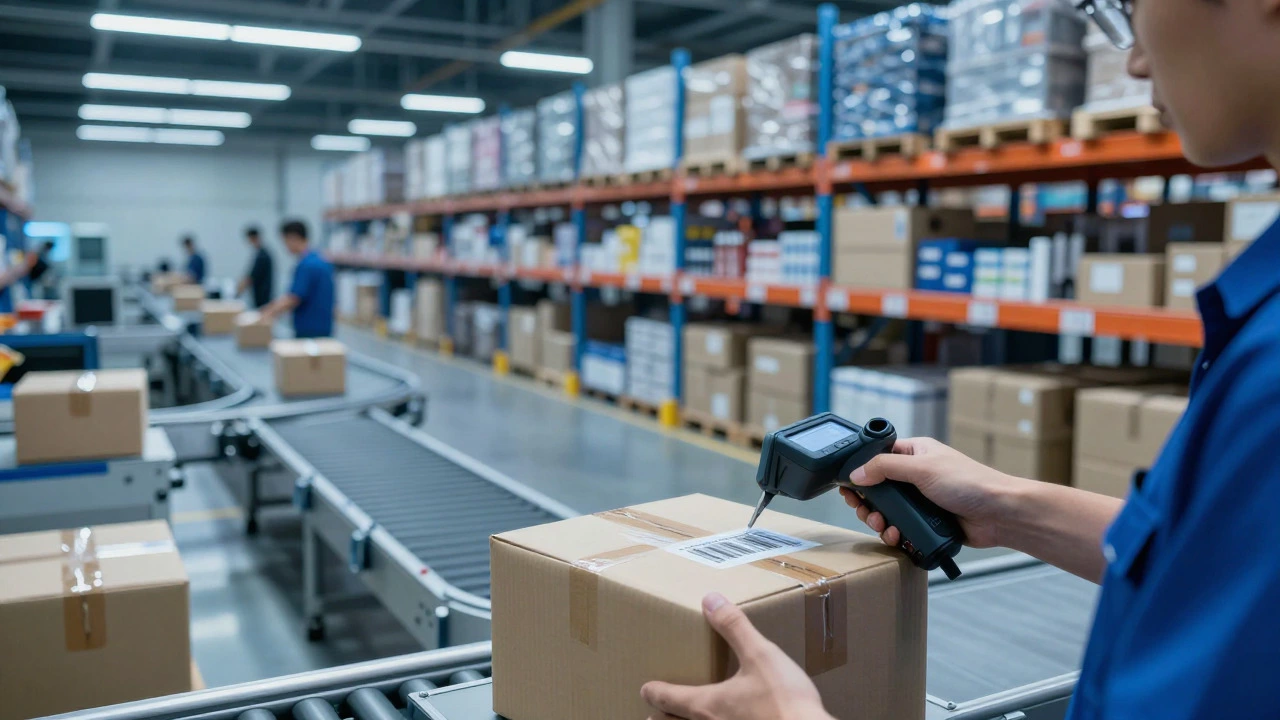
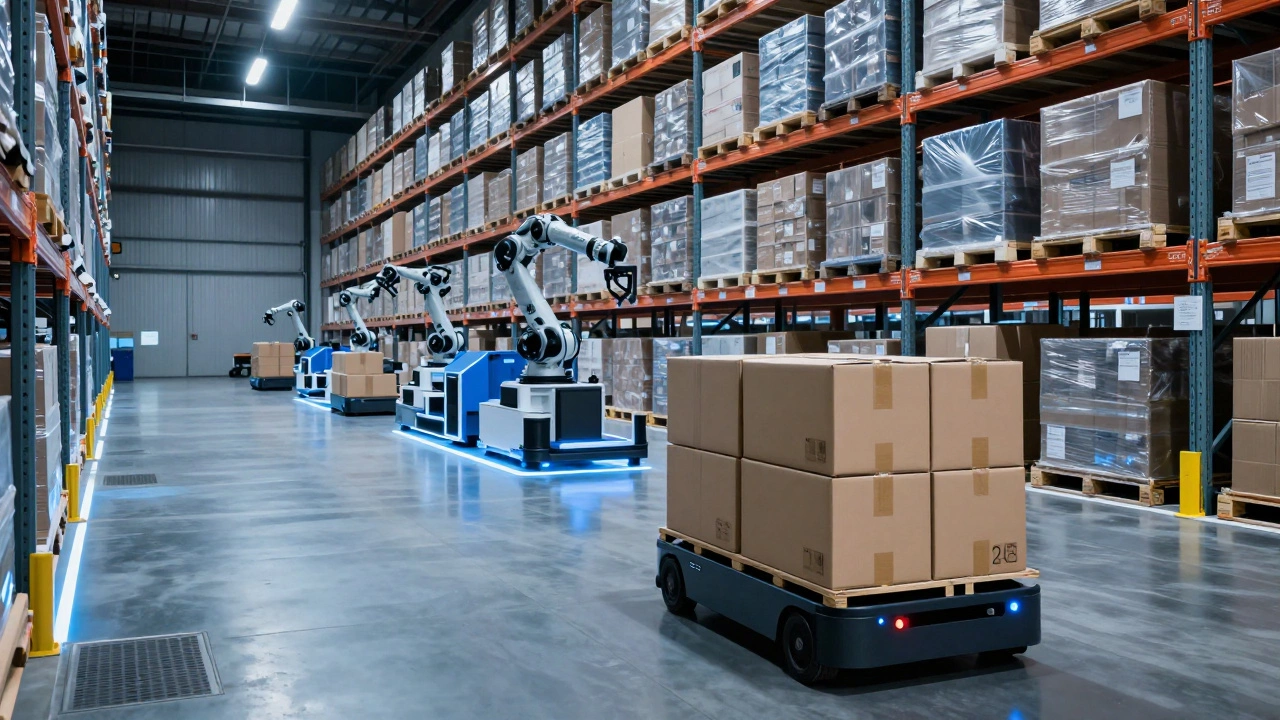
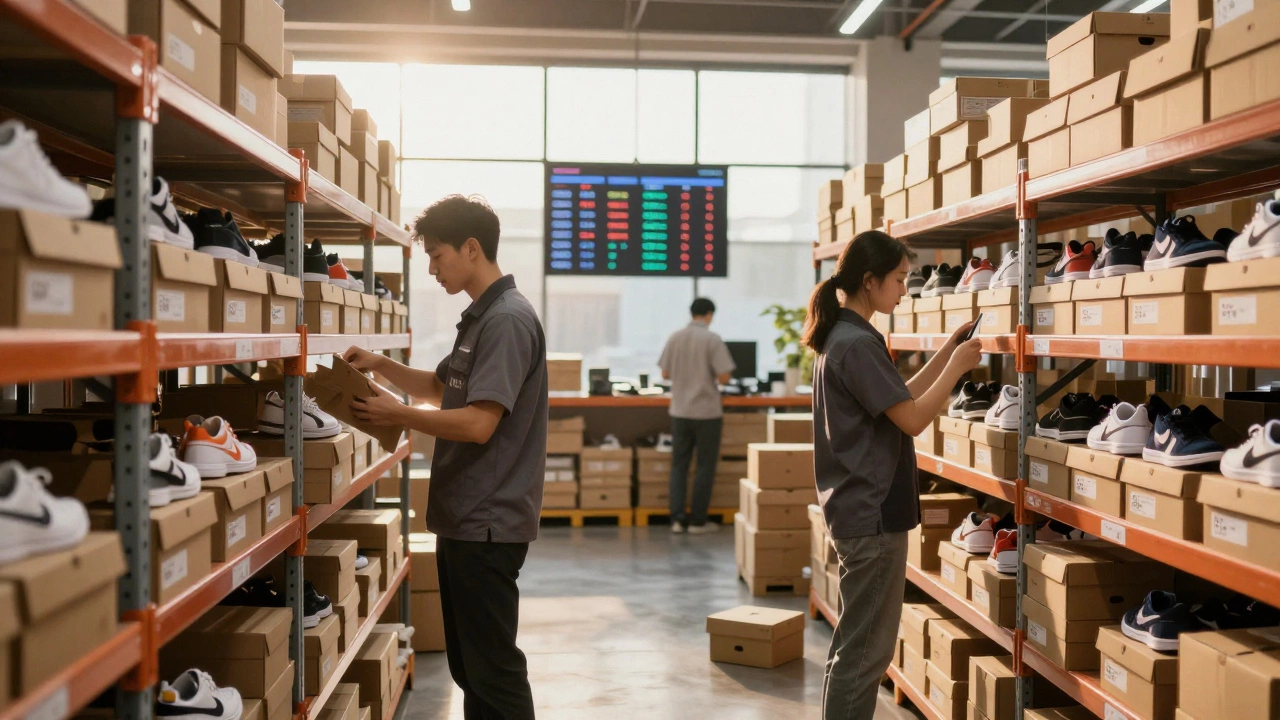
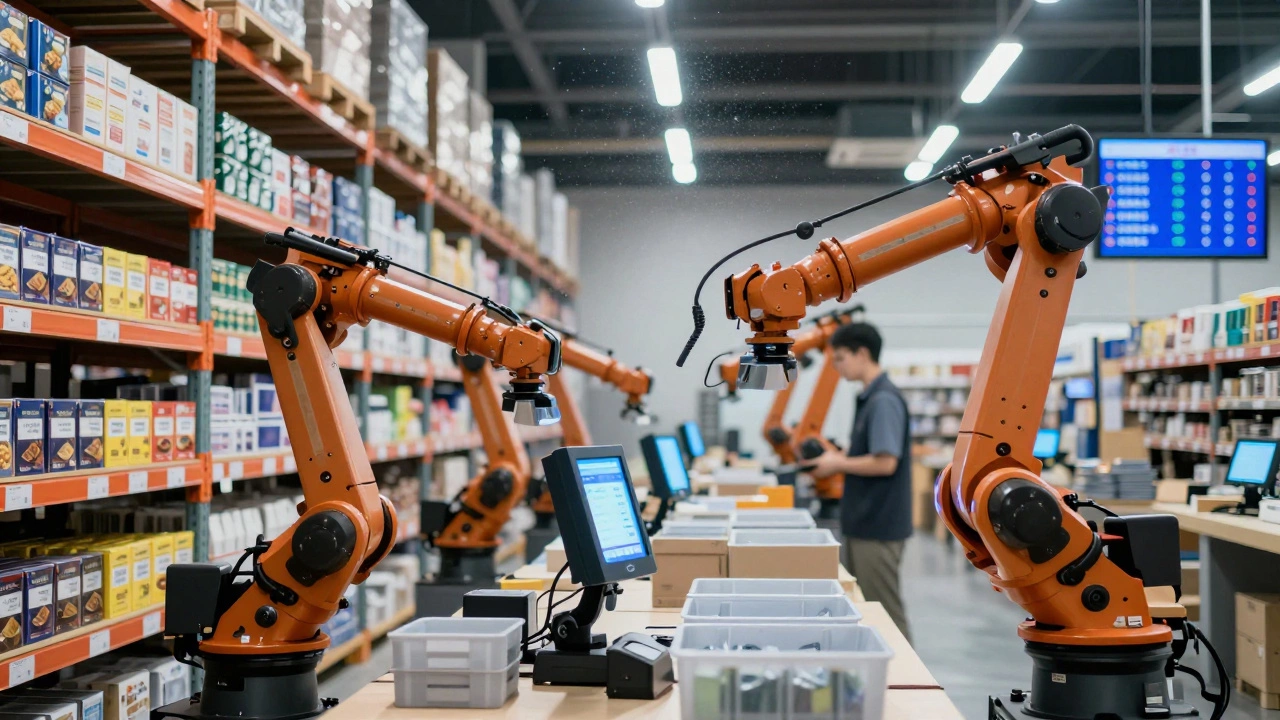
First, inventory needs a home. Small sellers can start with a garage or a shared fulfilment space; bigger brands often rent a dedicated warehouse. Whatever the size, organise shelves so the most popular items sit near the packing station. That cuts the time workers spend walking around.
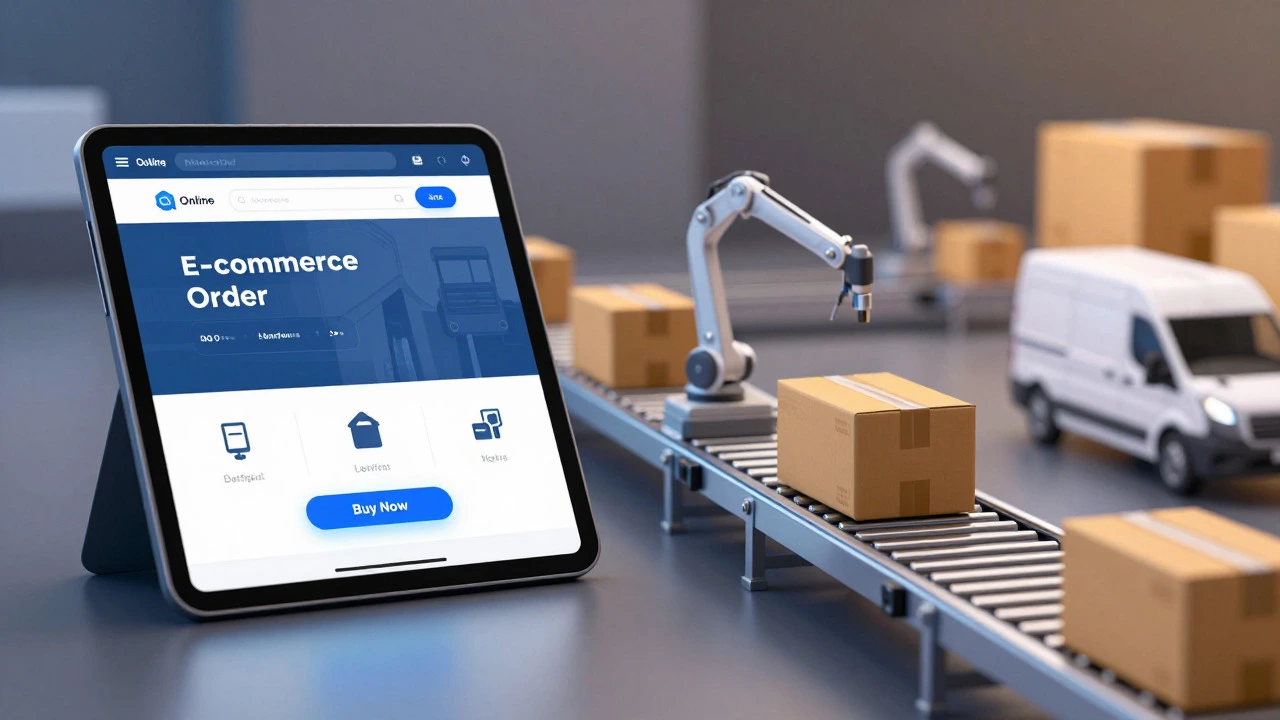
Next, pick the right order‑management system. A simple spreadsheet works for a handful of orders, but once you hit dozens a day, a cloud‑based platform that syncs with your shop front and tracks stock is a lifesaver. It tells you what’s in stock, flags low‑stock alerts, and creates pick lists that reduce errors.
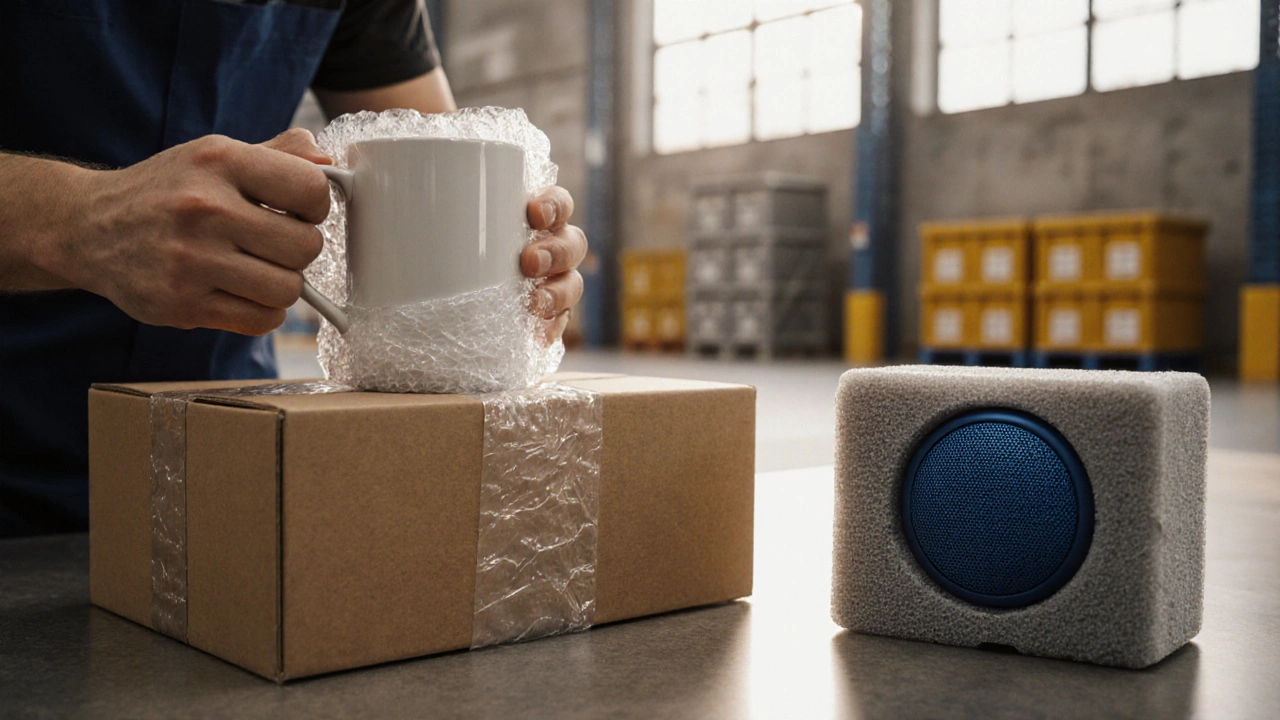
When an order is ready, package it right. Use the smallest box that fits the product, add bubble wrap or paper, and seal securely. Over‑packing wastes space and raises shipping costs, while under‑packing leads to damage and returns.
Now comes the carrier choice. Compare rates for small parcels versus pallets, and look at real‑world cutoff times. For example, UPS and FedEx often have different overnight deadlines, while DHL shines on international routes. Pick the service that matches the delivery promise on your site – “next‑day” needs a carrier that can guarantee that.
Choosing the Right Logistics Partner
Don’t just chase the biggest name. Look for partners that offer tracking, clear insurance options, and flexible billing. A good logistics provider lets you plug in your order‑management software, so every shipment updates automatically.
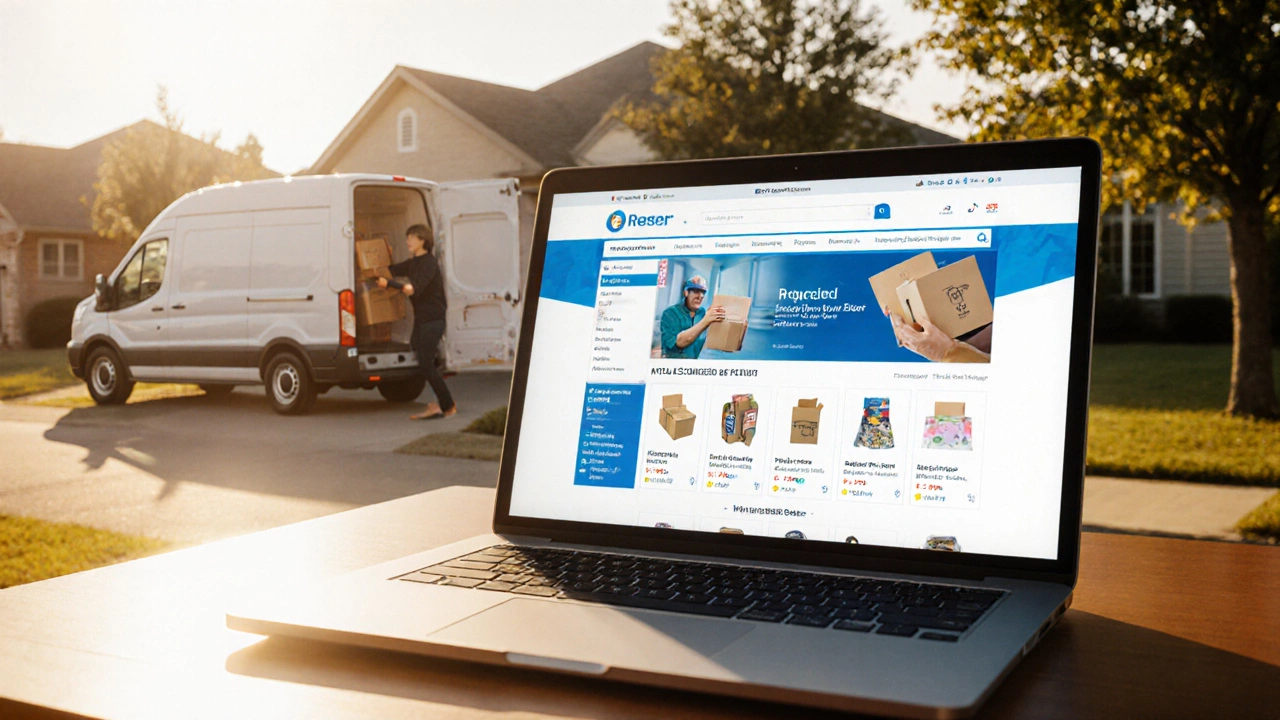
Ask about last‑mile options. Same‑day courier services can boost customer satisfaction in dense urban areas, while standard parcel services work fine for suburbs. Some partners also offer a network of local drop‑off points, which can lower costs for bulky items.
Finally, test the system. Ship a few orders yourself, note how long each step takes, and watch for hiccups like missed cut‑off times or damaged parcels. Use that data to tweak your process – maybe you need a different box size or a new carrier for a specific region.
In short, good e‑commerce logistics is about keeping inventory tidy, using smart software, packaging efficiently, and picking carriers that fit your delivery promises. Follow these steps, watch your shipping costs shrink, and watch customer reviews rise.
September 13, 2026
Evelyn Wescott
0 Comments
Discover what CRM means for e-commerce, why it's vital for retention, and how to choose the right tool. Learn how integrating CRM with logistics boosts efficiency and sales.
August 10, 2026
Evelyn Wescott
0 Comments
Discover how e-commerce transforms supply chains from bulk B2B models to agile B2C networks. Learn about fulfillment, last-mile delivery, and the tech driving modern logistics.
August 3, 2026
Evelyn Wescott
0 Comments
Discover what e-commerce logistics entails, from inventory management to last-mile delivery. Learn how to choose between in-house and 3PL solutions for your online store.
July 12, 2026
Evelyn Wescott
0 Comments
Discover how e-commerce and logistics are inseparable partners. From inventory sync to last-mile delivery, learn why efficient supply chains drive sales, customer trust, and profitability in today's fast-paced online market.
March 15, 2026
Evelyn Wescott
0 Comments
E-commerce logistics is the hidden system that turns online orders into delivered packages. From warehouse picking to last-mile delivery, it's a complex network powered by tech, carriers, and smart software.
January 5, 2026
Evelyn Wescott
0 Comments
Learn the 5 P's of logistics-Product, Place, Package, Payment, and People-and how each one impacts e-commerce delivery success. Practical tips for online sellers to improve fulfillment and customer satisfaction.
December 1, 2025
Evelyn Wescott
0 Comments
Discover the three core activities that power e-commerce logistics: order fulfillment, transportation, and warehouse management. Learn how they work together to deliver fast, accurate shipments and keep customers coming back.
November 8, 2025
Evelyn Wescott
0 Comments
Learn the 4 P's of logistics-Product, Placement, Price, and Promotion-and how they impact your e-commerce success. Real-world tips for small sellers to improve delivery, cut costs, and boost customer trust.
October 30, 2025
Evelyn Wescott
0 Comments
Learn how to start e-commerce from scratch with practical steps on choosing products, setting up your store, handling shipping, and building trust. Avoid common mistakes and focus on logistics that make customers come back.
October 23, 2025
Evelyn Wescott
0 Comments
Explore the real pros and cons of e‑commerce, from higher revenue potential to hidden logistics costs, and learn when online retail truly pays off.
July 30, 2025
Evelyn Wescott
0 Comments
Understand the essential e-commerce logistics processes that make or break fast delivery, seamless returns, and happy online shoppers. Practical, clear, and informative.
July 9, 2025
Evelyn Wescott
0 Comments
Explore how Amazon manages its own logistics. Learn how its delivery network rivals traditional couriers, powers ultra-fast shipping, and changes online retail.