E-Commerce Platform Matcher
Select your top priority to see which major US e-commerce company fits your needs best.
You are scrolling through your phone, looking for the best place to buy a new pair of running shoes. Should you hit Amazon, knowing it will arrive by tomorrow? Or do you check Walmart for lower prices and in-store pickup? Maybe you want a niche brand on Shopify? There is no single "best" e-commerce company in the USA because the answer depends entirely on what you value most: speed, price, variety, or customer service.
The US e-commerce market is massive, projected to exceed $1 trillion in sales this year. But with great choice comes confusion. This guide breaks down the top players based on real-world performance, logistics capabilities, and consumer satisfaction. We aren't just listing names; we are analyzing who actually delivers on their promises.
Key Takeaways
- Amazon remains the king of speed and selection, dominating last-mile delivery networks.
- Walmart wins on price competitiveness and hybrid retail (online + in-store) convenience.
- Target excels in user experience and same-day fulfillment via its store network.
- Shopify isn't a retailer but the engine behind thousands of successful independent brands.
- Etsy is the go-to platform for unique, handmade, and vintage goods where community matters.
Why There Is No Single "Best" Company
When people ask for the best e-commerce company, they often mean different things. Are you a shopper looking for the fastest delivery? A seller looking for the easiest platform to start a business? Or an investor looking at market share?
For shoppers, "best" usually means reliability. You want your package to arrive when promised, undamaged, and without hassle. For sellers, "best" means low fees, good tools, and access to customers. The US market has segmented these roles clearly. Some companies focus purely on selling goods (retailers), while others provide the infrastructure for others to sell (platforms). Understanding this distinction saves you time and money.
Amazon: The Unbeatable Giant of Speed and Scale
Amazon is a multinational technology company focusing on e-commerce, cloud computing, digital streaming, and artificial intelligence. It holds roughly 37% of the US e-commerce market share, making it the undisputed leader in volume. Why does everyone love to hate Amazon but still buy from it? Because the logistics machine is terrifyingly efficient.
If you order before noon, there is a high probability it arrives the next day. If you have Prime, that shipping is free. Amazon built this advantage by owning its delivery network. They don't just rely on UPS or FedEx; they use their own vans, planes, and warehouses. This vertical integration allows them to control costs and speed in ways competitors struggle to match.
However, Amazon isn't perfect. Prices can fluctuate wildly due to dynamic pricing algorithms. Customer service can feel robotic if you need human help. And third-party sellers sometimes offer poor quality items that slip through the cracks. But for pure convenience and breadth of inventory, nothing beats Amazon.
Walmart: The Price Leader with Massive Reach
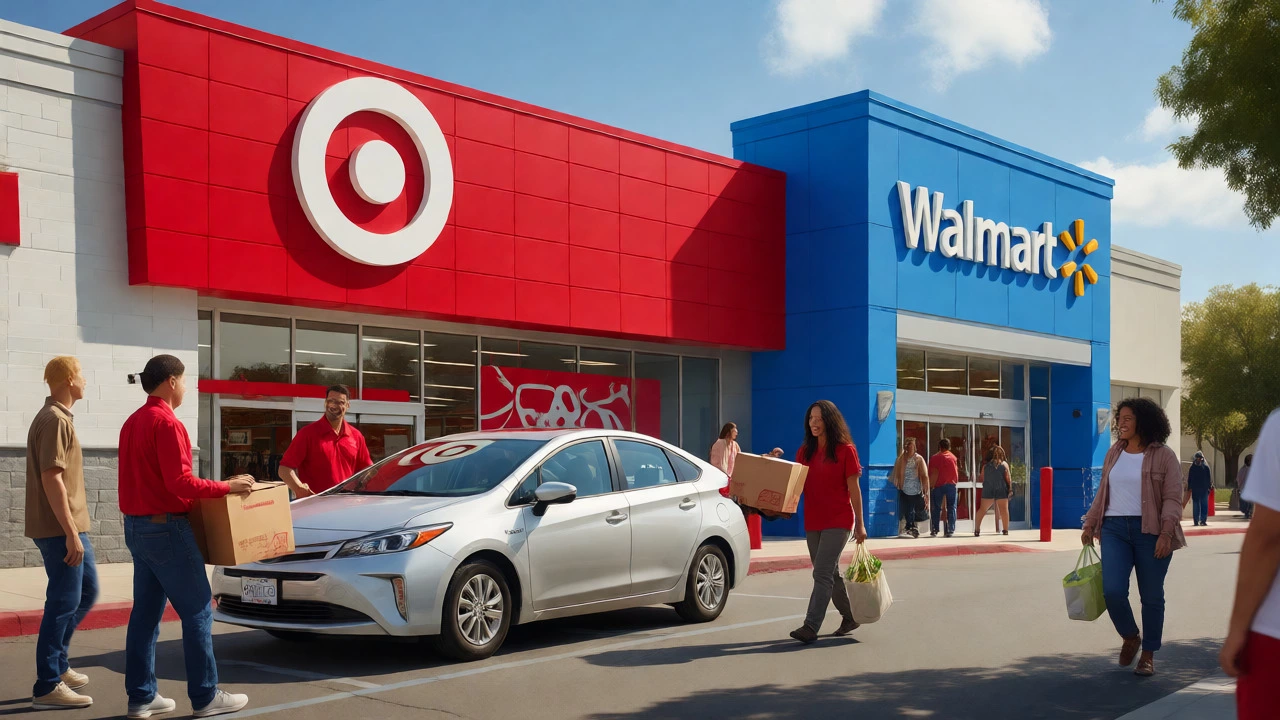
Walmart used to be seen as the underdog trying to catch up to Amazon. Today, it is a formidable competitor. With over 4,600 stores across the US, Walmart uses its physical footprint as a distribution center. This strategy, known as omnichannel retail, allows them to offer services Amazon cannot easily replicate, like curbside pickup within two hours.
Walmart's strength lies in everyday low prices. Their supply chain efficiency keeps margins tight, passing savings to consumers. In recent years, they have aggressively expanded their marketplace to include third-party sellers, increasing product variety beyond groceries and household essentials.
Is Walmart better than Amazon? If you prioritize saving money and want the option to return items in person, yes. If you want rare electronics or niche hobbies, Amazon still wins on selection. Walmart's app has improved significantly, offering seamless integration between online orders and in-store availability checks.
Target: The Experience-Driven Retailer
Target positions itself differently. It doesn't compete on lowest price alone. Instead, it competes on style, ease, and trust. Target's "Order Pickup" and "Drive Up" services are consistently rated among the highest in customer satisfaction surveys.
Target’s logistics network is smaller than Amazon’s but highly optimized for suburban America. Most Americans live within ten miles of a Target store. This proximity enables fast delivery times without the massive overhead of building hundreds of new warehouses. Their private-label brands, like Goodfellow & Co. for clothing or Threshold for home goods, offer high-quality alternatives at competitive prices.
Shoppers often choose Target because the website is clean, navigation is intuitive, and returns are painless. There is less clutter and fewer fake reviews compared to Amazon. For families buying clothes, toys, and basics, Target strikes a balance between quality and cost that few others achieve.
Shopify: The Engine Behind Independent Brands
You might not realize how much of your shopping happens on Shopify-powered sites. When you buy sneakers from a cool startup or skincare from a boutique brand, you are likely using Shopify infrastructure. Shopify is not a retailer; it is a software-as-a-service (SaaS) platform that lets businesses build their own online stores.
Why does this matter for you? Because Shopify empowers small businesses to compete with giants. These stores often offer better customer service, unique products, and faster shipping from specialized warehouses. While Amazon gives you everything, Shopify gives you personality.
For entrepreneurs, Shopify is the default choice. It handles payments, inventory, and shipping labels seamlessly. Its ecosystem includes apps for marketing, analytics, and loyalty programs. If you are tired of generic search results and want to support specific creators, look for Shopify stores. They are harder to find but often more rewarding.
Etsy: The Marketplace for Unique Finds
Etsy carved out a niche that big-box retailers ignore: handmade, vintage, and craft supplies. Launched in 2005, Etsy connects buyers directly with makers. This direct-to-consumer model ensures authenticity and supports small artisans.
The trade-off here is consistency. Since each seller manages their own shipping, delivery times vary. One seller might ship in a day; another might take a week. However, the ability to customize products-like engraving a name on jewelry or choosing fabric for a dress-is unmatched elsewhere.
Etsy’s algorithm prioritizes relevance and personalization. If you search for "custom wedding invitation," you get tailored results rather than a list of generic templates. For gifts, decor, and one-of-a-kind items, Etsy is the superior choice despite slower logistics.

Comparing Top US E-Commerce Platforms
To help you decide which platform fits your needs, here is a breakdown of key attributes for the major players.
| Company | Primary Strength | Delivery Speed | Price Competitiveness | Best For |
|---|---|---|---|---|
| Amazon | Vast Selection & Speed | Same-Day / Next-Day | Medium-High | Everything, especially tech & books |
| Walmart | Low Prices & Store Access | Next-Day / Same-Day Pickup | High | Groceries, household essentials |
| Target | User Experience & Style | Same-Day Pickup | Medium | Clothing, home decor, family goods |
| Shopify | Niche Products & Brand Support | Varies by Seller | Variable | Boutique items, custom goods |
| Etsy | Handmade & Vintage | Varies by Seller | Variable | Gifts, art, personalized items |
Logistics: Who Actually Delivers Your Package?
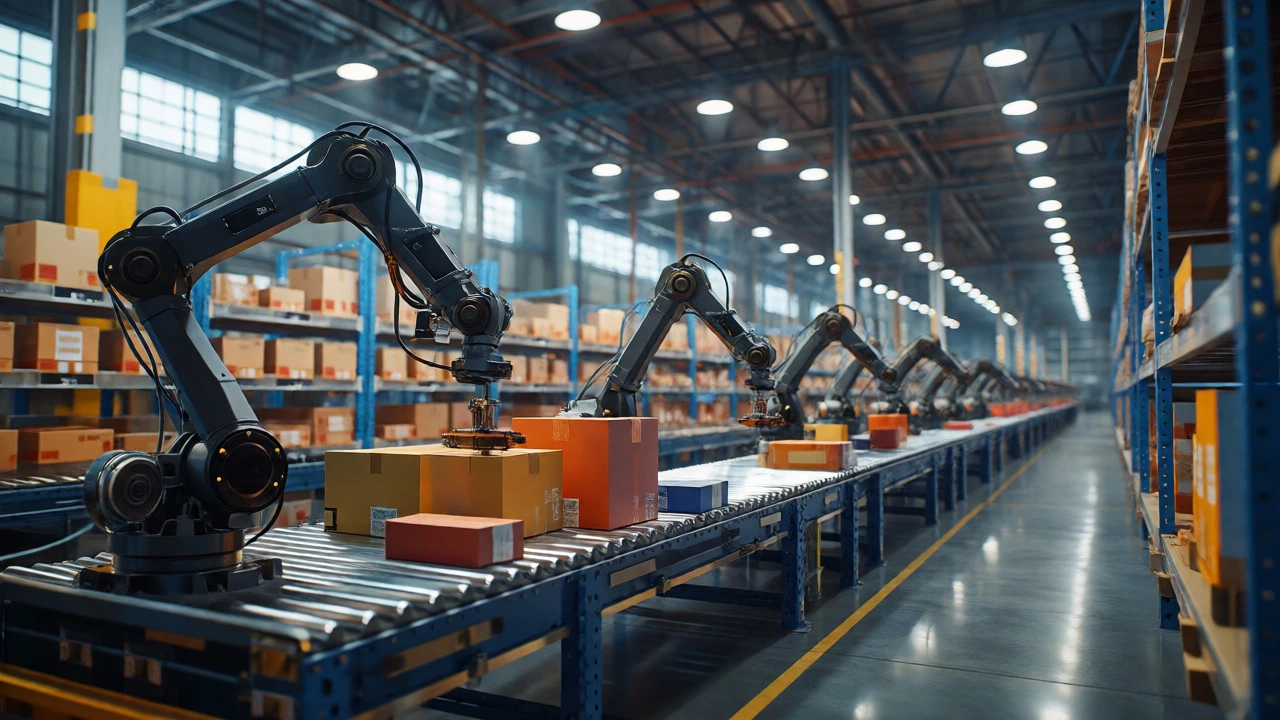
Behind every click is a complex web of logistics. When you buy from Amazon, you benefit from their proprietary fulfillment centers. They use robotics and AI to pick and pack orders rapidly. This reduces errors and speeds up processing.
Walmart leverages its stores as micro-fulfillment centers. Items are picked from shelves and handed to drivers. This hybrid model reduces the distance packages travel, lowering carbon footprints and delivery times.
Smaller Shopify stores often rely on third-party logistics providers (3PLs) like ShipBob or Fulfillment by Amazon (FBA). Using FBA allows small sellers to offer Prime-like shipping, leveling the playing field. This interoperability is crucial for the modern economy. You aren't just buying from a store; you are accessing a network.
How to Choose the Right Platform for You
Selecting the best e-commerce site requires matching your priorities to the platform's strengths. Here is a quick decision framework:
- Need it now? Check Walmart or Target for same-day pickup if available locally. Otherwise, Amazon Prime is your safest bet for next-day delivery.
- On a budget? Compare prices on Walmart first. Use browser extensions to track historical prices on Amazon to avoid overpaying during spikes.
- Looking for something unique? Skip the big boxes. Search Etsy or browse curated Shopify stores found via social media ads.
- Buying bulky items? Consider Home Depot or Lowe's for furniture and appliances. Their white-glove delivery services often beat standard carriers.
Future Trends Shaping US E-Commerce
The landscape is shifting. Artificial intelligence is becoming central to recommendation engines, predicting what you want before you search. Drone delivery pilots continue in select cities, promising sub-hour deliveries for small items. Sustainability is also driving change. Companies are investing in electric delivery vehicles and eco-friendly packaging to meet consumer demand for greener options.
Retail media networks are growing too. Brands pay to advertise directly on shopping platforms, influencing what you see first. Being aware of this helps you shop smarter. Always read reviews from verified purchases, not just sponsored placements.
Which e-commerce company has the best customer service in the USA?
Target and Zappos (owned by Amazon) frequently rank highest for customer service. Target offers easy in-person returns, while Zappos is famous for its 365-day return policy and friendly phone support. Amazon's automated system is efficient for simple issues but can be frustrating for complex problems.
Is Walmart cheaper than Amazon?
Not always. Walmart often has lower base prices on groceries and household staples. Amazon may have lower prices on electronics or bulk items due to competition among third-party sellers. Always compare final checkout prices, including taxes and shipping, before deciding.
Can I return online purchases to physical stores?
Yes, for many retailers. Walmart, Target, Best Buy, and Kohl's allow returns of online orders at any physical location. Amazon partners with Whole Foods, Kohl's, and UPS Stores for drop-offs. This feature makes large retailers more convenient than pure online-only stores.
What is the difference between Amazon and Shopify?
Amazon is a marketplace where multiple sellers list products alongside Amazon's own inventory. Customers buy from Amazon.com. Shopify is a software platform that allows businesses to create their own standalone websites. On Shopify, you buy directly from the brand, not from a central aggregator.
Which platform is best for small business owners?
Shopify is generally considered the best starting point for small businesses due to its ease of use, scalability, and extensive app ecosystem. Amazon is better for established sellers seeking maximum exposure, though fees and competition are higher.