E-commerce CRM ROI & Strategy Estimator
Enter your current store metrics to estimate the financial impact of implementing a robust CRM system and receive tailored software recommendations.
Store Metrics
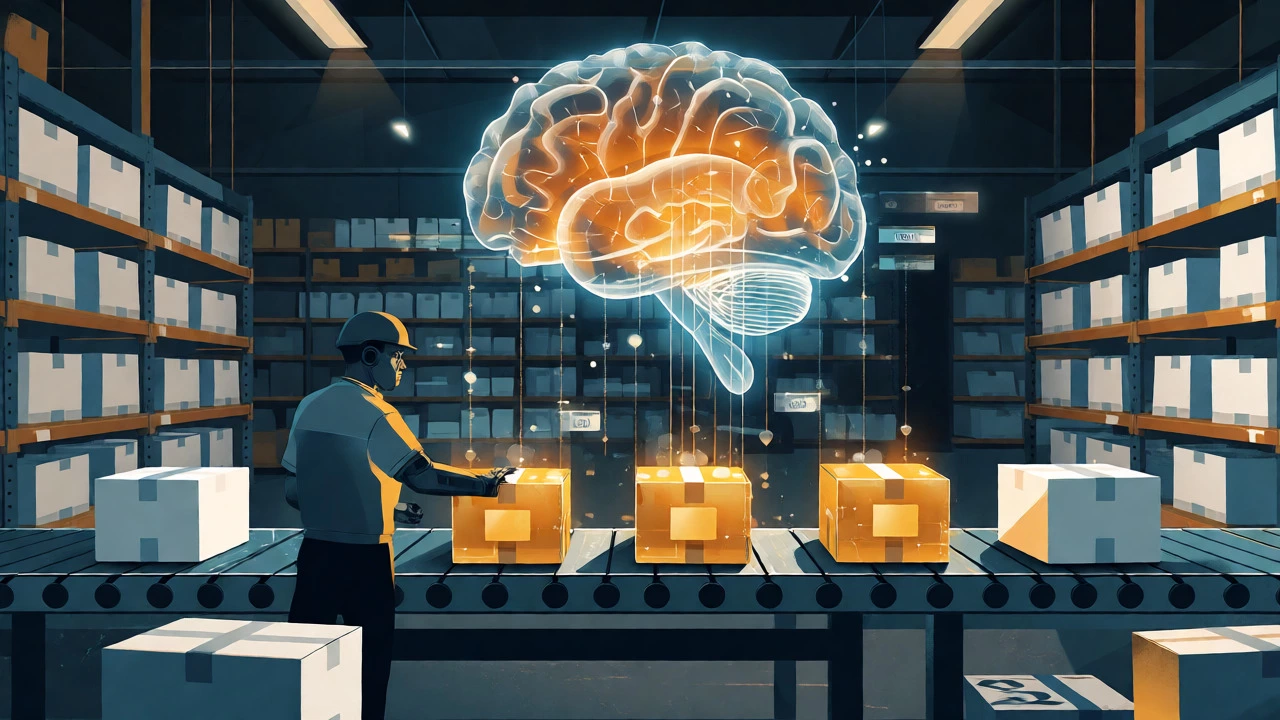
You’ve got the traffic. You’ve got the clicks. But are you actually building a business, or just renting customers from Facebook and Google every single month? If your data lives in ten different spreadsheets and your support team has no idea who bought what last Tuesday, you’re leaving money on the table. This is where Customer Relationship Management (CRM) comes in. It’s not just software; it’s the brain of your e-commerce operation. In this guide, we’ll cut through the jargon to show you exactly what CRM does, why it matters more than ever in 2026, and how to pick the right one without breaking the bank.
The Real Definition: Beyond Contact Lists
Let’s clear up a common misconception. Many people think a CRM is just a fancy address book. That’s like calling a smartphone a "phone." Sure, technically true, but it misses the point entirely. A CRM system is a centralized database that tracks every interaction between your brand and its customers, from the first ad click to the final return shipment. It connects the dots between marketing, sales, and-crucially for us here-logistics.
Think about your last online purchase. Did the company know you were a repeat buyer? Did they offer you free shipping because you’d been browsing high-value items? If yes, their CRM was working. If you felt like a stranger despite having bought three times, their CRM was either non-existent or poorly implemented. In e-commerce, a CRM isn’t optional anymore; it’s the difference between surviving price wars and building a loyal community.
Why E-commerce Needs CRM More Than Brick-and-Mortar
In a physical store, a shopkeeper sees your face, remembers your name, and notices if you look upset. Online, you’re an anonymous string of characters until you create an account. Without a CRM, you have no memory. You can’t tell if the person buying a $50 t-shirt today is the same person who spent $500 on shoes last year. This lack of context kills personalization.
Personalization drives revenue. According to recent retail data, personalized recommendations account for up to 35% of Amazon’s total sales. They don’t guess what you want; they know, because their CRM analyzes your history. For smaller e-commerce brands, replicating even a fraction of this intelligence requires a robust CRM. It allows you to segment users based on behavior, not just demographics. Are they price-sensitive? Do they buy frequently? Do they abandon carts often? These questions drive your strategy, and only a CRM can answer them at scale.
The Hidden Link Between CRM and Logistics
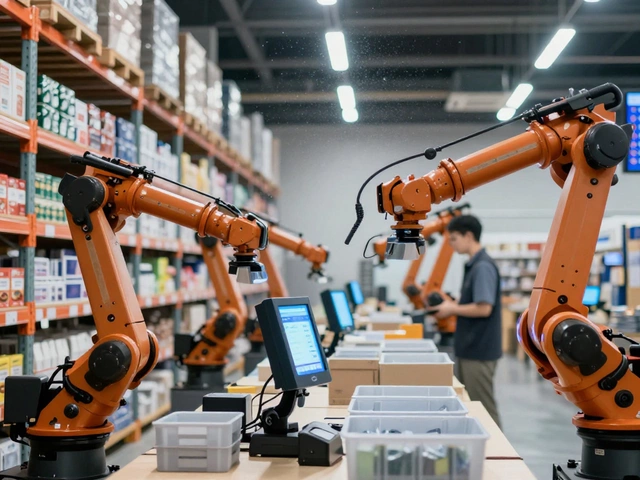
This is where things get interesting for those of us focused on supply chain efficiency. Most articles stop at "send better emails," but the real magic happens when your CRM talks to your fulfillment center. Logistics integration with your CRM transforms delivery from a cost center into a loyalty builder.
Here’s how it works in practice:
- Predictive Shipping: Your CRM identifies high-value customers who tend to churn if deliveries are late. You flag these orders for priority handling in your warehouse management system (WMS).
- Smart Returns Processing: When a customer initiates a return, the CRM checks their lifetime value. A VIP might get an instant refund and a prepaid label automatically, while a first-time buyer might need a manual review. This saves labor costs and keeps top clients happy.
- Inventory Awareness: If a product is backordered, your CRM can trigger a proactive email *before* the customer complains. Better yet, it can suggest alternative products based on past purchases, turning a potential negative experience into a cross-sell opportunity.
Without this link, your logistics team operates blind. They pack boxes based on order date, not customer value. With it, you prioritize resources where they generate the highest return on investment.
Key Features That Actually Move the Needle
Not all CRMs are created equal. Some are bloated enterprise monsters designed for B2B sales teams with twelve approval layers. Others are lightweight tools perfect for solo entrepreneurs. Here’s what you actually need in 2026:
| Feature | Why It Matters | Real-World Impact |
|---|---|---|
| Automated Segmentation | Splits customers by behavior (e.g., cart abandoners, VIPs). | Increases email open rates by targeting relevant offers rather than blasting everyone. |
| Omnichannel Support | Aggregates messages from chat, email, social media, and SMS. | Reduces response time by keeping all threads in one view. |
| Lifecycle Automation | Triggers actions based on user status (new, active, dormant). | Reactivates lapsed customers with timely win-back campaigns. |
| Integration API | Connects seamlessly with Shopify, WooCommerce, Magento, etc. | Ensures real-time data sync, preventing overselling and outdated info. |
| Analytics Dashboard | Visualizes customer acquisition cost (CAC) vs. lifetime value (LTV). | Helps decide whether to spend more on ads or improve retention. |
Notice I didn’t mention "lead scoring" as a primary feature. While useful for B2B, in e-commerce, behavioral triggers are far more valuable. Knowing someone clicked a specific product page five times is more actionable than knowing they downloaded a whitepaper.
Choosing the Right Tool: HubSpot vs. Klaviyo vs. Salesforce
Let’s compare the big players, because choosing wrong here is expensive. Switching CRMs later means migrating thousands of records, which is a nightmare.
HubSpot is a comprehensive platform offering free CRM tools with scalable marketing and service hubs. It’s great if you want everything under one roof and plan to expand into content marketing heavily. The free tier is generous, making it ideal for startups. However, advanced automation features get pricey quickly.
Klaviyo is an e-commerce-focused platform built primarily around email and SMS marketing with strong CRM capabilities. If your main channel is email, Klaviyo is hard to beat. Its segmentation logic is specifically tuned for retail metrics like average order value and repeat purchase rate. It integrates natively with Shopify, meaning zero coding required for most setups.
Salesforce is the enterprise standard for complex B2B and large-scale B2C operations requiring deep customization. Unless you’re doing over $10 million in annual revenue or have a complex multi-brand structure, Salesforce is likely overkill. The implementation costs alone can dwarf your software subscription fees.
Implementation Pitfalls to Avoid
Buying the software is easy. Using it well is hard. Here are the mistakes I see repeatedly in Auckland-based e-commerce businesses trying to upgrade their tech stack.
- Data Silos: You buy a CRM but keep using a separate spreadsheet for inventory updates. Result? Your CRM thinks a customer is interested in stock X, but your warehouse sold out two days ago. Always ensure real-time syncing between your CRM, POS, and WMS.
- Over-Automation: Setting up too many automated emails annoys customers. If someone buys a pair of boots, don’t send them three "thank you" emails and two upsell offers within 24 hours. Map out the customer journey first, then automate sparingly.
- Ignoring Mobile Users: Over 70% of e-commerce traffic comes from mobile devices. Ensure your CRM forms and landing pages are optimized for mobile input. Long sign-up forms kill conversion rates faster than slow loading speeds.
The Future: AI and Predictive CRM
We’re already seeing AI embedded in modern CRMs. By 2026, this isn’t a buzzword; it’s a baseline expectation. Tools now predict churn before it happens. For example, if a customer’s login frequency drops by 50% over two months, the CRM flags them as "at-risk" and suggests a discount code. It also predicts next purchase timing. If you sell skincare, and your CRM knows you use a bottle every 30 days, it sends a reminder on day 28. This level of precision reduces marketing waste significantly.
Furthermore, generative AI helps draft personalized responses. Instead of generic templates, your support team uses AI-assisted replies that reference previous chats and purchase history, sounding human but acting fast. This blends efficiency with empathy-a rare combination in digital retail.
Do small e-commerce businesses really need a CRM?
Yes, especially once you exceed 100 orders per month. At that volume, manual tracking becomes error-prone and time-consuming. A basic CRM automates follow-ups and organizes customer data, freeing you up to focus on sourcing products and growing traffic. Even free tiers of platforms like HubSpot or Zoho offer significant advantages over spreadsheets.
How does CRM help with customer retention?
CRM systems track purchase history and engagement levels, allowing you to identify at-risk customers before they leave. You can set up automated workflows to send re-engagement emails, special offers, or loyalty rewards based on specific behaviors, such as not purchasing for 90 days. This proactive approach is far more effective than reactive measures after a customer has already stopped buying.
Can CRM integrate with my existing shipping providers?
Most modern CRMs offer APIs or pre-built connectors for major shipping carriers and logistics platforms. This integration allows you to pull tracking information directly into the customer profile, enabling proactive notifications about delays or successful deliveries. It also helps in analyzing shipping-related complaints to improve carrier selection.
What is the difference between CRM and ERP?
CRM (Customer Relationship Management) focuses on front-office activities like sales, marketing, and customer service. ERP (Enterprise Resource Planning) manages back-office functions like finance, procurement, and manufacturing. In e-commerce, they work together: CRM handles the customer interface, while ERP ensures the product is sourced, stored, and shipped efficiently. Small businesses often start with CRM and add ERP capabilities as they scale.
Is cloud-based CRM better than on-premise?
For almost all e-commerce businesses, cloud-based CRM is superior. It offers lower upfront costs, automatic updates, remote access, and easier scalability. On-premise solutions require dedicated IT staff for maintenance and security, which is rarely cost-effective for online retailers unless they have extremely strict data sovereignty requirements or massive custom development needs.
Next Steps for Your Store
If you’re currently managing customer data manually, start small. Pick one key metric-like repeat purchase rate-and set up a simple workflow to improve it. Maybe it’s sending a thank-you note with a discount code seven days after delivery. Measure the results. Once you see the lift, expand your CRM usage to include abandoned cart recovery and post-purchase reviews.
Remember, technology serves strategy, not the other way around. Don’t let feature lists distract you from the core goal: understanding your customers so well that selling to them feels effortless. In the competitive landscape of 2026, that understanding is your biggest competitive advantage.