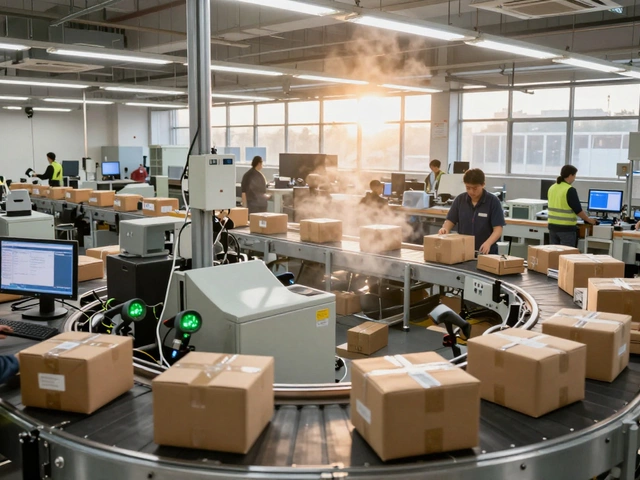
Warehouse Solutions: Real Tips to Boost Your Operations
Ever wondered why some warehouses run like a smooth train while others feel stuck in traffic? The difference is often a mix of the right tools, smart layout, and a clear process. Below you’ll find easy‑to‑apply ideas that help you move from chaos to control.
Pick the Right Management System
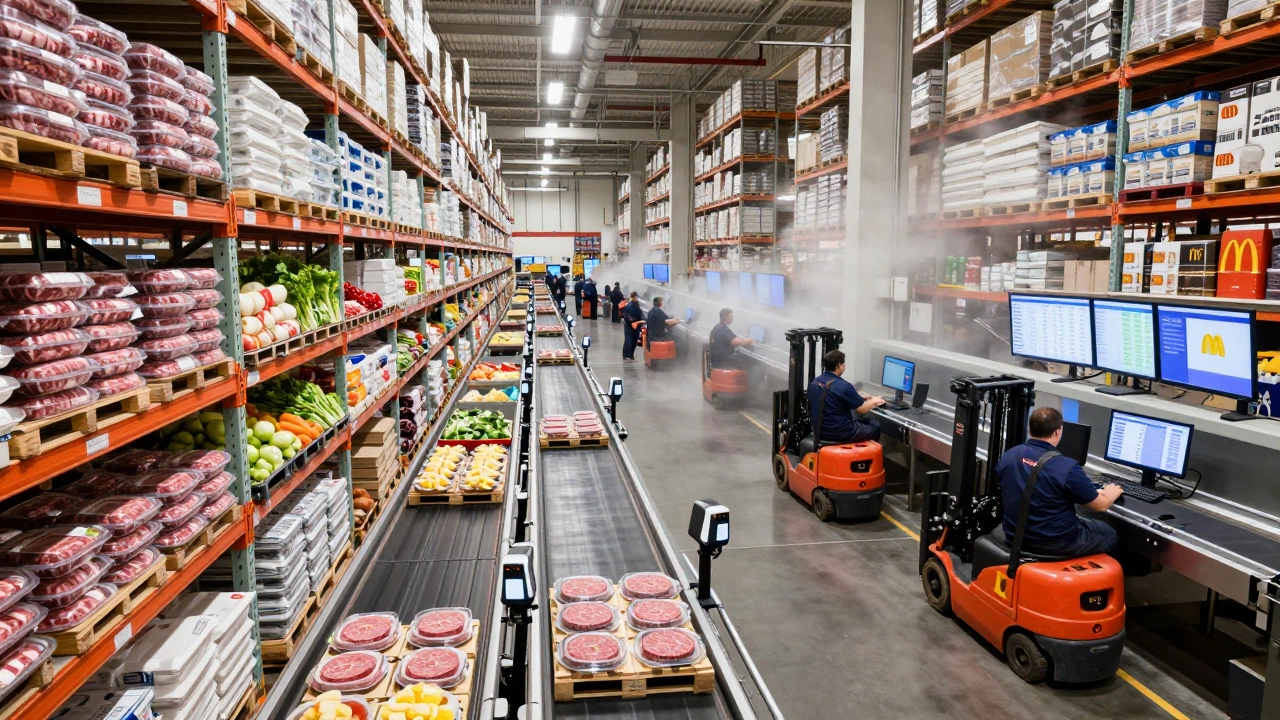
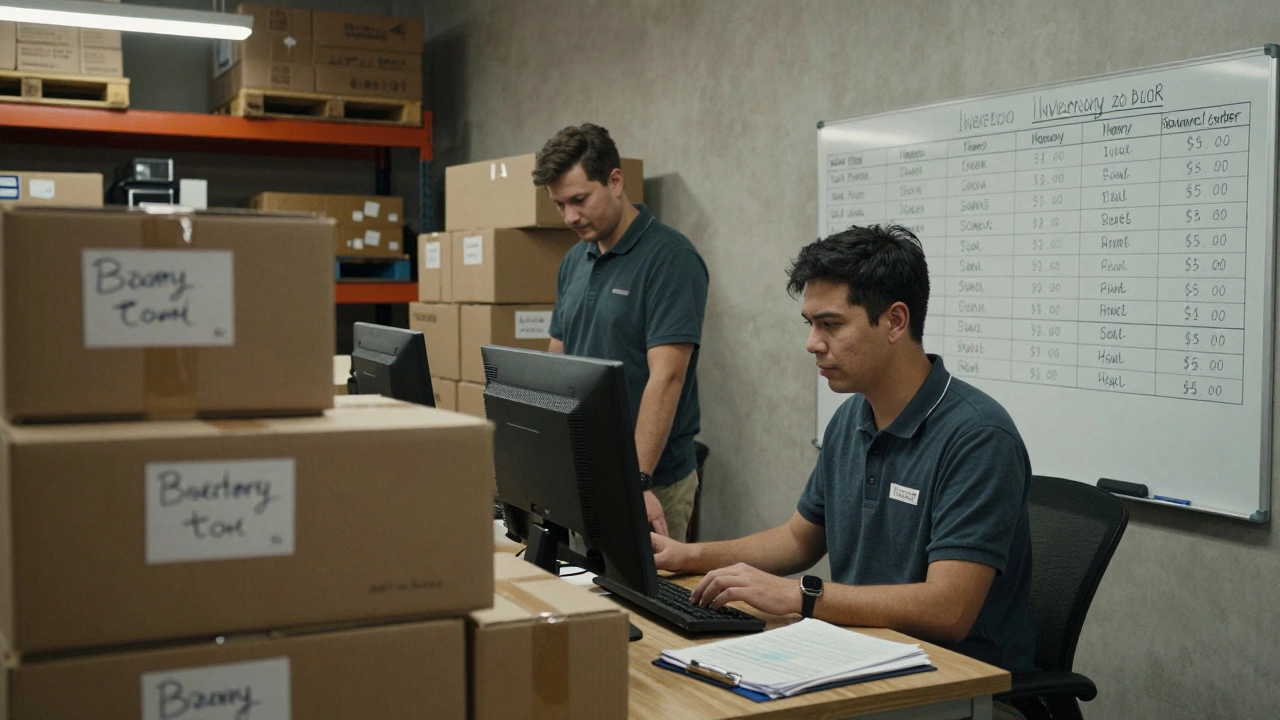
A Warehouse Management System (WMS) is the backbone of modern storage. It tracks every pallet, tells pickers where to go, and flags low stock before it becomes a problem. If you’re just starting, look for a cloud‑based WMS that offers real‑time data, barcode scanning, and simple reporting. For larger operations, a Tier‑1 WMS adds advanced analytics and multi‑site support.
When evaluating options, ask yourself:
- Does it integrate with my current ERP?
- Can I add modules as my business grows?
- Is the user interface easy for staff to learn?
Answering these questions saves time and money later.
Optimize Space and Flow
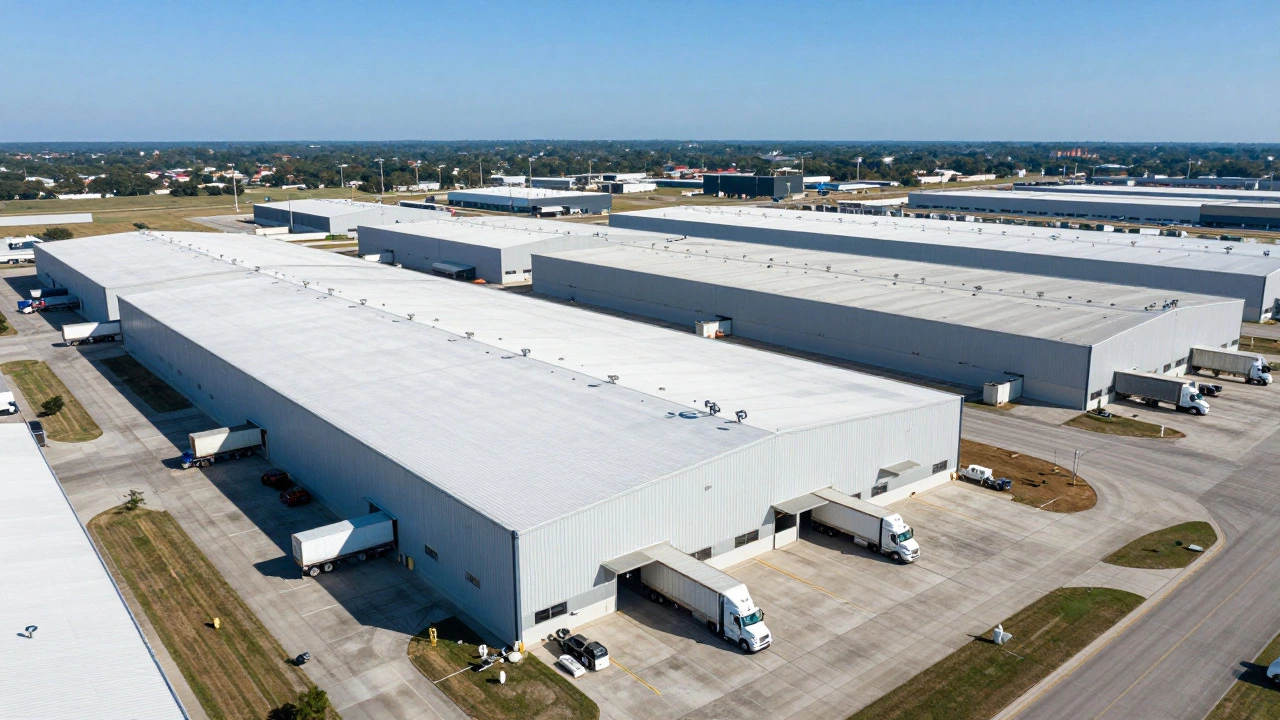
Space is money. Start by mapping your floor plan on graph paper or using a free online tool. Identify high‑traffic lanes, buffer zones, and dead‑ends. Keep fast‑moving items near the loading dock, and store slow‑turn stock in higher racks. Simple changes like adjusting pallet heights or adding a few narrow aisles can free up 10‑15% more space.
Don’t forget safety. Clear markings, proper lighting, and organized aisles reduce accidents and keep workers productive. A tidy warehouse also makes the WMS data more reliable because everything is where the system says it is.
Finally, consider technology upgrades that fit your budget. Barcode scanners, mobile pick devices, and basic robotics can cut picking time by half. Even a small investment in IoT sensors for temperature‑sensitive goods helps you avoid spoilage.
Putting these steps together creates a warehouse that runs smoother, costs less, and scales with demand. Start with one change—like a simple WMS trial—or rearrange a single aisle, then watch the improvement ripple through the whole operation.
Need more ideas? Browse our articles on specific topics such as “Types of Warehouse Management Systems,” “Modern Technologies in Warehousing,” and “Average Warehouse Rent in the US” to dive deeper into each area.
Your warehouse doesn’t have to be a guessing game. With the right system, smart layout, and a touch of tech, you can make every square foot work harder for you.
July 30, 2026
Evelyn Wescott
0 Comments
Discover what systems power modern warehouses. We explain Warehouse Management Systems (WMS), their core functions, cloud vs. on-premise options, and how automation integrates in 2026.
July 23, 2026
Evelyn Wescott
0 Comments
Discover the essential software powering modern warehouses, from WMS and WCS to TMS and ERP. Learn how these tools integrate to optimize inventory, automate picking, and streamline shipping.
July 19, 2026
Evelyn Wescott
0 Comments
Discover which US cities lead in warehouse density and logistics growth. From Chicago's rail dominance to Dallas's new builds, learn how geography shapes supply chain strategy.
June 22, 2026
Evelyn Wescott
0 Comments
Discover what a warehouse solution really means for your business. From WMS technology to fulfillment types, learn how to choose the right storage strategy for growth.
June 7, 2026
Evelyn Wescott
0 Comments
Discover the true cost of building an Amazon warehouse, from land acquisition to advanced robotics. Learn how much these logistics giants invest in infrastructure.
May 14, 2026
Evelyn Wescott
0 Comments
Discover what warehouse software is really called. Learn the key differences between WMS, ERP, TMS, and OMS systems to choose the right logistics tool for your business.
May 3, 2026
Evelyn Wescott
0 Comments
Discover if SAP truly excels at warehouse management. We compare SAP EWM vs traditional WMS, breaking down costs, features, and who should really buy it.
March 30, 2026
Evelyn Wescott
0 Comments
Understand whether SAP functions as an Enterprise Resource Planning system or a Warehouse Management System. Learn the key differences, integration points, and how to choose the right setup for your supply chain needs.
February 19, 2026
Evelyn Wescott
0 Comments
McDonald's doesn't own warehouses but depends on a global network of distribution centers to supply food, packaging, and equipment to its 40,000+ restaurants. Here's how their supply chain keeps meals consistent and fast.
January 12, 2026
Evelyn Wescott
0 Comments
Learn the four main types of warehouse management systems (WMS)-standalone, ERP-integrated, supply chain-connected, and cloud-based-and which one fits your operation best in 2026.
December 28, 2025
Evelyn Wescott
0 Comments
Learn how to choose a warehouse management system that cuts errors, saves time, and scales with your business. Avoid common mistakes and find the right fit for your operation in 2025.
December 18, 2025
Evelyn Wescott
0 Comments
Amazon is the world's largest warehouse company, operating over 1,100 fulfillment centers with 200 million square feet of space. Its integrated logistics system sets the global standard for speed and scale.