Logistics Strategy Evaluator
Identify the "leakage" in your current operation. Select the challenges you are facing to receive a recommended logistics platform strategy.
Key Takeaways
- It is a B2B-focused ecosystem, not just the standard tracking page used by retail customers.
- Focuses heavily on 3PL (Third-Party Logistics) and global trade compliance.
- Integrates physical shipping with digital visibility and customs brokerage.
- Aims to reduce "dead time" in supply chains through predictive data.
Moving Beyond Simple Shipping
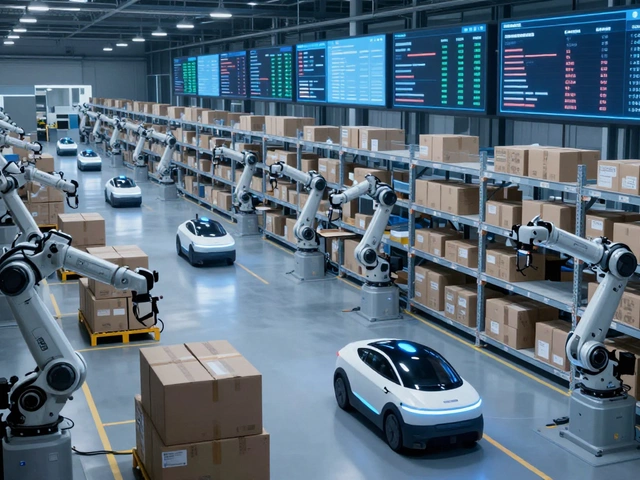
Most people think of FedEx as the guy in the white truck leaving a package on their porch. But the logistics platform is a different beast entirely. While the consumer side is about the FedEx Logistics platform's ability to move a parcel from A to B, the platform side is about managing the entire lifecycle of a product. This includes sourcing, warehousing, customs clearance, and distribution.
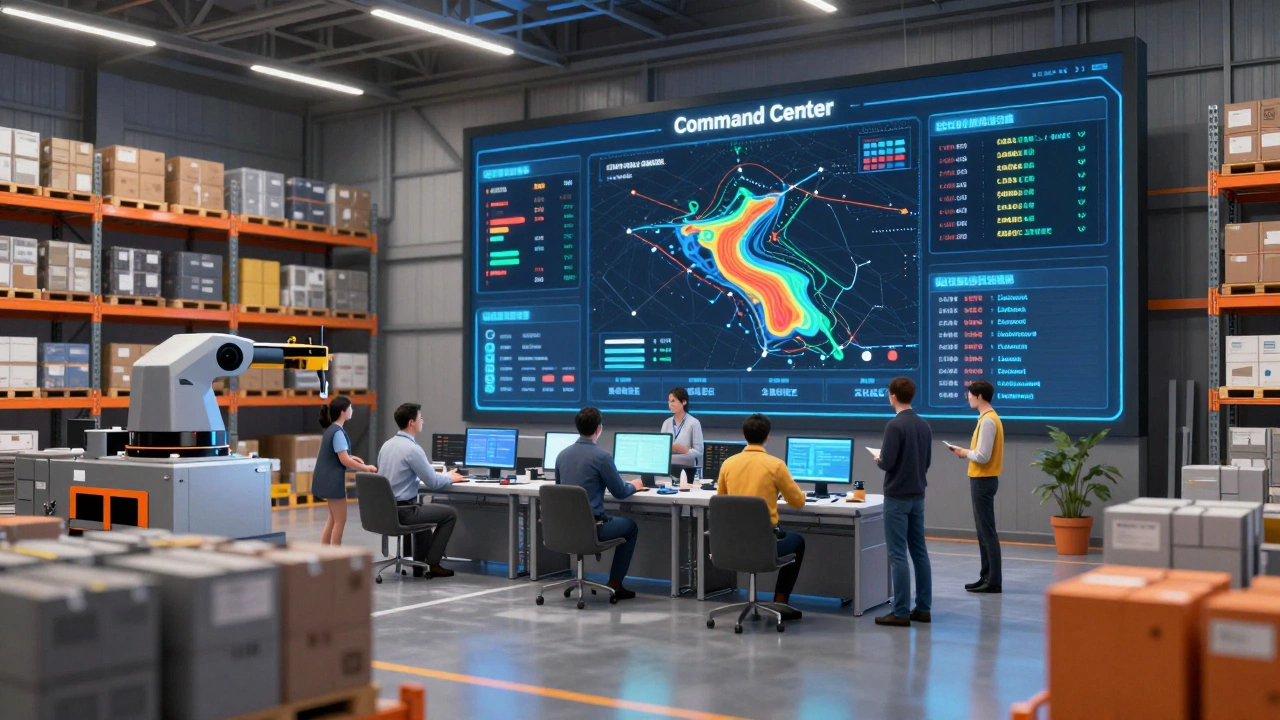
Think of it as a command center. Instead of calling five different agents to find out where a container is, a business owner logs into a dashboard. Here, they can see if their goods are sitting in a warehouse in Singapore or if they've cleared customs in Long Beach. It removes the guesswork and replaces it with real-time data. By utilizing Cloud Computing architecture, the platform ensures that a manager in London and a warehouse lead in Tokyo are looking at the same data at the same time.
The Core Components: How It Actually Works
To understand the platform, you have to look at the specific tools it provides. It isn't just one piece of software, but a suite of integrated services. One of the heaviest hitters here is FedEx Trade Networks, which is the specialized arm of FedEx that handles the legal and regulatory complexities of moving goods across international borders. This isn't just about filling out forms; it's about ensuring that a shipment of lithium batteries doesn't get seized because of a missing hazardous materials declaration.
Then there is the 3PL (Third-Party Logistics) element. For many businesses, owning a warehouse is too expensive. The platform allows companies to outsource their storage and fulfillment. FedEx doesn't just store the items; they use the software to optimize where the inventory is placed based on where the demand is highest. If a specific toy is selling like crazy in California, the system flags that the stock should be moved closer to the West Coast to cut down on shipping times and costs.
| Feature | Standard Shipping | Logistics Platform |
|---|---|---|
| Primary Goal | Package delivery | Supply chain optimization |
| Customs Handling | Basic documentation | Full brokerage & compliance |
| Inventory Control | None (Sender manages) | Integrated Warehouse Management |
| Visibility | Package tracking number | End-to-end shipment telemetry |
| Scaling | Pay-per-shipment | Strategic partnership/Contract |
Solving the Customs Nightmare
If you've ever had a shipment held at the border for three weeks, you know the pain of international trade. This is where the platform provides the most value. International shipping involves a chaotic mix of tariffs, taxes, and regional laws. The platform uses automated Trade Compliance tools to pre-screen shipments.
Instead of hoping the paperwork is correct, the system validates the Harmonized System (HS) codes-the international nomenclature for classifying traded products. For instance, a "plastic toy car" has a different code than a "die-cast metal model." Getting this wrong can lead to massive fines or delayed shipments. The platform automates this classification, ensuring the correct duties are paid and the goods move through customs without a human even needing to touch the file in many cases.
Warehouse Management and Distribution
A huge part of the platform's power lies in Warehouse Management Systems (WMS). In a traditional setup, you might know you have 1,000 units of a product, but you don't know exactly which shelf they are on or how long they've been there. The FedEx platform integrates the digital record with the physical location.
Imagine a company selling high-end skincare. These products have expiration dates. The platform employs a "First-Expired, First-Out" (FEFO) logic. The software automatically tells the warehouse picker to grab the batch that expires in six months rather than the one that expires in a year. This prevents waste and ensures customers get fresh products. This level of granular control is what separates a simple courier from a true logistics partner.
Integrating with Your Own Tech Stack
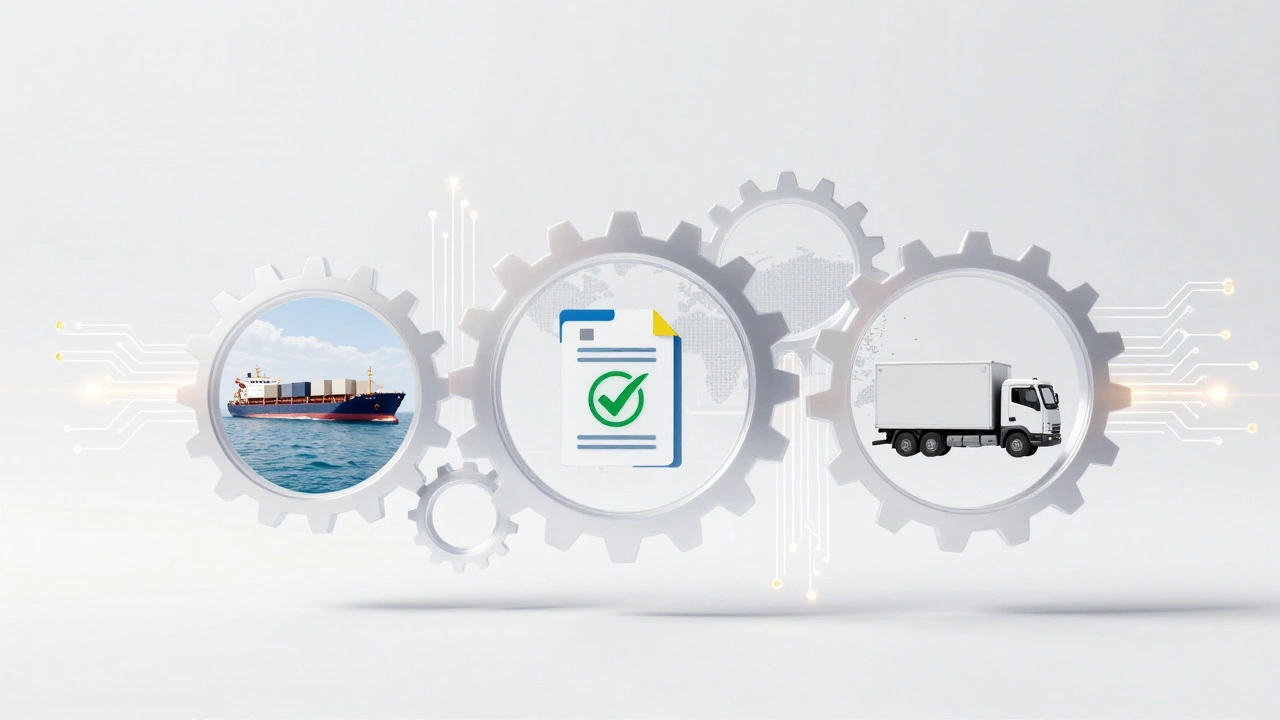
No business wants to log into ten different portals. The real magic happens when the FedEx platform talks to your other software. Most modern businesses use Enterprise Resource Planning (ERP) software like SAP or Oracle to manage their finances and orders. The FedEx platform connects to these via Application Programming Interfaces (APIs), which are sets of rules that allow two different software programs to communicate with each other automatically.
When a customer buys a product on your Shopify store, the order goes to your ERP, which then pings the FedEx Logistics platform. The platform automatically schedules the pickup, alerts the warehouse, and generates the customs paperwork-all without a human clicking a single button. This automation reduces errors and lets your team focus on growing the business rather than chasing tracking numbers.
The Shift Toward Predictive Logistics
The latest evolution of the platform is the move toward predictive analytics. Instead of just telling you where your shipment *is*, the platform uses historical data and AI to tell you where it *should* be and what might go wrong. For example, if there is a forecasted typhoon in the South China Sea, the system can suggest rerouting shipments to a different port before the storm even hits.
This is a shift from reactive logistics (fixing problems) to proactive logistics (avoiding problems). By analyzing millions of data points across their global network, FedEx can identify bottlenecks in real-time. If a specific port in Europe is experiencing a labor strike, the platform can automatically trigger an alert to divert cargo to a nearby alternative, saving companies thousands of dollars in potential downtime.
Is the FedEx Logistics platform the same as the tracking page?
No. The tracking page is a public-facing tool for checking the status of a single package. The logistics platform is a B2B suite of tools for supply chain management, including 3PL services, customs brokerage, and inventory control.
Do I need to be a large corporation to use these services?
Not necessarily. While many features are built for enterprises, mid-sized businesses that scale internationally often use these tools to avoid the cost of building their own warehouses or hiring a full-time customs compliance team.
How does the platform help with customs?
It uses a combination of automated HS code classification, digital document submission, and a network of licensed customs brokers to ensure goods meet the legal requirements of the destination country, reducing delays and fines.
What is 3PL in the context of FedEx?
3PL stands for Third-Party Logistics. In the FedEx platform, this means they handle the storage, picking, packing, and shipping of your goods in their own warehouses, so you don't have to manage the physical facility yourself.
Can it integrate with Shopify or Amazon?
Yes, typically through APIs or middleware. The platform is designed to connect with major e-commerce platforms and ERP systems to automate the flow of order data from the point of sale to the shipping dock.
Next Steps for Business Owners
If you're currently managing your shipping via a spreadsheet and a few emails, the first step is to audit your "leakage." Look at where you're losing money-is it customs fines? Is it slow warehouse turnaround? Is it the cost of storing inventory in the wrong city? Once you identify these gaps, you can decide which part of the platform you need most. Some businesses start only with the customs brokerage (Trade Networks) and gradually add 3PL warehousing as they grow. The goal isn't to use every feature, but to use the ones that turn your shipping from a cost center into a competitive edge.

Evelyn Wescott
I am a professional consultant with extensive expertise in the services industry, specializing in logistics and delivery. My passion lies in optimizing operations and ensuring seamless customer experiences. When I'm not consulting, I enjoy sharing insights and writing about the evolving landscape of logistics. It's rewarding to help businesses improve efficiency and connectivity in their supply chains.
Related Posts

Is Logistics a Stressful Industry? Real Talk on Work, Pressure, and Survival
April 22, 2025Popular Posts