Courier Business Startup Cost Estimator
Configure Your Setup
Estimated Costs
One-Time Startup
Includes vehicle down payment/purchase, hardware, and initial stock.
First Month Recurring
Insurance, software subscriptions, and fuel estimates.
Total First-Month Investment
Starting a courier business is a logistics venture focused on the rapid transport of documents and small packages between specific locations. It requires more than just a car and a phone. You need a reliable setup that handles the physical stress of daily deliveries while keeping your operations organized and profitable.
Many new owners underestimate the gear needed to scale efficiently. They start with bare minimums and end up wasting hours on manual tracking or damaging goods due to poor packaging. The right equipment isn't just about looking professional; it's about protecting your assets, speeding up your routes, and ensuring you get paid accurately.
The Vehicle: Your Primary Asset
Your vehicle is the heart of the operation. Choosing the right one depends entirely on what you are carrying. If you are handling standard envelopes and small parcels, a fuel-efficient hatchback or sedan works fine. However, if you plan to take on heavier items like electronics or medical supplies, you need something with more space and durability.
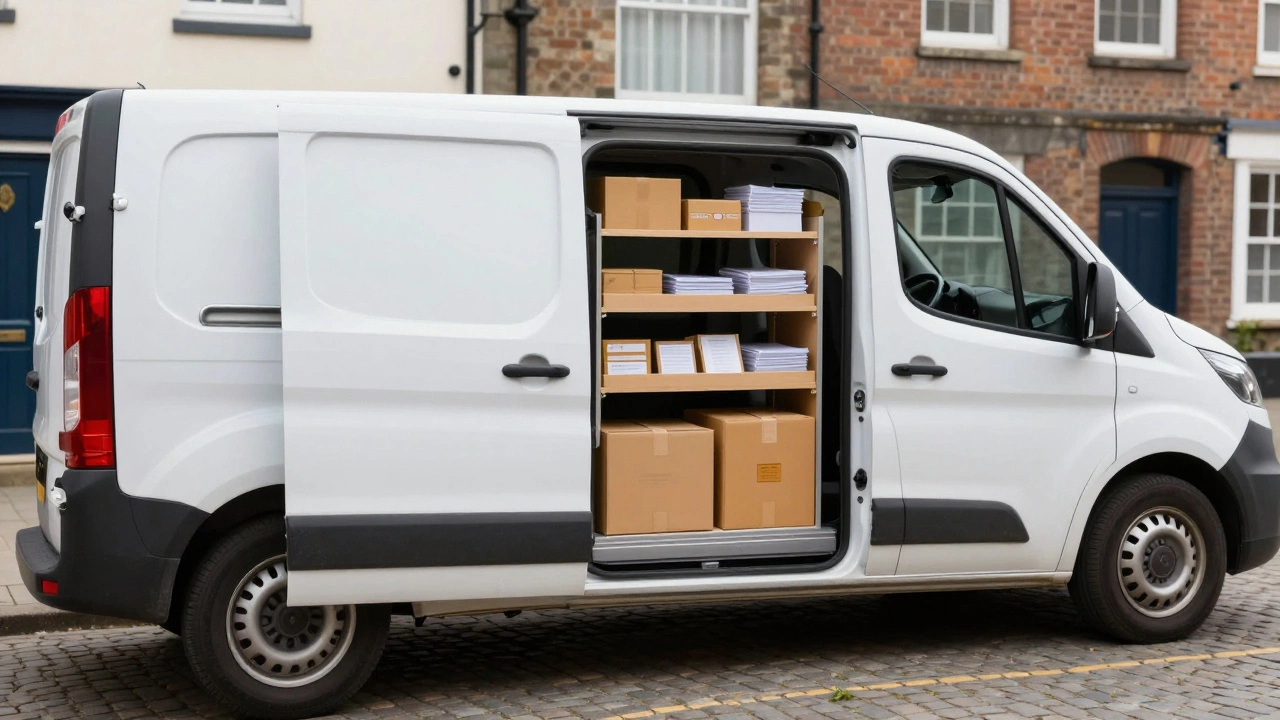
For most startups, a compact van is the sweet spot. It offers weather protection for goods and enough room for multiple stops without being too large to park in urban areas. When selecting a vehicle, prioritize reliability over brand prestige. A used but well-maintained delivery van is a commercial vehicle designed for transporting goods, typically featuring rear sliding doors and reinforced suspension. can save you thousands compared to leasing a shiny new model.
- Fuel Efficiency: Look for vehicles with high MPG (miles per gallon) or consider electric vehicles (EVs) if charging infrastructure is available in your service area. EVs have lower running costs but higher upfront prices.
- Durability: Check the history of mechanical issues. Frequent breakdowns mean missed deliveries and unhappy clients.
- Storage Space: Ensure there is enough cubic footage for your average daily volume. Add shelving or dividers to keep packages from shifting during transit.
Technology Stack: Software and Hardware
You cannot run a modern courier service with just paper maps and a notebook. Technology reduces errors, saves time, and provides proof of delivery. The core of your tech stack should be route optimization software.
Route optimization software is digital tools that calculate the most efficient path for multiple delivery stops, saving time and fuel. These platforms analyze traffic patterns, delivery windows, and package priorities to create the best possible route. Without this, you might drive back and forth across town unnecessarily, burning fuel and losing money.
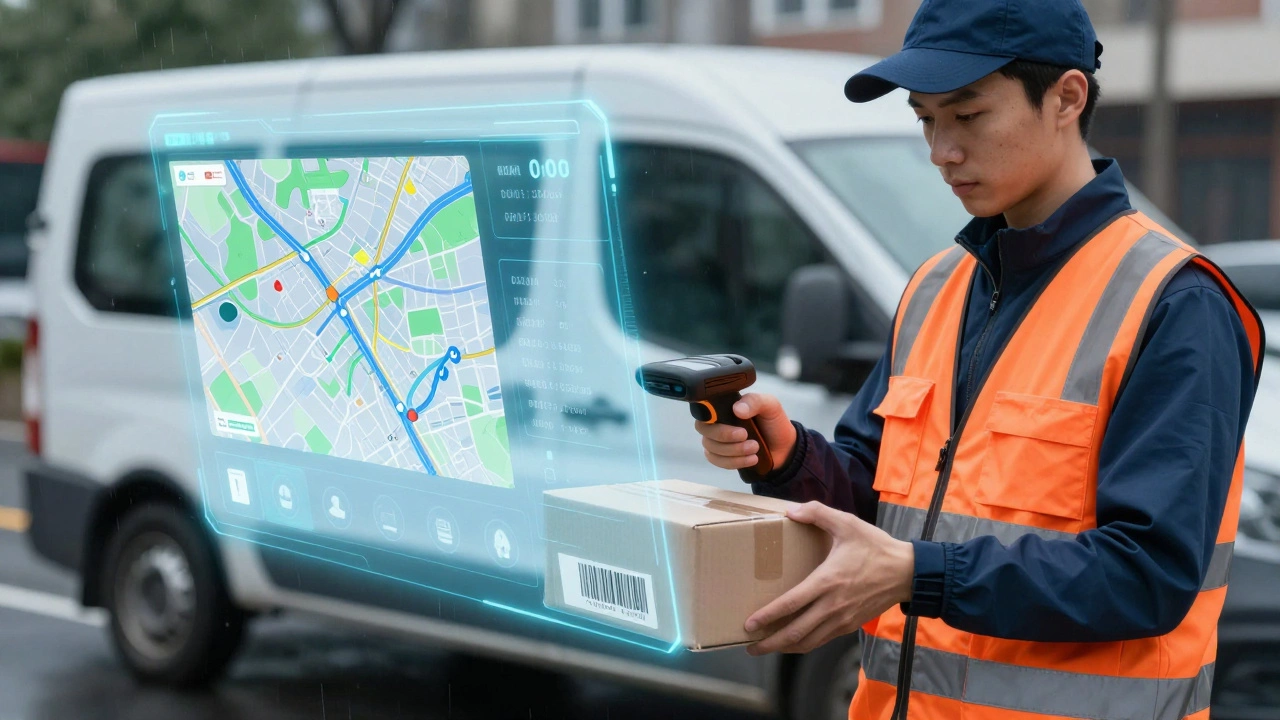
In addition to software, you need hardware to capture data on the go. A ruggedized smartphone or a dedicated handheld scanner is essential. These devices allow drivers to scan barcodes upon pickup and delivery, updating the customer’s status in real-time.
| Feature | Smartphone App | Dedicated Scanner |
|---|---|---|
| Cost | Low ($50-$100/month) | High ($300-$600 per unit) |
| Durability | Low (fragile screens) | High (drop-proof, water-resistant) |
| Scanning Speed | Moderate | Very Fast |
| Ease of Use | High (familiar interface) | Medium (requires training) |
Packaging and Handling Supplies
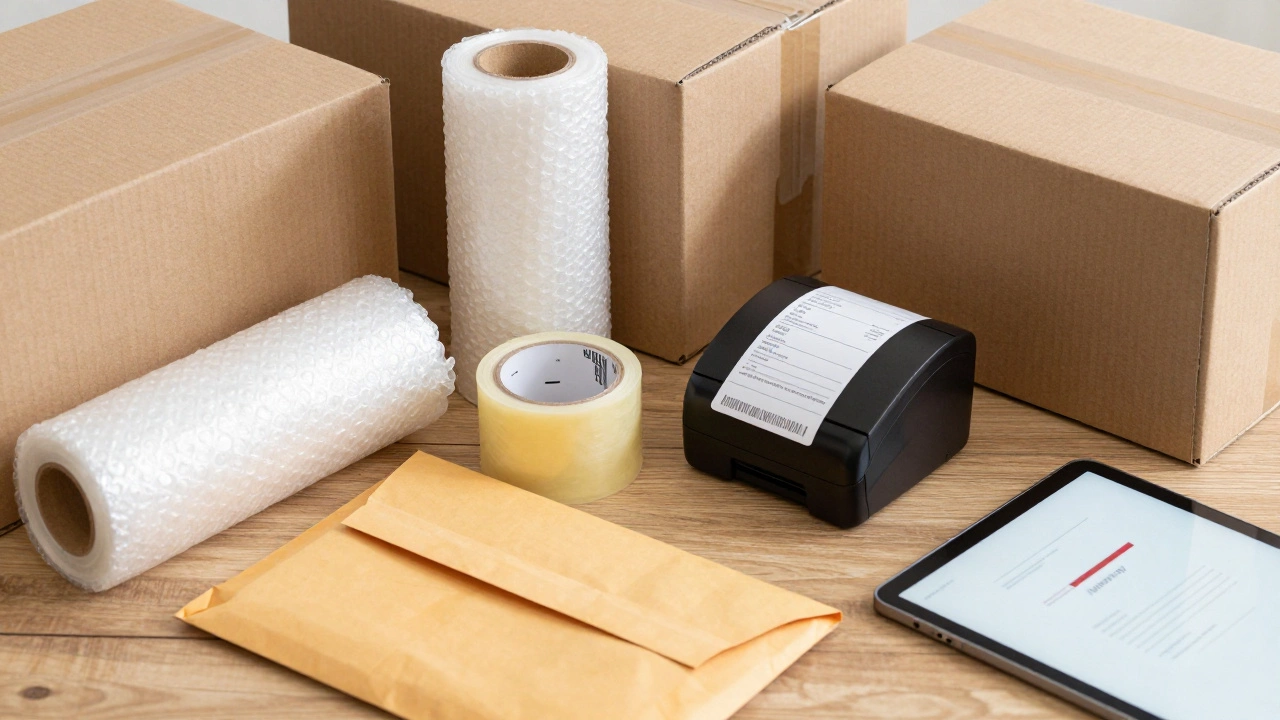
Damaged goods lead to claims, refunds, and lost customers. Investing in quality packaging materials is non-negotiable. You need a variety of box sizes, bubble wrap, packing tape, and void fillers. Keep these supplies stocked in your vehicle so you can repack items on-site if necessary.
For fragile items, use cushioning materials that absorb shock. For documents, use waterproof envelopes to protect against rain or spills. Having a standardized set of packaging options ensures consistency and professionalism. It also speeds up the loading process because you know exactly where everything is stored in your van.
Safety and Security Gear
Couriers often work alone and handle valuable items. Safety equipment protects both you and your cargo. High-visibility vests are mandatory in many regions when walking near traffic. Reflective strips on your vehicle improve visibility at night.
Security cameras inside and outside your vehicle provide evidence in case of theft or accidents. Dashcams are particularly useful for documenting road incidents. Additionally, consider installing a GPS tracker on your vehicle. This helps monitor location in real-time and can assist in recovery if the vehicle is stolen.
Financial and Administrative Tools
Running a business involves more than driving. You need tools to manage invoices, expenses, and taxes. Accounting software automates billing and tracks income versus expenses. This makes tax season less painful and helps you understand your profitability.
A portable printer allows you to print labels and receipts on the spot. This is crucial for last-minute orders or when internet connectivity is poor. Digital signatures captured via tablet or phone serve as legal proof of delivery, reducing disputes over whether an item was received.
Insurance and Legal Compliance
While not physical equipment, insurance is a critical component of your operational toolkit. Standard auto insurance often excludes commercial use. You need commercial auto insurance to cover accidents involving your delivery vehicle. Cargo insurance covers the value of the items you are transporting.
Liability insurance protects you if a customer claims their item was damaged or lost. Without proper coverage, one major claim could bankrupt your new business. Always check local regulations regarding permits and licenses required to operate a courier service in your area.
Scaling Your Equipment Strategy
As your business grows, your equipment needs will change. Initially, you might handle everything yourself. But as you hire drivers, you need uniform branding. Branded shirts and hats build trust and make your team easily identifiable.
You may also need a central dispatch system to coordinate multiple drivers. This software assigns jobs based on location and availability, optimizing resource utilization. Regular maintenance schedules for vehicles and technology upgrades ensure long-term efficiency.
What is the most important piece of equipment for a courier?
The most critical asset is your vehicle. It must be reliable, fuel-efficient, and suitable for the type of goods you carry. Without a dependable vehicle, you cannot fulfill deliveries consistently.
Do I need specialized software to start?
Yes, route optimization and delivery management software are essential. They help you plan efficient routes, track packages, and communicate with customers, which improves service quality and reduces operational costs.
How much should I spend on startup equipment?
Initial costs vary widely depending on whether you buy or lease a vehicle. Expect to spend between $5,000 and $15,000 for a used van, plus $500-$1,000 for technology, packaging, and insurance premiums.
Is cargo insurance necessary?
Absolutely. Cargo insurance protects you financially if goods are damaged, lost, or stolen during transit. Many clients will require proof of insurance before hiring your services.
Can I use my personal car for deliveries?
You can, but you must update your insurance policy to cover commercial use. Personal auto policies typically exclude business activities, leaving you liable for any accidents or damages incurred while working.