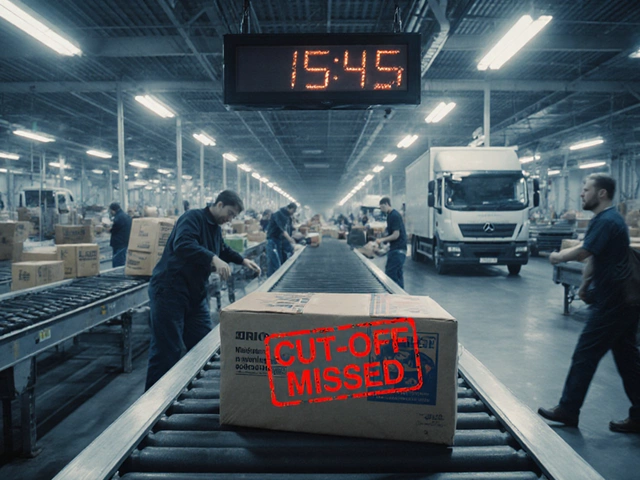
Career Fit: Are You Built for Freight Forwarding?
Freight forwarding is a high-adrenaline role that requires a specific blend of technical precision and mental resilience. Answer these 6 questions to see if you would thrive in this chaos or find it overwhelming.
How do you typically react when a plan changes suddenly at the last minute?
Your Career Compatibility Result
The Real Sources of Stress in Freight Forwarding
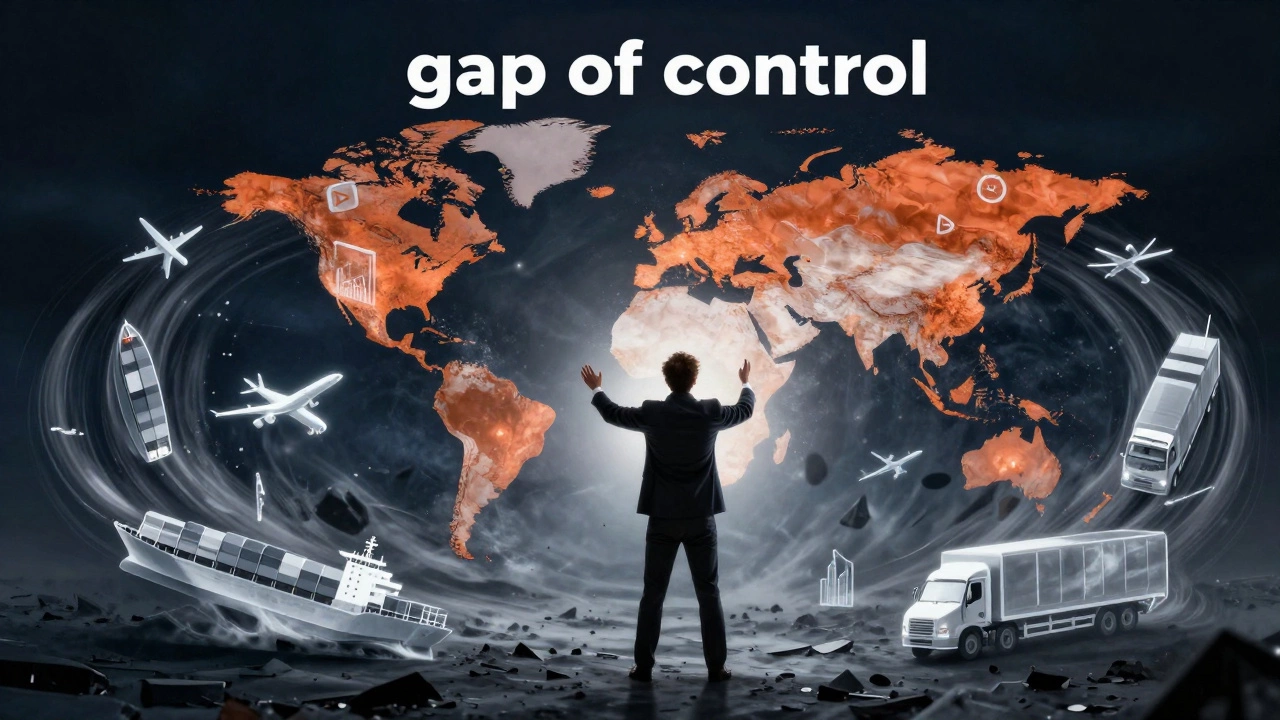
Most of the pressure doesn't actually come from the paperwork; it comes from the fact that you are managing a chain of events where you control almost nothing. You don't own the ships, you don't drive the trucks, and you certainly don't control the weather or geopolitical tensions. When a Suez Canal blockage happens or a port strike hits the coast, you're the one who has to tell a frustrated business owner why their inventory isn't arriving.The mental load is heavy because you're essentially a professional firefighter. You spend your day reacting to anomalies. One minute you're coordinating a standard FCL (Full Container Load) shipment, and the next, you're scrambling to find a last-minute air charter because a client's production line is about to shut down. This constant state of "alert" can lead to burnout if you don't have a way to switch off when you leave the office.
Who Actually Thrives in This Chaos?
Strange as it sounds, some people love this stress. If you're the kind of person who gets a kick out of solving a puzzle under a tight deadline, this career is a goldmine. The satisfaction comes from the "save." There is a genuine dopamine hit when you find a creative routing solution that saves a client five days of transit time and $2,000 in fees.To survive and thrive, you need a specific personality type. You have to be comfortable with ambiguity and have a thick skin. You'll deal with angry warehouse managers and stressed-out importers. If you can separate your personal value from the chaos of the supply chain, the job becomes a game of strategy rather than a source of anxiety. Those who succeed usually treat the stress as a challenge to be managed rather than a burden to be carried.
| Feature | Freight Forwarding Role | Standard Admin Role |
|---|---|---|
| Predictability | Low - Every day is different | High - Set routines |
| Pace | Rapid/Reactive | Steady/Proactive |
| Problem Solving | Critical & Constant | Occasional & Structured |
| Client Interaction | High Pressure/Urgent | Scheduled/Routine |
The Technical Side: Where the Friction Happens
Stress often peaks around the details. A single wrong digit on a Bill of Lading-which is the legal contract between the shipper and the carrier-can lead to customs seizures or massive fines. You're operating in a world of strict regulations and varying international laws.You have to master Incoterms (International Commercial Terms), which define who is responsible for the cargo at every stage of the journey. If you misinterpret whether a shipment is EXW (Ex Works) or DDP (Delivered Duty Paid), you might find your company paying for thousands of dollars in shipping costs that should have been the buyer's responsibility. This technical precision, combined with time pressure, is where most of the operational stress lives.
Navigating the Career Path and Compensation
Does the stress pay off? In many cases, yes. Because the barrier to entry for *skilled* forwarding is high, experienced operators are in demand. Entry-level roles might start with modest salaries, but as you build a book of business or master specialized niches-like cold-chain logistics for vaccines or oversized project cargo for mining-your earning potential jumps.Many forwarders move into Supply Chain Management or start their own boutique agencies. The expertise you gain in managing global trade, currency fluctuations, and customs law is highly transferable. You aren't just moving boxes; you're learning how the global economy actually functions on a physical level. That knowledge is a powerful asset in any business environment.

Practical Tips to Manage the Stress
If you're already in the industry or about to start, you need a toolkit to prevent the job from consuming your life. First, automate whatever you can. Using a modern TMS (Transportation Management System) reduces the manual data entry that leads to those costly typos.Second, build a diverse network of carriers. If you only have one contact at a trucking company and they go silent, you're stuck. Having a "bench" of reliable partners across different modes of transport-sea, air, rail, and road-gives you options when the primary plan fails. Options are the only real cure for stress in logistics.
- Set boundaries: If you're not on call, turn off the notifications. The world won't stop spinning if a shipment is delayed by two hours.
- Double-check the basics: Spend an extra five minutes verifying the weights and dimensions. It saves five hours of arguing with a carrier later.
- Over-communicate: Clients are usually less stressed if they know there's a problem before they discover it themselves.
Is It Right For You?
At the end of the day, freight forwarding career prospects depend on your appetite for risk and movement. If you want a 9-to-5 where you know exactly what your day looks like at breakfast, stay far away from this industry. You will be miserable.But if you find a weird kind of peace in the middle of a storm, and you enjoy the feeling of being the only person who knows how to get a 10-ton machine from Munich to Auckland in record time, you'll find it incredibly rewarding. The stress is real, but so is the pride of keeping the world's shelves stocked despite everything that tries to stop it.
What is the hardest part of a freight forwarder's job?
The hardest part is managing the "gap of control." You are responsible for the delivery, but you rely on third-party carriers, port authorities, and customs agents to execute. When one of these links breaks, you have to solve the problem without having direct authority over the people involved.
Do freight forwarders work long hours?
It varies by company, but because shipping is global, you're often dealing with different time zones. You might find yourself answering emails from China at 8 PM or taking a call from the US at 6 AM. While many firms have shifted to structured shifts, the nature of "emergencies" often extends the workday.
What skills are most important to reduce stress in this role?
Organization and attention to detail are paramount. The ability to multitask under pressure without losing track of small details (like a container number or a port code) is what separates a stressed forwarder from a successful one. Proficiency in logistics software also significantly reduces manual errors.
Is freight forwarding a good entry-level career?
Yes, it's an excellent way to learn the inner workings of global trade. It exposes you to finance, law, geography, and operations all at once. If you can handle the initial steep learning curve and the fast pace, it opens doors to high-level supply chain roles.
How does the salary compare to the stress level?
Starting salaries are typically mid-range for administrative roles. However, because it is a high-pressure environment, experienced forwarders who can manage complex accounts often earn significantly more through commissions, bonuses, or senior management roles in logistics.