Logistics Cost & Profit Impact Calculator
Annual Logistics Breakdown
Cost Composition
| Cost Category | Annual Amount | % of Total |
|---|---|---|
| Shipping & Last-Mile Delivery | $0 | 0% |
| Warehousing & Fulfillment | $0 | 0% |
| Returns Processing | $0 | 0% |
| Damage & Exceptions | $0 | 0% |
| Total Logistics Cost | $0 | 100% |
Potential Savings with 3PL
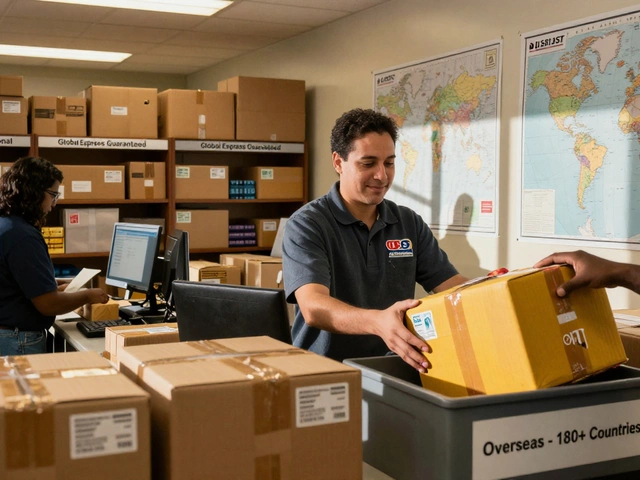
Ever clicked "buy now" and wondered how the package actually lands on your doorstep three days later? It’s not magic. It’s logistics in commerce. While many people think logistics is just about trucks and warehouses, it’s really the invisible engine that keeps modern business running. Without it, your online store would be a shelf of empty promises. In this guide, we’ll break down what logistics actually means for businesses today, why it matters more than ever, and how you can get it right without breaking the bank.
The Core Definition: More Than Just Moving Boxes
At its simplest, Logistics in Commerce is the strategic management of the flow of goods, information, and resources from point of origin to point of consumption. But that textbook definition doesn’t tell you much. Think of it as the nervous system of your business. It connects your suppliers, your warehouse, your customers, and your data. If one part fails, the whole body feels it.
In the context of e-commerce, logistics splits into two main buckets: inbound and outbound. Inbound logistics is everything that happens before the customer sees the product. It’s sourcing raw materials, managing supplier relationships, and getting stock into your warehouse. Outbound logistics is everything after the order is placed. It’s picking the item, packing it, handing it to a carrier, and tracking it until it’s delivered. Both sides need to talk to each other constantly. If inbound is slow, outbound runs dry. If outbound is chaotic, customers complain. The goal is balance.
Why Logistics Decides Your Profit Margins
Here’s a hard truth: logistics costs are often the second biggest expense for any retail or e-commerce business, right after cost of goods sold. Yet, it’s also the area where you have the most control over efficiency. Poor logistics eats your margins alive. High shipping rates, excessive returns, damaged goods, and late deliveries all chip away at your profit. Good logistics does the opposite. It reduces waste, speeds up cash flow, and improves customer satisfaction.
Consider the concept of Inventory Control is the process of managing stock levels to ensure products are available when needed without tying up too much capital. Too much stock means money sitting idle in a warehouse. Too little stock means lost sales because you’re out of items. Modern logistics uses data analytics to predict demand accurately. This allows businesses to hold just enough inventory to meet demand, freeing up cash for marketing or product development. It’s a delicate dance, but getting it right can improve your net profit margin by several percentage points.
The Four Pillars of Effective Commercial Logistics
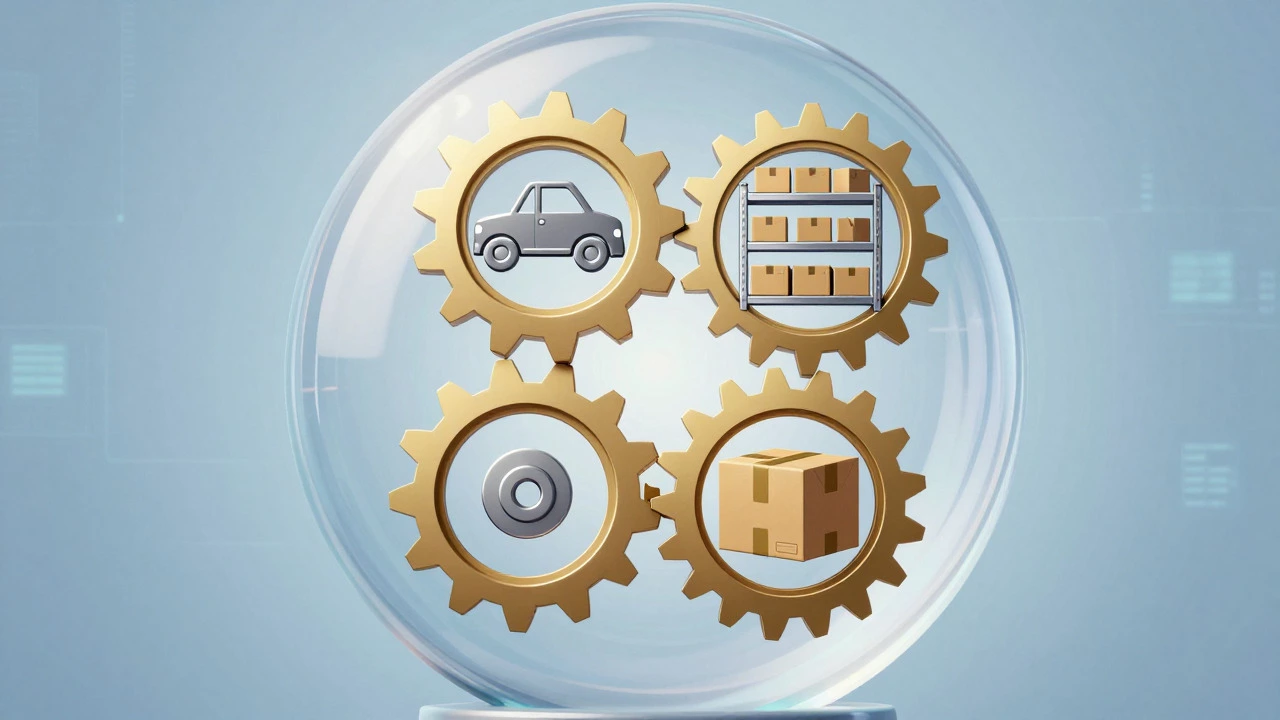
To understand how logistics works in practice, you need to look at its four main components. These aren’t separate silos; they work together like gears in a machine.
- Transportation: This is the physical movement of goods. It includes choosing the right mode (air, sea, road, rail) and the right carrier. For e-commerce, this often means partnering with multiple carriers to offer different speed and price options.
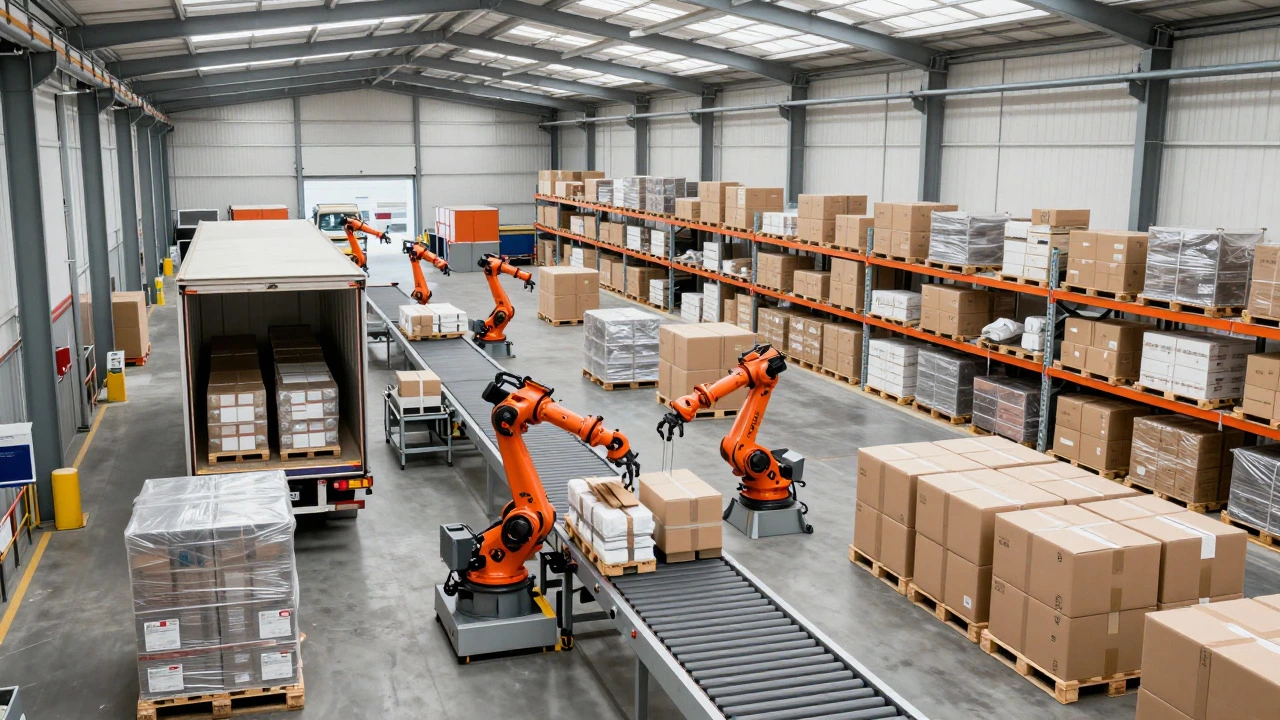
- Warehousing: This is where goods are stored. It’s not just about renting space; it’s about optimizing layout, using automation like conveyor belts or robotic pickers, and implementing efficient storage systems.
- Inventory Management: As mentioned, this is the brain of the operation. It tracks every unit in real-time, ensuring accuracy between what you think you have and what you actually have.
- Order Fulfillment: This is the final step before handoff. It involves receiving the order, picking the items, packing them securely, and generating labels. Speed and accuracy here directly impact the customer experience.
When these four pillars are aligned, you create a seamless flow. When one lags behind, bottlenecks form. For example, if your warehouse is disorganized, your pickers take longer to find items, which delays shipping, which leads to unhappy customers.
E-Commerce Logistics: The Unique Challenges
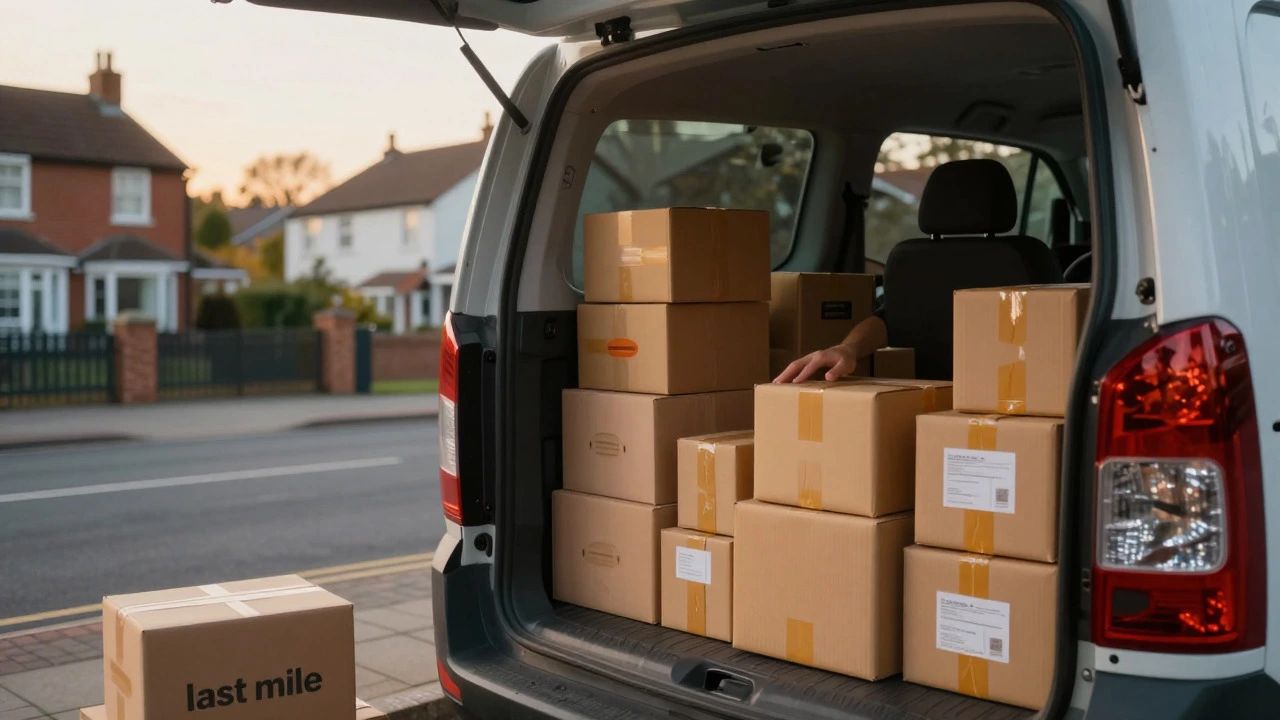
If you sell online, your logistics game has specific hurdles that brick-and-mortar stores don’t face. The biggest one is Last Mile Delivery is the final stage of the delivery process where the product travels from a distribution center to the end customer's door. It’s notoriously the most expensive and complex part of the supply chain. Why? Because instead of delivering one pallet to one location, you’re delivering hundreds of individual packages to hundreds of different addresses in a single day.
This fragmentation drives up costs. To combat this, many e-commerce brands use third-party logistics (3PL) providers. A 3PL is a company that handles some or all of your logistics operations. They have the volume to negotiate better rates with carriers and the technology to manage complex routing. Using a 3PL allows you to scale without building your own massive infrastructure. You pay for service, not assets. This model has become the standard for growing online retailers because it offers flexibility and expertise.
Technology: The Game Changer
You can’t do modern logistics without technology. The days of spreadsheets and clipboards are gone. Today, Logistics Software is a suite of digital tools including Warehouse Management Systems (WMS), Transportation Management Systems (TMS), and Enterprise Resource Planning (ERP) platforms. These systems integrate with your e-commerce platform, so when a customer places an order, the software automatically updates inventory, generates a pick list, and creates a shipping label.
One key technology to watch is route optimization software. This uses algorithms to calculate the most efficient path for delivery drivers, considering traffic, weather, and stop density. Even small improvements in routing can save thousands of dollars in fuel and labor annually. Additionally, real-time tracking gives customers visibility into their orders, reducing "where is my order?" calls to your support team. Transparency builds trust, and trust drives repeat purchases.
| Feature | In-House Logistics | Third-Party Logistics (3PL) |
|---|---|---|
| Initial Cost | High (Facility, Equipment, Staff) | Low (Service Fees Only) |
| Scalability | Slow and Capital Intensive | Fast and Flexible |
| Control | Total Operational Control | Dependent on Provider SLA |
| Expertise | Must Hire Specialists | Access to Industry Experts |
| Best For | Large Enterprises with High Volume | SMBs and Growing E-commerce Brands |
Common Pitfalls to Avoid
Even experienced businesses stumble in logistics. One common mistake is underestimating return logistics. Returns are a fact of life in e-commerce, especially for apparel. If your return process is clunky, customers will leave bad reviews. You need a clear, easy-to-use return portal and a strategy for inspecting and restocking returned items quickly. Another pitfall is ignoring sustainability. Consumers increasingly care about eco-friendly packaging and carbon-neutral shipping. Offering green options isn’t just good PR; it can reduce material costs and appeal to a broader audience.
Finally, don’t rely on a single carrier. Carrier rates change, and service levels fluctuate. Having backup options ensures you can maintain service quality even if one provider has issues. Diversification is a simple risk management strategy that saves headaches during peak seasons like Black Friday or Christmas.
How to Optimize Your Logistics Strategy
So, how do you actually improve your logistics? Start with data. Analyze your current performance metrics. What is your average shipping time? What is your damage rate? Where are your biggest cost centers? Once you know the baseline, you can set targets. Next, audit your warehouse layout. Are high-velocity items located near the packing stations? If not, move them. Small changes in slotting can significantly increase picking speed.
Then, review your carrier contracts. Negotiate based on volume and service levels. Ask for discounts on dimensional weight pricing if you’re shipping lots of bulky items. Finally, invest in training. Your warehouse staff are the human element of your logistics chain. Well-trained employees make fewer errors, work faster, and handle exceptions better. Technology helps, but people run the show.
What is the difference between logistics and supply chain management?
Supply chain management (SCM) is the broader term that encompasses the entire flow of goods from raw material suppliers to the end consumer. Logistics is a subset of SCM that specifically deals with the transportation, warehousing, and inventory management of those goods. Think of SCM as the big picture strategy, while logistics is the tactical execution of moving and storing products.
Is it better to use a 3PL or manage logistics in-house?
For most small to mid-sized e-commerce businesses, using a 3PL is better. It reduces upfront capital expenditure and provides access to expert networks and discounted carrier rates. In-house logistics makes sense only when you have very high volumes, unique handling requirements, or need total control over the customer experience at the warehouse level.
How does technology improve logistics efficiency?
Technology automates manual tasks, reduces human error, and provides real-time visibility. Warehouse Management Systems (WMS) optimize storage and picking routes. Transportation Management Systems (TMS) select the best carriers and routes. Data analytics predict demand, allowing for better inventory planning. Together, these tools lower costs and speed up delivery times.
What is the most expensive part of logistics?
The last mile delivery is typically the most expensive segment of the logistics chain. This is because it involves delivering small parcels to dispersed locations rather than large shipments to centralized hubs. Labor, fuel, and vehicle utilization are less efficient in this phase compared to line-haul transportation.
How can I reduce my shipping costs without hurting customer satisfaction?
You can reduce costs by optimizing packaging size to avoid paying for dimensional weight, consolidating shipments where possible, and offering tiered shipping options (e.g., free standard shipping with a higher threshold). Using a 3PL can also unlock bulk carrier discounts. Balancing cost with speed is key; offer slower, cheaper options for non-urgent buyers.