Pallet Delivery Cost Estimator 2026
Shipment Details
Additional Requirements
Estimated Total
Cost Breakdown
Enter shipment details to calculate your estimated delivery cost.
The Real Cost of Pallet Delivery
Shipping a pallet is rarely as simple as picking up a box and dropping it at the post office. You are moving heavy, bulky items that require specialized handling, trucks, and often, a crane or a tail-lift. When you ask how much does it cost to have a pallet delivered, you are really asking for a complex calculation based on distance, weight, urgency, and access.
In 2026, the average cost for a standard domestic pallet delivery in countries like the UK, US, or Australia ranges between $40 and $150 for economy services. However, this number can skyrocket if you need next-day service, liftgate assistance, or if your pallet is overweight. Understanding the variables behind these quotes is the only way to avoid surprise fees that eat into your profit margins or household budget.
Key Factors That Drive Up the Price
Freight carriers don't just charge for distance; they charge for effort and risk. Here are the primary drivers that determine your final invoice.
- Weight and Dimensions: This is the biggest factor. Carriers use "dimensional weight" or "volumetric weight." If your pallet is light but huge (like a stack of pillows), you pay for the space it takes up. If it's small but heavy (like bricks), you pay for the weight. Standard pallets usually max out at 1,000 lbs (450 kg). Anything over that incurs a surcharge.
- Distance and Zone: Shipping from Auckland to Wellington costs less than shipping from Auckland to Invercargill. Carriers divide regions into zones. Longer distances mean more fuel and driver hours.
- Urgency: Economy delivery (3-5 days) is the cheapest. Next-day or same-day service can double or triple the price because it requires dedicated truck space rather than consolidated loads.
- Pickup and Delivery Access: Does the driver have easy access? If your business has a loading dock, great. If the driver needs to park on the street and carry the pallet 50 meters, expect a "remote area" or "handling" fee. Liftgate services (hydraulic ramps) add $20-$50 per stop.
- Fuel Surcharges: These fluctuate monthly with global oil prices. In 2026, fuel surcharges typically add 10-20% to the base rate.
Standard vs. Express: What Should You Choose?
Your timeline dictates your wallet. Most pallet networks offer two main tiers of service.
| Feature | Economy / Standard | Express / Next Day |
|---|---|---|
| Delivery Time | 3-5 Business Days | 24-48 Hours |
| Cost Range (Domestic) | $40 - $90 | $90 - $200+ |
| Tracking Detail | Basic updates | Real-time GPS tracking |
| Handling Priority | Consolidated with other goods | Dedicated or priority load |
| Best For | Non-urgent stock, bulk materials | Urgent parts, perishables, high-value items |
If you are shipping raw materials for a construction project that isn't starting for a week, stick to economy. If you are a plumber needing a specific valve to finish a job today, pay the premium for express. The key is to plan ahead whenever possible.
Hidden Fees to Watch Out For
The quote you see online is often just the starting point. Here are the common hidden costs that catch people off guard.
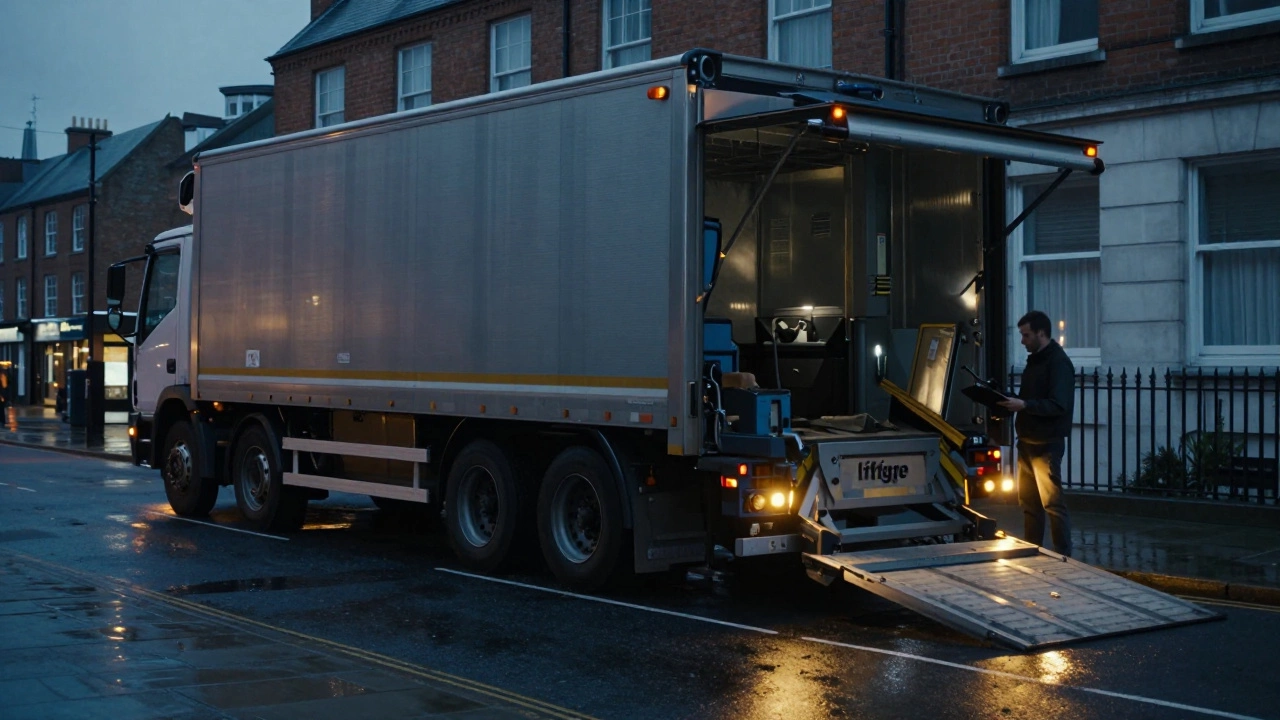
- Liftgate Fee: If the delivery location doesn't have a loading dock, the truck must have a hydraulic lift. If the carrier didn't know this, they might charge a flat fee on arrival ($25-$50).
- Inside Delivery: Standard pallet delivery is "curbside" or "dock-to-dock." If you want the driver to bring the pallet into your warehouse or home, you need an inside delivery service, which adds labor costs.
- Residential Surcharge: Delivering to a house is harder than delivering to a business. Drivers may face narrow driveways, lack of unloading equipment, and longer wait times. Expect a 10-20% surcharge.
- Remote Area Fee: Rural locations outside major metropolitan hubs often incur extra charges due to lower route density.
- Insurance Add-ons: Basic coverage is often minimal (e.g., $100 per claim). For valuable goods, you'll need declared value insurance, which costs a percentage of the item's value.
How to Get the Best Rate
You don't have to accept the first quote you see. Here are practical steps to reduce your pallet delivery costs.
- Measure Accurately: Never guess your dimensions. Measure length, width, height, and weight precisely. Overestimating leads to higher quotes; underestimating leads to reweighing fees at the depot.
- Use Online Comparison Tools: Platforms that aggregate multiple carriers allow you to see real-time pricing differences. Sometimes one carrier has empty space on a route and offers a discount.
- Optimize Your Pallet: Stack items tightly. Reduce the footprint. Use shrink wrap securely so the driver doesn't have to spend time securing it, which can sometimes trigger handling fees.
- Ship During Off-Peak Times: Avoid holiday seasons and end-of-month rushes. Freight capacity tightens during these periods, driving up prices.
- Negotiate Contracts: If you ship regularly, ask for a contract rate. Volume discounts can save 15-30% compared to spot rates.

International Pallet Shipping: A Different Ball Game
Shipping a pallet across borders introduces customs, duties, and documentation. The cost structure changes significantly.
For international pallets, you are looking at air freight or ocean LCL (Less than Container Load) pricing. Air freight is fast but expensive-often $3-$8 per kilogram. Ocean freight is slower (2-4 weeks) but cheaper for heavy items. You must also account for:
- Customs Clearance Fees: Typically $50-$150 depending on complexity.
- Import Duties and Taxes: Varies by product category and country.
- Documentation: Commercial invoices, packing lists, and certificates of origin are mandatory. Errors here cause delays and storage fees.
Always work with a freight forwarder who specializes in palletized cargo for international moves. They handle the paperwork and negotiate better rates with carriers than you could alone.
FAQ
What is the cheapest way to ship a pallet?
The cheapest method is economy ground shipping via a consolidated network. By booking in advance and allowing 3-5 days for delivery, carriers can group your pallet with others heading to the same region, sharing fuel and truck space costs.
Do I need a liftgate for pallet delivery?
You need a liftgate if the delivery address does not have a loading dock or level surface at truck bed height. Most residential addresses and some small businesses require a liftgate. Always specify this when booking to avoid surprise fees.
How much does it cost to insure a pallet?
Insurance typically costs 0.5% to 1% of the declared value of the goods. For example, insuring a $1,000 pallet might cost $5-$10. It is highly recommended for fragile or high-value items, as basic carrier liability is often very low.
Can I track my pallet shipment?
Yes, most modern pallet carriers provide tracking numbers. You can monitor the status from pickup to delivery. Express services often include real-time GPS tracking, while economy services may only show scan events at depots.
What happens if my pallet is damaged?
If damage occurs, you must file a claim immediately upon discovery. Take photos of the damage and the packaging before unloading. Keep all documentation including the bill of lading and proof of value. The process can take several weeks, so proper documentation is crucial.