Amazon Pallet Compliance Calculator & Checklist
Compliance Result:
Key Specifications Reference:
- Max Pallet Weight: 1,500 lbs (680 kg)
- Max Box Weight: 50 lbs (23 kg) without lifting aids
- Pallet Size: 48" x 40" (GMA Standard)
- Labeling: Unique FBA ID per box + Summary Pallet Label
Sending a full pallet to an Amazon fulfillment center is a high-volume logistics process that requires strict adherence to dimensional and labeling standards to avoid rejection fees feels like navigating a minefield if you don't know the rules. One wrong label placement or an uneven stack can mean your entire shipment gets returned at your expense. For sellers using Fulfillment by Amazon (FBA), understanding the exact specifications for palletized shipments isn't just about following guidelines-it's about protecting your bottom line.
You might think that because Amazon handles millions of packages daily, they have flexible tolerance levels. They don't. The systems are automated, and the receiving docks are staffed by workers under tight time constraints. If your pallet doesn't fit their specific criteria, it won't get scanned into their inventory. Instead, it sits in a "non-compliant" queue, accruing storage fees while you scramble to fix the issue. This guide breaks down exactly what those requirements are so you can ship with confidence.
The Non-Negotiable Pallet Specifications
Before you even think about packing boxes, you need to secure the right foundation. Amazon is very particular about the physical structure of the pallet itself. Using the wrong type of wood or an unstable base is one of the most common reasons for immediate rejection.
First, the pallet must be standard-sized. Amazon primarily accepts pallets that are 48 inches wide by 40 inches long (122 cm x 102 cm). This is the standard GMA (Grocery Manufacturers Association) size used across North America and many other regions. You cannot use smaller skids or non-standard European sizes unless you have explicitly negotiated an exception, which is rare for most sellers. The pallet must also be made of solid wood or sturdy plastic. Particle board, cardboard, or weak plywood bases are strictly prohibited because they collapse under pressure or during transport.
Furthermore, the pallet must be free of protruding nails, splinters, or loose boards. Any sharp edges can damage the conveyor belts or injure warehouse staff. If you are reusing pallets, inspect them thoroughly. A single loose nail can cause an entire pallet to be rejected upon arrival. It is often cheaper to buy new, heat-treated pallets than to risk a return fee on a shipment worth thousands of dollars.
| Attribute | Requirement | Why It Matters |
|---|---|---|
| Dimensions | 48" x 40" (122cm x 102cm) | Fits automated conveyor systems and racking |
| Material | Solid Wood or Heavy-Duty Plastic | Prevents structural failure under load |
| Condition | No protruding nails, splinters, or rot | Safety compliance and equipment protection |
| Treatment | Heat Treated (HT) if international | Meets ISPM 15 phytosanitary standards |
Weight Limits and Distribution Rules
Getting the pallet base right is only step one. How you load that pallet determines whether it survives the journey and gets accepted at the dock. Amazon has strict weight limits designed to protect both their workers and their machinery. Exceeding these limits is not a suggestion; it is a hard stop.
The total weight of the pallet, including the boxes and the pallet itself, must not exceed 1,500 pounds (approximately 680 kilograms). However, there is a more critical limit for individual cases. No single box on the pallet should weigh more than 50 pounds (23 kilograms) unless it is specifically marked as heavy and equipped with lifting aids. But here is the catch: even if your boxes are light, the overall distribution matters. You cannot put all the heavy items on one side. An unbalanced pallet can tip over during transit or become difficult for forklift operators to handle safely.
To ensure stability, follow the "interlocking brick" pattern when stacking boxes. Do not stack boxes directly on top of each other in straight columns. Instead, offset them so the seams of the lower layer do not align with the seams of the upper layer. This distributes the weight evenly and prevents the stack from sliding apart. Additionally, ensure that the heaviest boxes are always at the bottom. Placing lightweight items on top of heavy ones is fine, but never the reverse. This simple physics rule prevents crushing and maintains the integrity of the shipment.
Packaging and Shrink Wrap Standards
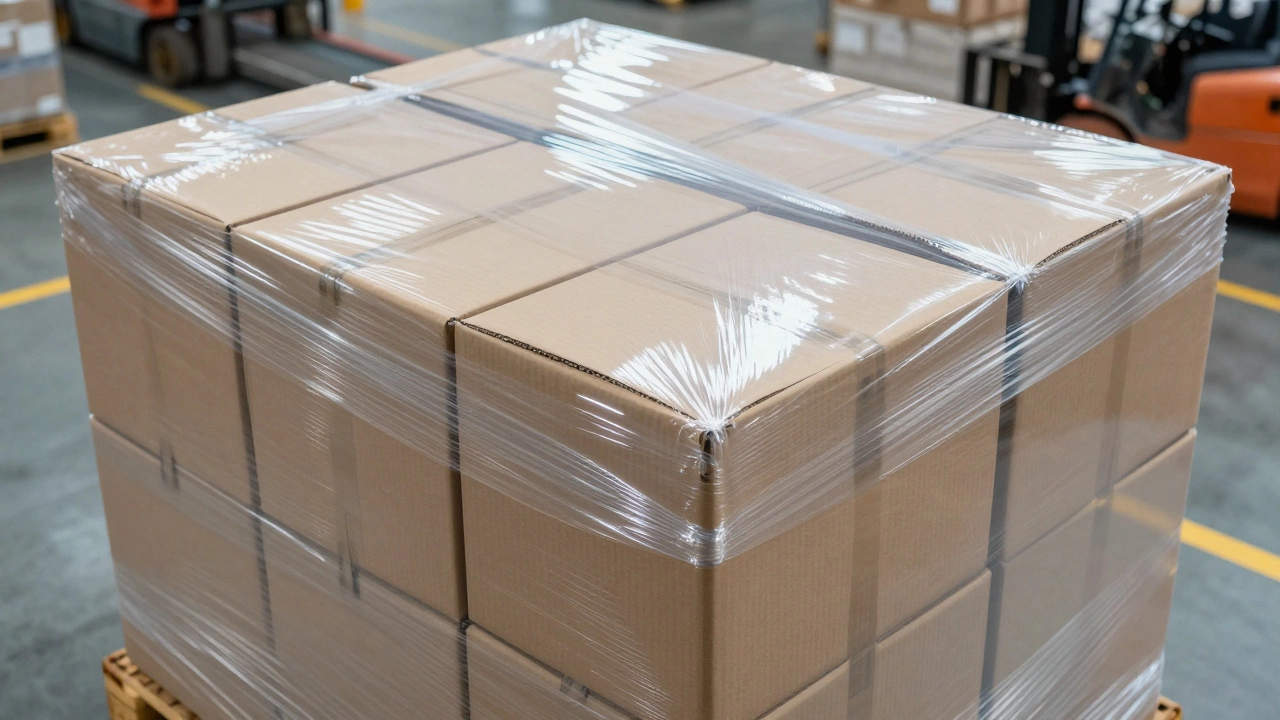
Once your boxes are stacked correctly, they need to be secured. Loose boxes on a pallet are a major safety hazard and will be rejected immediately. Amazon requires that every pallet be wrapped in industrial-grade shrink wrap. This isn't the thin plastic you find at the grocery store; it needs to be durable enough to withstand humidity, temperature changes, and rough handling.
The shrink wrap must cover the entire pallet from the base to the top. It should be tight enough to hold the boxes firmly in place but not so tight that it crushes the packaging. A good rule of thumb is that you should not be able to wiggle any box on the pallet once it is wrapped. If a box moves when you push it, add another layer of wrap. Also, ensure the wrap extends slightly below the edge of the pallet base. This helps keep the wrap intact when a forklift pierces the pallet to lift it. If the wrap tears easily during lifting, the boxes can shift, leading to damage or rejection.
Another crucial aspect is the condition of the boxes themselves. All cartons must be clean, dry, and free of old labels, tape, or debris. If you are reusing boxes, remove every trace of previous shipping labels. Conflicting labels confuse the scanning equipment and can lead to misplacement of your inventory. Use clear packing tape to seal all seams. Boxes with open flaps or torn corners are considered damaged and will not be accepted.
Labeling and Documentation Precision
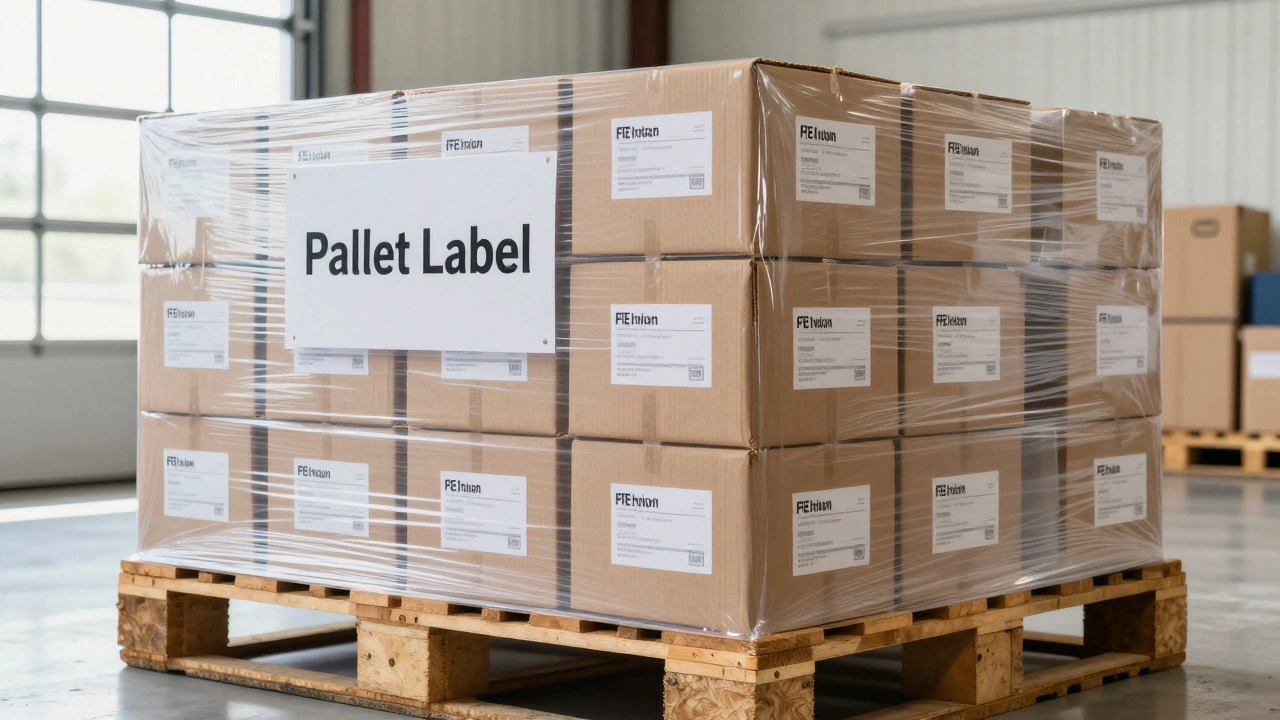
This is where most sellers make costly mistakes. The physical pallet is useless if Amazon cannot identify what is on it. Labeling is not optional; it is the primary method of communication between your shipment and Amazon's system. Every single case (box) on the pallet must have a unique FBA shipment ID label. These labels are generated in Seller Central when you create your shipping plan.
Place the label on the longest side of the box, ensuring it is flat and undamaged. Do not place labels on corners or edges where they can tear off. If a box is too small for the label, attach it securely so it remains visible and scannable. Crucially, the pallet itself must have a "Pallet Label." This label summarizes the contents of the entire pallet. It must be placed on the front face of the pallet, typically near the top, and must be clearly visible without having to move boxes. Some sellers make the mistake of hiding this label behind the shrink wrap or placing it on the side that faces the wall. Make sure it is facing outward and accessible.
In addition to the physical labels, your digital documentation must match perfectly. The number of cases listed in your shipping plan must match the actual number of cases on the pallet. If you say there are 20 boxes but there are 21, the discrepancy will trigger a manual inspection, delaying your inventory availability. Always double-check your counts before sealing the shipment. A mismatch between physical goods and digital records is one of the fastest ways to get your account flagged for compliance issues.
Common Pitfalls to Avoid
Even experienced sellers slip up on the details. Here are the most frequent errors that lead to rejection or additional fees:
- Mixed SKUs per Case: Each box on the pallet should contain only one SKU (Stock Keeping Unit). Mixing different products in the same box complicates the receiving process and is often prohibited unless you are using specific omnichannel fulfillment options. Stick to one product per box to streamline processing.
- Oversized Boxes: While the pallet has a weight limit, individual boxes also have dimension limits. Generally, no side of a box should exceed 25 inches (64 cm), and the length plus girth should not exceed 130 inches (330 cm). Oversized boxes may incur special handling fees or be rejected if they don't fit standard bins.
- Incorrect Label Placement: Labels must be scannable from a distance of several feet. Wrinkled, faded, or covered labels will result in the case being set aside for manual review, which takes days instead of hours.
- Lack of Poly Bagging: If your items are individually sold but packed together in a master carton, they must be poly-bagged and labeled according to Amazon's suffocation warning requirements. Failure to do so can result in the entire shipment being destroyed due to safety regulations.
Avoiding these pitfalls requires a final quality control check before the carrier picks up the shipment. Walk around the pallet. Check the wrap. Verify the labels. Count the boxes. This ten-minute investment can save you hundreds of dollars in fees and weeks of lost sales.
Choosing the Right Carrier
Your pallet is ready, but how does it get to Amazon? You can use Amazon Partnered Carriers, which are pre-negotiated rates through Seller Central, or your own freight forwarder. Partnered carriers are often easier for first-time shippers because they integrate directly with your shipping plan. They provide tracking updates that sync with Amazon's system, giving you visibility until the dock receipt is issued.
If you use your own carrier, ensure they have experience with LTL (Less Than Truckload) deliveries to Amazon facilities. Not all freight companies understand the nuances of Amazon's receiving windows and appointment requirements. Late arrivals can mean missed receiving slots, causing your inventory to sit at a local depot rather than entering the fulfillment center. Communicate clearly with your carrier about the delivery address and any specific instructions provided in your shipping plan.
What happens if my pallet is rejected by Amazon?
If your pallet is rejected, Amazon will not charge you for the units, but you will likely incur return shipping costs. The pallet will be sent back to the address specified in your return authorization. You will then need to repack it according to the guidelines and reship it. This delay means your products are unavailable for sale, potentially losing you sales rank and customer trust.
Can I send mixed SKUs on one pallet?
Yes, you can send multiple SKUs on one pallet, but each individual box (case) must contain only one SKU. You cannot mix different products within the same carton. Each box must have its own unique FBA label corresponding to the specific SKU inside. The pallet label will list all the SKUs included in that shipment.
Is there a minimum number of boxes required for a pallet shipment?
There is no strict minimum number of boxes, but pallet shipments are generally intended for larger volumes. If you have fewer than 10-15 boxes, it might be more cost-effective to ship them as parcel deliveries rather than freight. However, if you choose to palletize a small amount, ensure the pallet is still fully wrapped and labeled correctly to meet all safety and identification standards.
Do I need an appointment to deliver a pallet to Amazon?
For most large fulfillment centers, yes, appointments are required. When you create your shipping plan in Seller Central, Amazon will assign you a receiving window. Your carrier must arrive during this specific time slot. Arriving early or late can result in the driver being turned away, leading to delays and potential detention charges. Always confirm the appointment time with your carrier.
How do I handle hazardous materials on a pallet?
Hazardous materials (Hazmat) require special labeling and documentation. You must declare these items in Seller Central and follow UN-certified packaging standards. Hazmat pallets often need separate labeling indicating the hazard class. Ensure your carrier is certified to transport hazardous goods. Failure to properly declare and package Hazmat can result in severe penalties and shipment destruction.