E-Commerce Supply Chain Interactive Guide
Click on any stage below to learn about its specific challenges, best practices, and impact on customer satisfaction.
Overview: Before a single item is bought, you need a plan. This phase uses historical sales data, seasonal trends, and market shifts to predict demand.
- Key Activity: Setting safety stock levels to prevent stockouts during supplier delays.
- Tools: ERP systems connect sales data with purchasing orders for automated suggestions.
- Risk: Overstocking ties up cash; understocking loses sales opportunities.
Ever wonder why your online order arrives in two days while a friend’s takes three weeks? It’s rarely magic. It’s the e-commerce supply chain, a complex network of steps that moves a product from a factory floor to your doorstep. If you run an online store or just love knowing how things work, understanding these stages isn’t just academic-it’s the difference between happy customers and a warehouse full of dead stock.
The Big Picture: What Is an E-Commerce Supply Chain?
At its core, an e-commerce supply chain is the journey of goods. Unlike traditional retail, where products sit on shelves waiting for shoppers, online retail relies on a digital trigger. A customer clicks "Buy," and a physical reaction must follow immediately. This process involves five critical phases: planning, sourcing, manufacturing, warehousing, and delivery. Each stage depends on the one before it. If your supplier sends late, your warehouse gets clogged. If your warehouse is slow, your courier misses the cut-off. Break one link, and the whole chain snaps.
Stage 1: Planning and Demand Forecasting
Before a single item is bought, you need a plan. This is where data does the heavy lifting. You aren’t guessing what will sell; you’re analyzing historical sales, seasonal trends, and market shifts. For instance, if you sell beach gear in Auckland, you know demand spikes in December. But effective planning goes deeper. It involves setting safety stock levels-extra inventory kept to prevent stockouts when suppliers delay.
Tools like ERP (Enterprise Resource Planning) systems help here. They connect your sales data with your purchasing orders. If your system sees a sudden spike in searches for "waterproof hiking boots," it can automatically suggest increasing your order quantity from the manufacturer. Bad planning leads to two nightmares: overstocking (tying up cash in unsold goods) or understocking (losing sales because you ran out).
Stage 2: Sourcing and Procurement
Once you know what you need, you find who has it. Sourcing is about more than just finding the cheapest price. It’s about reliability, quality control, and lead times. Lead time is the gap between placing an order with a supplier and receiving the goods. In global e-commerce, this can range from two weeks for local partners to eight weeks for overseas manufacturers.
This stage also includes negotiation and contract management. Are you buying directly from a factory in Vietnam, or through a distributor in Los Angeles? Direct sourcing offers better margins but higher risk. Distributors offer speed but lower margins. Many modern brands use a hybrid approach. They source bulk items internationally to save costs but keep fast-moving SKUs (Stock Keeping Units) with local distributors to ensure quick restocking.
Stage 3: Manufacturing and Quality Control
If you manufacture your own products, this stage is hands-on. If you resell, it’s still critical because you need to verify what arrives matches what was promised. Quality control (QC) checks happen here. This might mean inspecting electronics for defects or checking clothing for stitching errors before they ever hit a warehouse shelf.
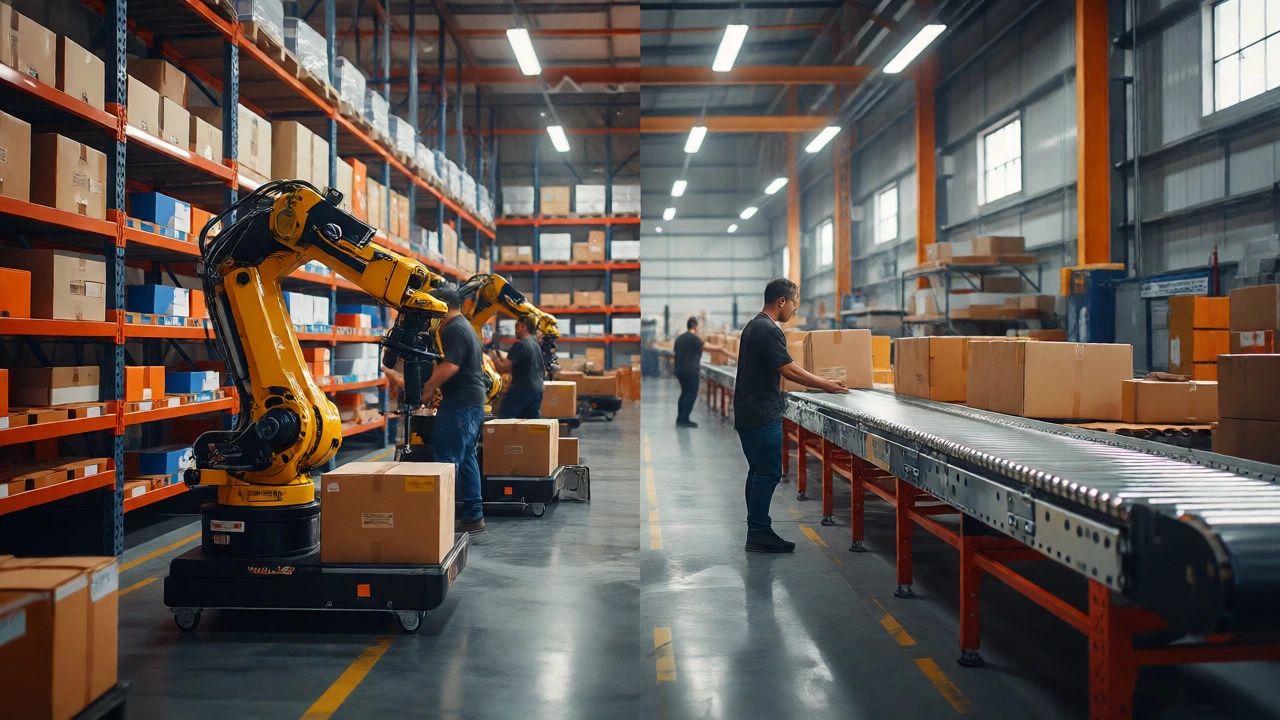
In 2026, automation plays a huge role. Robots on assembly lines ensure consistency. But human oversight remains vital for complex goods. Poor QC at this stage creates a ripple effect later. Returns are expensive. If 5% of your batch is defective, you’re not just losing the sale; you’re paying for return shipping, restocking fees, and customer service hours. Getting it right here saves money everywhere else.
Stage 4: Warehousing and Inventory Management
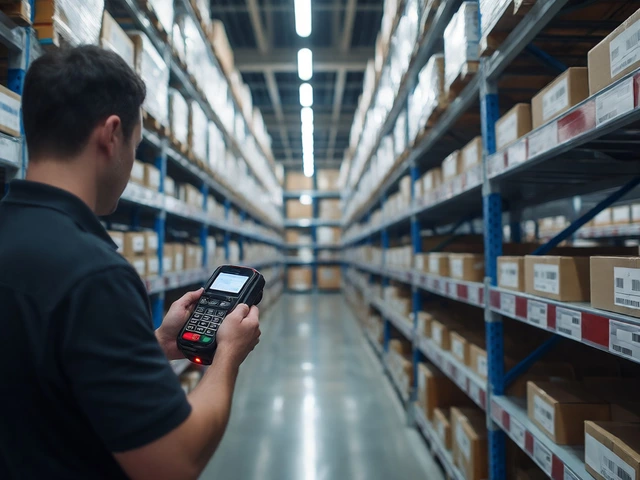
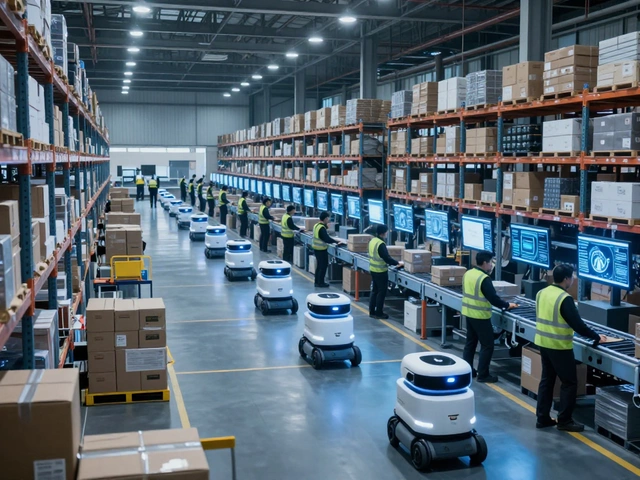
This is the heart of e-commerce logistics. Your warehouse isn’t just storage; it’s a fulfillment center. The goal here is speed and accuracy. When an order comes in, someone (or something) needs to pick the item, pack it, and label it quickly.
| Model | Best For | Cost Structure | Control Level |
|---|---|---|---|
| Self-Fulfilled | Startups, low volume | Fixed rent + labor | High |
| 3PL (Third-Party Logistics) | Growing brands, scaling | Pay-per-order + storage | Medium |
| FBA (Fulfillment by Amazon) | Amazon sellers | Fees per unit + storage | Low |
Most growing businesses move to a 3PL provider. These companies specialize in storing and shipping goods for other businesses. You send them your inventory; they handle the picking and packing. This frees you up to focus on marketing and product development. However, you lose some direct control over the unboxing experience unless you pay extra for custom packaging.
Inventory management software tracks every item in real-time. It prevents overselling-a common disaster where a website sells an item that’s actually already sold in another channel. Integration between your Shopify or WooCommerce store and your warehouse system is non-negotiable.
Stage 5: Order Fulfillment and Last Mile Delivery
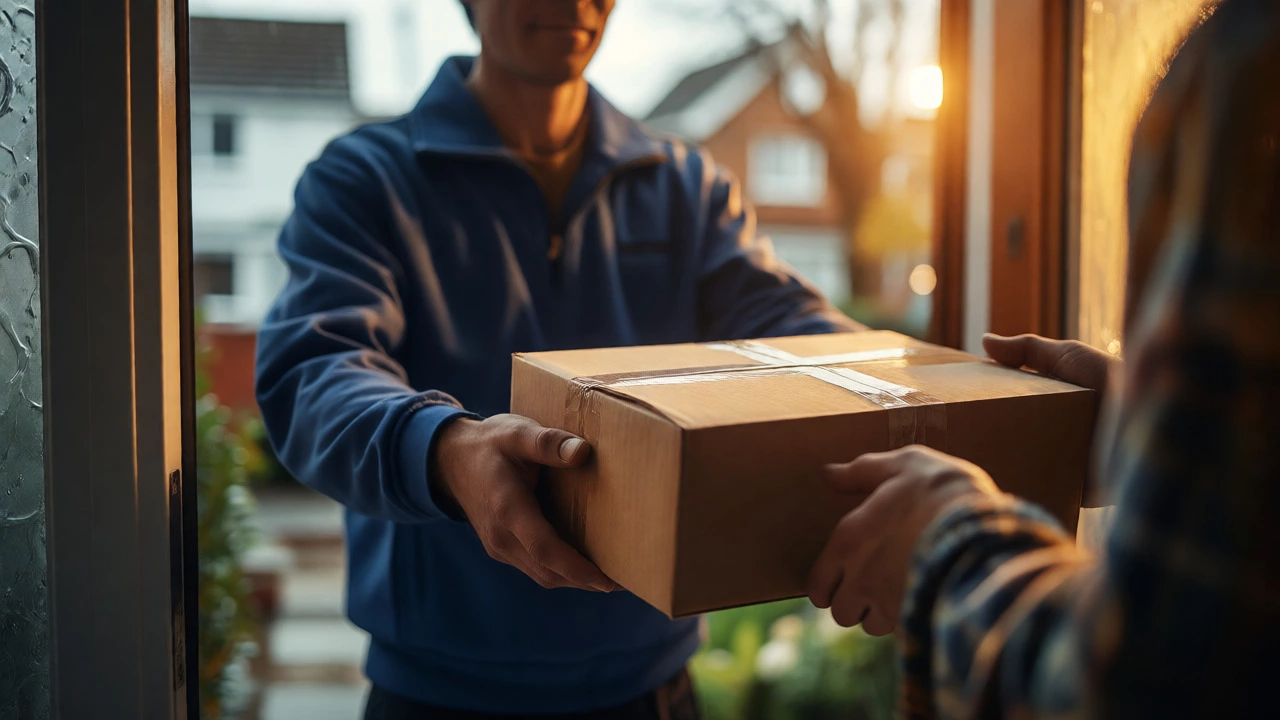
This is the stage customers feel. Once packed, the parcel enters the carrier network. This includes major players like FedEx, DHL, UPS, or local couriers. The first leg might be line-haul transport to a regional hub. Then comes the "last mile"-the final hop to the customer’s door.
Last mile delivery is the most expensive part of the chain, often accounting for 53% of total shipping costs. Why? Because it’s inefficient. One truck delivers to hundreds of different addresses, unlike a bulk shipment to a single warehouse. To combat this, many retailers now offer pickup points or lockers. Customers grab their parcels themselves, saving the courier multiple stops.
Tracking is crucial here. Modern consumers expect transparency. If they can’t see where their package is, they assume it’s lost. Automated emails and SMS updates reduce "where is my order?" inquiries significantly.
Stage 6: Reverse Logistics (Returns)
Not every transaction ends with a happy unboxing. Returns are inevitable, especially in fashion and electronics. Reverse logistics is the process of moving goods back from the customer to the seller. It’s messy and costly.
A smooth returns process builds trust. If returning an item is hard, people won’t buy again. Efficient reverse logistics involves easy-to-print labels, clear drop-off locations, and quick refunds. Some companies even use AI to predict which customers are likely to return items based on past behavior, adjusting their recommendations accordingly.
Tech That Glues It All Together
You can’t manage a modern supply chain with spreadsheets alone. Technology provides visibility across all stages. Logistics Software integrates with carriers, warehouses, and sales channels. It automates tasks like generating shipping labels, updating tracking numbers, and syncing inventory counts.
APIs (Application Programming Interfaces) allow different systems to talk to each other. When a customer buys on your site, the API tells the warehouse to pick the item, and simultaneously tells the carrier to schedule a pickup. Without this integration, you’d have staff manually copying data between screens, leading to errors and delays.
Pitfalls to Avoid
- Siloed Data: If your sales team doesn’t share data with your procurement team, you’ll either buy too much or too little.
- Ignoring Seasonality: Failing to adjust stock levels for holidays leads to stockouts during peak sales periods.
- Underestimating Shipping Costs: Hidden fees from carriers can eat into margins if not negotiated properly.
- Lack of Contingency Plans: What happens if your main supplier shuts down? Having backup vendors is essential.
What is the most expensive stage of the e-commerce supply chain?
Last mile delivery is typically the most expensive stage, often costing up to 53% of total shipping expenses due to the inefficiency of delivering individual packages to dispersed locations compared to bulk transport.
Do I need a warehouse for my e-commerce business?
Not necessarily. Small startups can start with self-fulfillment from home or a small storage unit. As you scale, using a Third-Party Logistics (3PL) provider is often more cost-effective than leasing and managing your own large warehouse space.
How does technology improve supply chain efficiency?
Technology connects disparate systems via APIs, allowing real-time data flow. This enables automated order routing, accurate inventory tracking to prevent overselling, and predictive analytics for better demand forecasting, reducing manual errors and speeding up fulfillment.
What is reverse logistics in e-commerce?
Reverse logistics refers to the process of moving products from the end customer back to the seller or manufacturer. It handles returns, repairs, recycling, and disposal, aiming to recover value or ensure proper disposal efficiently.
How long does the e-commerce supply chain take?
The time varies widely. From order placement to delivery, it can take as little as 24 hours for same-day services or several weeks for international shipments involving customs and long-distance transport. Pre-order inventory adds months to the timeline.