Amazon Driver Eligibility Checker
Select your desired role and answer the questions below to see if you are likely eligible to apply.
Ready to Deliver?
Fill out the form on the left to see if you qualify for Amazon Flex or DSP roles.
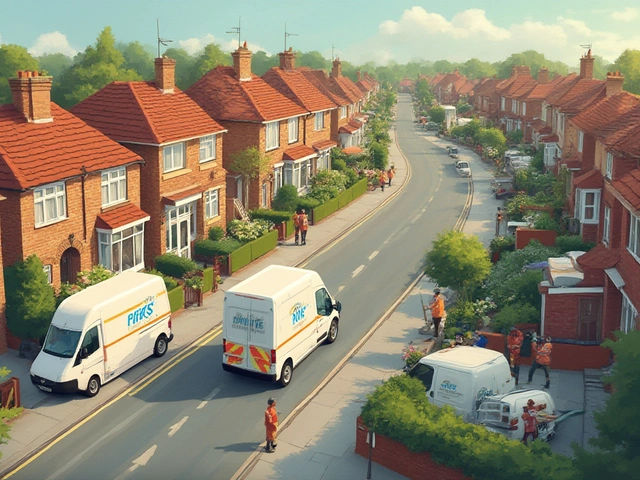
You see the blue vans buzzing around your neighborhood every day. Maybe you’ve thought about signing up for Amazon Delivery yourself. It sounds simple: get in a car, drive, drop off boxes, and get paid. But before you quit your current job or buy that used SUV, you need to know exactly what Amazon requires from its drivers. The rules aren’t just about having a license; they’re about insurance, vehicle specs, age limits, and background checks that can make or break your application.
The biggest mistake people make is assuming all Amazon driving jobs are the same. They aren’t. There’s a huge difference between being an independent contractor through Amazon Flex and working for a third-party logistics company (DSP) that runs the big blue vans. Your requirements change depending on which path you choose. Let’s break down exactly what you need to qualify, so you don’t waste time applying with the wrong paperwork.
Know Your Role: Flex vs. DSP Drivers
Before looking at the checklist, decide which type of driver you want to be. This choice dictates almost every other requirement.
Amazon Flex drivers are gig workers. You use your own personal vehicle, set your own schedule via an app, and get paid per block of time. You’re an independent contractor. This means you handle your own taxes, your own maintenance, and your own insurance.
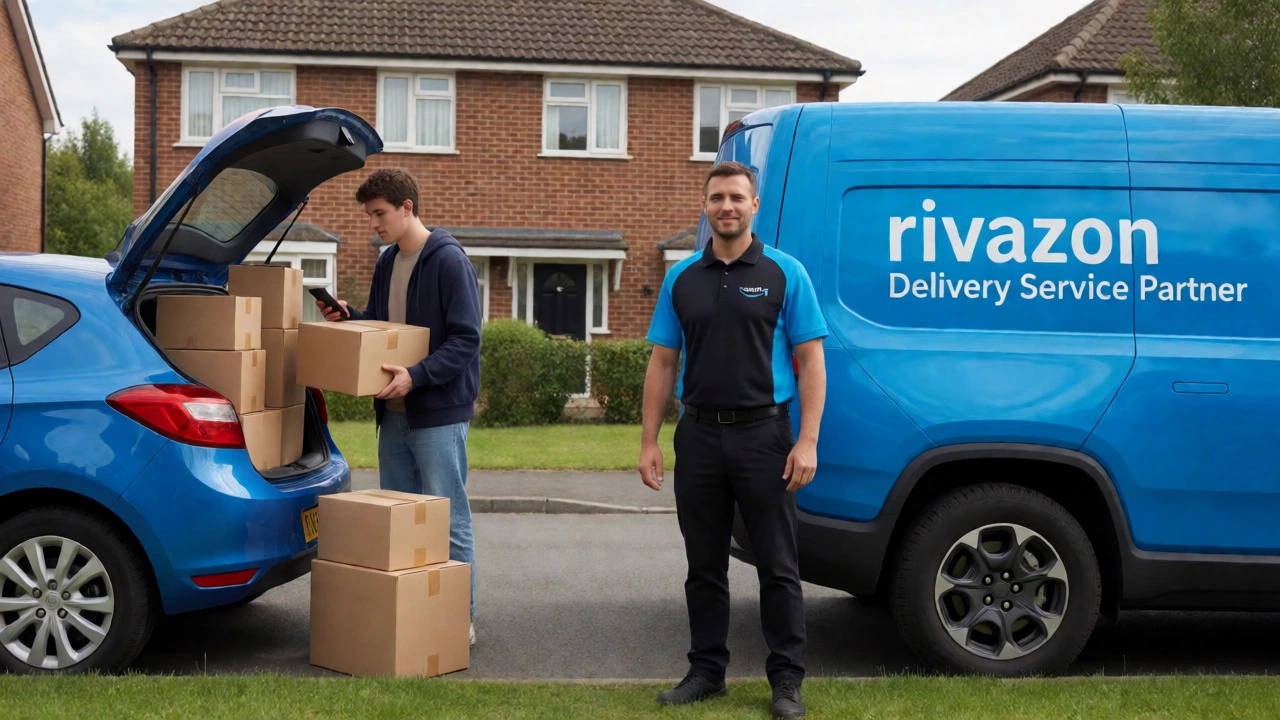
On the flip side, Delivery Service Partner (DSP) drivers are employees. You work for a local company contracted by Amazon. You drive a branded Amazon van (usually a Rivian or a Sprinter), follow a fixed route assigned by a dispatcher, and receive hourly pay plus benefits. You don’t need your own vehicle, but you do need to pass a stricter employment screening.
| Feature | Amazon Flex (Gig) | DSP (Employee) |
|---|---|---|
| Vehicle Source | Your own car/truck | Company-provided van |
| Schedule | Flexible, app-based blocks | Fixed shifts, often early morning |
| Insurance | You must provide commercial coverage | Covered by employer policy |
| Pay Structure | Per block ($18-$25/hr typical) | Hourly wage + overtime potential |
Basic Eligibility: Age, License, and Background
No matter which role you pick, there are non-negotiable baseline requirements. If you miss these, the system will auto-reject you before a human even looks at your file.
First, age matters. For Amazon Flex, you must be at least 21 years old in most regions, including New Zealand and the US. Why? Because insurance carriers view drivers under 21 as higher risk for personal vehicles. For DSP roles, the minimum age is usually 18, provided you have a valid full driver’s license. Probationary licenses rarely cut it for professional delivery work because insurers require a clean history.
Your driving record is scrutinized heavily. Amazon uses third-party services like HireRight to pull your motor vehicle report (MVR). A single speeding ticket might not disqualify you, but multiple violations within the last three years will. More seriously, any DUI, reckless driving, or hit-and-run conviction in the past five to seven years is an instant dealbreaker. If you have a minor violation, be prepared to explain it honestly during the interview process.
Background checks are standard for everyone. These cover criminal history and sometimes credit history, especially if you’re handling high-value packages. In New Zealand, this involves checking the Ministry of Justice records. You’ll need to consent to these checks digitally. Note that having a criminal record doesn’t automatically ban you, but violent offenses or theft-related convictions usually result in rejection because trust is critical when entering customers' homes or leaving packages unattended.
Vehicle Requirements for Flex Drivers
If you’re going the Flex route, your car is your office. Amazon has specific standards to ensure packages arrive undamaged and drivers stay safe.
Your vehicle must be a four-door passenger car, minivan, SUV, pickup truck, or cargo van. Two-seaters like sports cars or motorcycles generally aren’t accepted unless you’re doing very small parcel deliveries in dense urban areas, but even then, space is tight. The interior needs to be clean and odor-free. Imagine stacking twenty cardboard boxes in your back seat-if your car smells like wet dog or old fries, customers notice, and Amazon cares about brand image.
Mechanical condition is vital. You need current registration and inspection stickers where applicable. In New Zealand, your Warrant of Fitness (WoF) must be valid. Tires need adequate tread depth; bald tires are a safety hazard in rain. Windows must roll up and down properly, and air conditioning or heating must work. You’ll spend hours in traffic; comfort impacts performance.
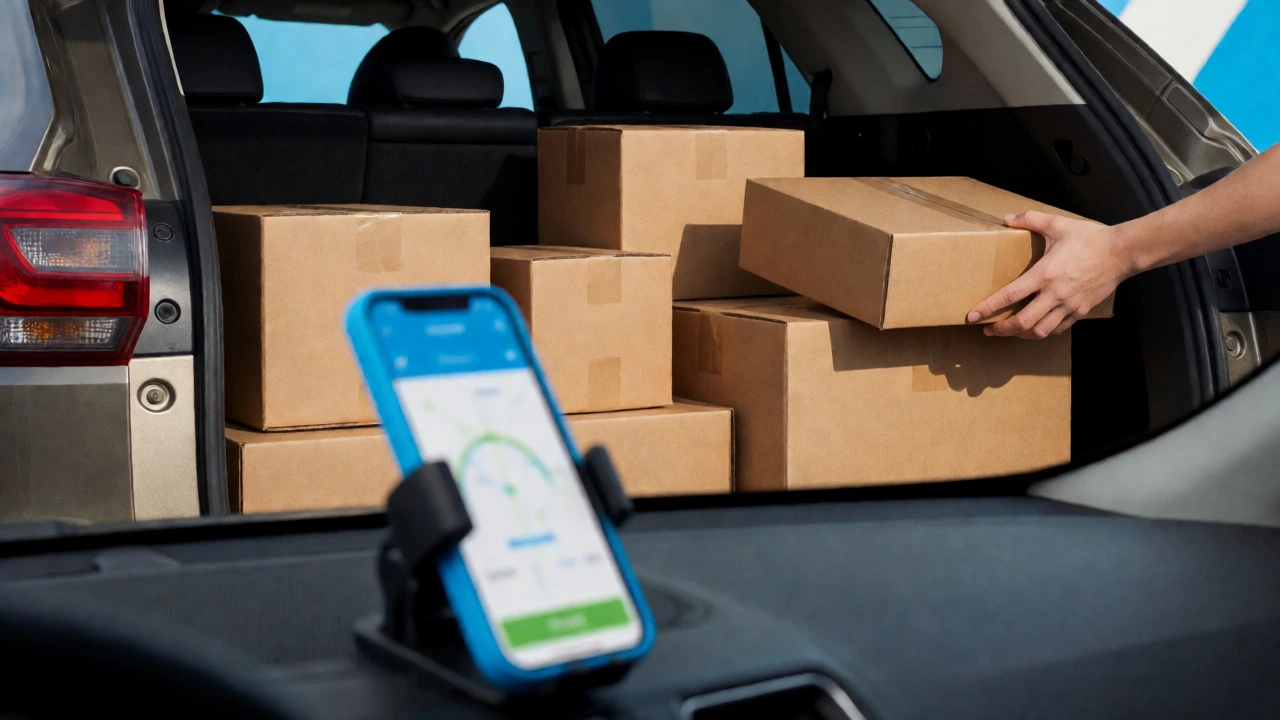
Storage capacity is the hidden hurdle. Most Flex blocks involve delivering 40-60 packages. If your trunk is tiny, you’ll fail. Many successful Flex drivers install roof racks or use large hatchbacks. Measure your cargo area before applying. If you can’t fit a standard refrigerator box (approx. 0.5 cubic meters), you’ll struggle to complete blocks efficiently.
Insurance and Financial Obligations
This is where many new drivers trip up. Personal auto insurance policies typically exclude business use. If you crash while delivering for Amazon on a personal policy, the insurer might deny your claim.
For Commercial Auto Insurance, you need a policy that explicitly covers "delivery" or "courier" activities. In the US, this often means adding a commercial endorsement to your existing policy. In New Zealand, you need comprehensive commercial vehicle insurance. Amazon provides some liability coverage during active delivery blocks, but it’s limited. It does not cover damage to your own vehicle or medical costs for you. Always read the fine print of your personal policy and talk to your broker. Don’t guess-get written confirmation that you’re covered.
Taxes are another financial requirement. As a Flex contractor, Amazon won’t withhold tax from your pay. You must set aside roughly 20-30% of your earnings for income tax and self-employment contributions. Keep detailed logs of mileage and expenses (fuel, maintenance, phone plans) to deduct later. Failing to manage this leads to nasty surprises at year-end.
Technology and App Proficiency
You can’t deliver without the tech stack. Both Flex and DSP drivers rely on mobile apps, but the tools differ slightly.
Flex drivers need a smartphone running iOS 13+ or Android 9+. The app handles navigation, package scanning, and proof-of-delivery photos. You need a reliable data plan; streaming maps drains battery and data quickly. Consider a power bank and a car charger mount. Dead phones mean missed stops and angry customers.
DSP drivers often use handheld scanners or tablets provided by the station. However, you still need a personal smartphone for communication with dispatchers and accessing HR portals. Being comfortable with basic smartphone functions-taking clear photos, using GPS, troubleshooting Bluetooth connections-is mandatory. If you struggle with technology, ask a friend to help you practice navigating the Amazon Flex app interface before your first shift.

Physical Demands and Soft Skills
Driving isn’t just sitting behind the wheel. It’s physical labor. Packages range from lightweight envelopes to 20kg boxes. You’ll walk hundreds of steps per day, climb stairs, and lift awkward shapes repeatedly.
Amazon expects drivers to be able to lift up to 25kg safely. If you have back issues, consider this carefully. Proper lifting technique is taught in training, but fatigue sets in after ten stops. Hydration and comfortable shoes are essential. Invest in quality footwear; cheap sneakers lead to blisters and foot pain that ruins your week.
Customer interaction skills matter too. You’re the face of Amazon. Customers might ask questions, complain about delays, or request special placement of packages. Staying calm, polite, and helpful resolves conflicts faster than arguing. Remember, one bad review can impact your rating, which affects future block availability for Flex drivers.
How to Apply: Step-by-Step
Ready to move forward? Here’s how to navigate the application process smoothly.
- Create an Account: Visit the Amazon Flex website or download the app. Sign up with your email and phone number.
- Enter Vehicle Details: Input your car’s make, model, year, and VIN. Be accurate; discrepancies cause delays.
- Upload Documents: Submit your driver’s license, proof of insurance, and vehicle registration. Ensure photos are clear and readable.
- Wait for Approval: This can take days or weeks depending on demand in your area. High-demand cities approve faster.
- Complete Onboarding: Once approved, you’ll watch training videos and pass a quiz. Then you can book your first block.
For DSP jobs, apply directly through the Amazon Jobs portal or local staffing agencies. Interviews may include a practical driving test. Bring your license and proof of insurance to the interview.
Can I use my motorcycle for Amazon Flex?
Generally, no. Amazon Flex requires a four-door vehicle to accommodate multiple packages securely. Motorcycles lack the storage space and weather protection needed for standard delivery blocks, though exceptions exist in rare, specific markets for small parcels only.
Do I need a commercial driver's license (CDL)?
No, a standard Class C (or equivalent) driver’s license is sufficient for both Flex and DSP roles. CDLs are required for heavy freight trucks, not last-mile delivery vans or sedans.
What happens if I have a recent speeding ticket?
It depends on severity and frequency. One minor ticket might be overlooked, especially if it’s older than two years. Multiple tickets or serious violations like reckless driving within the last three years usually lead to automatic rejection due to insurance risk profiles.
Is drug testing required for Amazon drivers?
Yes, DSP employees undergo pre-employment drug screening. Flex drivers are subject to random audits and must adhere to sobriety standards. Positive tests result in immediate termination for employees and account suspension for contractors.
Can I drive for Amazon if I don't own a car?
For DSP roles, yes, because you drive a company van. For Flex, no-you must provide your own insured vehicle. Some regions offer rental partnerships, but owning or leasing is the standard expectation for contractors.