Delivery Scam Risk Analyzer
Instructions: Select the options that match the message you received.
Risk Assessment
Awaiting Analysis
Select options above to check your message.
...
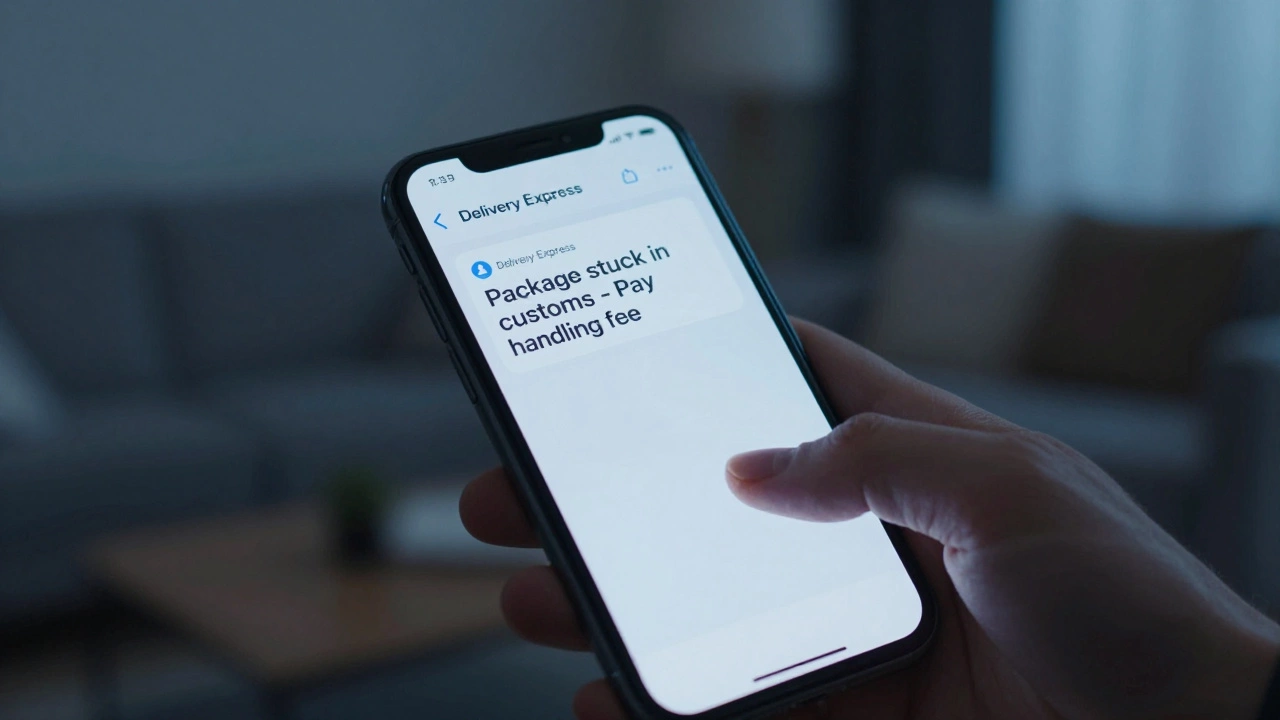
You get a text message. It says your package is stuck in customs or delayed at the local depot. The sender ID looks official, maybe even "Delivery Express" or a variation like "DHL-Express." You click the link, enter your credit card to pay a small "handling fee," and suddenly, your bank account is drained. This isn't just a scary story; it's the most common digital theft tactic of 2026.
The short answer to "Is Delivery Express legitimate?" is complicated because "Delivery Express" is not one single company. It is a generic term used by thousands of real logistics providers worldwide, but it is also the favorite disguise for scammers. If you are asking this question, you likely received an unsolicited notification about a package you didn't order or a delay on a real purchase. Here is how to tell the difference between a genuine courier service and a sophisticated phishing trap without losing a cent.
Why the Name "Delivery Express" Is a Red Flag
Scammers love vague names. They don't use "FedEx" or "UPS" directly because those brands have strict legal teams that shut down fake domains quickly. Instead, they use generic terms like Delivery Express is a generic branding term often exploited by fraudulent actors to mimic legitimate courier services.
Think about it. How many companies actually call themselves exactly "Delivery Express"? Very few major ones. Most reputable carriers have distinct brand identities: DHL, FedEx, UPS, USPS, Royal Mail, Australia Post. When you see a name that describes the service rather than a unique brand, pause. It’s like receiving a letter from "The Bank" instead of "Chase" or "HSBC." It feels official, but it lacks specific identity.
In Auckland, where I live, we see this constantly. People receive SMS messages claiming to be from "New Zealand Post Express" or similar hybrids. These are almost always fake. Real companies protect their trademarks aggressively. If the name sounds too generic to be true, it probably is.
The Anatomy of a Fake Tracking Notification
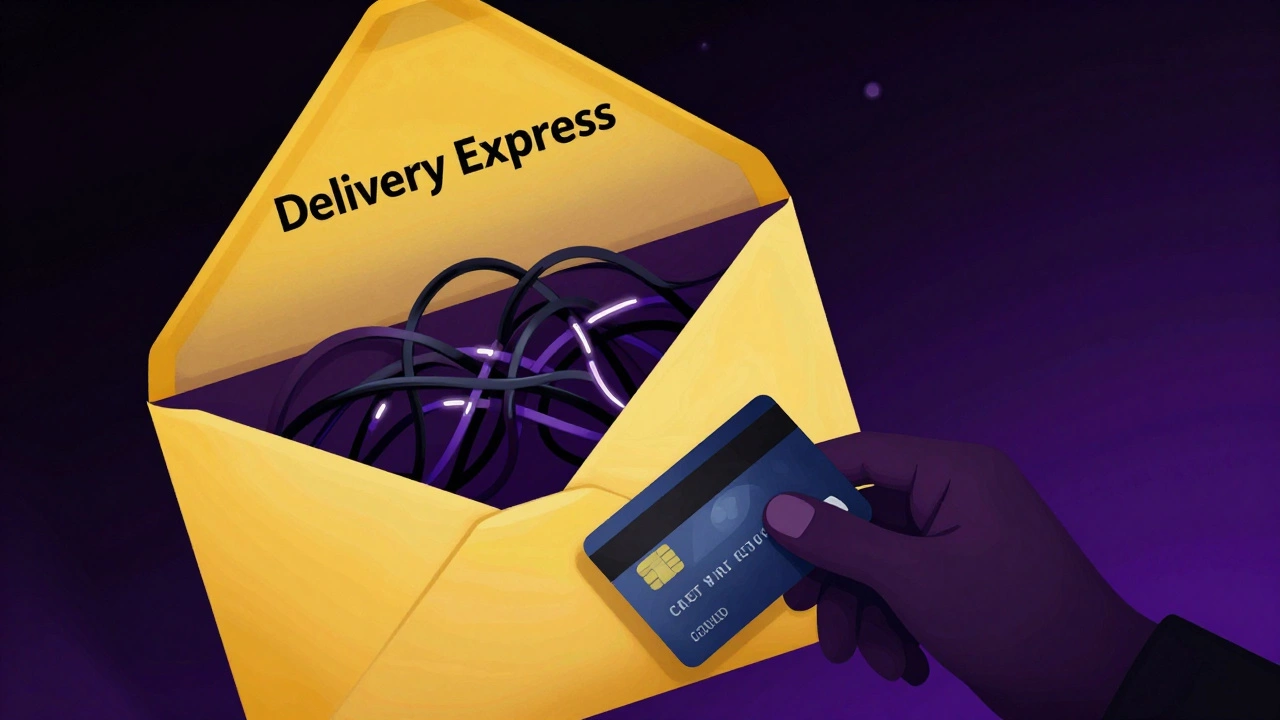
To spot a scam, you need to understand what the bad guys are trying to do. They want two things: your personal data (for identity theft) or your payment details (for immediate cash). They use urgency as their primary weapon. Fear makes you stop thinking and start clicking.
Here is what a typical fraudulent "Delivery Express" message looks like:
- The Hook: "Your package #8839201 has been held due to unpaid duties/taxes."
- The Urgency: "Must be paid within 24 hours or the package will be returned to sender."
- The Link: A URL that looks slightly off, like
delivery-express-secure.cominstead ofdhl.comorups.com. - The Payment Method: Requests for gift cards, cryptocurrency, or direct bank transfers. Legitimate couriers never ask for these.
If you haven't ordered anything recently, this is 100% a scam. But even if you *have* ordered something, be careful. Scammers monitor social media and shopping forums to know when people are expecting deliveries. They send mass texts hoping some recipients are confused enough to pay.
How to Verify Your Courier in 3 Steps
Don't click the link in the text or email. That is the golden rule. Instead, take control of the situation using these three steps.
- Check Your Order History: Go directly to the website where you bought the item. Log in to your account. Look for the tracking number there. If the seller says it hasn't shipped yet, the text message is fake.
- Use Universal Tracking Tools: Sites like 17Track is a universal parcel tracking platform that aggregates data from hundreds of global carriers. allow you to paste any tracking number to see which carrier is actually handling the package. If the number doesn't exist, the message is a lie.
- Contact the Carrier Directly: Find the official phone number or website of the carrier mentioned (e.g., search for "USPS customer service" on Google, don't click links in the email). Call them with the tracking number. Ask if there is an issue. They will tell you the truth immediately.
This process takes five minutes. Paying the "fee" takes ten seconds and costs you hundreds of dollars. Which would you prefer?
Real Companies vs. Imposters: A Comparison
| Feature | Legitimate Courier (e.g., FedEx, DHL) | Fake "Delivery Express" Scam |
|---|---|---|
| Website Domain | Official domain (e.g., fedex.com) | Misspellings, hyphens, or new TLDs (.xyz, .top) |
| Payment Request | Billing to existing account or secure portal | Gift cards, crypto, wire transfer, or third-party payment links |
| Communication Style | Professional, includes specific address details | Vague, urgent, threatening language, poor grammar |
| Tracking Number | Verifiable on official site and third-party tools | Invalid format or leads to a phishing page |
| Contact Info | Standard customer service numbers | Personal mobile numbers or VoIP lines |
What to Do If You Already Clicked or Paid
Mistakes happen. If you clicked the link and entered your credit card info, act fast. Time is your enemy here.
- Call Your Bank Immediately: Tell them you suspect fraud. They can freeze your card and reverse unauthorized charges. Many banks offer zero-liability policies for this exact scenario.
- Change Your Passwords: If you entered your email password or created an account on the fake site, change all passwords associated with that email address. Use a password manager to generate strong, unique codes.
- Enable Two-Factor Authentication (2FA): Turn on 2FA for your email, banking, and shopping accounts. This adds a layer of security that prevents hackers from accessing your accounts even if they have your password.
- Report the Scam: In New Zealand, report it to the Police Online Reporting Service. In the US, file a report with the FTC. In the UK, use Action Fraud. This helps authorities track and shut down these operations.
If you paid with a gift card, unfortunately, that money is likely gone. Gift cards are untraceable and preferred by criminals for this reason. Consider this a hard lesson and share it with friends and family to prevent them from making the same mistake.
Protecting Yourself in 2026
As technology advances, so do scams. AI-generated voice calls pretending to be delivery drivers are becoming more common. Deepfake videos of customer service agents are being tested. However, the core principles of safety remain unchanged.
Be skeptical of unsolicited contact. If a company needs to reach you, they will use established channels. They won't text you from a random number demanding immediate payment via Western Union. Educate yourself on the brands you trust. Know what their emails look like. Save their official websites in your browser bookmarks. When in doubt, hang up, close the tab, and verify through independent means.
Your peace of mind is worth more than any "handling fee." Stay vigilant, stay safe, and remember: if it sounds too urgent to be true, it probably is.
Is there a real company called Delivery Express?
While "Delivery Express" is a generic term used by many small local couriers globally, there is no major international logistics giant with this exact name. Most large carriers use distinct brand names like DHL, FedEx, or UPS. If you receive a message from "Delivery Express," assume it is suspicious until verified through official channels.
Can I track my package if I don't have a tracking number?
Without a tracking number, it is very difficult to track a package. Contact the seller or retailer where you made the purchase. They should provide the tracking number and the name of the carrier. If you did not make a purchase, you likely do not have a package coming, and any message claiming otherwise is a scam.
What should I do if I receive a text about a package I didn't order?
Delete the message immediately. Do not click any links or call any numbers provided in the text. This is a common phishing attempt known as "smishing." If you are concerned, check with family members who might have sent you a gift, but generally, unsolicited package notifications are fraudulent.
Are all SMS messages from couriers scams?
No, legitimate couriers do send SMS notifications. However, they rarely ask for payment or sensitive information via text. Legitimate texts usually contain a tracking number and a link to the official carrier website. Always verify the sender's number and the content against the official carrier's communication style before taking action.
How can I report a fake delivery scam?
Report the scam to your local law enforcement agency and relevant consumer protection bodies. In the US, use the FTC's Complaint Assistant. In the UK, report to Action Fraud. In New Zealand, use the Police Online Reporting Service. Additionally, forward the suspicious message to the carrier's official anti-fraud team if they have one.