Logistics Career Salary & Path Estimator
Configure Your Profile
Role Analysis
Estimated RangeBase Salary Estimate
$0
With Bonuses/Stock
$0
Key Success Factors for this Role:
Salary Comparison vs Other Roles
Select your target role and industry to see salary estimates and career requirements for 2026.
Most people think of logistics as moving boxes from point A to point B. If that were true, the pay would be average. But modern logistics is actually about data, strategy, and keeping billions of dollars of inventory flowing without breaking. That complexity drives up the value of the people who manage it.
If you are looking at a career change or trying to negotiate a raise, you need to know where the money is hiding. The highest paying job in logistics isn't always the one with the most trucks under its command. Often, it's the role that sits closest to the CFO’s office, translating shipping chaos into profit margins.
The Ceiling: Supply Chain Director and VP of Operations
When we talk about the absolute top earners, we are talking about executive leadership. The Supply Chain Director or VP of Supply Chain is widely considered the highest paying individual contributor role before you hit C-suite territory (like COO).
In 2026, these roles command base salaries ranging from $150,000 to over $250,000, depending on the industry. In high-stakes sectors like pharmaceuticals or aerospace, total compensation packages often exceed $300,000 when you add bonuses and stock options. Why? Because this person owns the entire flow. They decide which suppliers to trust, how much safety stock to keep, and whether to ship by air or sea during a crisis.
This role requires more than just knowing how a warehouse works. You need financial acumen. You are essentially managing a massive budget. If you can reduce freight costs by 5% through better negotiation or route optimization, you might save a company millions. That is why they pay you so well.
The Strategic Movers: Logistics Managers and Directors
Below the VP level, the Logistics Manager and Director of Logistics roles offer the best balance of high pay and operational control. These professionals typically earn between $90,000 and $140,000 annually.
The jump from coordinator to manager is where your income spikes. As a manager, you stop moving pallets and start moving strategies. You are responsible for:
- Negotiating rates with carriers and third-party logistics providers (3PLs).
- Implementing Warehouse Management Systems (WMS) or Transportation Management Systems (TMS).
- Optimizing last-mile delivery routes to cut fuel costs.
- Managing a team of planners, analysts, and warehouse staff.
Companies pay a premium for managers who can speak two languages: operations and finance. If you can explain to the CEO why a delay in Shanghai will hurt Q3 profits, you become indispensable.
The Tech Edge: Supply Chain Analysts and Data Scientists
Here is a twist that surprises many traditional logistics pros: some of the highest paying jobs now require zero truck driving and zero forklift operation. They require Python, SQL, and advanced Excel skills.
Supply Chain Data Scientists and senior Logistics Analysts are seeing salaries climb rapidly, often landing in the $110,000 to $160,000 range. As companies adopt AI-driven forecasting and automated inventory management, they need people who can clean data, build predictive models, and interpret algorithms.
For example, a retailer needs to predict exactly how many winter coats will sell in Seattle versus Miami three months in advance. Get that wrong, and you have dead stock or lost sales. The analyst who builds the model that gets it right saves the company significantly. This shift towards "Logistics 4.0" means technical skills are becoming a primary driver of salary growth in the sector.

Specialized High-Payers: Procurement and Freight Brokerage
Not all high-paying logistics jobs are internal to a single company. Two specialized paths offer lucrative opportunities based on performance and expertise.
Procurement Specialists: Senior buyers and procurement managers in industries like automotive or electronics can earn $100,000 to $150,000+. Their job is sourcing raw materials. If they secure a long-term contract for steel at a lower rate, they directly impact the bottom line. This role requires deep market knowledge and strong negotiation tactics.
Freight Brokers: While entry-level brokers might struggle initially, top-tier brokers with established carrier networks and large client bases can make six figures. This is a commission-heavy role. You connect shippers who need to move goods with carriers who have empty space. The margin you capture is your income. It is high-pressure, but the ceiling is very high if you build a solid book of business.
Factors That Determine Your Salary
You might wonder why one Logistics Manager makes $85,000 while another makes $135,000. The difference usually comes down to three factors:
- Industry: Working in healthcare, defense, or technology logistics pays significantly more than retail or food service. The stakes are higher, regulations are stricter, and the products are more expensive.
- Certifications: Holding credentials like the Certified Supply Chain Professional (CSCP) from APICS or Six Sigma Black Belt signals expertise. These certifications often come with immediate salary bumps or faster promotion tracks.
- Location: Hubs like Chicago, Los Angeles, Atlanta, and New York offer higher salaries due to the cost of living and the concentration of major distribution centers. However, remote work for analytical roles is changing this dynamic slightly.
| Job Title | Average Base Salary | Key Responsibility | Required Experience |
|---|---|---|---|
| VP of Supply Chain | $180k - $300k+ | Strategic oversight, P&L management | 15+ years |
| Supply Chain Director | $150k - $220k | End-to-end process optimization | 10-15 years |
| Logistics Manager | $90k - $140k | Day-to-day operations, team leadership | 5-10 years |
| Senior Supply Chain Analyst | $110k - $160k | Data modeling, forecasting, KPI tracking | 5-8 years + Tech skills |
| Procurement Manager | $100k - $150k | Vendor negotiation, sourcing strategy | 7-12 years |
How to Reach the Top Tier
If your goal is to land one of these high-paying roles, you cannot just show up and hope for the best. You need a deliberate path.
First, master the basics. Spend time on the floor. Understand how a dock door operates, how customs clearance works, and what happens when a shipment goes missing. Executives who have never touched a package often make unrealistic decisions. Ground yourself in reality.
Second, get comfortable with numbers. You don't need to be an accountant, but you must understand cost-per-unit, freight density, and return on investment (ROI). When you propose a new software tool, frame it in terms of cost savings, not just "efficiency."
Third, network within professional organizations. Groups like CSCMP (Council of Supply Chain Management Professionals) host conferences where hiring managers scout for talent. Building relationships here can open doors that online applications cannot.
Future Trends Impacting Pay
The logistics landscape is shifting. By late 2026 and beyond, sustainability and automation are becoming central to executive compensation. Companies are setting strict carbon footprint goals. A Sustainability Manager in logistics is a newer, emerging high-payer role as firms race to meet ESG (Environmental, Social, and Governance) criteria.
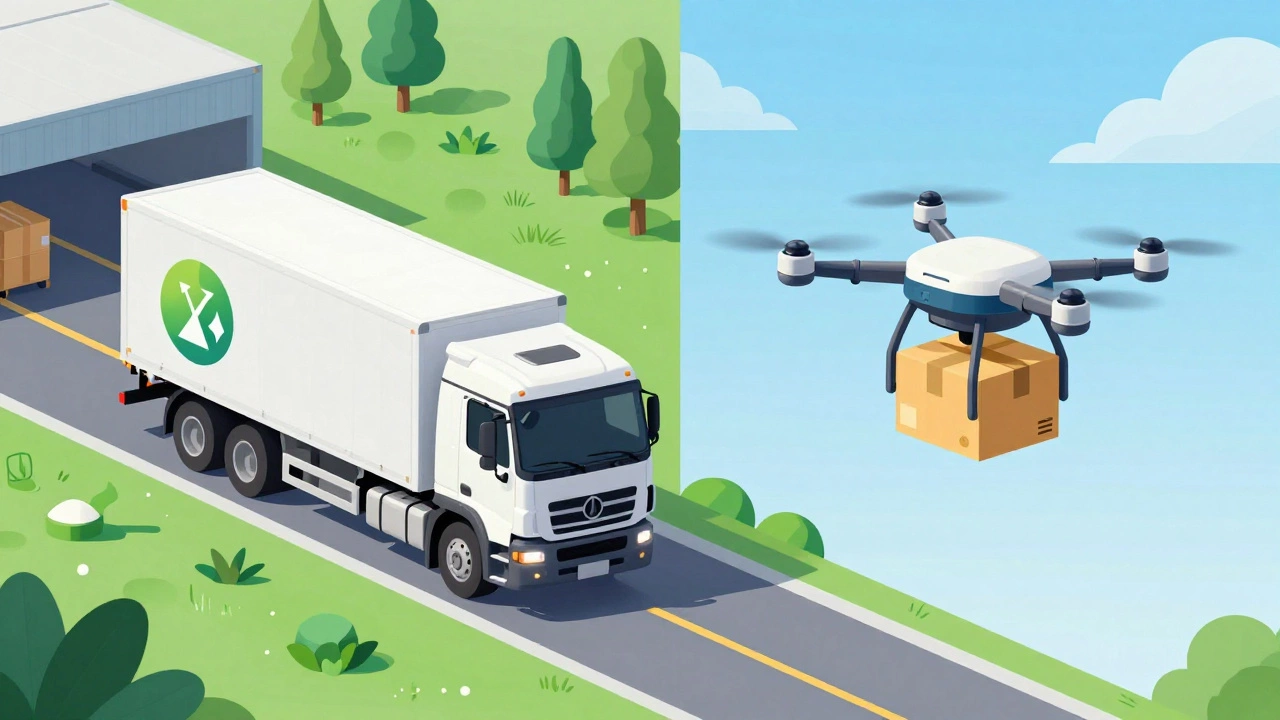
Additionally, as autonomous trucks and drone deliveries move from pilot programs to commercial scale, the demand for professionals who can integrate these technologies into existing workflows will skyrocket. Those who bridge the gap between old-school logistics wisdom and new-tech implementation will command the highest premiums.
Is a degree required for the highest paying logistics jobs?
While not strictly mandatory for every role, a bachelor's degree in Supply Chain Management, Business Administration, or Engineering is standard for Director and VP positions. For upper-management roles, an MBA is highly preferred and often expected. However, significant experience combined with professional certifications like CSCP or CPIM can sometimes substitute for formal degrees.
Which industry pays the most in logistics?
The pharmaceutical and healthcare industries typically offer the highest salaries due to strict regulatory requirements and the high value of goods. Aerospace and defense follow closely behind. Technology and e-commerce also pay well, particularly for roles involving rapid last-mile delivery optimization and data analysis.
Can I earn a high salary in logistics without management experience?
Yes, especially if you pivot into specialized technical roles. Supply Chain Data Scientists, IT Project Managers specializing in logistics software, and expert Procurement Specialists can earn six-figure salaries without necessarily managing large teams. These roles rely on specialized hard skills rather than people management.
How do certifications affect my salary in logistics?
Certifications from recognized bodies like ASCM (formerly APICS) or ISM can increase your earning potential by 10-20%. They validate your expertise to employers and often serve as a prerequisite for senior-level interviews. Six Sigma certifications are particularly valuable for roles focused on process improvement and efficiency.
Is remote work common in high-paying logistics jobs?
It depends on the role. Operational roles like Warehouse Managers or Dock Supervisors require on-site presence. However, strategic roles such as Supply Chain Planning, Demand Forecasting, Procurement, and Data Analysis are increasingly hybrid or fully remote. This flexibility is a growing benefit in the modern logistics workforce.