Courier Profitability Calculator (2026)
Net Weekly Profit
$0
After all operational costsEffective Hourly Rate
$0
Net profit per hour workedMonthly Break-Even
$0
Gross revenue needed to cover costsProfit Margin Analysis
Key Insights
Most people assume that if you have a car and a phone, you can easily make a living as a Courier is a professional who transports packages from one location to another, often using personal vehicles or company fleets. However, the reality of courier profitability in 2026 is far more complex than just driving around. With rising fuel prices, stricter urban congestion charges, and intense competition from gig-economy apps, the margin between breaking even and making a profit has narrowed significantly.
If you are considering starting your own courier business or switching to full-time independent delivery work, you need hard numbers, not hype. This guide breaks down the actual income potential, the hidden costs that eat into your take-home pay, and the specific strategies that separate profitable operators from those who quit after six months.
The Reality of Courier Income in 2026
Let’s start with the money you actually keep. In major cities like Auckland, London, or New York, top-tier couriers report gross weekly earnings ranging from $1,500 to $2,500 (USD equivalent). But this number is misleading because it ignores expenses. A typical independent courier spends roughly 30% to 40% of their gross income on operational costs. That means if you earn $2,000 a week, your net profit might only be $1,200 to $1,400 before taxes.
Several factors dictate where you land on this spectrum:
- Route Density: Deliveries packed into a small geographic area reduce dead mileage (driving without earning). High-density routes can boost hourly rates by up to 25%.
- Time of Day: Early morning and late afternoon slots often command higher premiums due to labor shortages.
- Package Type: Heavy freight or time-sensitive documents usually pay more per stop than standard e-commerce parcels.
It is crucial to distinguish between platform-based couriers (working for apps like Uber Direct or DoorDash) and contract-based couriers (holding direct contracts with local businesses). Platform couriers face lower entry barriers but also lower margins due to algorithmic rate cuts. Contract couriers negotiate fixed rates, which provides stability but requires more sales effort to secure clients.
Hidden Costs That Kill Margins
Many new entrants fail because they calculate profit based on fuel alone. In reality, vehicle maintenance, insurance, and depreciation are silent killers. If you use a private vehicle, you must account for wear and tear that does not show up on a single invoice.
| Cost Category | Private Vehicle Owner | Company Fleet Driver |
|---|---|---|
| Fuel/Energy | 100% Out-of-pocket | Often Subsidized or Fixed Allowance |
| Vehicle Maintenance | High Variable Cost ($200-$500/mo) | Negligible (Covered by Employer) |
| Insurance | Commercial Rider Required ($150-$300/mo) | Included in Salary/Payroll |
| Depreciation | Significant Asset Loss | No Personal Asset Risk |
| Income Stability | Fluctuates with Demand | Fixed Weekly Pay |
Electric vehicles (EVs) are changing this equation. While the upfront cost of an EV van is higher, energy costs are roughly 60% lower than diesel. For high-mileage couriers covering over 1,500 km monthly, an EV can recoup its price premium within 18-24 months through fuel savings alone. Additionally, many city centers now impose low-emission zones, making diesel vans expensive to operate in dense urban areas.
Strategies to Maximize Profitability
Profitability is not just about working harder; it is about working smarter. The most successful couriers treat their operation like a micro-logistics firm, not just a job.
- Batch Your Routes: Never accept a job that takes you out of your core zone unless the payout covers the extra distance. Use route optimization software to cluster deliveries. Reducing drive time by 15% directly increases your effective hourly wage.
- Diversify Client Base: Relying on a single platform makes you vulnerable to rate changes. Secure at least two or three recurring B2B clients (local shops, law firms, medical labs) who pay flat rates for daily runs.
- Track Every Cent: Use dedicated accounting apps to log fuel, tolls, and repairs against specific jobs. This data helps you identify unprofitable routes or clients.
- Leverage Technology: Modern Logistics Software is digital tools used to manage delivery operations, including route planning, proof of delivery, and client communication. These tools can automate scheduling and reduce admin time, allowing you to spend more hours delivering.
One pro tip: build relationships with warehouse managers. Knowing when bulk shipments arrive allows you to position yourself early, avoiding idle waiting time that kills your hourly rate.
Independent vs. Employed: Which Pays Better?
This is the most common question among aspiring couriers. The answer depends on your risk tolerance and existing assets.
Employed Couriers typically earn a fixed salary plus overtime. In 2026, average annual salaries for employed drivers range from $45,000 to $60,000 depending on the region. You get paid leave, sick days, and employer-provided insurance. However, you have limited control over your schedule and no opportunity for uncapped earnings during peak seasons.
Independent Couriers have no ceiling on earnings but bear all financial risks. A top-performing independent courier in a high-demand city can net $70,000 to $90,000 annually. However, this requires consistent availability, a reliable vehicle, and strong customer service skills to maintain repeat business. If you value flexibility and autonomy, independence offers higher potential returns, provided you manage your finances strictly.
Future Trends Affecting Earnings
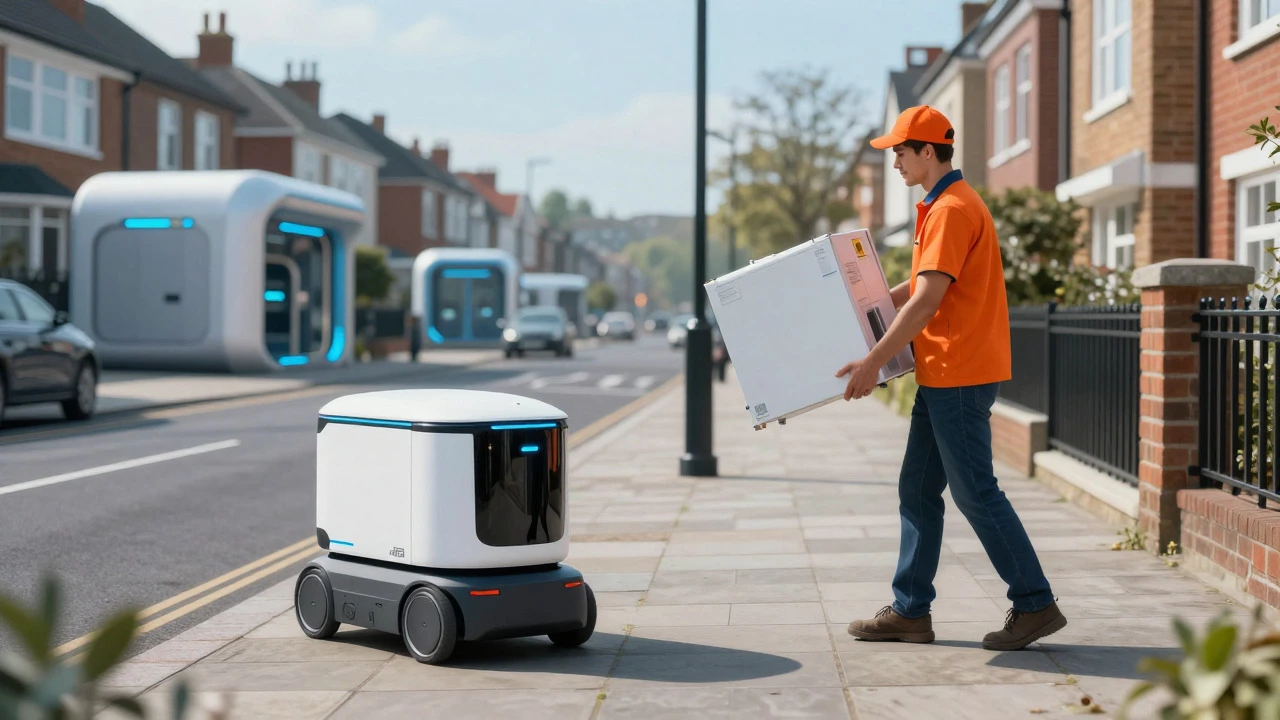
The landscape of Last Mile Delivery is the final stage of the shipping process, moving goods from a distribution center to the end consumer's doorstep is evolving rapidly. Automation and micro-hubs are beginning to impact traditional courier roles.
Urban areas are seeing the rise of micro-fulfillment centers located closer to residential zones. This reduces the distance couriers need to travel, potentially increasing the number of stops per hour. Conversely, autonomous delivery robots are handling short-distance drops in select neighborhoods, which may reduce demand for human couriers for small, lightweight packages.
To stay profitable, couriers should focus on services that require human interaction: heavy lifting, white-glove installation, or time-critical medical deliveries. These tasks are less likely to be automated in the next five years and command higher premiums.
FAQ
How much do couriers make per hour in 2026?
The average effective hourly rate for independent couriers ranges from $20 to $35, depending on location and route density. After deducting fuel and maintenance costs, the net profit per hour typically falls between $12 and $22.
Do I need a commercial license to be a courier?
In most regions, a standard driver’s license is sufficient if you are carrying light parcels under a certain weight limit. However, if you plan to drive large vans or trucks exceeding specific tonnage thresholds, you will need a commercial driver’s license (CDL) or equivalent regional permit.
Is it better to buy or lease a van for courier work?
Leasing is often recommended for new entrants to avoid large upfront capital expenditure and predictable monthly payments. Buying is more profitable long-term if you can secure a low-interest loan and expect to keep the vehicle for more than four years, as you build equity rather than paying off interest.
How does weather affect courier profitability?
Bad weather can double both costs and revenues. Fuel consumption increases in rain or snow, and traffic congestion extends drive times. However, demand often spikes during holidays or bad weather events, allowing couriers to charge premium rates or secure more jobs, which can offset the efficiency losses.
What is the break-even point for a courier business?
Break-even occurs when your total revenue covers all fixed and variable costs. For a typical solo courier with a leased van, this is approximately $2,000 to $2,500 in gross monthly revenue. Below this threshold, you are effectively working for free while paying for your own vehicle and fuel.