
International Shipping Cost Estimator
Package Details
Estimated Cheaper Option
Price Comparison
Enter package details to compare estimated shipping costs between DHL and UPS.
Shipping a package overseas is rarely just about getting it from Point A to Point B. It’s about doing so without draining your bank account. If you are standing at the crossroads of DHL and UPS, wondering which one will save you money, you are asking the right question. The short answer? There is no single winner. The cheapest option depends entirely on where the package is going, how heavy it is, and how fast you need it to arrive.
In 2026, both carriers have tightened their pricing models. They use complex algorithms that factor in fuel surcharges, dimensional weight, and regional demand. However, by understanding how these giants operate, you can predict which one will likely offer the better rate for your specific shipment. Let’s break down the real costs behind these two logistics behemoths.
The Core Pricing Difference: Network vs. Volume
To understand why prices differ, you have to look at how each company moves goods. DHL Express is a global courier network owned by Deutsche Post DHL Group, specializing in time-definite international air freight. Its strength lies in its massive international hub-and-spoke system, particularly through its central hub in Leipzig, Germany. This means if you are shipping between Europe, Asia, or Africa, DHL often has direct flights and fewer handoffs, which can keep costs lower for those specific routes.
UPS is a multinational delivery services company known for its extensive ground and air network, particularly strong in North America and domestic US shipments. UPS leverages sheer volume. Because they move an enormous amount of freight daily, they can sometimes negotiate better rates with airlines for belly cargo space. For shipments originating in or destined for the United States, Canada, or Latin America, UPS’s integrated ground-air network often provides a price advantage because they don’t always rely on third-party partners for the final leg.
Here is the rule of thumb: If your package is traveling across continents outside of North America, lean toward DHL. If it involves the Americas, lean toward UPS.
Weight Classes Matter More Than You Think
You cannot compare prices without looking at weight. Carriers switch pricing tiers based on the mass of your shipment. This is where the "cheaper" label flips dramatically.
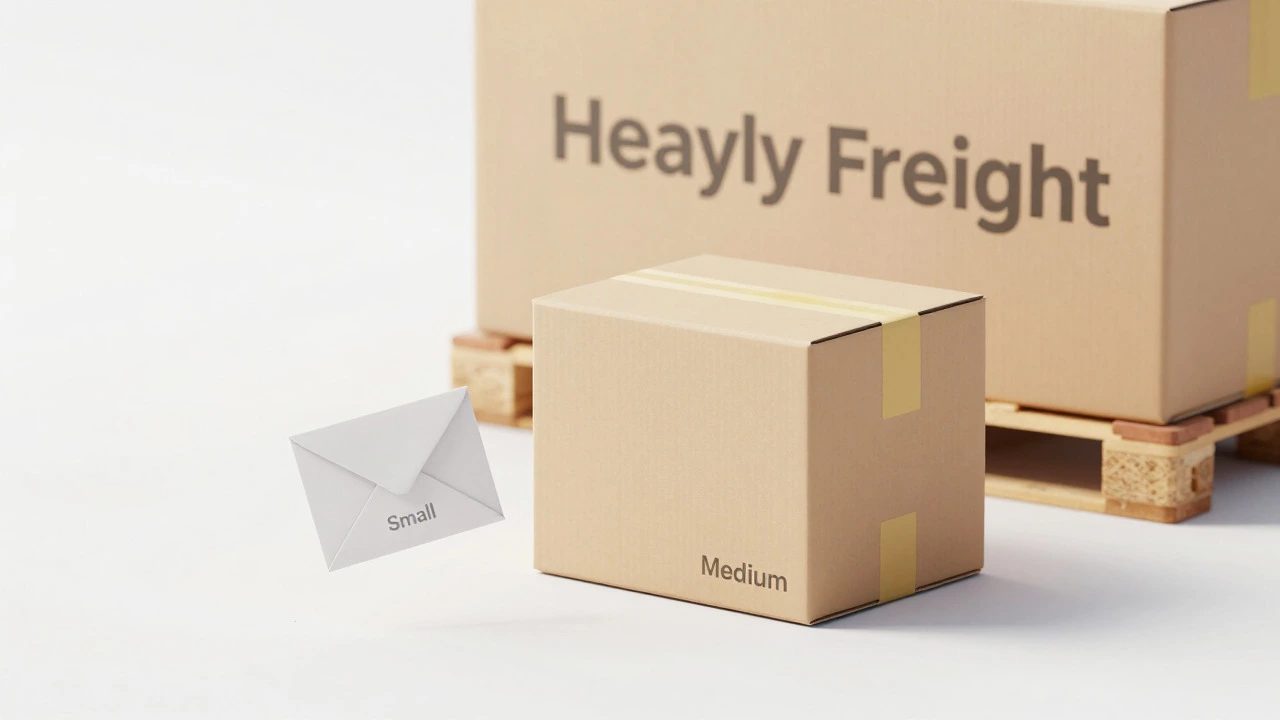
- Small Packages (Under 2 kg / 4.4 lbs): For small envelopes and boxes, DHL Express often offers competitive rates, especially for documents or low-value e-commerce items. Their "Express 9:00" or "Express 12:00" services might seem pricey, but their standard "Express Worldwide" service is frequently cheaper than UPS’s equivalent "Worldwide Expedited" for light items going to Europe or Asia.
- Medium Packages (2-21 kg / 4.4-46 lbs): This is the battleground. In this range, UPS Worldwide Saver often undercuts DHL. Why? Because UPS treats this weight class as part of its high-volume air freight strategy. If you are sending a box of samples or mid-sized retail goods, get quotes from both, but expect UPS to be more aggressive here.
- Heavy Freight (Over 21 kg / 46 lbs): Once you cross the 21kg threshold, you enter the realm of freight. Here, UPS Supply Chain Solutions often becomes significantly cheaper than DHL Express. DHL Express is designed for parcels; when things get heavy, their per-kg rates skyrocket. UPS has a more robust infrastructure for handling heavier pallets and crates via air freight, making them the budget-friendly choice for bulkier international orders.
The Hidden Costs: Dimensional Weight and Fuel Surcharges
The sticker price you see online is rarely what you pay. Both DHL and UPS use Dimensional Weight (DIM weight). This is a calculation based on the size of your box, not just its actual weight. If you ship a large, lightweight item (like a pillow or a plastic toy), you pay for the space it takes up in the plane.
The formula differs slightly:
- DHL: Typically uses a divisor of 5000 cm³/kg (for metric) or similar standards depending on the region.
- UPS: Often uses a divisor of 5000 cm³/kg internationally, but their enforcement can vary by lane.
If your package is bulky, measure it carefully. Sometimes, paying for a smaller box with UPS is cheaper than a larger box with DHL, even if DHL’s base rate looks lower. Always pack tight. Use bubble wrap instead of empty cardboard fillers. Every centimeter counts.
Then there are Fuel Surcharges. In 2026, with fluctuating oil prices, these fees change weekly. Both companies add a percentage to the base rate. Historically, DHL’s fuel surcharge has been slightly higher than UPS’s, but this gap narrows during periods of extreme fuel volatility. Check the current week’s surcharge table on their websites before printing labels.
Regional Breakdown: Where Does Each Carrier Win?
Geography is the biggest predictor of cost. Let’s look at specific corridors.
| Origin → Destination | Likely Cheaper Option | Reason |
|---|---|---|
| USA → Europe | UPS | Strong transatlantic volume and integrated ground pickup in the US lowers base costs. |
| Europe → Asia | DHL Express | Direct hubs in Leipzig and Singapore create efficient, lower-cost routing. |
| Asia → USA | Tie / UPS | UPS has strong Pacific routes; DHL competes closely. Get both quotes. |
| Australia → Europe | DHL Express | DHL has superior last-mile networks in Europe, reducing delivery fees. |
| North America → South America | UPS | UPS dominates the Americas corridor with dedicated freight capacity. |
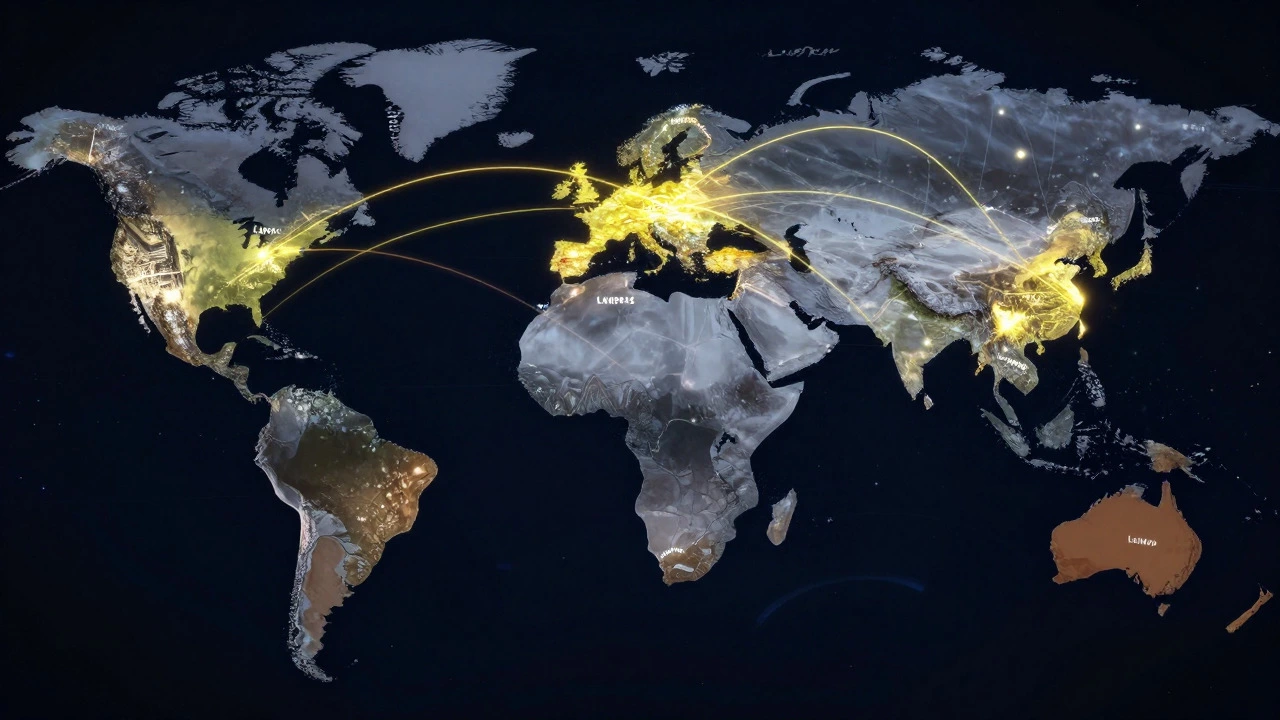
If you are shipping from Auckland, New Zealand, to London, DHL is almost always the cheaper and faster option due to their direct partnerships with ANZ-based airlines and their European dominance. If you are shipping from Auckland to Los Angeles, UPS often wins on price because they consolidate cargo from Oceania into their main US hub more efficiently for domestic distribution.
E-Commerce Sellers: Account Discounts Change Everything
If you are an individual sending one package, you pay retail rates. Retail rates are inflated. But if you are an e-commerce seller, the game changes completely. Both DHL and UPS offer negotiated discounts for businesses with consistent shipping volumes.
UPS Merchant Services allows businesses to buy prepaid labels at a discount, often 20-40% off list price. Similarly, DHL eCommerce Solutions provides discounted rates for online retailers. However, the depth of the discount depends on your monthly volume. UPS tends to offer deeper discounts for high-volume shippers in North America. DHL offers better incentives for shippers targeting European markets.
Pro Tip: If you ship regularly, open accounts with both. Many e-commerce platforms like Shopify or WooCommerce allow you to connect multiple carriers. Set up automatic comparison rules. For example, "If destination is EU, use DHL; if destination is US, use UPS." This automation ensures you never overpay.
Speed vs. Cost: The Trade-Off
Cheaper isn’t always better if it means your customer waits three weeks. Both carriers offer tiered services. You must match the service level to your customer’s expectation.
- DHL Express Worldwide: Usually 1-3 business days globally. Expensive, but reliable.
- DHL Economy Select: A slower, cheaper alternative for non-urgent packages. Can take 6-10 days. This is often the hidden gem for cost-conscious shippers who don’t need next-day delivery.
- UPS Worldwide Express: 1-3 business days. Comparable speed to DHL, often slightly higher cost for intra-US legs.
- UPS Worldwide Saver: Next-business-day delivery to major cities. Often cheaper than DHL Express for medium weights.
- UPS Standard: Economical service for less urgent shipments. Takes 6-10 business days. Direct competitor to DHL Economy.
If you can afford to wait 7 days instead of 2, switch to the "Economy" or "Standard" tier. The price drop is significant-often 30-50% less than express options.
How to Get the Best Rate Today
Don’t guess. Use tools. Here is your action plan to find the cheapest option for your specific package:
- Measure Accurately: Measure length, width, height in centimeters, and weigh in kilograms. Round up to the nearest whole number for dimensions.
- Use a Comparison Engine: Platforms like Pirate Ship, Shippo, or EasyPost aggregate rates from both DHL and UPS. These platforms often provide access to commercial pricing even for small sellers, beating retail rates.
- Check for Promotions: In 2026, both carriers occasionally run promotions for new business accounts. Look for "first 10 shipments free" or discounted fuel surcharges.
- Consider Consolidation: If you are sending multiple items to the same country, combine them into one box. Two small packages incur double the handling fees. One large package might trigger dimensional weight, but it’s usually still cheaper than two separate labels.
- Verify Customs Documentation: Incorrect paperwork leads to delays and extra fees. Both DHL and UPS charge hefty customs clearance fees if your invoice is vague. Be specific with descriptions. "Gift" is not a valid description for commercial goods.
When to Choose Neither
Sometimes, neither DHL nor UPS is the cheapest. For very slow, non-urgent shipments (15-30 days), consider national postal services like USPS (US), Royal Mail (UK), or NZ Post (New Zealand). They offer services like ePacket or Global Priority Mail that can be drastically cheaper for small, lightweight items under 2kg. However, tracking is often less detailed, and insurance limits are lower. Use postal services only if cost is the absolute priority and speed is irrelevant.
Is DHL always more expensive than UPS?
No. DHL is often cheaper for shipments between Europe, Asia, and Africa due to its specialized international network. UPS is typically cheaper for shipments involving North and South America. For small packages under 2kg, DHL’s economy services can also undercut UPS.
Which is better for heavy international freight?
For packages over 21kg (46lbs), UPS is generally more cost-effective. DHL Express is optimized for parcels, and their rates increase sharply for heavier items. UPS has a stronger infrastructure for handling heavier air freight and palletized goods.
Do DHL and UPS charge different fuel surcharges?
Yes. Both carriers adjust fuel surcharges weekly based on global oil prices. While the percentages fluctuate, DHL’s surcharges have historically been slightly higher than UPS’s. Always check the current week’s surcharge table on their official sites before shipping.
Can I get discounted rates as a small business?
Yes. Both DHL and UPS offer commercial accounts with negotiated discounts. Additionally, using third-party shipping platforms like Shippo or Pirate Ship can give you access to pre-negotiated rates without needing high shipping volumes.
What is dimensional weight and how does it affect my cost?
Dimensional weight charges you based on the size of your package rather than its actual weight. If your box is large but light, you pay for the space it occupies. To minimize costs, pack items tightly and choose the smallest possible box that fits your contents securely.