International Shipping Cost Calculator
Compare shipping costs from the cheapest countries in 2026. Based on 2025-2026 data from global freight aggregators and customs reports.
Estimated Cost
$0.00
Compare: Shipping from Vietnam costs compared to your current location.
When you’re shipping goods overseas, where you start matters just as much as where you’re going. Many businesses assume shipping costs are set by the destination, but the truth is, cheapest countries to ship from can cut your logistics bills by 40% or more. It’s not magic-it’s geography, infrastructure, and local labor markets working together.
Why the origin country changes everything
Think of international shipping like a relay race. The first runner-the country you’re shipping from-sets the pace. If they’re slow, inefficient, or overpriced, the whole team suffers. Some countries have ports that handle 500,000 containers a month. Others still rely on manual loading and outdated customs systems. The difference? Up to $800 per container.It’s not just about ports. Labor costs, government fees, fuel surcharges, and even local tax policies affect how much you pay to get your package onto a ship. A small business in Vietnam might pay $12 to ship a 5kg parcel to the U.S. A similar shipment from Germany? $38. That’s not a typo.
The top 5 cheapest countries to ship from in 2026
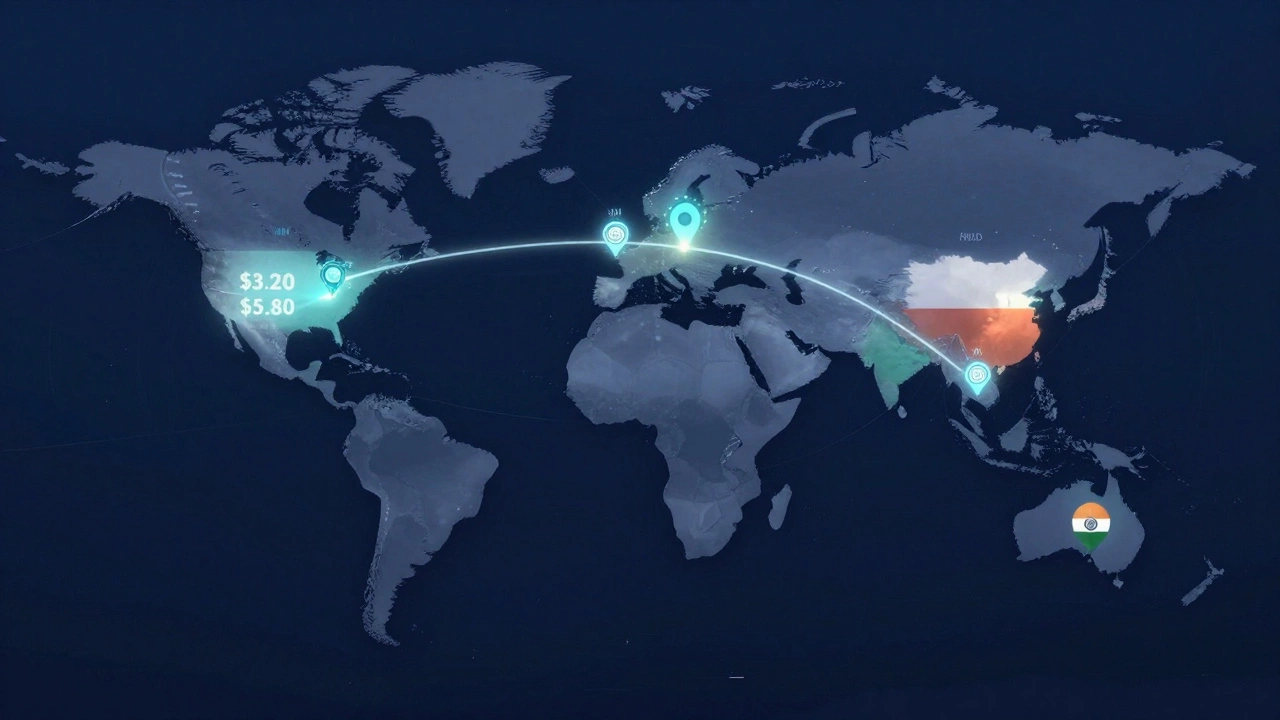
Based on 2025-2026 data from global freight aggregators and customs reports, here are the five countries offering the lowest outbound shipping rates for small to medium businesses:- Vietnam - Known for electronics, apparel, and furniture. Average cost to ship 1kg to the U.S.: $3.20. Ports like Hai Phong and Ho Chi Minh City handle over 10 million TEUs yearly. Labor costs are among the lowest in Asia, and export incentives are strong.
- Malaysia - A hub for electrical components and medical supplies. Average cost to ship 1kg to Europe: $4.10. Kuala Lumpur International Airport has one of the fastest customs clearance times in Southeast Asia-under 4 hours on average.
- Poland - The fastest-growing logistics hub in Europe. Average cost to ship 1kg to the U.S.: $5.80. Thanks to EU infrastructure funding and rail links to China’s Belt and Road, Polish exporters get bulk discounts most Western countries don’t. India - Dominates in textiles, pharmaceuticals, and engineering goods. Average cost to ship 1kg to the U.K.: $3.90. Major ports like Mumbai and Chennai offer direct routes to North America and Europe. Government subsidies on export documentation cut administrative fees by up to 30%.
- Thailand - Strong in auto parts, rubber, and food processing. Average cost to ship 1kg to Australia: $4.50. The Laem Chabang port is automated, 24/7, and has direct services to North America. Fuel surcharges are lower than in Singapore or South Korea.
What makes these countries so cheap?
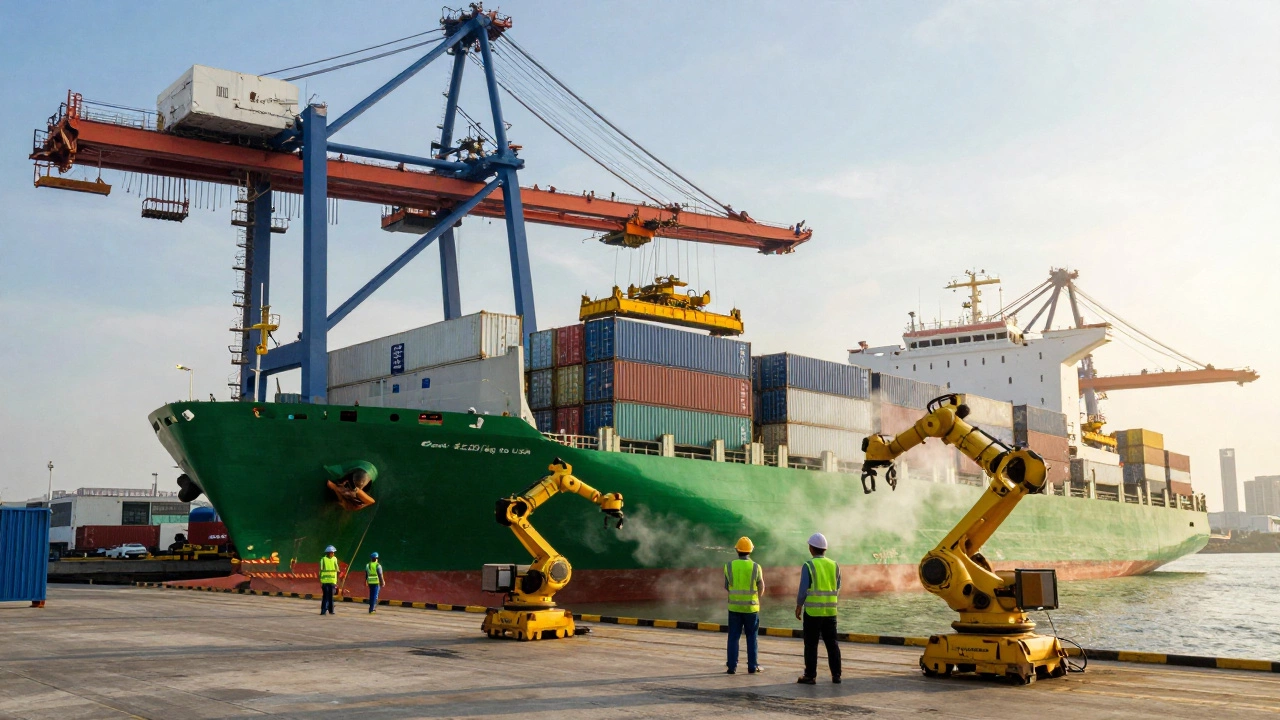
It’s not luck. Each of these countries has built shipping advantages on purpose.Vietnam and Thailand have invested heavily in port automation. Robots load containers now. No more waiting 12 hours for a forklift. Malaysia streamlined its customs system using AI-documents are scanned, verified, and approved in under 20 minutes. Poland benefits from being inside the EU, which means no import/export paperwork when shipping to other EU countries. India slashed export taxes in 2024 and now offers free logistics training to small exporters.
These aren’t just anecdotes. In 2025, the World Bank ranked Vietnam #1 in logistics performance among low-income countries. Malaysia jumped to #14 globally in the Global Competitiveness Index for trade infrastructure. Poland’s rail freight costs dropped 22% year-over-year after EU subsidies kicked in.
Countries to avoid if cost is your priority
Not all countries are created equal. Some are expensive for reasons you can’t control.United States - Even with FedEx and UPS, outbound shipping from the U.S. is 2-3x costlier than from Asia. Why? High labor costs, port congestion in LA and Long Beach, and strict customs inspections. A 2kg package to the U.K. can cost $45.
Germany - High quality, high price. German ports are efficient, but labor unions drive up handling fees. A 1kg parcel to Canada? Around $40. You get reliability, but not affordability.
Japan - Technically advanced, but expensive. Strict packaging rules, high fuel taxes, and limited container space mean exporters pay more just to get out of the country. A 5kg shipment to Australia? $55 minimum.
Brazil - Despite being a large economy, Brazil’s bureaucracy is a nightmare. Customs delays average 14 days. You’ll pay extra for every document, every stamp, every signature. Shipping from São Paulo to Miami? Often $60+, even for lightweight goods.
How to find the best shipping rates from these countries
You don’t need a logistics degree. Here’s how real businesses do it:- Use freight aggregators - Platforms like Flexport, ShipBob, and Alibaba Logistics let you compare real-time rates from multiple ports. No guesswork.
- Ship in bulk - If you’re sending 50+ packages, ask for LCL (Less than Container Load) rates. A single 20ft container from Ho Chi Minh City to Los Angeles can cost as low as $2,800-$56 per box if you fill it.
- Choose the right port - Not all ports in a country are equal. In India, shipping from Chennai is 18% cheaper than from Mumbai. In Vietnam, Da Nang offers lower fees than Hanoi.
- Time it right - Avoid peak seasons. November and December? Prices spike 40%. January and February? Lowest rates of the year. That’s why smart sellers ship in January.
- Check for export grants - Many countries offer subsidies. Thailand gives up to $1,500 to small exporters for first-time international shipments. Malaysia waives export documentation fees for businesses under 5 employees.
Real example: A New Zealand seller’s savings
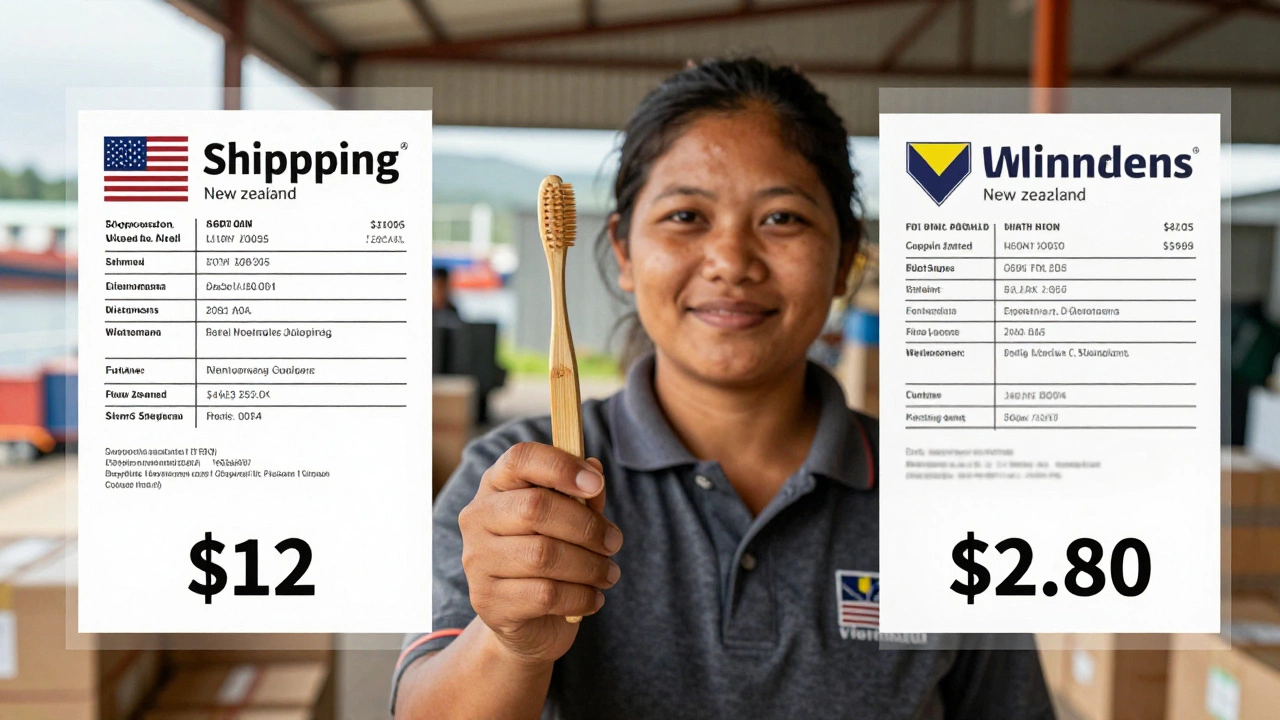
A small business in Auckland sells handmade bamboo toothbrushes. Before 2024, they shipped from New Zealand to the U.S. at $12 per 500g parcel. They switched to sourcing from Vietnam-same product, same packaging-and now pay $2.80 per parcel. That’s a 77% drop. They now ship 3x more units monthly without increasing costs.They didn’t change their product. They changed where they shipped from.
What about shipping to the U.S., Europe, or Australia?
The cheapest country to ship from depends on your destination.If you’re shipping to the U.S., Vietnam, India, and Poland are your best bets. The trans-Pacific route is saturated, so competition keeps prices low.
To Europe, Malaysia and Poland win. Both have direct rail and air links with minimal customs delays. Poland’s EU membership means no tariffs.
To Australia, Thailand and Vietnam lead. Shorter sea routes, fewer transshipment stops, and lower fuel surcharges make these two cheaper than shipping from China or Indonesia.
Bottom line: Don’t ship from where you are-ship from where it’s cheapest
Your location doesn’t have to be your shipping location. If you’re in New Zealand, Canada, or Germany, you can still source products from Vietnam or India and ship them out at half the cost. The global supply chain isn’t about where you live-it’s about where you connect.Start by testing one shipment from Vietnam. Use a freight aggregator. Compare it to your current rate. If you save even $200 on a single container, you’ve already paid for the research.
Is it cheaper to ship from China or Vietnam?
In 2026, Vietnam is generally cheaper than China for small to medium shipments. While China still dominates in volume, its port fees and labor costs have risen. Vietnam now offers lower handling fees, fewer surcharges, and better export incentives. A 1kg parcel to the U.S. costs $3.20 from Vietnam vs. $4.10 from China. For businesses shipping under 100 containers/month, Vietnam is the better value.
Can I ship from India without a local business license?
Yes. Many Indian exporters use third-party logistics providers (3PLs) that handle documentation, customs, and shipping on your behalf. Companies like Shiprocket and Fship allow international sellers to ship from India without needing an Indian business license. You just provide the goods, and they handle the rest. This is common for dropshippers and e-commerce brands.
Why is shipping from Poland so cheap?
Poland benefits from EU infrastructure funding, low labor costs compared to Western Europe, and direct rail connections to China. The country has invested over €3 billion in port and rail upgrades since 2020. Polish exporters get bulk discounts on rail freight, and customs clearance takes under 3 hours. Plus, shipping to other EU countries is tariff-free, making it a gateway to the entire bloc.
Are there hidden fees when shipping from these countries?
Yes-but they’re predictable. Watch for: fuel surcharges, customs clearance fees, documentation charges, and port congestion fees. The cheapest countries minimize these, but always ask your freight forwarder for a line-item breakdown. Vietnam and Malaysia include most fees in their quotes. The U.S. and Brazil often hide fees until the last minute.
Should I use air freight or sea freight from these countries?
For cost, always choose sea freight unless you’re shipping perishables or urgent goods. Sea freight from Vietnam to the U.S. costs $1.20 per kg. Air freight? $8.50 per kg. That’s a 7x difference. Most small businesses use sea freight for 90% of their shipments. Use air only for samples, emergency restocks, or high-value items.
Next steps: How to start shipping from a cheaper country
1. Identify your product’s origin - Can you source it from Vietnam or India instead of your home country? 2. Find a freight forwarder - Use platforms like Flexport or Alibaba Logistics. They’ll connect you with verified exporters. 3. Test one shipment - Ship 10 units. Track costs, delivery time, and quality. 4. Scale - Once you see savings, increase volume. The more you ship, the lower the rate. 5. Reinvest - Use your savings to improve packaging, marketing, or customer service.Shipping isn’t about geography. It’s about strategy. The cheapest countries to ship from aren’t random-they’re deliberate choices made by smart businesses. You don’t need to be in them. You just need to know how to use them.