Amazon Pallet Profitability Calculator
Estimate your actual take-home profit after buying a pallet. Remember to account for "junk rate," shipping, and your own labor time.
Pallet & Cost Details
Profit Analysis
You see the ads everywhere on social media: "Buy an Amazon return pallet for $200 and resell it for $2,000!" It sounds like modern-day gold mining. You pay a flat fee, get a giant wooden box full of mystery items, and hope you don't find mostly junk. But is buying Amazon pallets actually a viable business strategy, or is it just hype? The short answer is yes, they are real, but the reality is far more complex than the TikTok videos suggest.
If you live in Auckland or anywhere else, you might be tempted to jump into this game. Before you hand over your credit card, you need to understand what these pallets actually contain, who sells them, and why some people make bank while others end up with a garage full of unsellable trash. Let's break down the mechanics of Amazon pallet liquidation so you can decide if it fits your logistics and resale goals.
What Exactly Are Amazon Pallets?
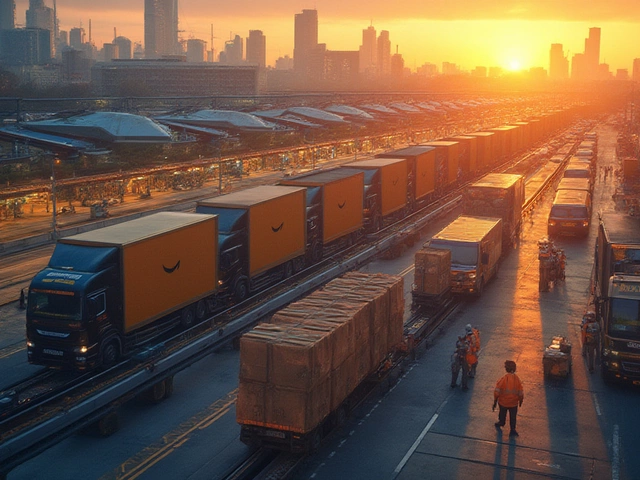
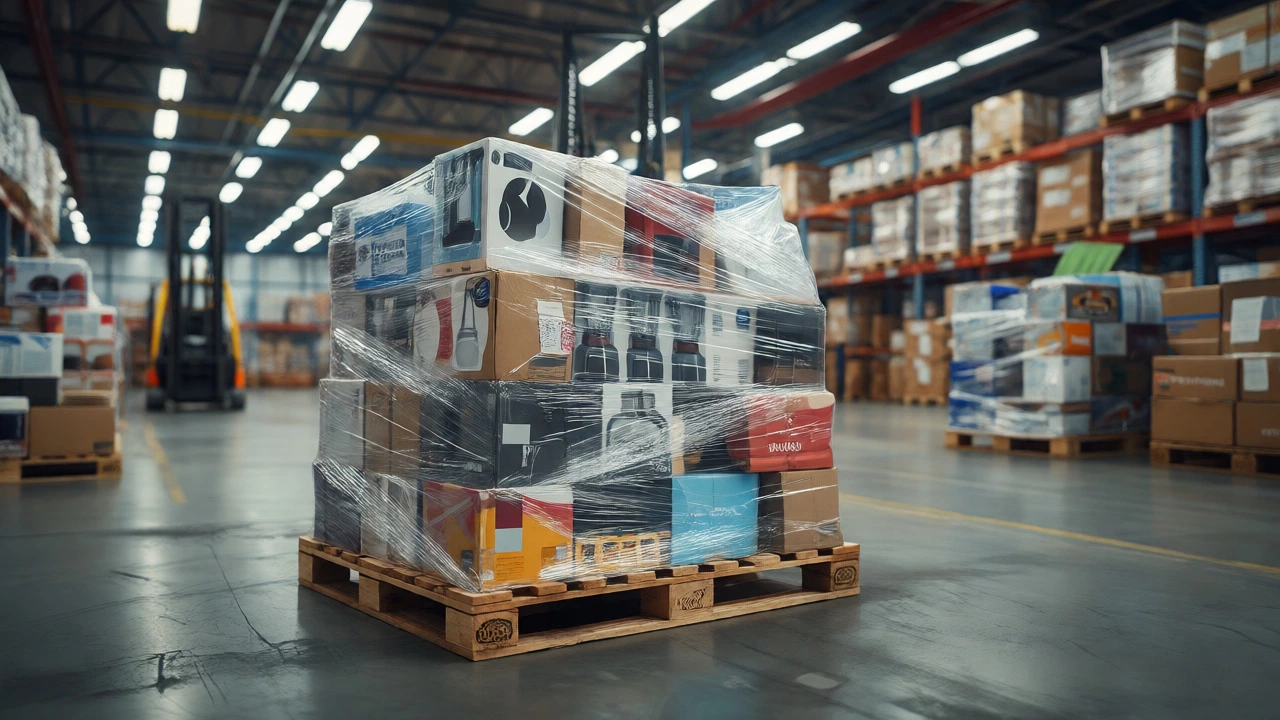
When people talk about "Amazon pallets," they are usually referring to one of two things: customer returns or overstock inventory. Neither is exactly "new." When a customer buys something from Amazon and sends it back, that item doesn't always go back on the shelf. If it's damaged, opened, or missing parts, Amazon classifies it as "returns." They have too much of this stuff to sell individually, so they bundle hundreds of items onto a single standard shipping pallet.
Amazon Return Pallets are essentially bundles of mixed goods sold by weight or lot size. These items come from Amazon's massive fulfillment centers. Once returned, they undergo a sorting process at third-party liquidation warehouses. The pallets are then auctioned off to buyers like you.
It's crucial to distinguish between different grades. Not all pallets are created equal. Here is how the industry typically categorizes them:
- New: Unopened, perfect condition. Rare on liquidation pallets.
- Saleable: Opened but functional. Might have minor cosmetic damage.
- Damaged: Broken, missing parts, or water-damaged. Often sold as scrap or for parts.
- Mixed: A lottery ticket. Could be 50% saleable, could be 90% trash.
The Supply Chain: From Customer Doorstep to Your Garage
How does a blender bought in Seattle end up on a pallet in New Zealand? It’s a logistical marathon. When a customer initiates a return, the carrier picks up the item. It goes to a local sort center. If it’s deemed unsellable as new, it moves to a consolidation hub. This is where the magic (and the mess) happens.
Large liquidators buy truckloads of these mixed returns directly from Amazon or through authorized partners like Liquidation.com or B-Stock Group. These platforms act as intermediaries. They inspect, manifest (list contents), and repack the goods. If you are in New Zealand, you likely won't buy directly from Amazon US. Instead, you buy from local distributors who import these pallets in containers.
This adds layers of cost. Freight, customs clearance, and local warehousing all inflate the price before it reaches your door. That $200 pallet you saw online might cost $450 landed in Auckland because of international shipping fees. Always ask for the "landed cost" before bidding.
Who Actually Buys These Pallets?
You might think only big retailers do this, but the market is surprisingly diverse. Three main groups dominate the Pallet Delivery and liquidation space:
- Resellers: Individuals selling on eBay, Trade Me, or Facebook Marketplace. They rely on high-margin items like electronics or branded clothing.
- Discount Stores: Brick-and-mortar shops that need volume to fill shelves cheaply. They prefer predictable manifests.
- Scrap Dealers: Buyers who care less about individual value and more about raw materials or salvage rights.
For most beginners, the goal is arbitrage. You buy low, sort quickly, and sell high. But here is the catch: time is money. Every hour you spend testing a toaster or cleaning a dirty shirt eats into your profit margin. Successful buyers treat it like a warehouse operation, not a hobby.
The Risks: Why People Get Burned
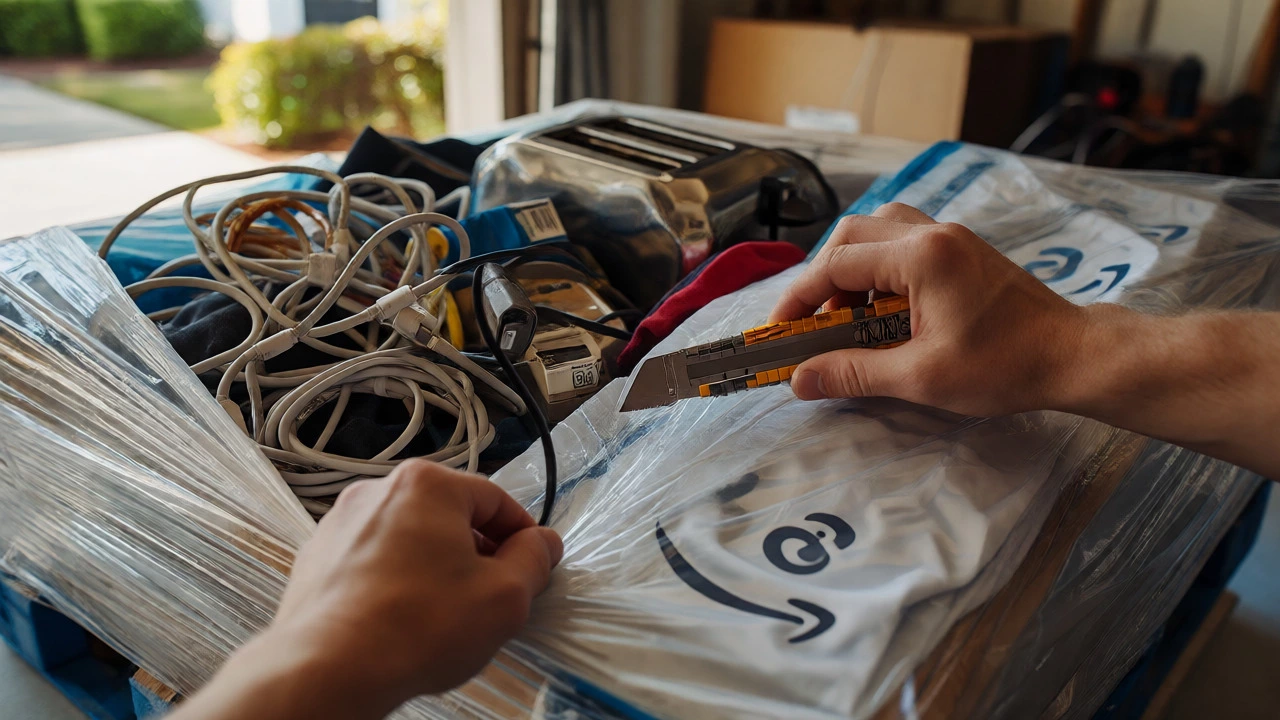
Let's be honest: many first-time buyers lose money. Why? Because they underestimate the "junk rate." A manifest might say "Electronics," but that includes broken chargers, tangled cables, and dead headphones. Without proper testing equipment, you might list an item as "for parts" when it was actually worth $100.
Another major risk is fraud. Some unscrupulous sellers mix low-value items into high-value categories. They might throw a few expensive phones into a pile of $2 phone cases to justify a higher price. Always check the seller's reputation. Look for reviews that mention specific pallet IDs, not just generic praise.
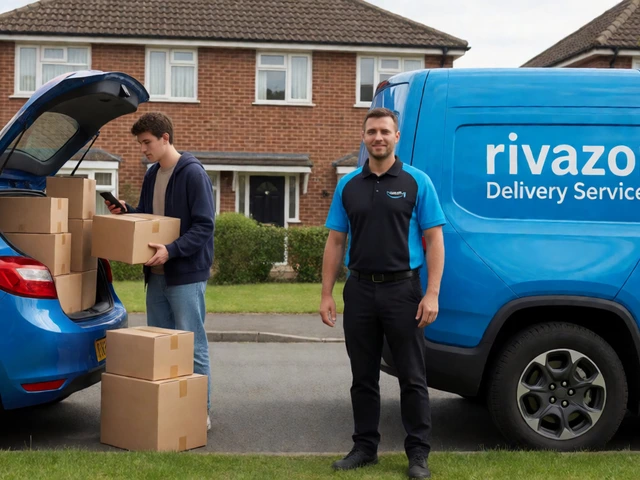
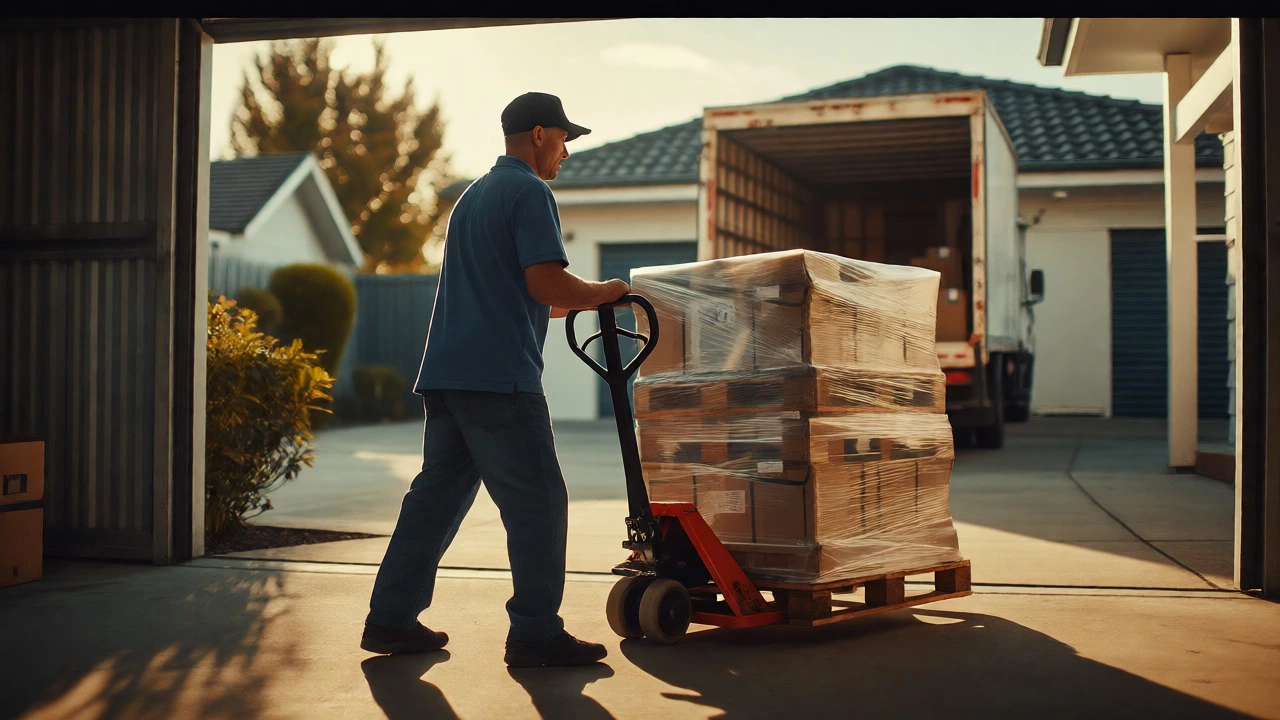
Then there is the logistics nightmare. Getting a pallet delivered isn't like getting a parcel. You need a loading dock or a forklift. In residential areas, drivers often refuse to unload without assistance. You might need to hire labor or rent equipment. Factor in pallet delivery costs, which can range from $50 to $200 depending on location and access difficulty.
Comparison: Direct vs. Local Liquidators
Should you try to import directly or buy locally? Here is a quick breakdown of the trade-offs.
| Factor | Direct Import (e.g., via B-Stock) | Local Liquidator (NZ/AU based) |
|---|---|---|
| Cost Per Pallet | Lower base price ($100-$300) | Higher base price ($300-$600) |
| Shipping Time | 4-8 weeks | 1-7 days |
| Risk Level | High (no inspection before payment) | Medium (can sometimes view samples) |
| Logistics Burden | Heavy (customs, freight forwarder) | Light (local courier/delivery) |
| Best For | Experienced buyers with storage space | Beginners and small resellers |
How to Spot a Good Deal
Not every pallet is a bust. Experienced buyers look for specific clues. First, check the category. Electronics tend to have higher variance-some gold, lots of dust. Home goods and tools are safer bets because even used items retain value. Clothing is tricky due to sizing and hygiene concerns unless you have a strong niche.
Second, look at the manifest detail. Vague descriptions like "Miscellaneous" are red flags. Detailed manifests listing brand names and quantities are better. Third, consider the season. Buying summer gear in winter means lower prices but slower sales. Timing matters.
A pro tip: start small. Don't buy a container load. Buy one pallet. Sort it completely. Calculate your actual hourly wage after selling everything. If you made $5/hour, you need to rethink your sourcing or selling strategy.
Is It Worth It in 2026?
The market has matured. The wild west days of finding $500 laptops for $5 are largely gone. Competition is fierce, and algorithms on platforms like eBay adjust prices instantly. However, opportunities remain. Niche markets, such as specialized tools or vintage collectibles hidden in general mixes, still offer upside.
For those in logistics, understanding pallet dynamics is key. Whether you run a courier service or manage a warehouse, knowing how to handle inbound bulk shipments efficiently gives you an edge. Amazon pallets aren't just consumer products; they represent a significant flow of reverse logistics that keeps the supply chain moving.
If you have the space, the patience, and the hustle, buying pallets can be profitable. If you expect passive income, keep looking. It’s hard work, but for the right person, it beats working a 9-to-5 job.
Do Amazon pallets guarantee a profit?
No, there is no guarantee. Profit depends on your ability to identify valuable items, repair minor defects, and sell efficiently. Many beginners lose money due to underestimating labor costs and unsellable items.
Can I return items from an Amazon pallet?
Generally, no. Liquidation purchases are sold "as-is" and "where-is." Once you accept the pallet, you own the risk of any damage or missing items. Always read the terms of sale carefully before bidding.
How heavy is a typical Amazon pallet?
A standard liquidation pallet weighs between 200kg and 500kg (440lbs to 1100lbs). Weight varies significantly based on whether the contents are dense (like books or tools) or light (like clothing or pillows).
Do I need a business license to buy pallets?
It depends on your local regulations. In New Zealand, you may need to register for GST if your turnover exceeds $60,000 annually. Check with your local council regarding home-based business rules if you plan to store large volumes.
What is the best way to sell pallet items?
High-value items should go to eBay or Trade Me for maximum reach. Lower-value or bulk items work well on Facebook Marketplace or local discount stores. Bundling similar items can also speed up sales.