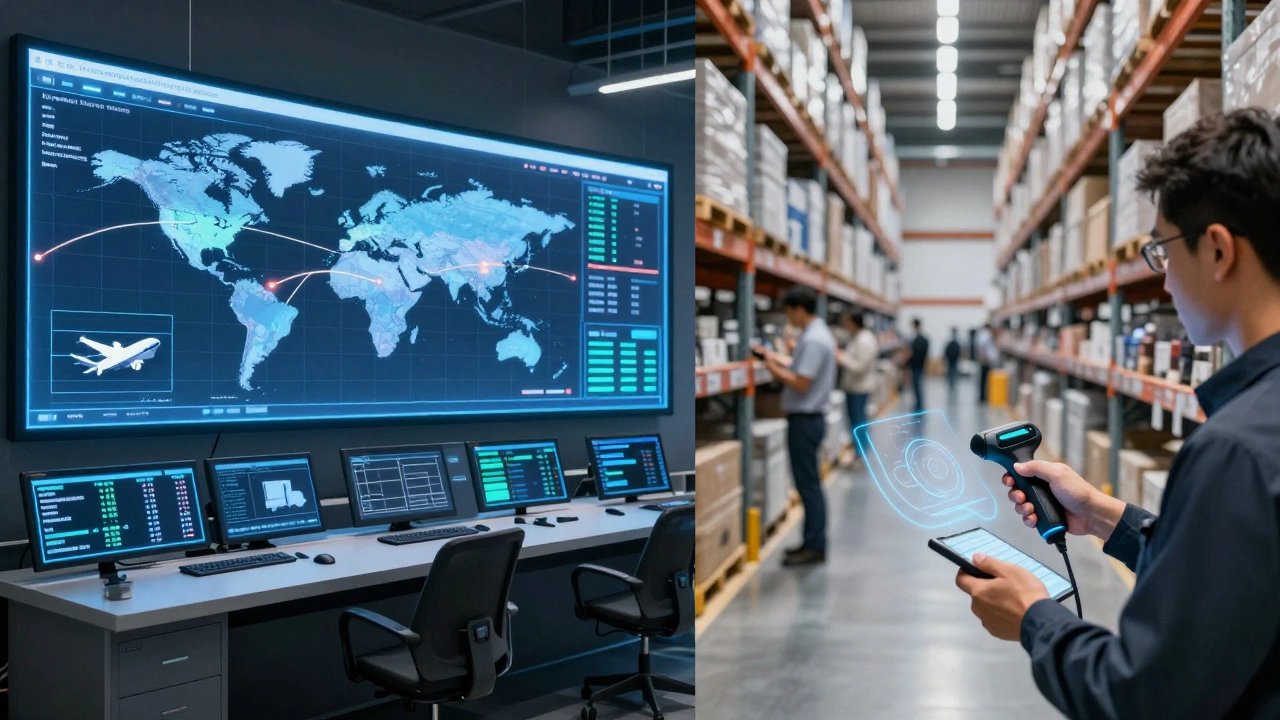
Logistics Software Recommender
Select your primary business challenge to discover the most suitable logistics software solution for your operations.
Imagine you just sold a batch of high-end electronics online. The order is placed, but now the real work begins. You need to know if the items are actually in stock, where they are sitting in the warehouse, which truck will pick them up, and exactly when they will arrive at the customer's door. If any of these steps fail, your reputation takes a hit. This is why modern logistics relies heavily on specialized logistics software. It is not just one program; it is an ecosystem of tools designed to keep goods moving efficiently from point A to point B.
In 2026, the logistics landscape has shifted dramatically. Manual spreadsheets and phone calls are no longer enough to handle the volume and speed required by today’s consumers. Companies use a combination of platforms to manage inventory, transport, warehousing, and last-mile delivery. Understanding what these tools are and how they connect is crucial for anyone looking to streamline their supply chain operations.
The Core Engine: Transportation Management Systems (TMS)
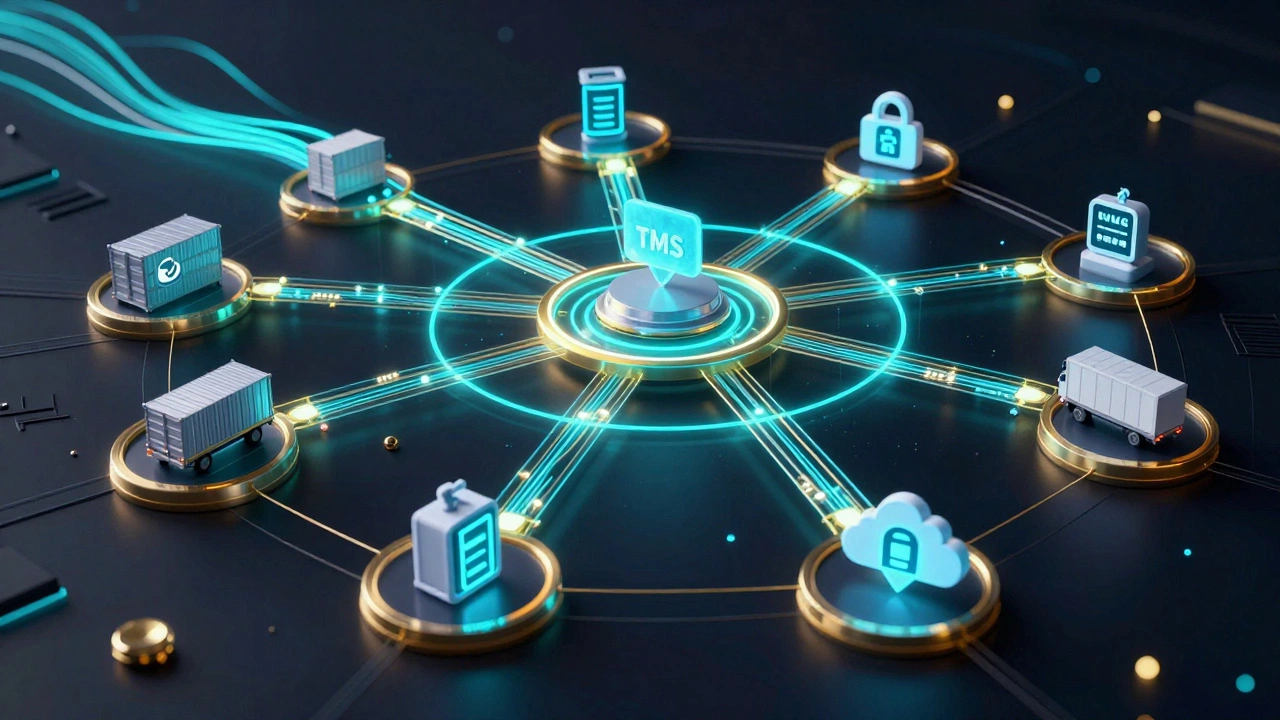
At the heart of most logistics operations lies the Transportation Management System, or TMS. Think of this as the brain that decides how goods move. A TMS helps businesses plan, execute, and optimize the physical movement of goods. It connects shippers with carriers, ensuring that the right freight gets on the right vehicle at the best possible price.
Transportation Management System (TMS) is software that automates the planning, execution, and optimization of freight transportation. Key features include carrier selection, rate shopping, load consolidation, and freight audit and payment. Modern TMS platforms often integrate directly with ERP systems to pull order data automatically.Why do companies rely on TMS? Because manual booking is slow and error-prone. With a TMS, you can compare rates from multiple carriers instantly. For example, if you need to ship a pallet from Chicago to Atlanta, the software checks available capacity with FedEx Freight, UPS Supply Chain Solutions, and regional LTL carriers. It then recommends the most cost-effective option based on your negotiated contracts. This process, which used to take hours of calling around, now happens in seconds.
Beyond booking, TMS handles tracking and documentation. It generates bills of lading, ensures compliance with regulations like electronic logging devices (ELD) for drivers, and provides real-time visibility into shipment status. If a truck breaks down or traffic causes a delay, the system alerts you immediately, allowing you to reroute the shipment or notify the customer proactively.
Organizing the Inventory: Warehouse Management Systems (WMS)
Before goods can be transported, they must be stored and picked accurately. This is where the Warehouse Management System, or WMS, comes into play. While a TMS focuses on movement outside the four walls, a WMS manages everything inside the warehouse. It tracks inventory levels, directs workers on where to put away incoming goods, and optimizes picking routes for outgoing orders.
Warehouse Management System (WMS) is specialized software that controls and administers warehouse operations including receiving, putaway, picking, packing, and shipping. It uses barcode scanning, RFID technology, and sometimes robotics to ensure accuracy and speed.Consider a busy fulfillment center during the holiday season. Without a WMS, workers might wander through aisles guessing where items are located. With a WMS, handheld scanners guide employees to the exact bin location. The system calculates the most efficient path to pick multiple items in a single trip, reducing walking time and increasing productivity. It also prevents stockouts by alerting managers when inventory falls below a certain threshold.
Modern WMS solutions often support advanced strategies like cross-docking, where goods are transferred directly from inbound to outbound trucks with minimal storage time. This reduces handling costs and speeds up delivery times. Integration with automation hardware, such as conveyor belts and autonomous mobile robots (AMRs), is becoming standard in large warehouses, further enhancing efficiency.
Keeping Track of Assets: Fleet Management Software
If you own your own trucks rather than relying solely on third-party carriers, you need Fleet Management Software. This tool monitors your vehicles, drivers, and fuel consumption. It provides insights into driver behavior, maintenance schedules, and route efficiency. By keeping tabs on your fleet, you can reduce operational costs and improve safety.
Fleet management tools use GPS tracking to show the real-time location of every vehicle. But it goes deeper than just maps. Telematics devices installed in trucks collect data on engine performance, idle time, harsh braking, and rapid acceleration. Managers can use this information to coach drivers on safer driving habits, which lowers insurance premiums and reduces accident risks. Maintenance alerts remind teams when oil changes or tire rotations are due, preventing costly breakdowns on the road.
Fuel management is another critical aspect. Since fuel is often the largest expense for a fleet, software that identifies inefficient routes or excessive idling can save thousands of dollars annually. Some platforms even integrate with fuel card systems to automate expense reporting and detect fraudulent transactions.
The Final Step: Last-Mile Delivery Platforms
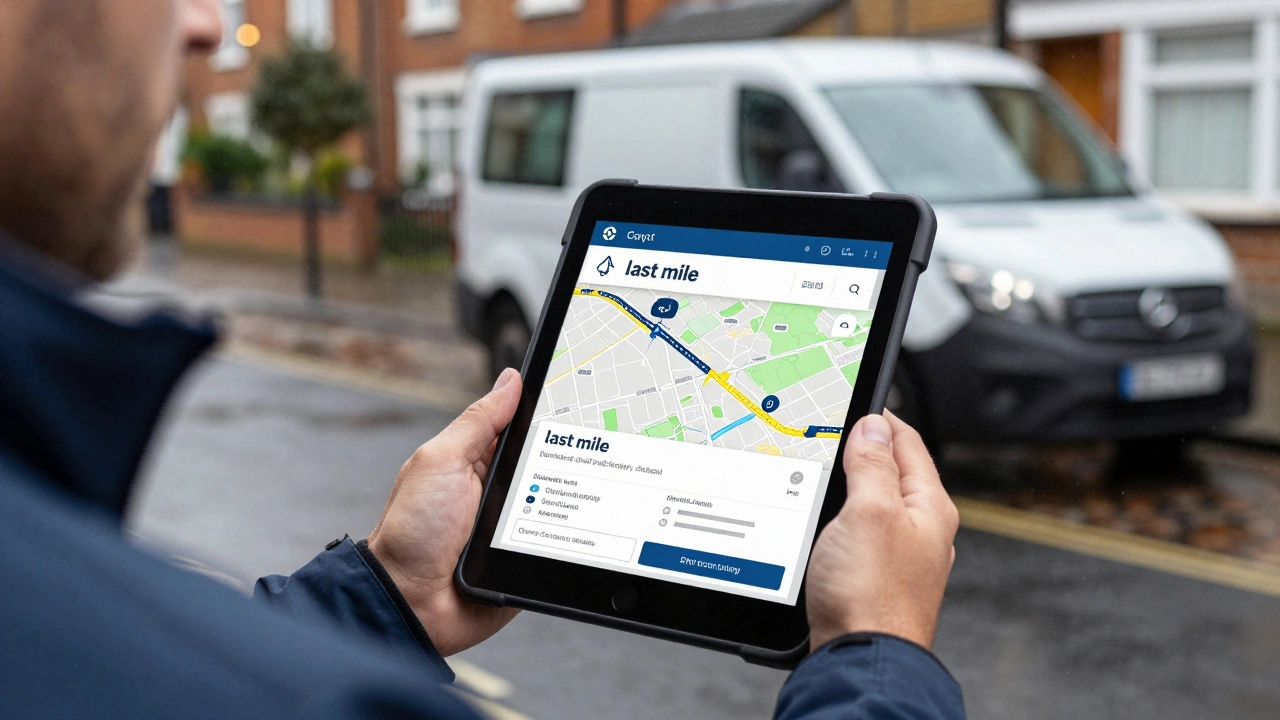
The last mile-the final leg of the journey from a distribution center to the customer’s doorstep-is often the most expensive and complex part of logistics. Last-mile delivery software specializes in optimizing this phase. It handles dynamic routing, proof of delivery, and customer communication. As e-commerce grows, so does the demand for fast, reliable last-mile services.
These platforms create optimized delivery routes that account for traffic patterns, weather conditions, and delivery windows. They allow customers to track their packages in real time, similar to how you track a ride-share car. Drivers receive turn-by-turn navigation instructions and can capture digital signatures or photos as proof of delivery. This transparency builds trust with customers and reduces the number of missed deliveries or complaints.
For businesses using gig-economy drivers or crowdsourced couriers, last-mile software provides a marketplace to find available drivers quickly. It matches delivery requests with nearby drivers based on proximity and availability, ensuring timely pickups and drop-offs. This flexibility is essential for handling peak periods when traditional courier networks may be overwhelmed.
Connecting the Dots: Supply Chain Visibility Tools
Individually, TMS, WMS, and fleet software are powerful. But together, they form a cohesive network only if they share data seamlessly. Supply chain visibility tools act as the glue, providing an end-to-end view of the entire logistics process. These platforms aggregate data from various sources-carriers, warehouses, suppliers, and internal systems-to create a single source of truth.
Visibility dashboards display key performance indicators (KPIs) such as on-time delivery rates, inventory turnover, and transportation costs. They highlight bottlenecks and anomalies, enabling proactive problem-solving. For instance, if a supplier delays raw materials, the visibility tool can predict the impact on production schedules and suggest alternative sourcing options.
In an increasingly globalized world, supply chains are vulnerable to disruptions like natural disasters, geopolitical tensions, or port congestion. Visibility tools help mitigate these risks by providing early warnings and scenario planning capabilities. Companies can simulate different disruption scenarios and develop contingency plans to maintain continuity.
| Software Type | Primary Function | Key Users | Main Benefit |
|---|---|---|---|
| TMS | Freight planning & execution | Shippers, 3PLs | Cost reduction & carrier optimization |
| WMS | Inventory control & picking | Warehouse managers | Accuracy & space utilization |
| Fleet Management | Vehicle & driver monitoring | Fleet owners | Safety & fuel savings |
| Last-Mile Platform | Final delivery optimization | E-commerce retailers | Customer satisfaction & speed |
Emerging Trends Shaping Logistics Software in 2026
The logistics technology sector evolves rapidly. In 2026, several trends are reshaping how software is built and used. Artificial intelligence (AI) and machine learning (ML) are no longer buzzwords; they are integral components. AI algorithms analyze historical data to predict demand surges, optimize inventory levels, and forecast potential delays. ML models continuously learn from new data, improving their recommendations over time.
Blockchain technology is gaining traction for enhancing transparency and security. By creating immutable records of transactions, blockchain reduces fraud and simplifies audits. Smart contracts automate payments upon successful delivery, eliminating disputes and speeding up cash flow. Although adoption is still growing, major players are experimenting with blockchain-based supply chains.
Cloud computing remains the dominant deployment model. Cloud-based logistics software offers scalability, lower upfront costs, and easier updates compared to on-premise solutions. Multi-tenant architectures allow vendors to roll out new features globally without disrupting individual users. Security concerns have been addressed through robust encryption and compliance certifications, making cloud a viable option for sensitive data.
Integration capabilities are more important than ever. APIs (Application Programming Interfaces) enable different software systems to communicate effortlessly. Whether connecting a TMS to an e-commerce platform like Shopify or linking a WMS to an ERP system like SAP, seamless integration ensures data flows smoothly across the organization. Low-code/no-code platforms are also emerging, allowing non-technical staff to customize workflows without heavy IT involvement.
Choosing the Right Software for Your Business
Selecting the right logistics software depends on your specific needs, size, and budget. Start by identifying your pain points. Are you struggling with high shipping costs? Then prioritize a strong TMS. Is inventory accuracy a challenge? Look for a robust WMS. Do you own a fleet of vehicles? Invest in fleet management tools.
Consider scalability. Will the software grow with your business? Can it handle increased transaction volumes or additional locations? Check for modular offerings that allow you to add features as needed. Vendor reputation and support quality matter too. Read reviews, ask for references, and evaluate the responsiveness of customer service teams.
Finally, think about user experience. Even the most feature-rich software is useless if employees refuse to use it. Choose intuitive interfaces that require minimal training. Involve end-users in the selection process to ensure the solution meets their daily workflow requirements. Remember, technology should empower people, not complicate their jobs.
What is the difference between TMS and WMS?
A Transportation Management System (TMS) focuses on the movement of goods outside the warehouse, including carrier selection, route planning, and freight auditing. A Warehouse Management System (WMS) manages activities inside the warehouse, such as receiving, storing, picking, and packing inventory. While TMS optimizes transport costs and timelines, WMS ensures inventory accuracy and operational efficiency within storage facilities.
Do small businesses need logistics software?
Yes, even small businesses benefit from logistics software. Affordable cloud-based solutions offer essential features like automated rate shopping, basic inventory tracking, and label printing. These tools reduce manual errors, save time, and provide professional-level visibility into shipments. Starting with a lightweight platform allows small businesses to scale efficiently as they grow.
How much does logistics software cost?
Costs vary widely depending on functionality and deployment method. SaaS (Software as a Service) models typically charge monthly subscriptions ranging from $50 to $500 per user for basic tools, while enterprise-grade TMS or WMS solutions can cost tens of thousands of dollars annually. Implementation fees, customization, and integration costs may apply. Always request detailed quotes and consider total cost of ownership over three to five years.
Can I integrate logistics software with my existing ERP?
Most modern logistics software supports integration with popular ERP systems like SAP, Oracle NetSuite, Microsoft Dynamics, and Salesforce via APIs or pre-built connectors. Seamless integration ensures data consistency across finance, sales, and operations modules. Before purchasing, verify compatibility with your current tech stack and consult with both vendors to plan the integration strategy.
What role does AI play in logistics software?
Artificial Intelligence enhances logistics software by predicting demand, optimizing routes dynamically, detecting anomalies in shipments, and automating repetitive tasks. Machine learning algorithms analyze vast datasets to uncover patterns humans might miss. For example, AI can forecast potential delays due to weather or traffic and suggest alternative routes proactively, improving reliability and customer satisfaction.