Courier vs. Standard Mail Cost & Speed Calculator
Enter details to see results
When you think of a courier, what comes to mind? A guy on a bike with a pizza? A van dropping off an Amazon box? While those images are familiar, they only scratch the surface. The reality is that courier services are the invisible engine keeping modern commerce and daily life moving. But if you strip away the casual gifts and weekend hauls, what is actually the most common use of these services?
The short answer is business-to-business (B2B) logistics and time-critical document handling. While consumers buy a lot of stuff online, businesses rely on couriers for survival. They move parts to factories, legal contracts to lawyers, and medical samples to labs. These shipments don't have the luxury of waiting three days for a standard postal service. They need speed, tracking, and reliability.
The Hidden Backbone: Business-to-Business Logistics
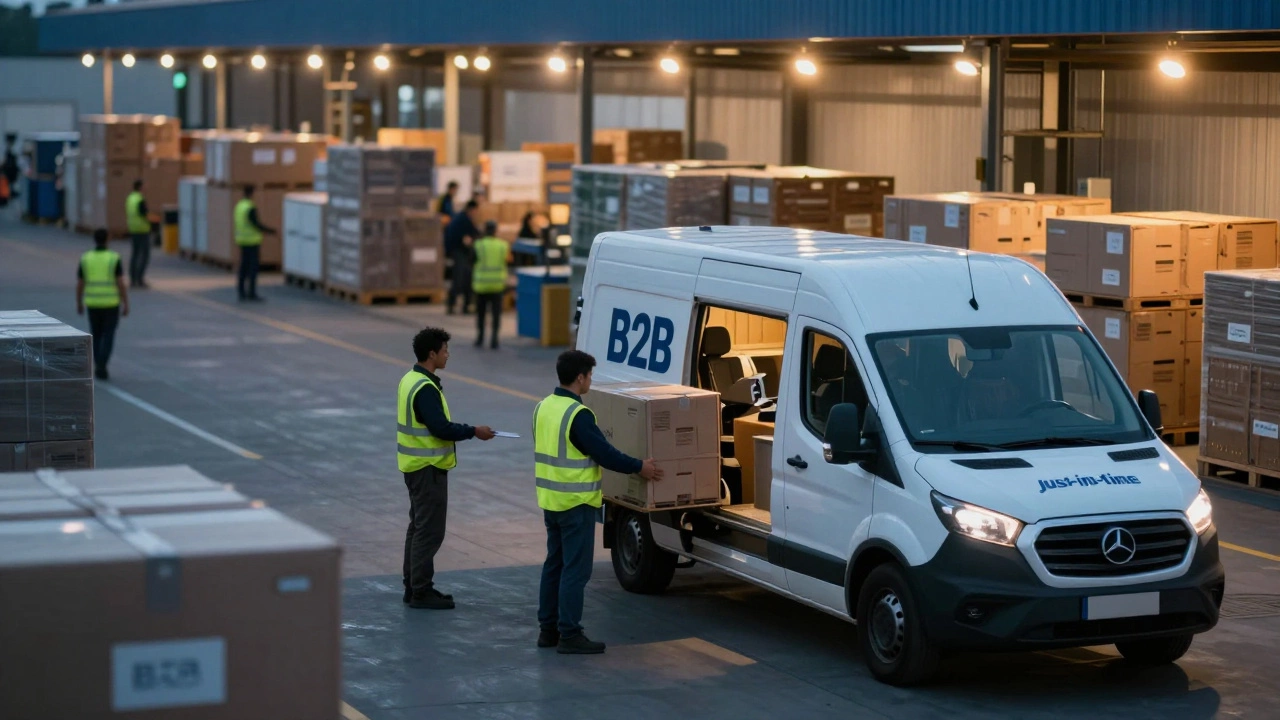
You might not see it happening because it doesn't involve your front door, but B2B shipping is the heavyweight champion of courier usage. Imagine a car manufacturer in Auckland needing a specific electronic component from a supplier in Sydney. If that part arrives late, the assembly line stops. That costs thousands of dollars per minute.
In this scenario, a courier isn't just a delivery person; they are a supply chain manager. Companies use express freight services to bridge gaps between inventory levels. This is often called "just-in-time" delivery. Instead of storing months' worth of stock in a warehouse (which costs money), companies order exactly what they need and pay a premium for it to arrive within 24 hours.
This type of usage dominates because the financial stakes are high. A missed deadline for a consumer package results in a refund or a bad review. A missed deadline for a business shipment can result in contract penalties, lost clients, or halted production. Therefore, businesses budget heavily for reliable courier networks, making up the largest share of volume for major logistics providers.
The Urgency Factor: Time-Critical Documents
Before the world went fully digital, sending important papers by hand was the only safe bet. Even today, despite email and cloud storage, physical documents still rule certain sectors. Legal firms, government agencies, and healthcare providers generate a massive amount of paper that requires secure, tracked transport.
Think about a property settlement. You cannot email a signed deed to a bank and expect them to process it instantly. The original, wet-ink signature document must physically reach the lender. Or consider a hospital needing blood samples analyzed at a specialized lab across town. Temperature control and speed are non-negotiable here.
Courier services specialize in this "white-glove" handling. They offer:
- Proof of Delivery: Digital signatures confirm exactly who received the package and when.
- Chain of Custody: Tracking shows every handoff, ensuring no tampering occurred.
- Priority Routing: These packages skip the bulk sorting lines and go straight to dedicated drivers.
This sector remains robust because trust is harder to digitize than data. When the consequences of loss are catastrophic-like a lawsuit failing due to missing evidence-companies will always pay for the security a professional courier provides.
Ecommerce: The Consumer Giant
If B2B is the backbone, ecommerce is the muscle. Over the last decade, shopping habits have shifted dramatically. We now expect our clothes, electronics, and groceries to appear at our doors within days, if not hours. This shift has turned courier services into a utility, much like electricity or water.
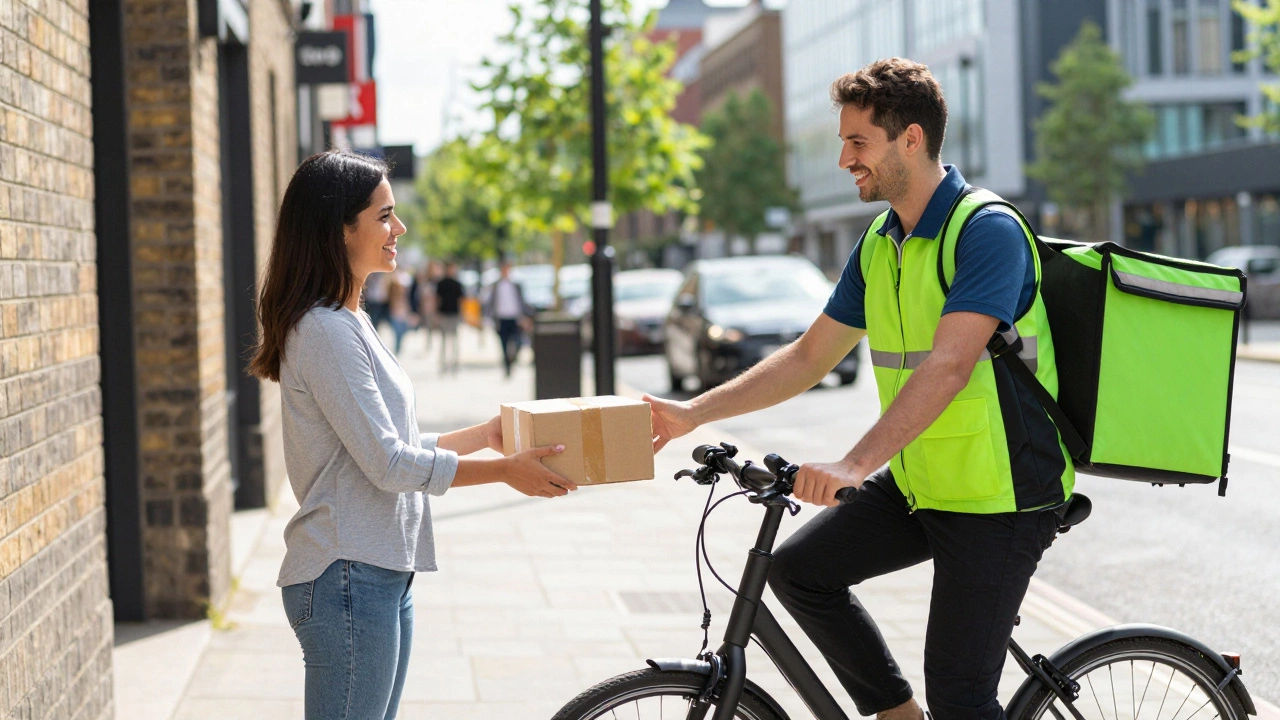
For small businesses selling on platforms like Shopify or Etsy, courier integration is vital. They don't have their own trucks. They rely on third-party logistics (3PL) partners to pick up their parcels and deliver them to customers. This is known as last-mile delivery, which is the final step of the journey where the parcel reaches the customer's home.
The rise of "same-day delivery" options has changed expectations. If you buy a phone case in the morning, you want it tonight. Couriers facilitate this by using local hubs and dynamic routing algorithms. They don't just drive from point A to point B; they optimize dozens of stops in a single route to maximize efficiency. For the average consumer, this convenience is the primary interaction with courier services, even if it represents less total revenue than B2B contracts.

Specialized Industries: Medical and Perishables
Not all packages are created equal. Some require strict environmental controls. This is where specialized courier services come into play. The pharmaceutical industry, for example, relies heavily on cold-chain logistics. Vaccines, insulin, and biological samples must be kept at specific temperatures during transit.
A standard postal service might leave a package on a porch in the summer heat, ruining its contents. A specialized courier uses insulated containers with temperature loggers. If the temperature spikes, the system alerts the driver and the recipient immediately. This level of care is critical in industries where product failure means health risks.
Similarly, fresh food markets use couriers for farm-to-table deliveries. Local farmers sell produce directly to restaurants via courier vans that ensure the vegetables arrive crisp and cool. This niche market is growing as consumers demand fresher, locally sourced ingredients, reducing reliance on long-haul trucking for perishable goods.
How Courier Services Differ from Standard Mail
To understand why businesses choose couriers over regular post, you have to look at the trade-offs. Standard mail is cheap and ubiquitous. It goes everywhere, eventually. But it lacks control. Courier services charge more because they offer precision.
| Feature | Courier Service | Standard Mail |
|---|---|---|
| Speed | Same-day or next-day guaranteed | 3-7 days variable |
| Tracking | Real-time GPS updates | Milestone-based scans |
| Handling | Dedicated vehicle, minimal transfers | Bulk sorting, multiple hubs |
| Cost | Premium pricing | Low cost per unit |
| Support | Dedicated account manager | General customer service |
This table highlights the core value proposition. You pay for certainty. In business, uncertainty is expensive. Knowing exactly when a contract will arrive allows a lawyer to schedule a meeting. Knowing when a machine part will arrive allows a factory manager to plan shifts. Standard mail offers hope; couriers offer guarantees.
The Role of Technology in Modern Couriers
Modern courier services are tech companies that happen to move boxes. Algorithms determine the most efficient routes, saving fuel and time. Mobile apps allow senders to book pickups instantly and track progress in real-time. Recipients get notifications before the driver arrives, allowing them to prepare for receipt.
This technological layer enables the scale required for ecommerce. Without automated sorting systems and AI-driven route optimization, handling millions of daily parcels would be impossible. It also enhances security. Biometric authentication ensures that sensitive packages are only handed over to authorized individuals. For high-value items like jewelry or electronics, this added security is a key reason businesses opt for couriers.
Choosing the Right Courier Partner
Whether you are a small business owner or a large corporation, selecting a courier partner requires careful consideration. Not all services are equal. Here are key factors to evaluate:
- Network Coverage: Does the courier reach your target areas reliably? Rural delivery can be challenging for some providers.
- Service Level Agreements (SLAs): What happens if they miss a deadline? Look for providers with clear compensation policies for delays.
- Integration Capabilities: Can their software plug into your existing inventory or sales platform? Seamless integration reduces manual errors.
- Sustainability Practices: Many companies now prioritize eco-friendly logistics. Look for electric fleets or carbon-neutral options.
By focusing on these criteria, you align your logistics strategy with your broader business goals. The right courier becomes a strategic partner, not just a vendor.
Is courier service faster than regular post?
Yes, significantly. Courier services typically offer same-day or next-day delivery options, whereas standard postal services often take 3 to 7 days depending on distance and processing times. Couriers prioritize speed through dedicated vehicles and optimized routing.
Why do businesses prefer couriers over standard mail for documents?
Businesses prefer couriers for critical documents due to enhanced security, real-time tracking, and proof of delivery. Couriers provide a chain of custody that ensures documents are handled securely and delivered to the correct recipient, minimizing the risk of loss or tampering.
Can courier services handle fragile or valuable items?
Absolutely. Many courier services specialize in handling fragile, high-value, or hazardous materials. They offer insured shipping, specialized packaging, and careful handling protocols to ensure items arrive in perfect condition. Always declare the value and nature of the item when booking.
What is the difference between a courier and a freight forwarder?
A courier typically handles smaller, individual packages requiring fast, door-to-door delivery. A freight forwarder manages larger shipments, often internationally, coordinating various modes of transport (air, sea, land) and handling customs clearance. Couriers focus on speed and small parcels; forwarders focus on volume and complex logistics.
How does technology improve courier services?
Technology enables real-time tracking, route optimization, and automated scheduling. Apps allow users to book pickups instantly and monitor progress. Advanced algorithms reduce delivery times and fuel consumption, while digital signatures and biometric verification enhance security and accountability.