Warehouse Solution Cost Estimator
Compare the estimated monthly expenses of managing your own warehouse vs. outsourcing to a professional partner.
Your Business Data
Monthly Cost Comparison
Imagine you just sold 500 units of your new product online. The orders are piling up in your inbox, but your stock is sitting in a garage or a rented office corner. You spend hours digging through boxes, miscounting items, and shipping the wrong products to angry customers. This chaos isn't just annoying; it’s killing your business growth. This is exactly why businesses look for a warehouse solution. It’s not just about having four walls and a roof. It’s about creating a system that turns storage into a strategic advantage.
A warehouse solution is a comprehensive approach to storing, managing, and distributing goods. It combines physical space, technology, and processes to ensure your inventory moves efficiently from receipt to delivery. Whether you are a small e-commerce startup or a large manufacturing firm, understanding what constitutes a robust warehouse solution can save you thousands of dollars and countless hours of stress.
The Core Components of a Modern Warehouse Solution
When people ask "what is a warehouse solution," they often think only of the building. But the real value lies in how that space is utilized. A complete solution consists of three main pillars: infrastructure, technology, and labor management.
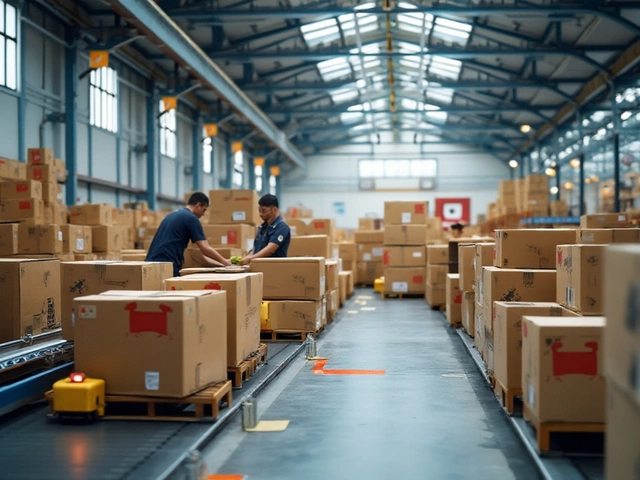
First, let's talk about infrastructure. This includes the physical layout of the facility. Are you using high-density racking systems to maximize vertical space? Do you have designated zones for receiving, picking, packing, and shipping? Good infrastructure minimizes the distance workers need to travel. For example, placing fast-moving items near the shipping dock reduces pick times significantly. If your layout forces employees to walk miles per day, you are wasting money on labor costs.
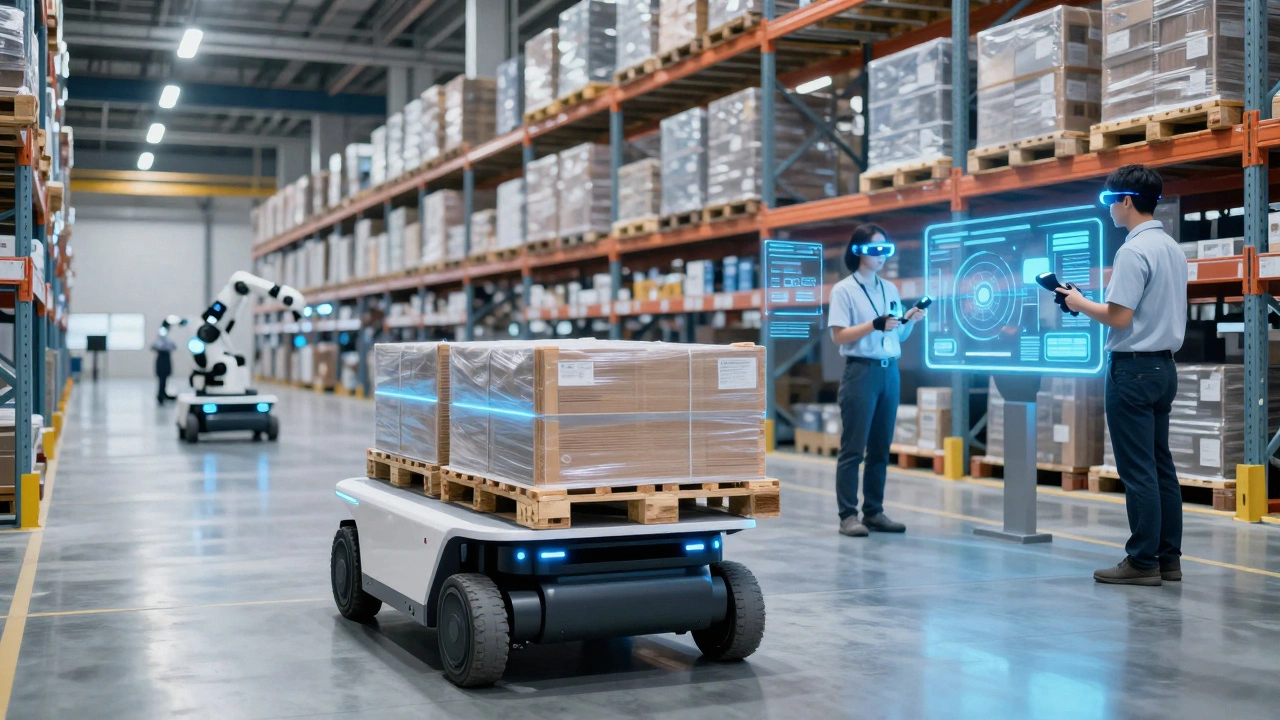
Second, technology acts as the brain of the operation. In 2026, running a warehouse without software is like trying to navigate a city with a paper map from 1990. You might get there eventually, but you’ll miss shortcuts and traffic updates. Technology ranges from basic barcode scanners to advanced robotics and Artificial Intelligence (AI) driven analytics. These tools track every item’s location in real-time, preventing lost inventory and ensuring accurate order fulfillment.
Third, labor management ensures that human resources are used effectively. This involves training staff on safety protocols, optimizing shift schedules based on order volume peaks, and implementing performance metrics. A warehouse solution fails if the team doesn’t know how to use the space or the tools provided to them.
Why Your Current Setup Might Be Failing
Many businesses start by storing goods in their own offices or homes. It works fine when you sell ten items a week. But scale changes everything. Here are common signs that your current method is no longer a viable solution:
- Inaccurate Inventory Counts: You regularly discover discrepancies between what your system says you have and what is actually on the shelf. This leads to overselling and canceled orders.
- Slow Order Processing: It takes more than 24 hours to pack and ship an order because finding items is a scavenger hunt.
- High Operational Costs: You are paying for unused space or overtime labor to catch up on backlogs.
- Poor Scalability: When a marketing campaign goes viral, your storage area becomes a disaster zone within days.
If any of these sound familiar, you need a structured warehouse solution. The cost of fixing these issues later is always higher than investing in a proper system now.
Types of Warehouse Solutions Available
Not all warehouses are created equal. Choosing the right type depends on your business model, product size, and shipping speed requirements. Let’s break down the most common options available in the market today.
| Solution Type | Best For | Key Benefit | Main Drawback |
|---|---|---|---|
| Public Warehousing | Small businesses, seasonal spikes | Low upfront cost, flexible space | Less control over operations |
| Private Warehousing | Large enterprises, specialized goods | Total control, customized workflows | High capital expenditure |
| Contract Logistics | Growing e-commerce brands | End-to-end service, scalability | Ongoing operational expenses |
| Automated Fulfillment Centers | High-volume retailers | Speed, accuracy, 24/7 operation | Very high initial investment |
Public warehousing allows you to rent space on a short-term basis. It’s ideal if your sales fluctuate wildly, such as during holiday seasons. You pay only for the pallet positions you use. However, you share the space with other companies, which means less security and customization.
Private warehousing gives you exclusive use of a facility. You can design the layout exactly how you want it. This is great for businesses with unique storage needs, like temperature-controlled environments for food or pharmaceuticals. But you bear the full burden of maintenance, staffing, and insurance.
Contract logistics, often called third-party logistics (3PL), is where a partner handles everything. They store your goods, pick orders, pack them, and ship them. This frees you to focus on marketing and product development. Many modern e-commerce brands prefer this model because it scales effortlessly with their growth.
Automated fulfillment centers represent the cutting edge. Robots move shelves to pickers, drones scan inventory, and AI predicts demand. While expensive, they offer unmatched speed and accuracy. If you sell millions of units annually, the efficiency gains justify the cost.
The Role of Technology in Warehouse Efficiency
Technology is the differentiator between a dusty storage shed and a modern warehouse solution. The heart of this tech stack is the Warehouse Management System (WMS). A WMS is software that tracks inventory levels, locations, and movements in real-time.
Without a WMS, managers rely on spreadsheets or memory. This leads to errors. With a WMS, when an order comes in, the system tells the picker exactly where to go and which item to grab. It optimizes the picking path so the worker walks the shortest possible route. Studies show that optimized picking paths can reduce labor costs by up to 20%.
Beyond WMS, other technologies are reshaping the industry:
- Barcode and RFID Scanning: These tools eliminate manual data entry errors. Instead of typing SKUs, workers scan items instantly. RFID tags allow bulk scanning, meaning you can count hundreds of items in seconds without line-of-sight.
- Robotics: Autonomous Mobile Robots (AMRs) carry heavy loads across the floor. They don’t get tired, take breaks, or call in sick. They work alongside humans to boost productivity.
- Internet of Things (IoT): Sensors monitor temperature, humidity, and equipment health. If a freezer unit starts failing, IoT alerts maintenance teams before any perishable goods spoil.
Integrating these technologies requires planning. You can’t just buy robots and expect magic. Your processes must be standardized first. Clean data is essential. If your inventory records are messy, even the best AI will give you bad recommendations.
Choosing the Right Partner or System
Deciding whether to build your own warehouse or outsource is a critical strategic choice. Ask yourself these questions:
- What is my monthly order volume? If it’s under 100 orders, self-fulfillment might still make sense. Above that, outsourcing often becomes cheaper due to economies of scale.
- Do I have specialized storage needs? Hazardous materials, cold chain requirements, or oversized items may limit your 3PL options. You might need a private facility with specific certifications.
- How important is brand experience? If custom packaging and inserts are part of your brand identity, ensure your partner can handle complex packing instructions reliably.
- What is my geographic reach? If you ship nationwide or internationally, a network of warehouses closer to customers reduces shipping times and costs. Single-location warehouses struggle with cross-country delivery speeds.
When evaluating partners, look beyond price. Check their technology integration capabilities. Can their system sync with your Shopify, WooCommerce, or Amazon Seller Central account in real-time? Poor integration leads to delayed shipments and frustrated customers.
Also, visit the facility if possible. See how clean it is, how organized the aisles are, and how trained the staff looks. A chaotic warehouse reflects poorly on your brand, even if the customer never sees it directly. Mistakes happen, but a professional environment minimizes them.
Future Trends in Warehouse Solutions
The logistics landscape is evolving rapidly. By late 2026 and beyond, we’re seeing several trends that will define next-generation warehouse solutions.
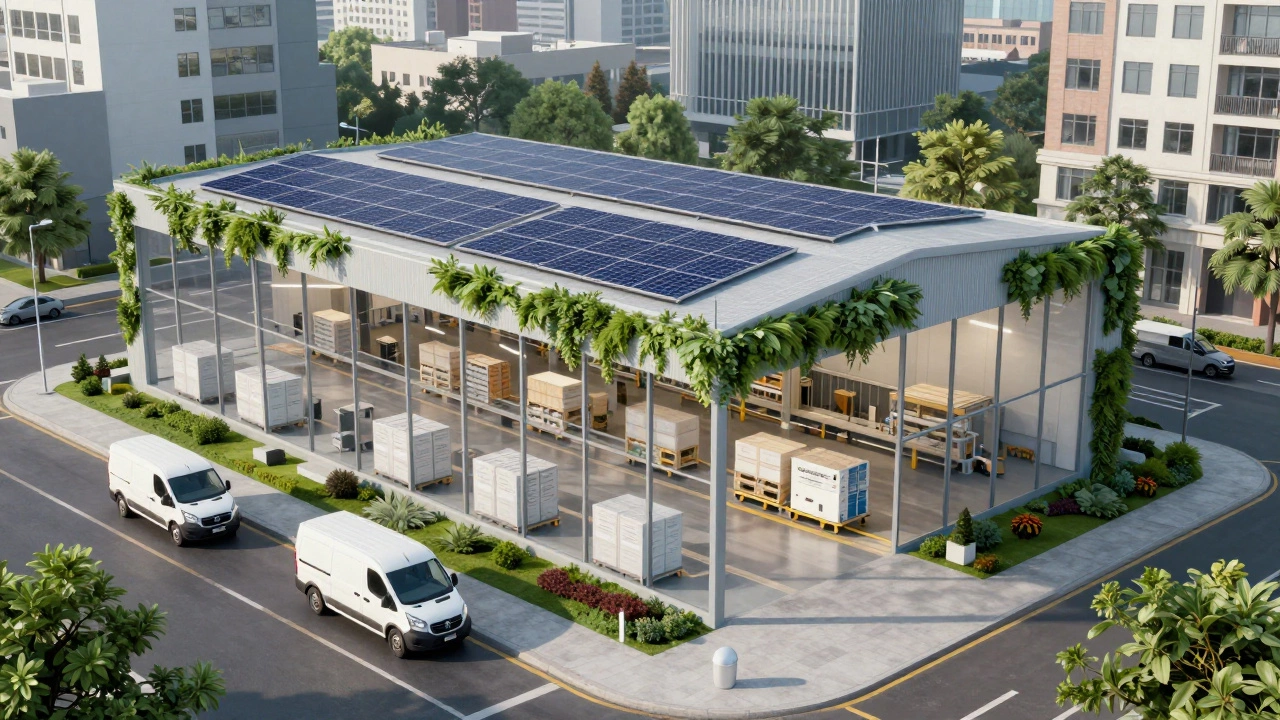
One major trend is sustainability. Customers and regulators are demanding greener supply chains. Modern warehouses are installing solar panels, using electric forklifts, and optimizing routes to reduce carbon footprints. Some providers now offer carbon-neutral shipping options, which can be a powerful marketing tool for eco-conscious brands.
Another trend is micro-fulfillment. Instead of one massive warehouse far from cities, companies are setting up smaller facilities in urban areas. These micro-centers hold high-demand items and enable same-day or even hour-level delivery. This is crucial for competing with giants like Amazon who set high expectations for speed.
Finally, labor augmentation is becoming standard. Rather than replacing humans entirely, technology assists them. Wearable devices guide pickers through voice commands or augmented reality glasses. This reduces training time and physical strain, leading to a happier, more productive workforce.
Understanding these trends helps you future-proof your business. Choosing a warehouse solution provider that invests in innovation ensures you won’t be left behind as customer expectations rise.
What is the difference between a warehouse and a fulfillment center?
A traditional warehouse primarily focuses on long-term storage of goods. A fulfillment center is designed for rapid movement. It receives, stores, picks, packs, and ships individual orders to end consumers. Fulfillment centers prioritize speed and efficiency over static storage capacity.
How much does a warehouse management system cost?
Costs vary widely. Cloud-based WMS solutions for small businesses can start at $50-$200 per month. Enterprise-level systems with advanced features like AI forecasting and robotics integration can cost tens of thousands of dollars annually plus implementation fees. Always consider total cost of ownership, including training and support.
Is it better to rent or buy a warehouse?
Renting offers flexibility and lower upfront costs, making it ideal for growing businesses or those with seasonal demand. Buying provides long-term stability and asset appreciation but ties up significant capital and requires maintenance responsibilities. Most startups begin with renting or outsourcing until their revenue stabilizes.
Can a small business benefit from a warehouse solution?
Absolutely. Even small businesses can use public warehousing or shared fulfillment services. As order volumes grow, having a dedicated system prevents operational bottlenecks. Early adoption of good practices saves time and money compared to scrambling during peak seasons.
What key features should I look for in a 3PL provider?
Look for real-time inventory visibility, seamless e-commerce platform integration, transparent pricing, scalable storage options, and strong customer support. Also, check their return management process, as handling returns efficiently is critical for maintaining customer satisfaction in e-commerce.