Logistics Role Explorer
Logistics Roles Explained
Explore the different types of logistics jobs mentioned in the article. Click on each role to learn more about responsibilities, required skills, and where they fit in the supply chain.
The most common title you'll hear is logistics specialist. This person handles the day-to-day movement of goods. They track shipments, coordinate with carriers, fix delays, and make sure inventory levels match orders.
Core Responsibilities
Track shipments, coordinate with carriers, fix delays, manage inventory levels
Key Skills
Software proficiency (SAP, Oracle), problem-solving, attention to detail
Work Environment
Warehouse, office, or field setting - often involves both
Think of a supply chain coordinator as the glue between suppliers, factories, and stores. They don't just move boxes—they make sure the whole chain runs smoothly.
Core Responsibilities
Coordinate between suppliers, factories, and stores, manage delays, ensure smooth operations
Key Skills
Strong communication, problem-solving, cross-cultural skills
Work Environment
Office setting, often with international coordination
Not all logistics work happens on the road. A lot of it happens inside warehouses. That's where the warehouse coordinator comes in.
Core Responsibilities
Schedule pickers, manage pallets, organize storage zones, ensure correct order packing
Key Skills
Attention to detail, inventory management, software proficiency
Work Environment
Warehouse facility with 50+ staff oversight
If you've ever wondered who picks the trucking company or negotiates fuel surcharges, it's the transportation manager.
Core Responsibilities
Select carriers, negotiate rates, optimize routes, ensure compliance
Key Skills
Cost analysis, negotiation, regulatory knowledge
Work Environment
Office or field work with travel requirements
When goods cross borders, you need a freight forwarder. This isn't a company you hire once—it's a role.
Core Responsibilities
Book space on ships, handle customs forms, arrange insurance, track international shipments
Key Skills
Customs knowledge, language skills, international regulations
Work Environment
Office setting with international communication
Behind every efficient delivery is someone crunching numbers. That's the logistics analyst.
Core Responsibilities
Analyze delivery times, identify patterns, optimize routes, reduce delays
Key Skills
Data analysis, Excel, Power BI, problem-solving
Work Environment
Office setting with access to data tools
Before anything moves, it has to be bought. That's where the procurement specialist comes in.
Core Responsibilities
Source materials, negotiate contracts, ensure timely delivery
Key Skills
Negotiation, vendor management, cost analysis
Work Environment
Office setting with supplier interactions
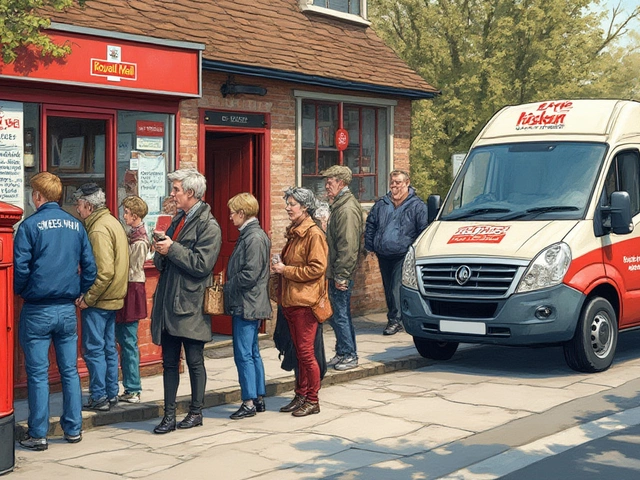
Ever watched a package move from an online store to your doorstep and wondered who actually makes it happen? That’s the job of a logistics person-but they’re not just one title. In real life, logistics isn’t a single role. It’s a whole system made up of different people, each with their own name, skills, and responsibilities. If you’re asking, "What is a logistics person called?"-you’re not alone. Many people assume it’s one job. It’s not. Let’s break down what these roles really are.
Logistics Specialist
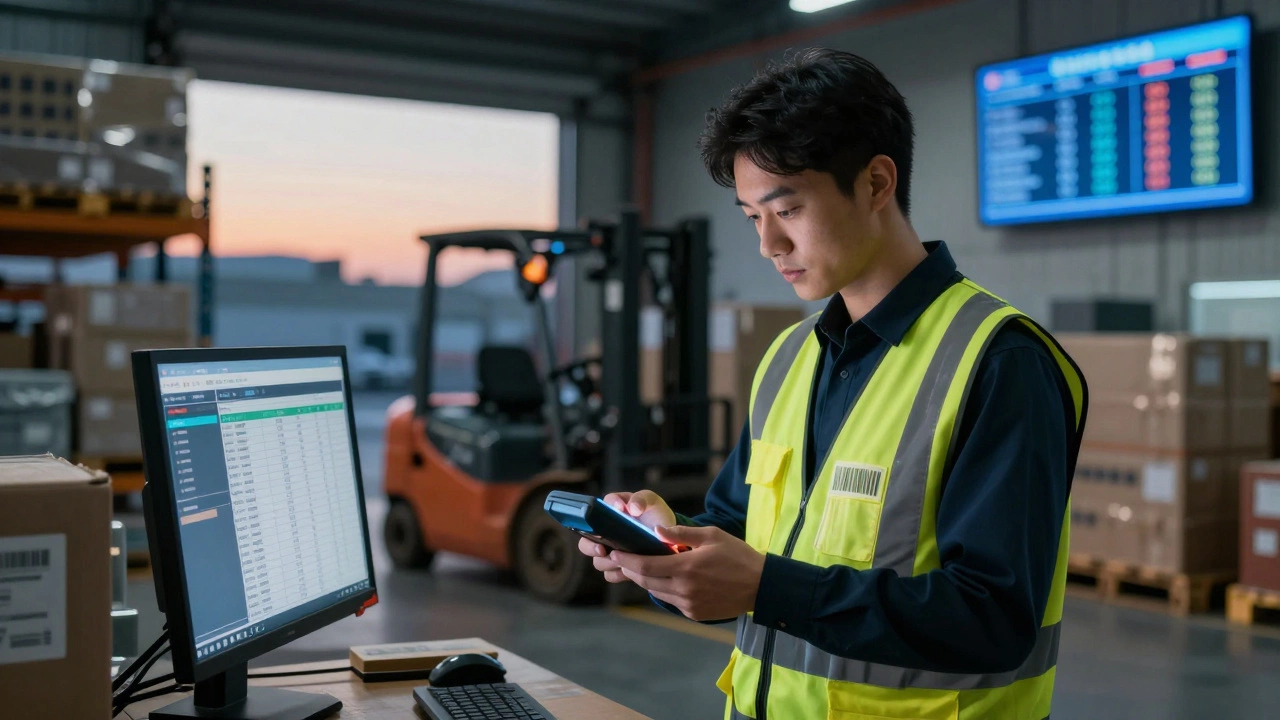
The most common title you’ll hear is logistics specialist. This person handles the day-to-day movement of goods. They track shipments, coordinate with carriers, fix delays, and make sure inventory levels match orders. In a warehouse, they might use software like SAP or Oracle to update stock in real time. In a small company, one logistics specialist might do everything from booking trucks to handling customs paperwork. In big firms, they focus on one part-like inbound freight or outbound dispatch.
Supply Chain Coordinator
Think of a supply chain coordinator as the glue between suppliers, factories, and stores. They don’t just move boxes-they make sure the whole chain runs smoothly. If a factory runs out of parts, they’re the ones calling vendors to get replacements. If a shipment is stuck at the border, they work with customs brokers to clear it. This role needs strong communication skills. You’re not just managing data-you’re managing people across time zones, languages, and systems.
Warehouse Coordinator
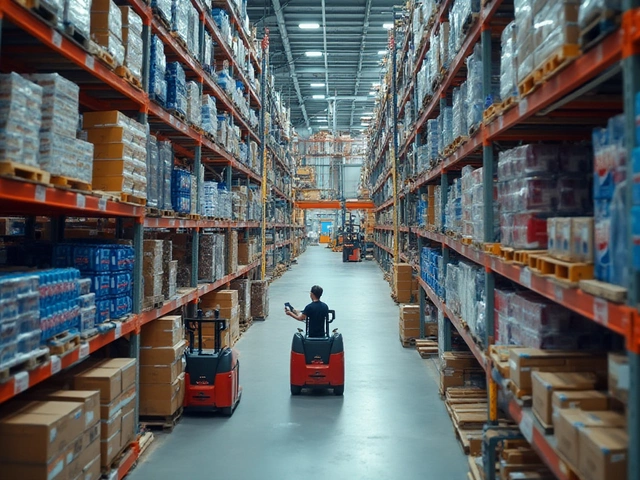
Not all logistics work happens on the road. A lot of it happens inside warehouses. That’s where the warehouse coordinator comes in. They schedule pickers, manage pallets, organize storage zones, and make sure orders are packed correctly. In a 100,000-square-foot facility, they might oversee 50+ staff. They use barcode scanners, forklift logs, and inventory software to keep everything accurate. One mistake here means a customer gets the wrong item. That’s why attention to detail matters more than speed.
Transportation Manager
If you’ve ever wondered who picks the trucking company or negotiates fuel surcharges, it’s the transportation manager. They don’t drive the trucks, but they decide which carriers to use, how often to run routes, and how to cut costs without slowing delivery. In New Zealand, for example, they might choose between road freight to Auckland or sea freight to Wellington, depending on urgency and budget. They also handle compliance-making sure drivers have proper licenses, vehicles are inspected, and loads are legally secured.
Freight Forwarder
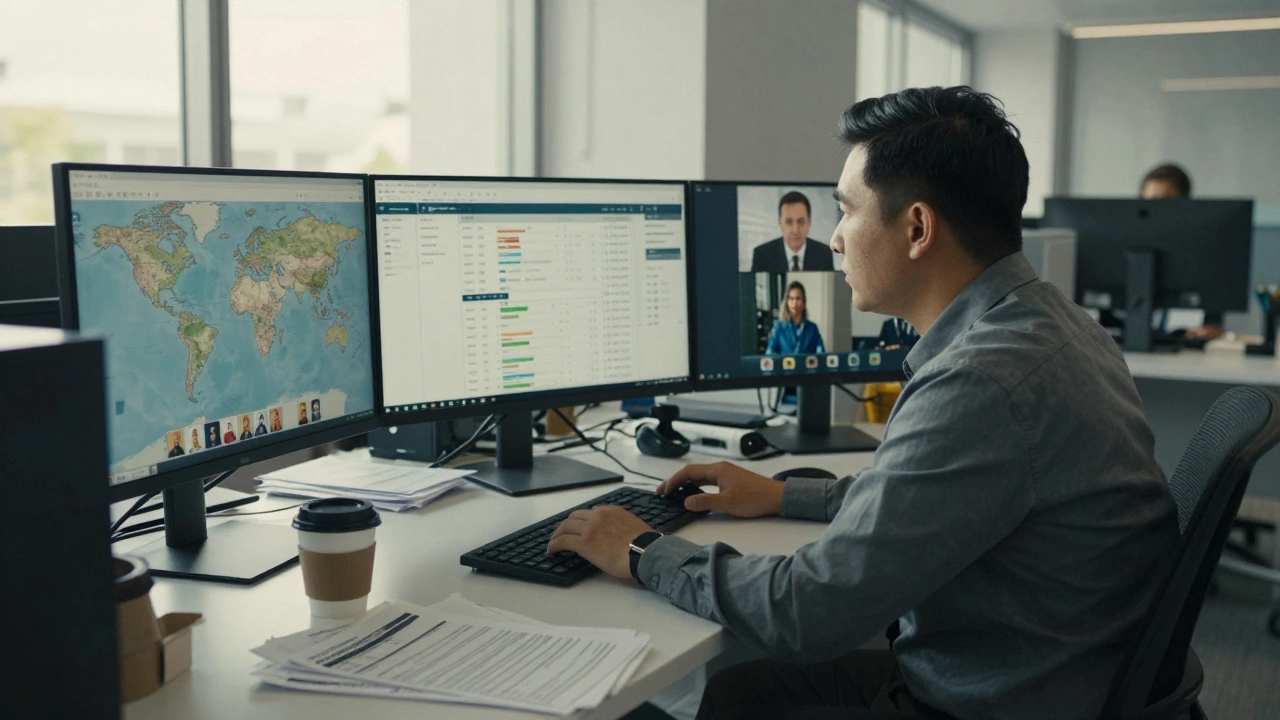
When goods cross borders, you need a freight forwarder. This isn’t a company you hire once-it’s a role. Freight forwarders act as middlemen between exporters and international carriers. They book space on ships, handle customs forms, arrange insurance, and track shipments across oceans. In Auckland, a freight forwarder might help a local food exporter send kiwi fruit to Japan. They know the paperwork: phytosanitary certificates, import tariffs, HS codes. Without them, a shipment could sit at the port for weeks.
Logistics Analyst
Behind every efficient delivery is someone crunching numbers. That’s the logistics analyst. They look at data: How long does it take to get from Christchurch to Dunedin? Which routes have the most delays? Can we consolidate shipments to save fuel? They use tools like Excel, Power BI, or Tableau to spot patterns. One analyst at a major retailer noticed that 30% of weekend deliveries were late because of traffic. They shifted 70% of weekend orders to Friday nights-and cut delays by half.
Procurement Specialist
Before anything moves, it has to be bought. That’s where the procurement specialist comes in. They source raw materials, negotiate contracts with suppliers, and make sure the right parts arrive on time. In a manufacturing plant, if the procurement team orders too little steel, production stops. Order too much, and storage costs climb. They balance cost, quality, and timing. This role often overlaps with logistics, especially in companies that manage their own inventory.
Why the Confusion?
Why do people think "logistics person" is one job? Because most of us only see the end result: a package on the porch. We don’t see the warehouse worker scanning a barcode, the analyst tweaking a route map, or the freight forwarder filling out customs forms in three languages. The industry hides its complexity. Even job boards lump all these roles under "logistics." But if you’re looking to get into the field-or hire someone-you need to know the difference.
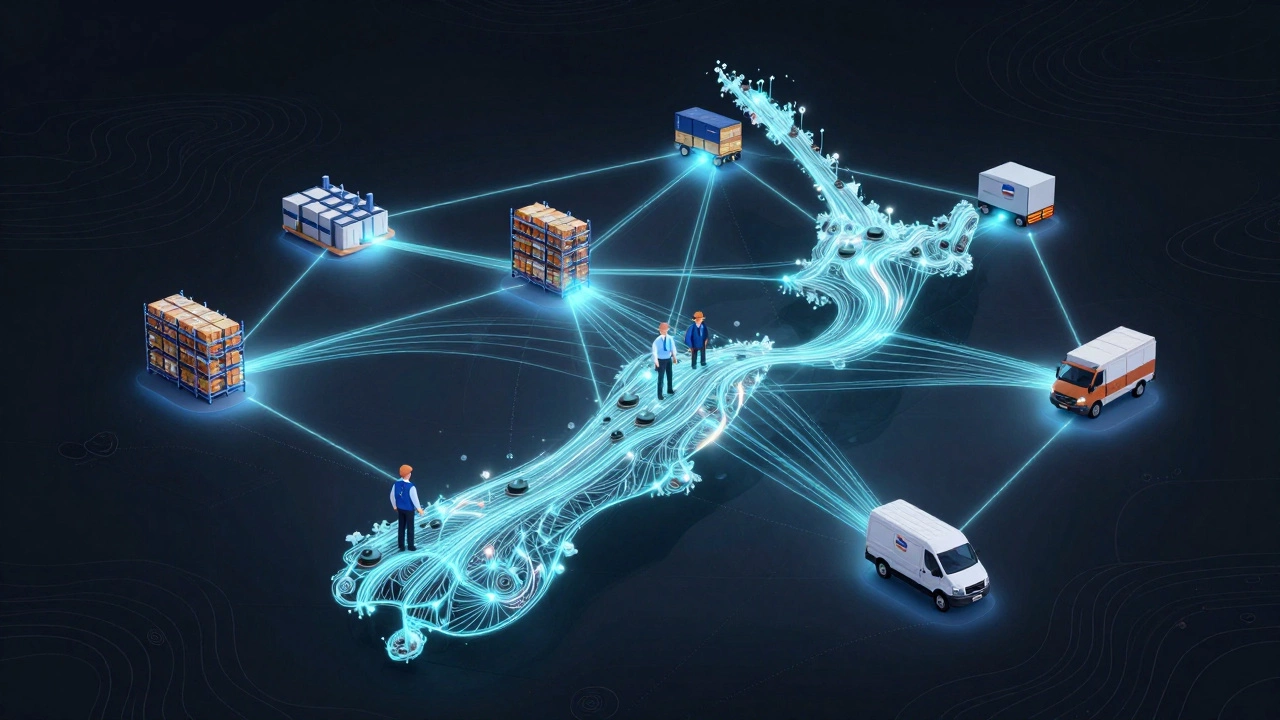
What Do These Jobs Have in Common?
Even though the titles vary, all logistics roles share a few core traits:
- They solve problems under pressure
- They work with data, not just people
- They care about timing-down to the hour
- They adapt fast when things go wrong
None of these jobs require a degree in logistics (though it helps). Many people start as warehouse assistants or dispatch clerks and work their way up. Certifications like CSCP (Certified Supply Chain Professional) or CPIM (Certified in Production and Inventory Management) can boost your resume-but experience matters more.
Who Hires These People?
Logistics roles aren’t just in big shipping companies. You’ll find them in:
- E-commerce retailers (like Amazon or local NZ online stores)
- Manufacturers (food, electronics, machinery)
- Hospitals (moving medical supplies)
- Government agencies (disaster relief, military logistics)
- Third-party logistics providers (3PLs) like DHL, FedEx, or local NZ firms
Even small businesses hire freelance logistics coordinators to handle their shipping. In Auckland, you’ll find many micro-businesses outsourcing logistics to avoid hiring full-time staff.
How to Start in Logistics
If you’re thinking about a career in logistics, here’s how to begin:
- Get hands-on experience-apply for a warehouse assistant or order picker role
- Learn basic logistics software (try free trials of Zoho Inventory or Sortly)
- Take a short course on supply chain basics (Coursera or LinkedIn Learning have affordable options)
- Network with people in the industry-join local logistics meetups or LinkedIn groups
- Look for entry-level titles like "Logistics Coordinator" or "Dispatch Clerk"
Don’t wait for the "perfect" job. Start somewhere. The logistics world rewards people who show up, pay attention, and fix problems before they’re asked.
Is a logistics person the same as a delivery driver?
No. A delivery driver is just one part of the logistics chain. They transport packages from a hub to a customer’s door. A logistics person manages the whole process-planning routes, coordinating warehouses, handling customs, and tracking inventory. Drivers report to logistics teams. The driver delivers the box. The logistics person makes sure the box gets to the driver on time.
Do you need a degree to work in logistics?
No. Many logistics professionals start without a degree. Employers value experience, reliability, and problem-solving skills more than formal education. That said, a degree in supply chain management, business, or logistics can help you move faster into management roles. Certifications like CPIM or CSCP often matter more than a degree in this field.
What’s the difference between logistics and supply chain?
Logistics is part of the supply chain. Logistics focuses on movement-getting goods from point A to point B. Supply chain includes everything before and after that: sourcing materials, manufacturing, inventory planning, and even customer returns. Think of it this way: logistics is the engine. The supply chain is the whole car.
Are logistics jobs in demand?
Yes. E-commerce growth, global trade, and rising customer expectations mean demand for logistics workers is up. In New Zealand, the 2025 Skills Shortage List includes logistics coordinators and warehouse supervisors. Companies are struggling to find people who can handle both tech tools and real-world problems. If you’re reliable and willing to learn, you’ll find opportunities.
Can you work in logistics without driving a truck?
Absolutely. Most logistics roles don’t involve driving. Warehouse coordinators, analysts, freight forwarders, and procurement specialists work behind the scenes. Even transportation managers rarely get behind the wheel. You can build a full career in logistics without ever touching a steering wheel.
Final Thought
There’s no single answer to "What is a logistics person called?" because there’s no single job. It’s a team effort. From the warehouse clerk scanning a barcode to the analyst optimizing delivery routes, every role matters. If you’re looking for a career that’s practical, fast-paced, and always changing-logistics has a place for you. You don’t need to be a genius. You just need to be detail-oriented, calm under pressure, and willing to learn.