Freight Mode Selector & Cost Estimator
Shipment Details
Click a card to view details and calculate.
Estimation & Analysis
Please enter shipment details and select a transport mode above to see the analysis.
Imagine you have a crate of handmade furniture in Chicago that needs to end up in a showroom in Berlin. You could drive it there yourself, or you could try to book a flight for the whole thing. But what if you don’t know which airlines carry heavy goods, how to navigate German customs, or how to pack it so it doesn't get crushed? That is where a freight forwarder comes in. They are not just people who move boxes; they are the architects of global trade.
When businesses ask, "what is the work of a freight forwarder?", they are often looking for more than a dictionary definition. They want to know why they need one and how this role saves them money and headaches. In short, a freight forwarder acts as an intermediary between a shipper (you) and various transportation services needed to get the goods from point A to point B. They plan the most efficient route, handle the paperwork, and manage the risks along the way.
The Core Role: More Than Just Booking Space
A common misconception is that freight forwarders own trucks, ships, or planes. Most of them do not. Instead, they act like travel agents for cargo. Think about booking a complex vacation. You wouldn't call every airline, hotel, and car rental company individually. You use an agent who has negotiated rates and knows the system. Similarly, logistics coordinators leverage their relationships with carriers to secure better rates and priority handling for your shipments.
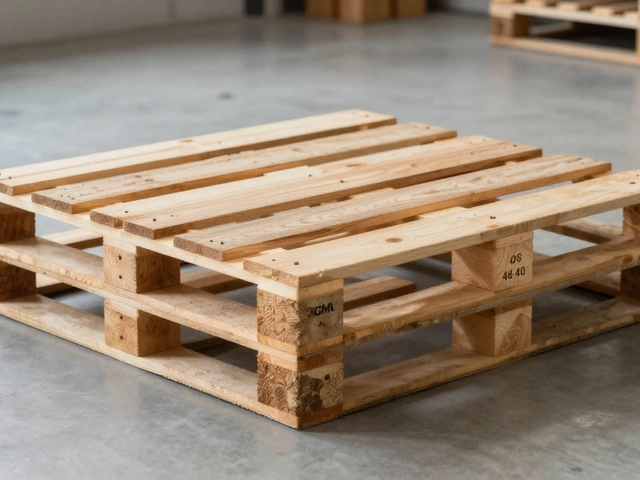
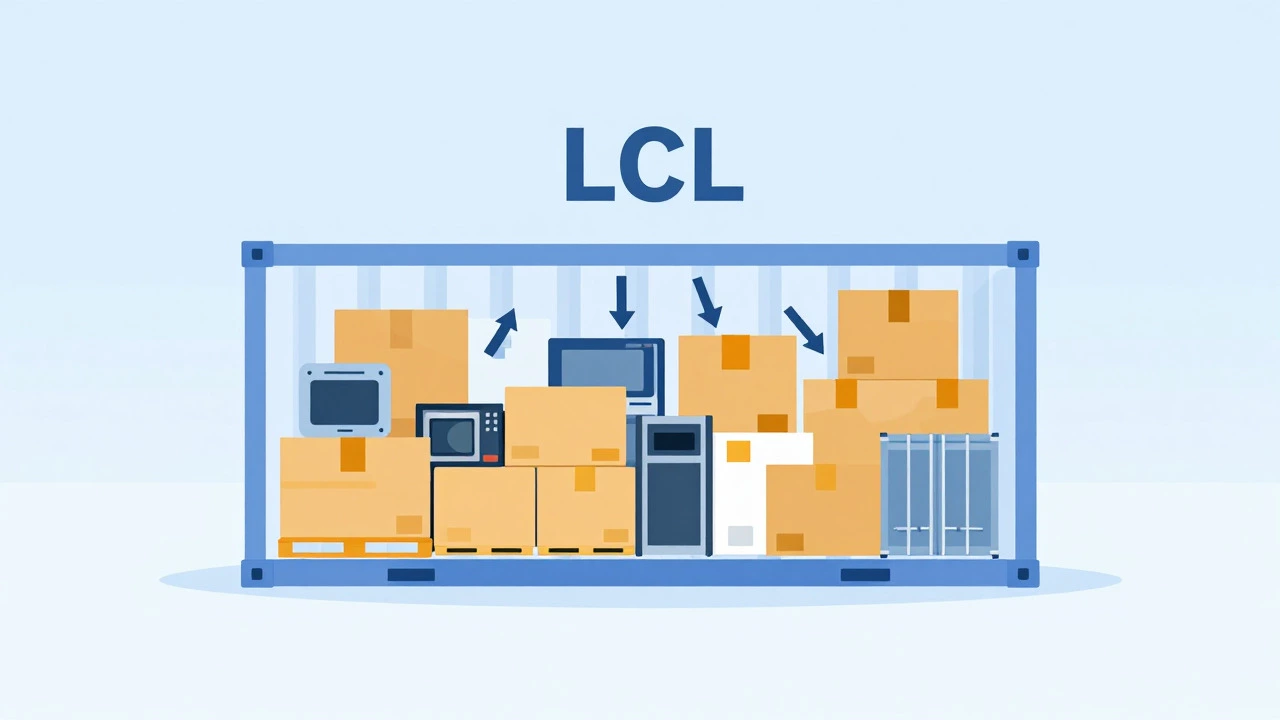
Their primary job is consolidation. If you are sending a small shipment, say, two pallets of electronics, buying a full container load is wasteful. A forwarder will combine your goods with other shippers' goods into one container. This is known as Less than Container Load (LCL) shipping. By sharing space, you pay only for the volume you use, significantly reducing costs. The forwarder manages this mixing and matching process, ensuring your goods are segregated correctly and tracked accurately throughout the journey.
Navigating the Paperwork Maze
If moving the physical goods is the body of the operation, the documentation is the brain. International trade is governed by a mountain of regulations, and getting the paperwork wrong can lead to seized goods, hefty fines, or endless delays at borders. The work of a freight forwarder includes preparing and verifying critical documents such as:
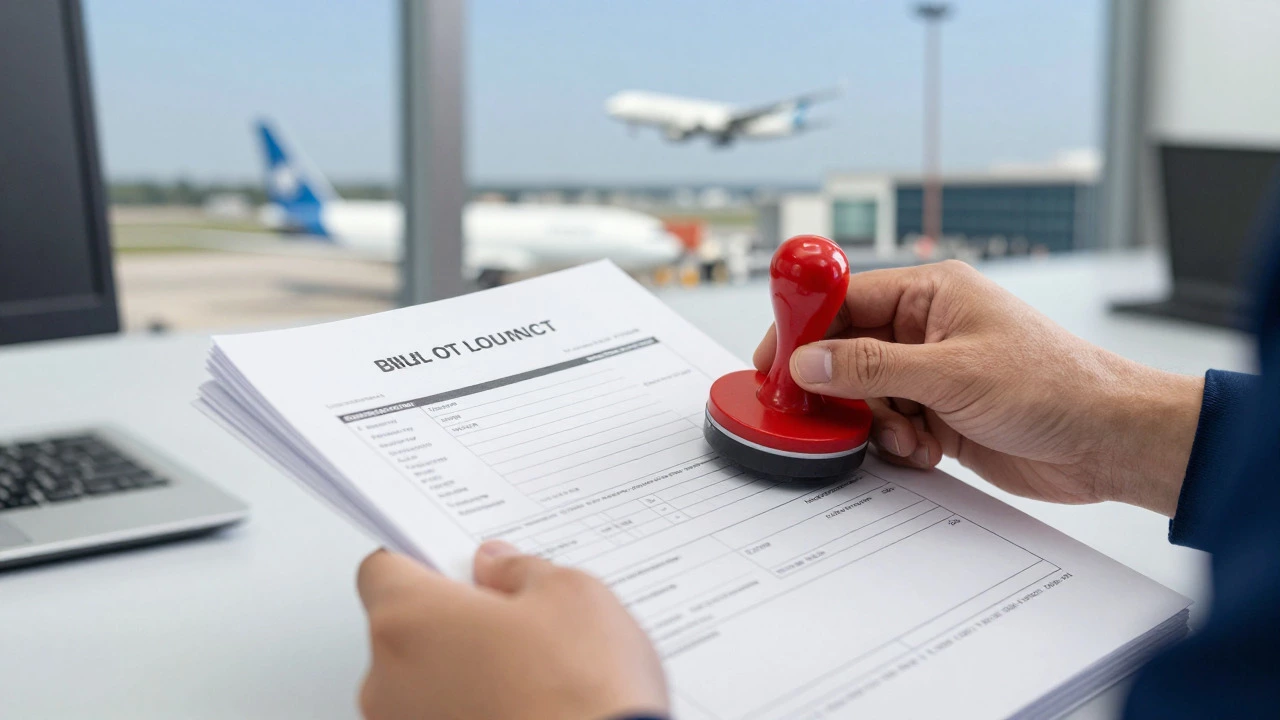
- Bill of Lading (B/L): This is the contract between the shipper and the carrier. It serves as a receipt of goods and a document of title. Without a correct B/L, the cargo cannot be released at the destination.
- Packing List: A detailed description of the contents of the shipment, including weight, dimensions, and packaging type.
- Commercial Invoice: Required by customs to determine the value of the goods for duty assessment.
- Certificate of Origin: Proves where the goods were manufactured, which affects tariff rates under various trade agreements.
Forwarders ensure these documents match perfectly. Even a minor discrepancy, like a typo in the Harmonized System (HS) code, can trigger a customs inspection that holds up your shipment for days. Their expertise lies in knowing exactly what each country requires before the cargo even leaves the origin port.
Customs Clearance and Compliance
One of the most challenging aspects of international shipping is customs clearance. Each country has its own set of rules regarding imports and exports. Some countries ban certain materials, while others require specific certifications for food, chemicals, or electronics. Customs brokers, often working closely with or employed by forwarders, specialize in this area.
The forwarder determines the correct HS codes for your products. These six-to-ten-digit numbers classify goods globally and dictate the import duties and taxes you must pay. Misclassification is a major risk. For example, classifying a smartphone accessory as a generic electronic part might save on initial classification time but could result in higher duties later or penalties for incorrect declaration. Forwarders stay updated on changing trade laws, sanctions, and embargoes to ensure your shipment complies with both origin and destination regulations.
In 2026, with increasing focus on sustainability and ethical sourcing, forwarders also help companies navigate new environmental regulations. They can advise on carbon-neutral shipping options or verify that suppliers meet labor standards required by importing nations. This compliance work protects your brand reputation and ensures smooth border crossings.
Choosing the Right Mode of Transport
Not all cargo is created equal, and neither are transportation methods. A freight forwarder analyzes your specific needs-cost, speed, fragility, and perishability-to recommend the best mode of transport. Here is how they break it down:
| Mode | Best For | Speed | Cost |
|---|---|---|---|
| Ocean Freight | Bulk goods, non-perishable items, large volumes | Slow (2-6 weeks) | Lowest |
| Air Freight | High-value, urgent, or perishable goods | Fast (1-3 days) | Highest |
| Rail Freight | Land-based long-distance moves, especially Europe-Asia routes | Moderate (10-15 days) | Moderate |
| Road Freight | Last-mile delivery, regional distribution | Varies | Variable |
For instance, if you are shipping fresh seafood from Japan to New York, air freight is non-negotiable due to spoilage risks. However, if you are sending machine parts from Germany to Brazil, ocean freight makes financial sense despite the longer transit time. Forwarders often create multimodal solutions, combining sea and rail or air and road to optimize cost and speed. They negotiate rates with multiple carriers to find the sweet spot for your budget and timeline.
Risk Management and Insurance
Shipping involves inherent risks: accidents, theft, weather damage, and loss. A key part of a freight forwarder's work is mitigating these risks. They advise on proper packaging techniques to prevent damage during transit. For fragile items, they might recommend specialized crating or climate-controlled containers.
They also facilitate cargo insurance. While carriers offer some liability coverage, it is often limited and based on weight rather than value. If your $10,000 shipment is damaged, carrier liability might only cover $500. A forwarder helps you purchase comprehensive marine cargo insurance that covers the full declared value of your goods against "all risks" scenarios.
In case of an incident, the forwarder acts as your advocate. They file claims, gather evidence, and coordinate with insurers and carriers to ensure you receive compensation. Without this support, navigating insurance claims across international borders would be a daunting task for most businesses.
Technology and Visibility
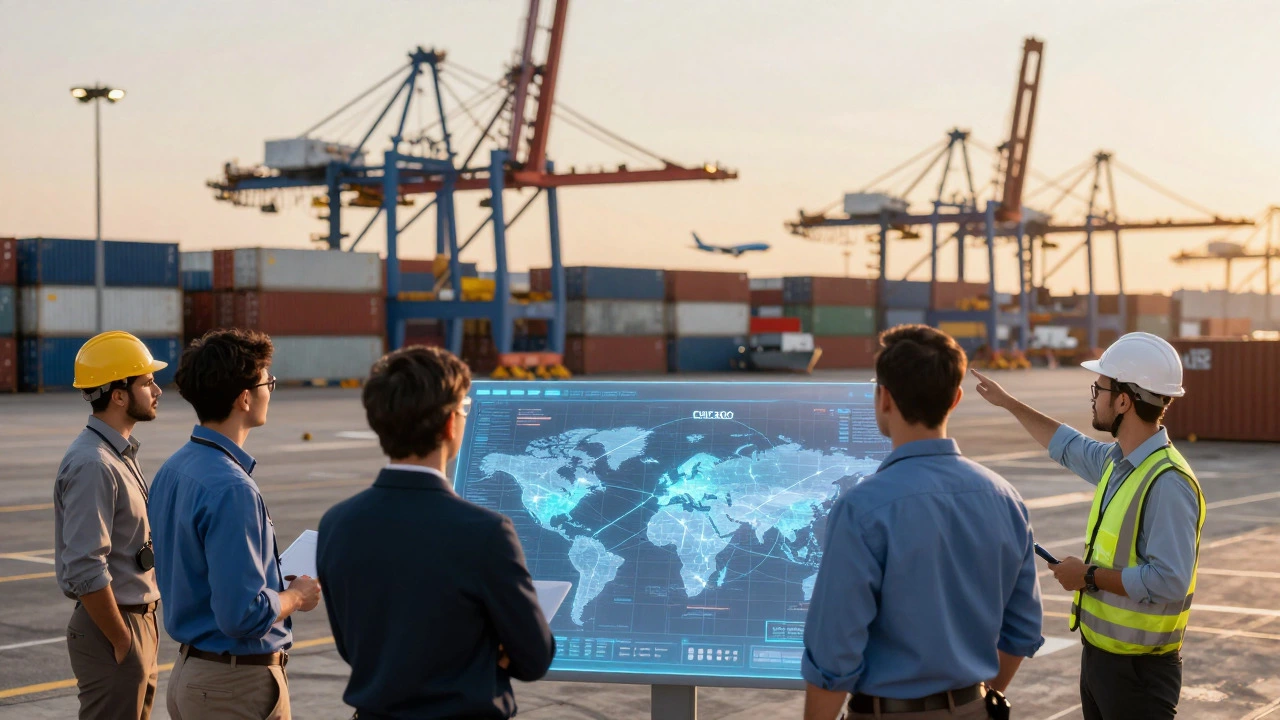
In the modern era, the work of a freight forwarder extends into the digital realm. Today’s forwarders provide real-time tracking platforms that give shippers visibility into their cargo’s location and status. You can see when your container is loaded onto the vessel, when it arrives at the port, and when it clears customs.
This transparency is crucial for supply chain planning. If a delay occurs at a port due to congestion or strikes, the forwarder alerts you immediately. This allows you to adjust production schedules, inform customers, or arrange alternative storage. Many forwarders now integrate with Enterprise Resource Planning (ERP) systems, automating data entry and reducing manual errors.
Furthermore, technology helps in predictive analytics. Forwarders use data to anticipate disruptions, such as seasonal peak volumes or geopolitical tensions, and proactively adjust routes. This strategic insight adds significant value beyond simple transportation booking.
Why Businesses Need Freight Forwarders
You might wonder if you can handle all this yourself. For occasional small shipments, maybe. But for regular international trade, trying to manage logistics in-house is inefficient and risky. Here is why partnering with a professional forwarder makes sense:
- Cost Savings: Their volume discounts with carriers translate to lower rates for you.
- Time Efficiency: They handle the complex coordination, freeing you to focus on core business activities.
- Expertise: They know the nuances of global trade regulations and avoid costly mistakes.
- Scalability: Whether you send one package or a hundred containers, they can scale their services to match your growth.
Ultimately, the work of a freight forwarder is to make global trade seamless. They turn a chaotic web of carriers, regulations, and distances into a streamlined, predictable process. By leveraging their network, knowledge, and technology, businesses can expand into new markets with confidence, knowing their goods will arrive safely, on time, and within budget.
Do freight forwarders own the trucks and ships?
Most freight forwarders do not own the physical assets like trucks, ships, or airplanes. Instead, they act as intermediaries who book space with carriers (such as Maersk, FedEx, or DHL) on behalf of their clients. They leverage their high volume of business to negotiate better rates and service levels than individual shippers could achieve on their own.
How much does it cost to hire a freight forwarder?
Freight forwarders typically charge a fee for their services, which can be a flat rate per shipment or a percentage of the total freight cost. Additional charges may apply for documentation, customs clearance, warehousing, or special handling. It is important to get a detailed quote upfront to understand all potential costs, including fuel surcharges and terminal handling fees.
What is the difference between a freight forwarder and a courier?
Couriers like UPS or FedEx are best for small packages and documents, offering door-to-door service with integrated tracking. Freight forwarders handle larger shipments, such as pallets, containers, or bulk goods. They manage complex logistics involving multiple modes of transport and extensive customs documentation, making them suitable for commercial and industrial shipments rather than personal parcels.
Can a freight forwarder help with customs issues?
Yes, customs clearance is a core service provided by most freight forwarders. They prepare necessary documents, classify goods using HS codes, calculate duties and taxes, and submit declarations to customs authorities. If issues arise, such as inspections or discrepancies, they act as your representative to resolve them quickly and minimize delays.
Is cargo insurance mandatory?
Cargo insurance is not always legally mandatory, but it is highly recommended. Carrier liability is often limited and may not cover the full value of your goods in case of loss or damage. Freight forwarders can arrange comprehensive marine cargo insurance policies that protect your investment against various risks, including theft, accidents, and natural disasters.