Courier Shipping Item Checker
Not sure if your item can be shipped? Select a category or search for your item to see the general shipping status.
Quick Summary: The 'No-Go' List
- Dangerous Goods: Explosives, flammable liquids, and compressed gases.
- Illegal Substances: Narcotics, contraband, and unregistered weapons.
- Perishables: Fresh food or livestock that could spoil or escape.
- High-Value/Restricted: Cash, precious gemstones, and certain medications.
- Environmental Hazards: Corrosive chemicals and toxic waste.
The Danger Zone: Hazardous Materials
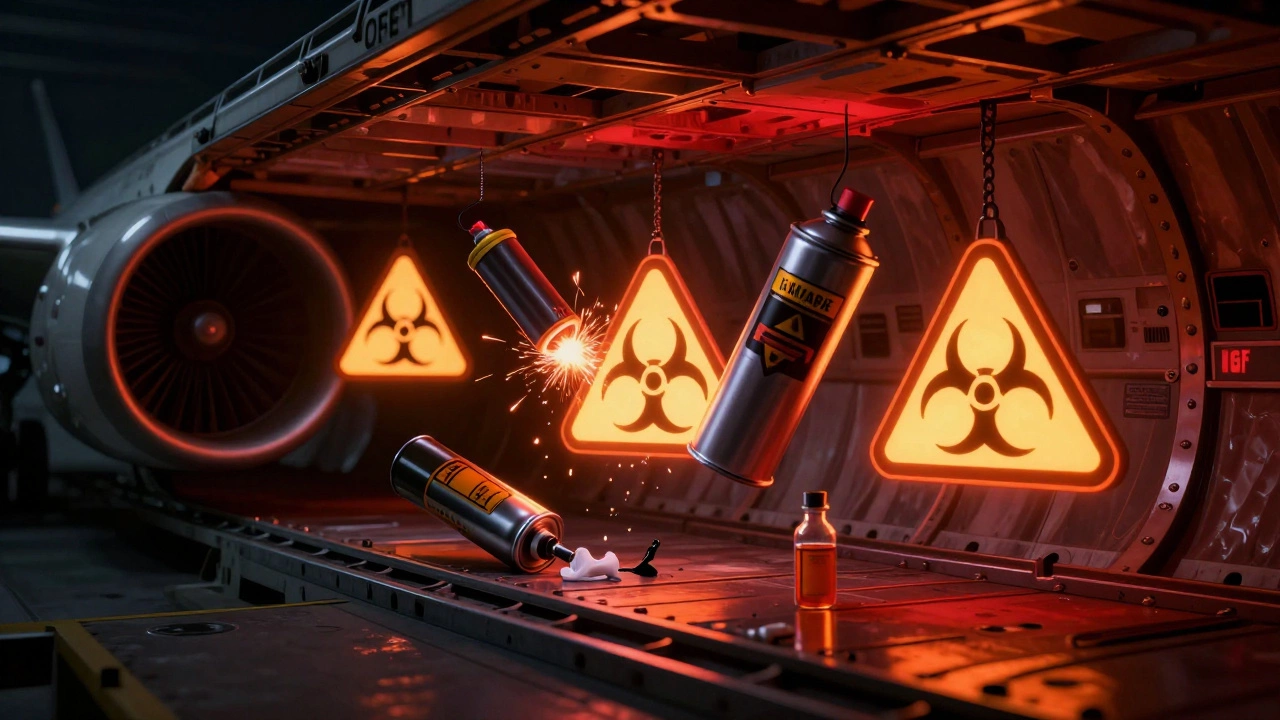
The biggest category of forbidden items falls under Hazardous Materials (HazMat). These are items that pose a risk to the health, safety, and property of the people transporting them. If you're shipping via air, the rules are even stricter because pressure changes in a cargo hold can turn a stable container into a bomb.
Flammable liquids are a primary concern. Think about nail polish remover, spray paint, or gasoline. Even some perfumes containing high concentrations of alcohol are flagged. Then you have compressed gases-think camping canisters or fire extinguishers. These can rupture under pressure. If a courier detects a leaking canister of butane in a sorting hub, it doesn't just stop your package; it can trigger a full facility evacuation.
Lithium batteries are the modern courier's nightmare. While you can ship a laptop with a battery inside, shipping loose Lithium-ion Batteries is often banned or heavily regulated. They are prone to "thermal runaway," where a short circuit causes the battery to overheat and ignite. This is why most couriers require specific labeling and packaging for electronics to prevent them from rubbing together and sparking.
Legal Red Lines: Contraband and Regulated Goods
No courier will knowingly transport illegal items, and they have sophisticated scanning technology to find them. This isn't just about drugs or weapons; it includes items that are legal in your home city but illegal in the destination country. This is a critical part of International Shipping.
Weapons and ammunition are almost always banned unless you are using a specialized, licensed firearms courier. This includes everything from tactical knives to airsoft guns. Even "replica" weapons can cause a massive security breach if they look real on an X-ray machine. You might think your small pocket knife is fine, but some countries have strict laws against certain blade lengths or locking mechanisms.
Currency and negotiable instruments are another grey area. Sending raw cash through a standard courier is a recipe for disaster. Not only is it often forbidden in the terms of service, but if the package is lost, you have zero chance of recovery. Most couriers will reject envelopes that look like they contain large sums of money or gold bullion to avoid becoming targets for theft.
| Category | Example Items | Primary Reason for Ban | Possible Alternative |
|---|---|---|---|
| Chemicals | Bleach, Acid, Paint Thinners | Corrosive/Toxic risk | Specialized Chemical Freight |
| Electronics | Loose Li-ion batteries | Fire Hazard | Battery installed in device |
| Biologicals | Blood samples, Live insects | Contamination/Escape | Medical Courier (Cold Chain) |
| Valuables | Cash, Uncut Diamonds | High theft risk | Insured Vault Transport |
The Perishable Problem
Most standard couriers aren't equipped for the "cold chain." If you try to send a box of fresh seafood or a cake with cream frosting via a standard ground service, you're asking for a mess. Perishable Goods are often banned because if a flight is delayed by 12 hours or a truck breaks down, the item rots. This leads to odors and leaks that can ruin other customers' packages.
Dry ice is a specific challenge. While it's used to keep things cold, it's actually solid carbon dioxide. As it melts, it turns back into gas. In a sealed aircraft container, this can increase pressure to dangerous levels or displace oxygen, posing a risk to the crew. If you must use dry ice, you have to declare it and use vented packaging that allows the gas to escape.
Hidden Hazards: The Things You Forgot
Some of the most common reasons for shipment rejection are items people don't even think of as "dangerous." For example, magnets. Powerful Neodymium Magnets can interfere with aircraft navigation systems and electronics if they aren't shielded properly. They are often flagged during security scans.
Aerosols are another culprit. Hairspray, spray deodorant, and oven cleaner are all under pressure. A sudden temperature spike in a warehouse can cause these cans to burst. Even if you think "it's just a can of spray paint," the solvent inside is often highly flammable, making it a double-threat.
Pharmaceuticals and prescription meds are tricky. In many regions, shipping prescription drugs without a license is considered trafficking. Even if you're just sending a friend some vitamins, certain ingredients can be banned in other countries. Always check the destination's customs laws before sending any medical supplies.
How to Avoid Shipping Disasters
Before you tape up that box, do a quick audit. If you're unsure about an item, the safest bet is to check the courier's "Prohibited Items" list on their official website. Don't assume that because a local shop sells it, it's safe to ship. The laws for retail sales are very different from the laws for transport.
Be honest on your customs declaration. Some people try to hide restricted items by labeling them as "Gift" or "Samples." This is a bad move. Customs agents use high-energy X-rays and chemical sniffers. If they find an undeclared flammable liquid, they won't just return the package; they might fine you or blacklist your address from using the service.
If you absolutely must ship something restricted, look for a Specialized Logistics provider. There are companies that exclusively handle dangerous goods, medical specimens, or high-value art. They have the right certifications, specialized containers, and insurance to handle the risks that standard couriers avoid.
Can I ship perfumes through a courier?
It depends. Most perfumes contain alcohol, which makes them flammable. Many couriers allow them in small quantities for ground shipping, but air shipping is often restricted. You usually need to declare them as "Dangerous Goods" or use a service that accepts limited quantities of flammables.
Are power banks allowed in courier shipments?
Yes, but with strict conditions. Power banks contain lithium batteries. They must be packaged securely to prevent short-circuiting, and they must be declared. Many couriers forbid shipping them via air unless they meet specific Watt-hour (Wh) limits and are certified under UN38.3 standards.
What happens if I ship a prohibited item by mistake?
The package may be intercepted and returned to you at your expense, or it could be destroyed by the courier. In more serious cases-like shipping explosives or illegal drugs-you could face legal action, heavy fines, or a permanent ban from that courier service.
Can I send food items internationally?
Non-perishable, commercially sealed food is usually fine. However, home-cooked meals, seeds, plants, and meat products are often banned to prevent the spread of pests and diseases. Always check the agricultural laws of the receiving country.
Is it okay to ship a liquid in a courier package?
Liquids are allowed if they aren't flammable or corrosive. The key is the packaging. You must use leak-proof containers and absorbent padding. If a liquid leaks and damages other parcels, the courier may hold you liable for the damages.
Next Steps for Safe Shipping
If you're a business owner shipping regularly, create a "Shipping Guide" for your team. List every product you sell and categorize it as Safe, Restricted, or Prohibited. This prevents warehouse staff from accidentally booking a shipment that will just get rejected at the dock.
For individual senders, the rule of thumb is: if it can blow up, leak, rot, or get you arrested, don't put it in a standard courier box. When in doubt, call the courier's customer service line and describe the item and its packaging. A five-minute phone call is much better than a thousand-dollar fine from customs.