Logistics Career Fit & Salary Estimator
Not sure if logistics is right for you? Answer these quick questions to see how well your personality matches the industry's demands, and get an estimated salary range based on your current status.
Estimated Annual Salary Range (NZD)
You see the trucks on the highway every day. You watch packages pile up at your door during holiday seasons. It looks busy, maybe even chaotic. But is logistics actually a good place to build a career in 2026? The short answer is yes, but not for the reasons most people think. It isn't just about driving vans or stacking boxes anymore. The industry has shifted from manual labor to high-tech orchestration. If you want stability, decent pay, and room to grow, this sector offers more than most white-collar office jobs right now.
The Reality of Job Stability in Supply Chain
Think about what happens when the economy slows down. People stop buying luxury cars, but they still buy toothpaste, medicine, and groceries. Those items don't magically appear on shelves. They move through a complex web of supply chain management systems that keep running regardless of stock market crashes. This resilience makes logistics one of the safest bets for job security.
During the pandemic, while tech layoffs made headlines, logistics companies were hiring like crazy. That trend hasn't fully reversed. Even with economic uncertainty in 2025 and 2026, the demand for moving goods remains constant. Unlike niche tech startups that might vanish overnight, global trade requires physical movement. As long as humans need things shipped from point A to point B, there will be work.
It’s Not Just Driving Trucks Anymore
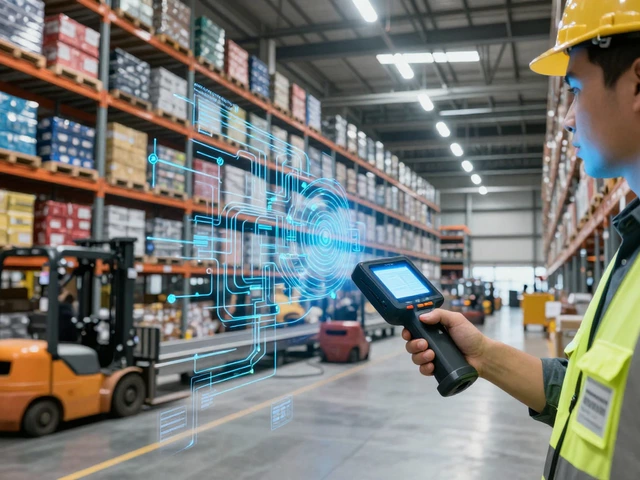
If your mental image of logistics is stuck in the 1990s, you're missing half the picture. Yes, freight forwarding and trucking exist. But the real growth is in data analysis, software integration, and strategic planning. Modern logistics firms operate like tech companies. They use AI to predict demand spikes before they happen. They use robotics in warehousing to pick items faster than any human could.
This shift means you don't need a degree in engineering to get started, but you do need digital literacy. Employers are looking for people who can read dashboards, understand inventory metrics, and troubleshoot software glitches. The barrier to entry is lower than you might expect, but the ceiling for advancement is surprisingly high.
Salary Expectations: What Can You Actually Earn?
Let's talk money. Entry-level roles in last mile delivery or warehouse operations start modestly. However, once you move into coordination, dispatch, or supply chain analysis, salaries jump significantly. In New Zealand and similar markets, mid-level logistics coordinators often out-earn general administrative staff because their role directly impacts profit margins.
| Role | Entry Level | Mid-Level | Senior/Managerial |
|---|---|---|---|
| Warehouse Operative | $45k - $55k | $55k - $65k | $70k+ |
| Logistics Coordinator | $55k - $65k | $70k - $85k | $95k+ |
| Supply Chain Analyst | $65k - $75k | $85k - $100k | $110k+ |
| Fleet Manager | $70k - $80k | $90k - $110k | $120k+ |
Notice how quickly the numbers climb if you specialize. A generic admin role caps out earlier. A logistics specialist who understands customs regulations or route optimization keeps earning more because their skills are harder to replace.

The Downside: Stress and Pace
We have to be honest about the bad parts. Logistics is fast-paced. Sometimes, it's brutally so. When a shipment gets delayed due to weather or port congestion, everyone feels the pressure. Customers call. Managers yell. Deadlines don't care about your feelings.
If you hate ambiguity, this might not be for you. Problems pop up unexpectedly. A truck breaks down. A container misses its boat. You need to solve these issues instantly. For some, this adrenaline rush is exciting. For others, it leads to burnout. Work-life balance can be tricky, especially in international shipping where time zones mean early mornings or late nights.
Skills That Make You Hireable in 2026
So, how do you break in? You don't always need a university degree. Many successful logistics professionals started on the floor. But you do need specific traits and skills.
- Problem-Solving Under Pressure: Can you stay calm when a delivery fails? Can you find an alternative route or carrier quickly?
- Tech Savviness: Familiarity with Transport Management Systems (TMS) and Warehouse Management Systems (WMS) is huge. Knowing Excel well enough to pivot data is a baseline requirement.
- Communication: You will talk to drivers, customers, suppliers, and internal teams. Clear, concise communication prevents costly mistakes.
- Attention to Detail: One wrong digit in a tracking number or address can cost thousands. Precision matters.
Future-Proofing Your Career
Automation is coming. Robots are already picking items in large warehouses. Will they take your job? Probably not entirely. They will change your job. Instead of lifting boxes, you might monitor robot fleets. Instead of manually entering data, you might analyze why a certain route was inefficient.
The key to staying relevant is adaptability. Learn the basics of data analytics. Understand how e-commerce trends affect volume. Keep an eye on sustainability initiatives, as green logistics is becoming a major focus for big brands. Companies are paying premiums for experts who can reduce carbon footprints without sacrificing speed.
Is It Right for You?
Ask yourself these questions: * Do you enjoy seeing immediate results from your work? (e.g., a package delivered on time) * Can you handle multitasking and sudden changes? * Are you interested in how things work behind the scenes?
If you answered yes, logistics offers a solid path. It’s tangible. You can point to a system you improved or a crisis you resolved. That sense of accomplishment is rare in abstract corporate roles.
Do I need a degree to work in logistics?
No, you do not strictly need a university degree. Many entry-level positions value practical experience, reliability, and organizational skills over formal education. However, for senior management or specialized analytical roles, a degree in supply chain management or business can accelerate your career progression.
Is logistics a stressful industry?
Yes, logistics can be high-stress due to tight deadlines and unexpected disruptions like weather delays or vehicle breakdowns. The pace is fast, and errors can have immediate financial consequences. However, many professionals find the problem-solving aspect rewarding rather than purely stressful.
What are the best entry-level jobs in logistics?
Common entry points include warehouse associate, dispatch coordinator, courier driver, or freight forwarder assistant. These roles provide hands-on experience with the flow of goods and help you understand the operational side of the business before moving into management or analysis.
Will automation replace logistics workers?
Automation will change roles rather than eliminate them entirely. Repetitive tasks like sorting and basic data entry are being automated. Human workers are increasingly needed for oversight, exception handling, customer service, and complex decision-making that machines cannot yet perform reliably.
How much can a logistics manager earn?
Salaries vary by location and company size, but experienced logistics managers often earn between $90,000 and $130,000 annually. Senior directors or heads of supply chain can earn significantly more, especially in large multinational corporations or specialized industries like pharmaceuticals or cold chain logistics.