Courier Client Acquisition Strategy Calculator
Business Parameters
Projected Results
Best Strategy Match
Description goes here.
Empty vans and silent phones are the fastest way to kill a new courier business. You have the vehicle, you have the license, and you know how to drive safely, but without a steady stream of packages, you’re just burning fuel. The hard truth is that customers don’t wake up looking for a new courier service. They look for reliability, speed, and someone who won’t lose their grandmother’s birthday gift. Winning them requires shifting from a "passenger" mindset to a "partner" mindset.
In this guide, we’ll break down exactly how to fill your schedule with high-value clients. We aren't talking about random flyers in telephone booths. We are talking about strategic partnerships with local businesses, leveraging digital visibility, and creating a reputation that makes customers refer you automatically. Let's get your wheels turning and your inbox full.
Identify Your Ideal Customer Profile
Before you spend a dollar on advertising, you need to know who can actually afford your services. Many new couriers make the mistake of trying to serve everyone. They say yes to the one-off personal move and the massive corporate contract simultaneously. This leads to chaos, late deliveries, and burnout.
You need to niche down. Who needs frequent, reliable transport? Think about these three groups:
- E-commerce Stores: Small online shops often outsource their last-mile delivery because national carriers are too slow or expensive for local areas. They need daily pickups and consistent tracking.
- Medical and Laboratory Services: Hospitals, pharmacies, and diagnostic labs need temperature-controlled or time-sensitive transport for samples and medications. This is high-trust, high-retention work.
- Legal and Financial Firms: Law offices and banks still rely heavily on physical document transfer for security reasons. They value discretion and speed over price.
Once you pick a niche, tailor your pitch. If you target medical labs, highlight your secure handling and temperature control capabilities. If you target e-commerce, focus on your integration with shipping software and customer notification systems. Being a specialist pays better than being a generalist.
Build a Professional Digital Presence
Your website is your 24/7 salesperson. If it looks like it was built in 1998, potential clients will assume your operations are equally outdated. You don’t need a complex site, but it must be clean, mobile-friendly, and fast.
Include these essential elements on your homepage:
- Clear Value Proposition: State clearly what you do and where you operate. For example, "Same-Day Delivery in Auckland Central."
- Easy Contact Method: A prominent phone number and a simple contact form. Businesses want to talk to a human quickly.
- Service Area Map: Show exactly which suburbs or zones you cover. This manages expectations and helps with local SEO.
- Trust Signals: Display licenses, insurance certificates, and any industry accreditations. This reduces perceived risk for new clients.
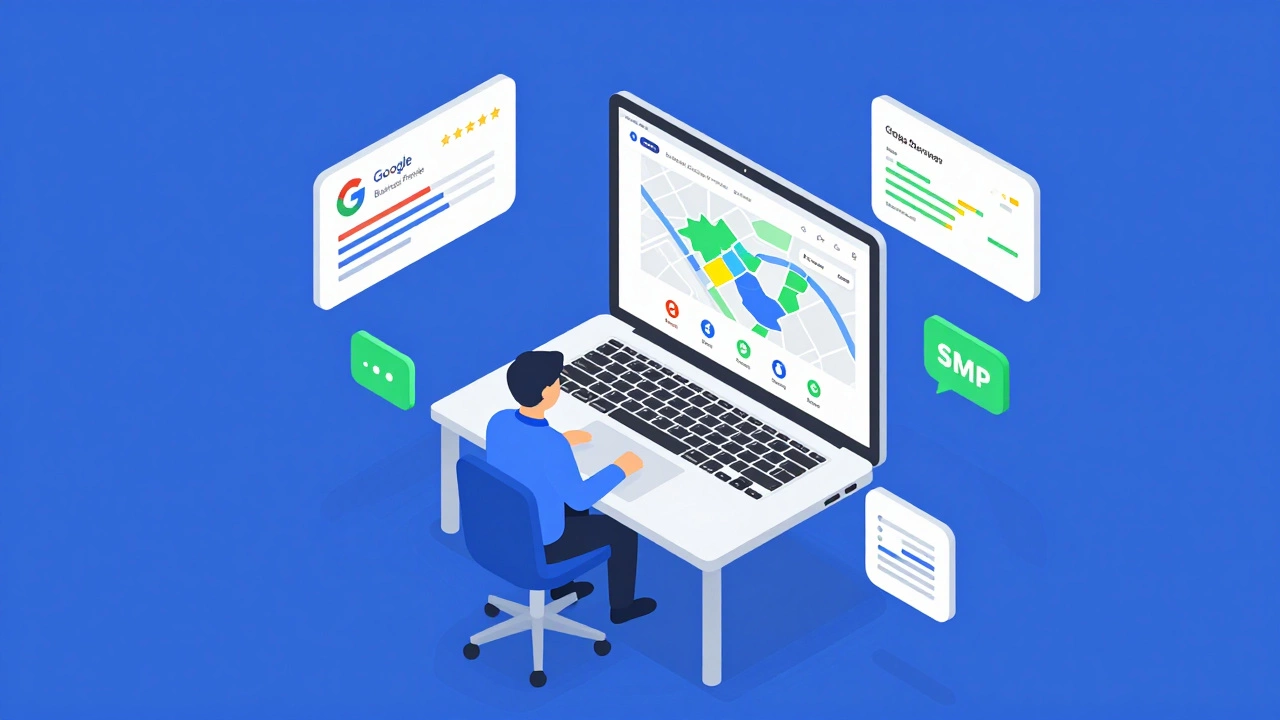
Don't forget Google Business Profile (formerly Google My Business). Claim your listing, verify your address, and encourage happy customers to leave reviews. When someone searches for "courier near me," you want to appear in the map pack. Respond to every review, positive or negative, to show you care about customer feedback.
Direct Outreach to Local Businesses
Cold calling might feel old-fashioned, but it works wonders for B2B services. The key is preparation. Don’t call randomly. Research businesses in your area that likely ship products regularly.
Start with local boutiques, florists, and bakeries. These businesses often struggle with delivery logistics during peak seasons. Walk into their stores if possible. Introduce yourself, hand them a card, and ask to speak to the owner or manager. Ask questions first: "How do you handle same-day orders right now?" Listen to their pain points. Then, offer a solution: "We can pick up from your back door at 10 AM and deliver within two hours, guaranteeing freshness for your cakes."
Follow up is where most people fail. Send a personalized email after your visit. Offer a trial run at a discounted rate. Once they experience your reliability, they’ll rarely switch providers. Word-of-mouth among local business owners is powerful; impress one, and they’ll tell three others.
Leverage Logistics Software and Platforms
In 2026, manual dispatching is inefficient. Use technology to streamline operations and attract tech-savvy clients. Integrating with popular e-commerce platforms like Shopify, WooCommerce, or Magento can make you an attractive partner for online retailers.
Consider joining aggregator platforms like Uber Freight or Roadie. These apps connect shippers with available carriers. While margins might be lower initially, they provide immediate volume and help you build a track record. Use these platforms as a lead generation tool rather than your sole income source. As you gain reviews and ratings on these apps, you can use those credentials to negotiate direct contracts with larger clients.
Invest in basic route optimization software. Tools like Route4Me or Onfleet help you plan efficient routes, reducing fuel costs and improving delivery times. Share this efficiency with clients: "Our optimized routing ensures your packages arrive faster and cheaper."
Create Strategic Partnerships
Networking isn’t just about exchanging cards at events. It’s about building mutually beneficial relationships. Identify businesses that complement your services but don’t compete with you.
For example, partner with packaging suppliers. When a local store buys boxes and tape, the supplier can recommend your courier service. In return, you recommend their packaging solutions to your clients. Another great partner is accounting firms. They advise small businesses on cost-cutting measures. If you position your service as a cost-effective alternative to national postal services, accountants may suggest you to their clients.
Attend local chamber of commerce meetings and industry-specific conferences. Don’t pitch aggressively. Instead, offer value. Share insights on changing delivery regulations or tips for reducing shipping costs. Become a trusted advisor, not just a vendor.

Offer Superior Customer Experience
The courier market is crowded. What sets you apart? Exceptional customer service. Most big carriers treat packages as numbers. You can treat them as priorities.
Implement proactive communication. Send automated SMS updates to recipients when the package is picked up, out for delivery, and delivered. Include a photo proof of delivery. This simple step reduces customer service calls and builds trust.
Handle problems gracefully. If a package is delayed due to traffic or weather, inform the client immediately. Offer alternatives, such as rescheduling or partial refunds. Never hide mistakes. Transparency turns a negative experience into a demonstration of integrity. Clients forgive errors; they don’t forgive dishonesty.
| Strategy | Cost | Time to Result | Best For |
|---|---|---|---|
| Direct Outreach | Low | Medium | Local B2B clients |
| Digital Marketing | Medium | Slow | Brand awareness |
| Aggregator Platforms | Low (commission) | Immediate | Quick cash flow |
| Partnerships | Low | Long-term | Steady referrals |
Track Metrics and Adjust
You can’t improve what you don’t measure. Track key performance indicators (KPIs) related to client acquisition. How many calls do you take per week? How many convert to paying clients? What is the cost per acquisition?
If cold calling yields low results, shift budget to digital ads. If online inquiries are high but conversions are low, review your website’s clarity and pricing transparency. Regularly analyze data to optimize your strategy. Stay agile. The logistics landscape changes constantly with fuel prices, regulations, and consumer expectations. Adapt quickly to maintain your competitive edge.
How much should I charge for courier services?
Pricing depends on distance, weight, urgency, and local competition. Start by calculating your base costs: fuel, vehicle maintenance, insurance, and labor. Add a markup for profit. For local same-day deliveries, consider charging a flat fee plus mileage. For recurring contracts, offer volume discounts. Always benchmark against major competitors but emphasize your superior service quality.
Do I need special insurance to start a courier business?
Yes. Standard auto insurance usually excludes commercial use. You need commercial auto liability insurance and cargo insurance to protect the goods you transport. Some clients may also require specific coverage limits. Check with local regulators and insurance brokers to ensure full compliance.
How can I stand out from large courier companies?
Focus on personalization and flexibility. Large companies have rigid schedules and impersonal service. Offer real-time tracking, dedicated account managers, and flexible pickup windows. Build relationships with decision-makers. Your agility and attention to detail are your biggest advantages.
Is social media effective for finding courier clients?
Social media is more useful for brand awareness than direct lead generation. Use LinkedIn to connect with business owners and logistics managers. Share case studies, testimonials, and behind-the-scenes content showing your team’s professionalism. Instagram and Facebook can help showcase successful deliveries and community involvement.
What are common mistakes new courier businesses make?
Common pitfalls include underpricing services, neglecting proper licensing, poor communication with clients, and failing to invest in technology. Avoid taking on too many clients before establishing efficient processes. Quality over quantity ensures sustainable growth and positive referrals.