Warehouse Earnings & Potential Estimator
Estimated Earnings
Key Takeaways for Job Seekers
- Tier-1 global firms offer the highest starting base pay and most aggressive benefits.
- Specializing in heavy machinery (like reach trucks) can boost your pay by 20-30%.
- Cold storage and hazardous materials handling usually pay a premium over dry goods.
- Overtime availability is often the real secret to hitting six-figure earnings in warehouse work.
The Heavy Hitters: Who Pays the Most?
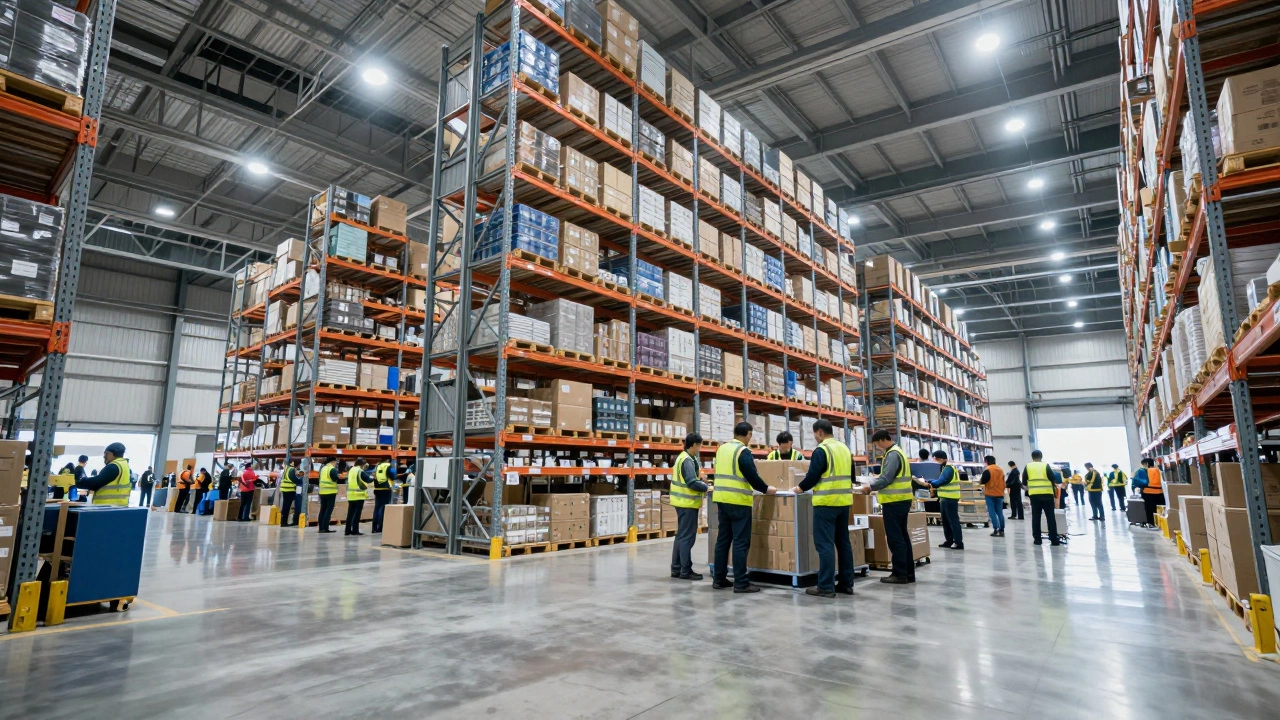
When you look at the biggest names, you'll notice a pattern. The companies with the most complex automation and the highest volume of shipments tend to pay more because the work is faster and more demanding. Amazon is the world's largest e-commerce and cloud computing company, operating a massive network of fulfillment centers. For many, Amazon is the benchmark. While their base pay varies by region, they often lead the market with starting wages that beat local competitors. They use a high-intensity model where speed is everything, and they pay for that productivity through consistent raises and occasional "peak season" bonuses. Then you have the global freight movers. DHL is a German logistics company that provides international courier, parcel, and express mail services. DHL often pays a premium for those who understand international shipping regulations and customs. Their pay scale is typically more stable, offering better long-term career paths into management than purely transactional fulfillment centers. FedEx is a multinational delivery services company that operates a vast array of sorting hubs and warehouses. FedEx is known for having a strong tiered pay system. If you stick with them, the seniority pay increases are significant, making them one of the best choices for people who want a 20-year career rather than a 2-year stepping stone.Comparing Pay Structures Across Top Players
Not all "high pay" is created equal. Some companies give you a huge hourly rate but zero benefits, while others give you a modest rate but cover your health insurance and retirement.| Company Type | Base Pay Level | Bonus Potential | Career Growth | Key Benefit |
|---|---|---|---|---|
| E-commerce Giants (Amazon) | High | Moderate (Seasonal) | Rapid | Immediate Health Coverage |
| Global Freight (DHL/FedEx) | Medium-High | Low | Steady | Strong Retirement Plans |
| Cold Storage / Pharma | Very High | Low | Specialized | Hazard/Env Pay |
| 3PL Providers | Variable | Performance-based | Moderate | Flexible Scheduling |
The Secret to Higher Pay: Specialized Skills
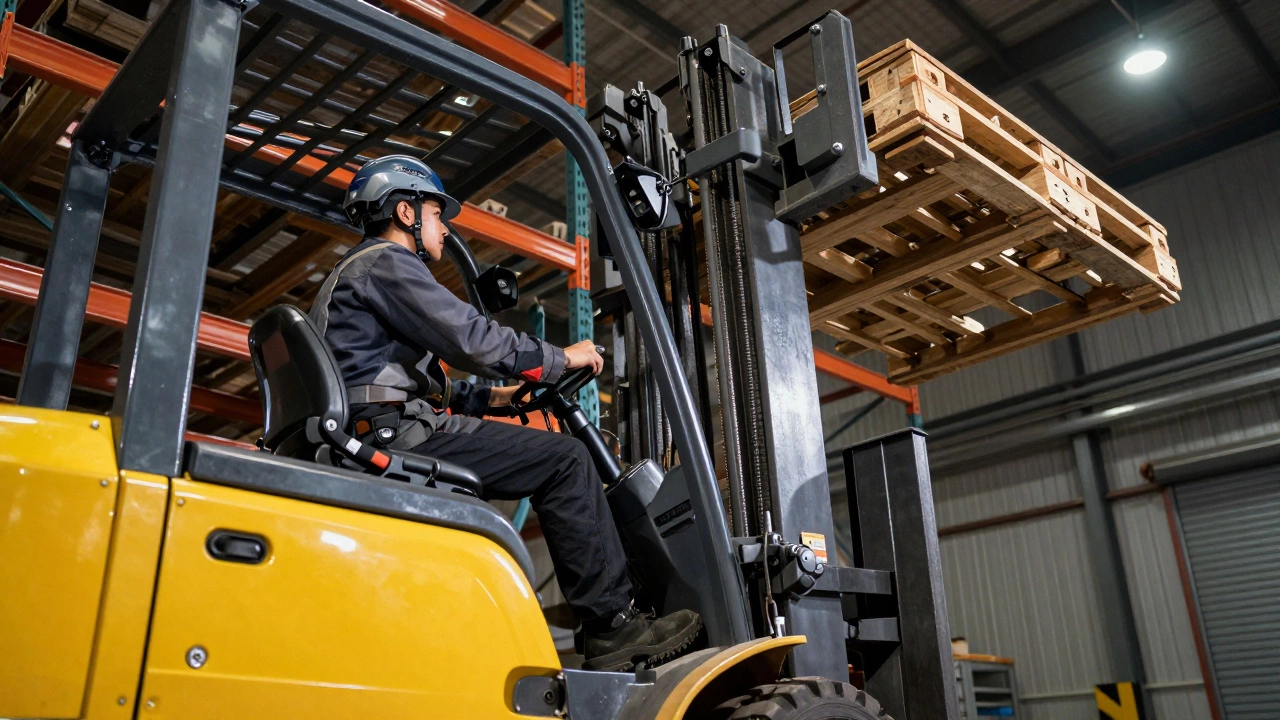
If you want to stop fighting for an extra 50 cents an hour, you need to stop being a "general laborer." Generalists are replaceable; specialists are indispensable. One of the fastest ways to jump your pay grade is by getting certified on Forklifts, specifically reach trucks or cherry pickers. A certified operator is a different class of employee. In many US and European markets, a forklift driver earns significantly more than a picker or packer because they are responsible for expensive equipment and high-rack safety. Another high-paying niche is Cold Storage, which involves warehouses kept at freezing temperatures for food or medicine. Why does this pay more? Because it's physically punishing. Most people don't want to spend 10 hours a day in a 0-degree freezer. Companies pay a "climate premium" to attract and keep staff in these environments. Then there is the world of Hazardous Materials (HazMat) handling. If you are trained to handle chemicals or flammable materials, you aren't just a warehouse worker; you're a safety specialist. The risk associated with the cargo drives the pay upward.How to Negotiate Your Warehouse Salary
Most warehouse workers just accept the number on the job posting. That's a mistake. Even in logistics, there is room to negotiate, especially if you have a proven track record of accuracy and attendance. First, know your local market. Use tools like Glassdoor or Indeed, but don't trust the averages. Look for the "high end" of the pay scale for your specific city. If you see that three different companies are paying $21/hour and your current boss is offering $18, you have leverage. Second, highlight your efficiency. Don't just say "I'm a hard worker." Say "I maintained a 99.8% picking accuracy rate over 12 months and consistently exceeded my hourly quota by 15%." Numbers are the only language warehouse managers truly respect because those are the metrics they are judged on by their corporate offices. Third, ask about the "Total Rewards" package. If the hourly rate is non-negotiable, ask about sign-on bonuses, shift differentials (extra pay for night or weekend shifts), and tuition reimbursement. Some companies will pay for your degree or certifications if you commit to staying for a year.
Avoiding the Pay Traps
Not every "high paying" job is actually a good deal. Be careful with companies that offer high base pay but rely heavily on "performance bonuses" that are nearly impossible to achieve. If the bonus requires you to work at a pace that leads to burnout or safety violations, that extra money comes at too high a cost. Avoid "temp-to-hire" agencies that promise a huge raise after 90 days but never actually convert you to a permanent employee. These agencies often skim a percentage of your hourly wage, meaning the company is paying $25/hour, but you're only seeing $17. Always ask for the direct employment path. Finally, watch out for mandatory overtime. A job that pays $25/hour sounds great until you realize you're required to work 60 hours a week. While the overtime pay is lucrative, the lack of work-life balance can lead to rapid burnout. Calculate your "effective hourly rate" by dividing your total monthly take-home pay by the actual hours you spend at the facility, including commute time.Which warehouse companies have the best benefits?
Generally, large-scale logistics firms like FedEx and DHL offer more robust long-term benefits, including comprehensive pensions and health insurance. Amazon is often praised for providing health benefits from day one of employment, which is rare in the warehouse industry.
Do certifications actually increase warehouse pay?
Yes, significantly. Certifications for heavy machinery (Forklift, Reach Truck, Order Picker) or safety certifications (OSHA) move you from a general laborer to a skilled operator. This transition typically results in a pay increase of 15% to 30% depending on the region.
Is it better to work for a 3PL or a company-owned warehouse?
Company-owned warehouses (like Amazon's) often have more standardized pay and better internal promotion paths. 3PL (Third Party Logistics) providers can be more volatile; while some pay very well during peak seasons, they may offer fewer long-term benefits and less job security.
What is a shift differential?
A shift differential is additional pay added to your base hourly rate for working undesirable hours, such as the overnight shift (Graveyard) or weekends. It's a great way to increase your earnings without needing a promotion.
How can I move into warehouse management for more money?
The fastest route is to master the Warehouse Management System (WMS) software used by your company. Once you understand how the data flows and how to optimize the floor based on that data, you become a candidate for Team Lead or Supervisor roles, which shift your pay from hourly to salary.