Express Delivery Value Calculator
Package Details
Analysis Results
Enter details to see if Express Delivery is right for you.
It’s 2:00 PM on a Tuesday. You need a critical document signed by Thursday morning, or perhaps you’ve just bought a birthday gift that needs to arrive before the party tonight. You click “Express Delivery,” pay the premium fee, and wait. But here is the question that keeps shoppers and small business owners up at night: does it actually work? Or is express delivery just a fancy label for standard shipping with a higher price tag?
In 2026, the promise of speed has never been louder. Major carriers boast about "same-day" and "next-day" guarantees as if they are as reliable as gravity. Yet, anyone who has lived through a holiday rush, a weather event, or a simple warehouse error knows that reality often looks different from the marketing brochure. So, does express delivery live up to the hype? The short answer is yes-but only under specific conditions, and usually at a cost that requires careful calculation.
The Mechanics Behind the Magic
To understand whether express delivery works, you first have to look at how it differs from standard shipping. It isn’t just about driving faster. Standard shipping relies on hub-and-spoke networks, where packages travel long distances to central sorting facilities before being distributed locally. This method is efficient for volume but slow for individual items.
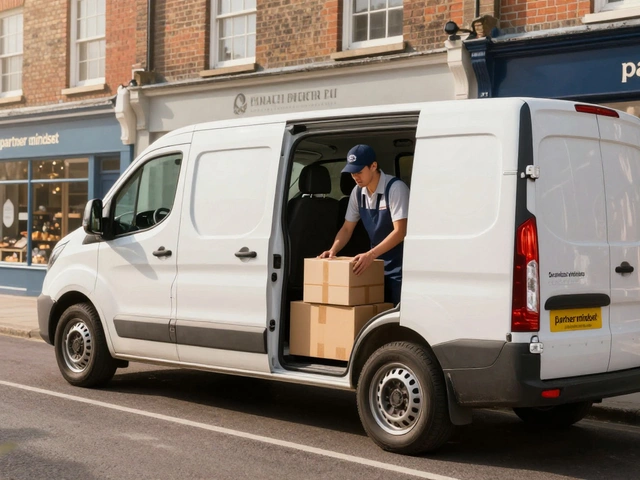
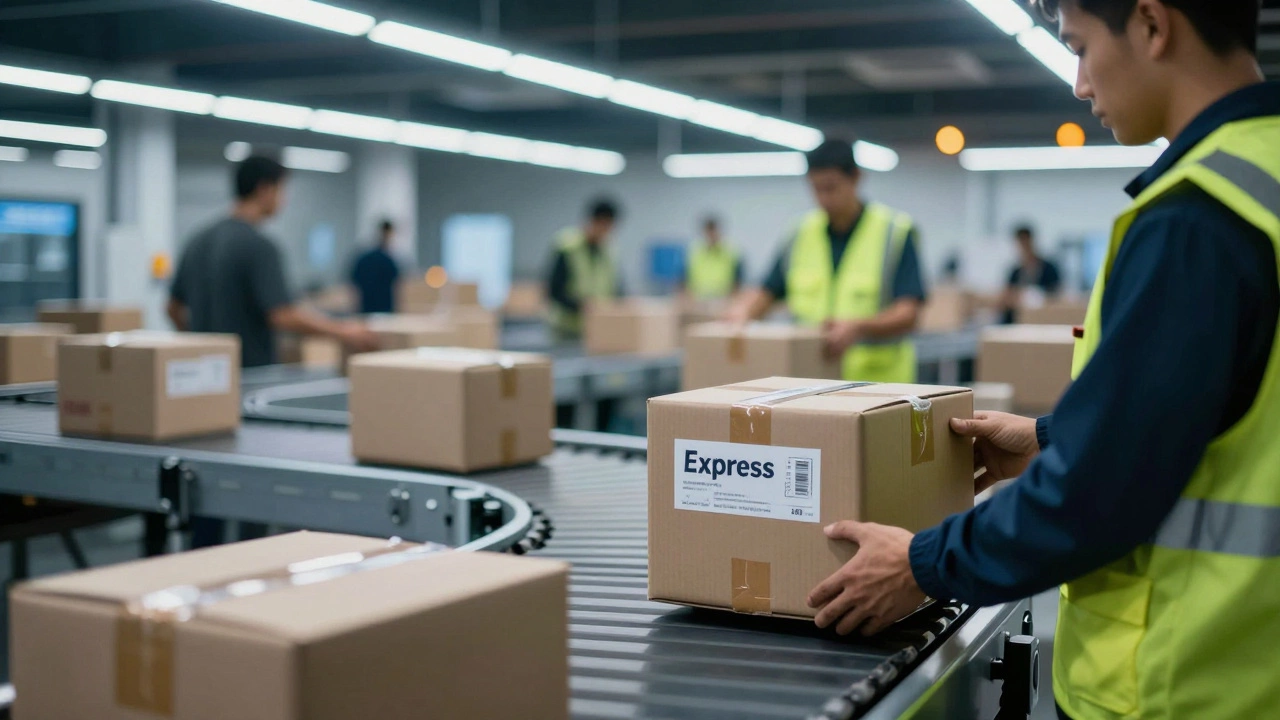
Express delivery, on the other hand, prioritizes direct routes and air freight. When you select this option, your package bypasses many of the intermediate stops. Instead of sitting in a regional depot for two days waiting for a truck load to fill up, it gets tagged for priority handling. In many cases, especially within major metropolitan areas like Auckland, Sydney, or London, this means the package moves via dedicated courier vans rather than massive semi-trucks.
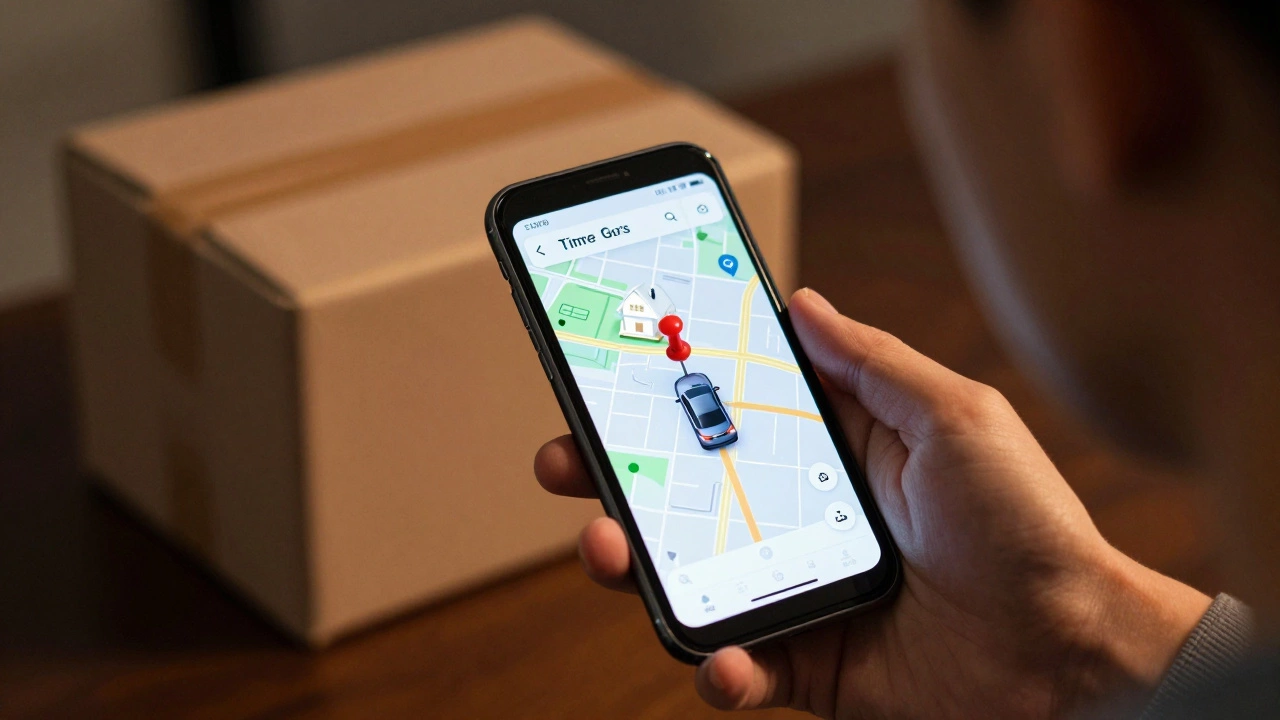
The key difference lies in last-mile logistics. This final leg of the journey-from the local distribution center to your doorstep-is where most delays happen. Express services invest heavily in optimizing this stage. They use dynamic routing software that updates every few minutes, allowing drivers to avoid traffic jams or road closures in real-time. For the consumer, this translates to a tighter delivery window. Instead of a vague "arrive by end of day," you might get a notification saying, "Your driver is 15 minutes away."
Reliability: The Gap Between Promise and Reality
If express delivery were perfect, we wouldn’t be having this conversation. The truth is that reliability varies significantly depending on several factors. Let’s break down where it succeeds and where it fails.
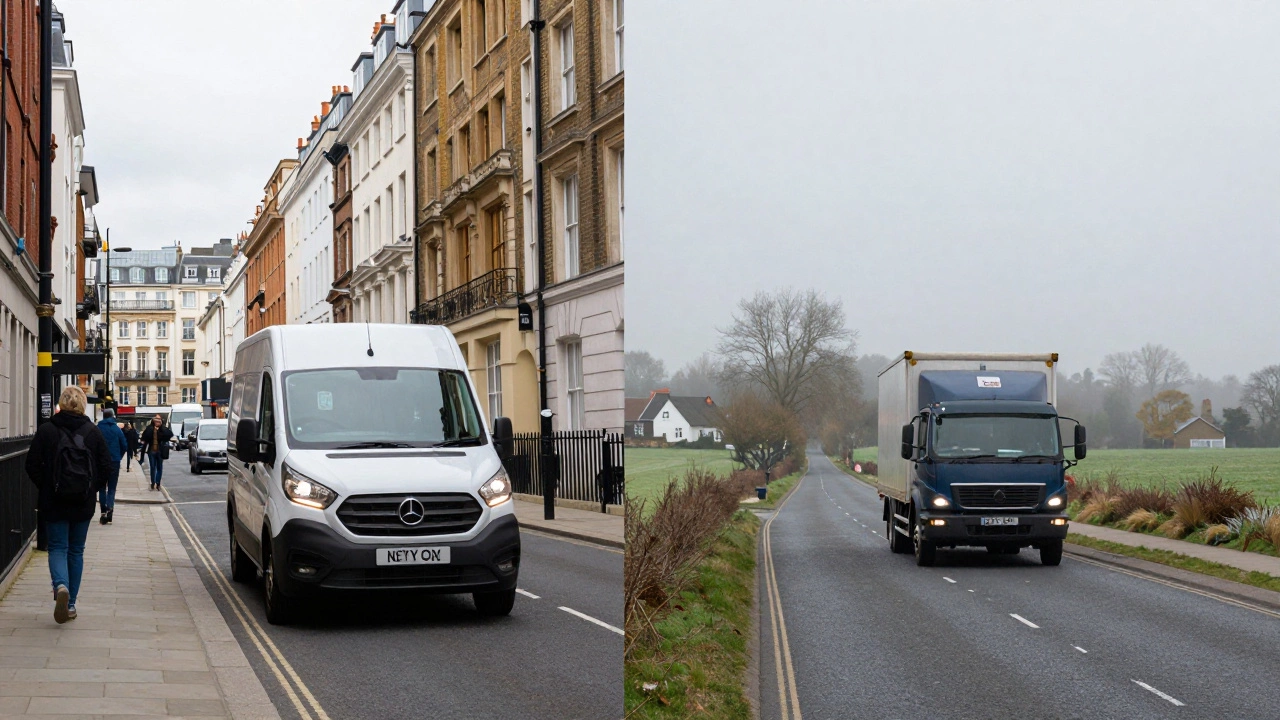
Urban vs. Rural Divide: If you live in a city center, express delivery works exceptionally well. Density allows couriers to drop off multiple packages in a single trip, maximizing efficiency. However, if you live in a rural area, the "express" part often refers to the transit time between cities, not the final delivery. A package might fly overnight from New York to Chicago, but if your house is 30 miles outside the city limits, it could still take an extra day to reach you. In these cases, express delivery feels less like a sprint and more like a relay race with a slow final runner.
Weather and External Factors: No amount of technology can stop a blizzard, a hurricane, or a port strike. In 2024 and 2025, extreme weather events became more frequent, causing widespread disruptions. Express flights get grounded just like regular ones. While carriers often prioritize express shipments when services resume, the guarantee is voided during force majeure events. This is a crucial detail many customers overlook until their package is stuck.
The "Cut-Off" Trap: One of the biggest reasons express delivery fails is human error at the start. Most carriers have strict cut-off times. If you order online at 4:59 PM and the cut-off is 5:00 PM, your package might not leave the seller’s warehouse until the next morning. Suddenly, your "next-day" delivery becomes a "two-day" delivery because the clock started ticking later than you thought. Always check the seller’s dispatch time, not just the carrier’s estimated arrival.
| Feature | Standard Shipping | Express Delivery | Same-Day Courier |
|---|---|---|---|
| Average Transit Time | 3-7 Business Days | 1-2 Business Days | Hours (within city) |
| Cost Premium | Baseline | 2x - 4x Standard | 5x - 10x Standard |
| Tracking Precision | Low (Updates every 1-2 days) | High (Real-time GPS) | Very High (Live Driver Map) |
| Rural Reliability | Moderate | Low to Moderate | Unavailable |
| Best Use Case | Non-urgent bulk goods | Time-sensitive documents/gifts | Critical medical/legal items |
The Cost-Benefit Analysis
So, does it work? Yes. But is it worth it? That depends entirely on what you value more: time or money. Express delivery typically costs between 100% and 300% more than standard shipping. For a $10 t-shirt, paying $15 for express shipping doesn’t make financial sense unless you’re desperate. But for a $2,000 laptop or a legal contract, the peace of mind and reduced risk of loss can justify the expense.
There is also the hidden benefit of package security. Express packages spend less time in transit, which means fewer hands touch them. Each transfer point is a potential opportunity for damage or theft. By minimizing the number of hubs your package visits, you statistically reduce the risk of mishandling. For high-value items, express delivery isn’t just about speed; it’s about safety.
However, be wary of "pseudo-express" options. Some retailers offer "fast shipping" that is actually just standard ground shipping with a slight priority boost. Always read the fine print. Look for terms like "guaranteed next-day" or "air freight included." If the description is vague, assume it’s not true express service.
How to Ensure Your Express Delivery Works
If you decide to use express delivery, you can take steps to maximize its success rate. Here are practical tips based on current logistics best practices:
- Order Early in the Day: Place your order before noon. This gives the seller enough time to process and hand over the package to the carrier before the daily cut-off.
- Verify the Address: Express couriers have less margin for error. A typo in your street name can cause a significant delay because they won’t have time to investigate. Double-check your address details.
- Use Signature Confirmation: For valuable items, always opt for signature upon delivery. This ensures the package is handed directly to you and not left on the porch where it could be stolen or damaged.
- Monitor Tracking Actively: Don’t just set and forget. Check the tracking status every few hours. If you see a delay, contact the carrier immediately. Early intervention can sometimes reroute a package or expedite a hold-up.
- Choose Reputable Carriers: Not all express services are created equal. Established players like FedEx, UPS, DHL, and national postal services’ premium tiers generally have better infrastructure and accountability than smaller, unknown couriers.
The Future of Speed
As we move further into 2026, the definition of express delivery is evolving. We are seeing the rise of autonomous delivery robots and drones in controlled environments. These technologies promise to shrink the last-mile time even further, potentially making same-day delivery the norm rather than the exception. However, regulatory hurdles and technical limitations mean this is still largely confined to pilot programs in select cities.
For now, traditional express delivery remains the gold standard for urgent shipments. It works reliably for urban dwellers, offers enhanced security for high-value items, and provides the convenience that modern life demands. Just remember: it’s a tool, not a magic wand. Use it wisely, plan for contingencies, and always keep an eye on that tracking number.
Is express delivery guaranteed to arrive on time?
Most major carriers offer a money-back guarantee if the package arrives late, provided there are no exceptions like weather, customs delays, or incorrect addresses. However, "guaranteed" usually applies to business-to-business shipments or specific premium services. For consumer packages, while highly reliable, absolute guarantees are rare due to variables beyond the carrier's control.
Why is express delivery so expensive?
The high cost covers air freight fees, priority handling labor, and dedicated transportation resources. Unlike standard shipping, which fills trucks slowly over days, express shipping requires reserving space on planes and keeping vehicles running specifically for urgent loads. You are paying for capacity reservation and speed, not just movement.
Can I track my express package in real-time?
Yes, most express services provide detailed tracking. While you may not see the exact GPS location of the plane, you will receive frequent updates at each scan point (pickup, departure, arrival at hub, out for delivery). Some local courier apps even show the driver's live location on a map once the package is out for delivery.
Does express delivery work for international shipments?
International express delivery is possible but subject to customs clearance. While the physical transport is fast (often 1-3 days), packages can get held up at borders for inspection. To mitigate this, ensure all documentation is accurate and declare values correctly. Delays at customs are the most common reason for international express failures.
What should I do if my express package is delayed?
Contact the carrier immediately using the phone number on their website, not the one in automated emails. Provide your tracking number and ask for a supervisor if the initial agent cannot help. If the delay violates a stated guarantee, file a claim for a refund of shipping costs. Keep records of all communications.