
Amazon Flex True Earnings Calculator
Enter your block details below to see how much you actually keep after gas, maintenance, and depreciation. Remember: Amazon doesn't pay for fuel separately.
You see the ad: "Earn $18-$25 per hour driving your own car." It sounds great. You sign up, get approved, and hit the road. Then you pull into a gas station at the end of your shift, stare at the pump meter, and feel that familiar pit in your stomach. Amazon Flex is a delivery service where independent contractors use their personal vehicles to deliver packages. But does it actually cover the cost of filling up that tank?
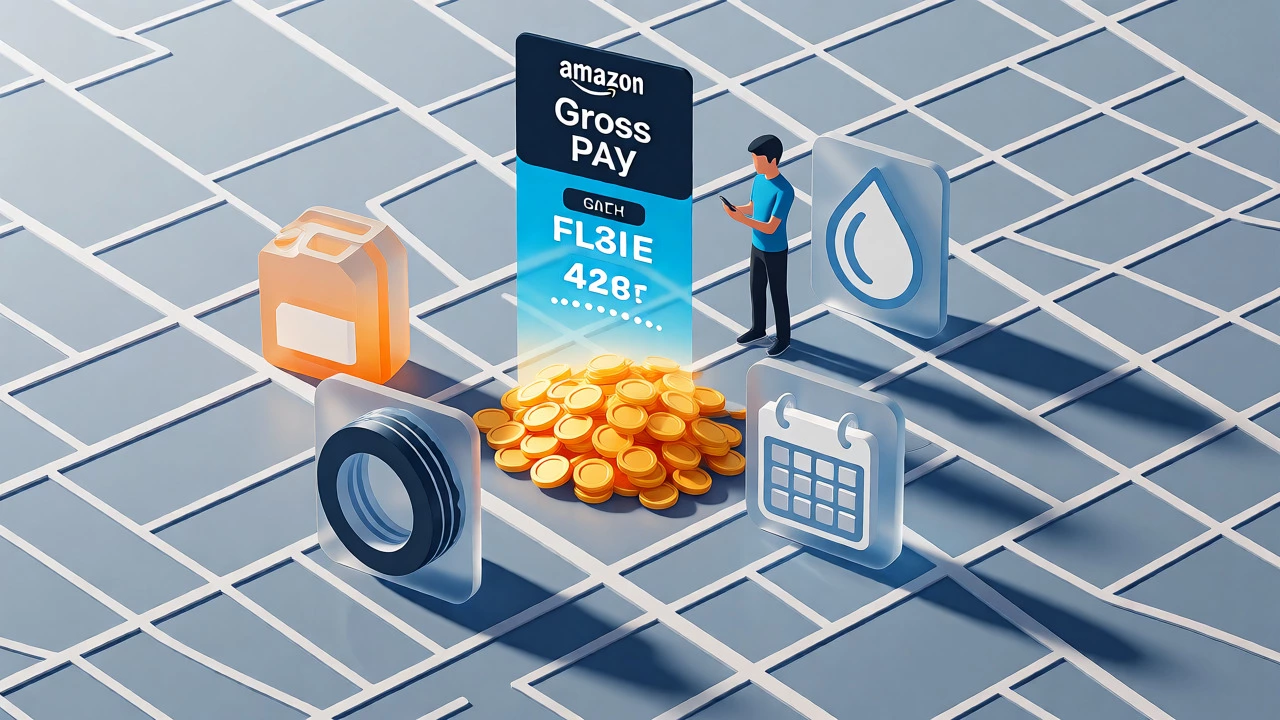
Here is the blunt truth: No. Amazon Flex does not pay for fuel separately. You don’t get a gas card, a mileage reimbursement check, or a separate line item on your payout for gasoline. When you accept a block, the hourly rate you see is all-inclusive. That number has to cover your time, your vehicle wear and tear, insurance, and yes, every single liter of petrol or gallon of diesel you burn.
The Contractor Reality Check
It feels unfair, doesn’t it? If you work for UPS or FedEx, they provide the truck and the fuel. But Amazon Flex drivers are independent contractors, not employees. This legal distinction changes everything about how you get paid.
Think of it like being a landlord. You charge rent, but you also pay for the repairs, the taxes, and the utilities if they aren’t passed through. With Flex, you are essentially renting out your car’s space and your time. Amazon sets the price for that rental, and you have to make sure the profit margin survives after you subtract your operating costs.
This model puts the risk entirely on you. If gas prices spike from $2.00 to $3.00 a liter overnight, your take-home pay drops immediately because your revenue stays flat while your costs jump. There is no adjustment mechanism in the app to say, "Hey, fuel got expensive this week, so bump my rate." You just absorb the hit.
Calculating Your True Hourly Rate
So, if the advertised rate is $20 an hour, how much do you actually keep? To figure this out, you need to treat your car like a business expense. Most drivers underestimate this part because they only look at the gas gauge. They forget about tires, oil changes, and depreciation.
A common rule of thumb used by fleet managers and experienced gig workers is to estimate vehicle operating costs at approximately $0.60 to $0.80 per kilometer driven. This includes fuel, maintenance, and the loss of value as the odometer climbs. Let’s run a realistic scenario for a typical four-hour block in Auckland or similar urban environments.
| Item | Low Estimate | High Estimate |
|---|---|---|
| Gross Pay ($20/hr) | $80.00 | $80.00 |
| Kilometers Driven | 60 km | 90 km |
| Fuel Cost (@ $2.20/L, 8L/100km) | $10.56 | $15.84 |
| Maintenance/Wear Reserve | $18.00 | $27.00 |
| Net Profit Before Tax | $51.44 | $37.16 |
| Effective Hourly Rate | $12.86 | $9.29 |
See the difference? A $20/hour headline can quickly become a $12/hour reality once you account for the hidden costs of keeping a car on the road. And that’s before you set aside money for income tax, which you must handle yourself since Amazon doesn’t withhold it.
Why Some Drivers Still Say Yes
If the math looks tight, why are thousands of people still driving blocks every day? For many, it’s about flexibility and asset utilization. If you already drive a lot for other reasons-say, commuting to a second job or running errands-those fixed costs (insurance, registration) are sunk costs. You’re paying them whether you drive for Amazon or not.
In this case, you might only count marginal costs: fuel and extra wear. If your car gets good fuel economy, say a hybrid like a Toyota Prius, which averages around 4-5 liters per 100 kilometers, your fuel bill drops significantly. Suddenly, that $20/hour block starts looking more profitable because your variable costs are lower.
Also, consider the peak pay bonuses. During busy seasons like Black Friday or Christmas, Amazon often adds surge pricing. A standard $18/hour block might jump to $25 or even $30 during high-demand windows. These spikes can offset the higher fuel usage caused by stop-and-go traffic in December. Smart drivers chase these surges specifically to boost their net margins.
Tax Deductions: The Hidden Reimbursement
While Amazon won’t hand you cash for gas, the government might give some back via tax deductions. This is where the contractor status flips from a disadvantage to a potential benefit. In many jurisdictions, including New Zealand and Australia, you can claim vehicle-related expenses against your taxable income.
You generally have two ways to calculate this:
- The Logbook Method: You track every trip for 12 weeks to determine the percentage of total driving done for business. You then claim that percentage of all running costs (fuel, rego, insurance, servicing).
- The Cents-per-Kilometer Method: Tax authorities allow a set rate per kilometer (e.g., roughly $0.85-$0.90 per km in NZ/AU contexts). You simply multiply your business kilometers by this rate. No receipts needed for fuel, but you lose the ability to claim actual costs if they were higher.
For most Flex drivers, the cents-per-km method is easier. It acts as a de facto fuel allowance. If you drive 100 km for deliveries, claiming $85 covers your fuel and leaves room for maintenance. Just remember: you must keep a logbook or app record proving those kilometers were for delivery blocks, not just joyrides.
Strategies to Protect Your Margins
Since you can’t control the gas price, you have to control how you drive. Here are three practical tweaks that help preserve your profit.
Choose Efficient Blocks: Look at the map before accepting. Is the route clustered in one suburb, or does it zigzag across the city? Long-distance routes with few stops eat fuel fast. Tight clusters mean less engine idling and shorter distances between drops. Prioritize density over distance.
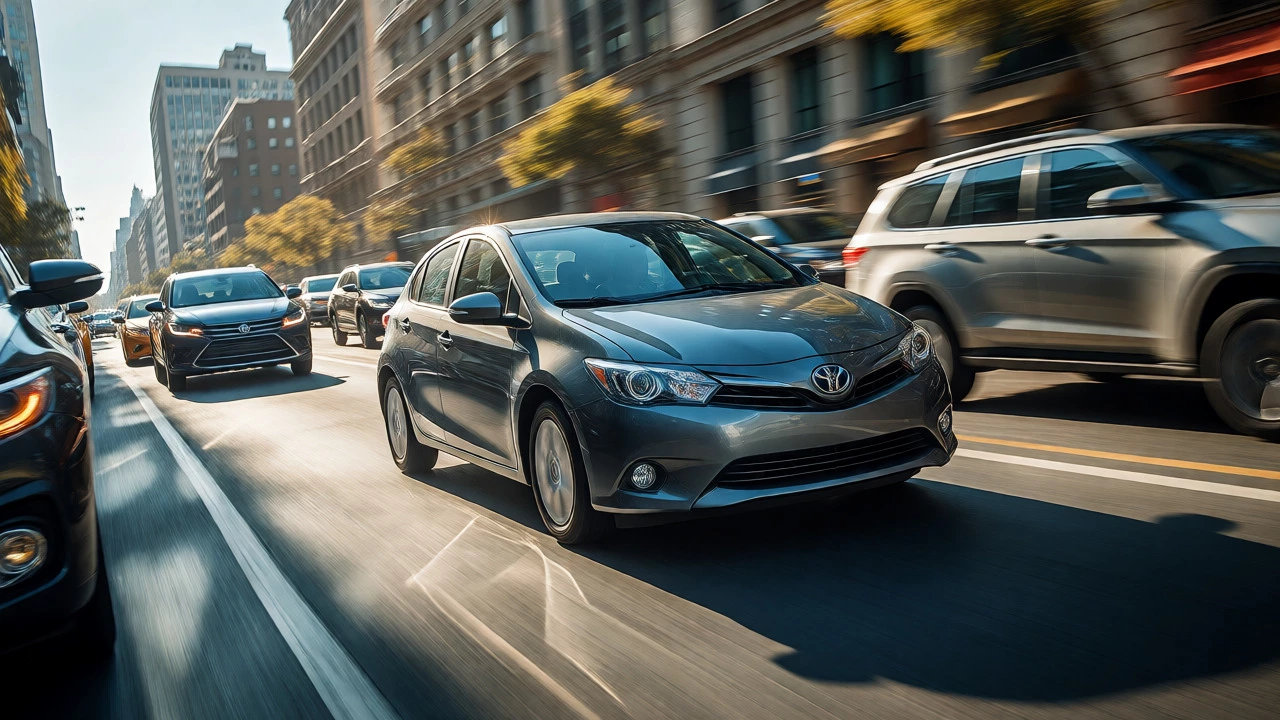
Drive the Right Vehicle: If you are serious about Flex, switch to a small hatchback or a hybrid. An SUV might be comfortable, but burning 12 liters per 100km kills your earnings. A compact car doing 6 liters per 100km doubles your effective fuel budget. The comfort trade-off is worth it when you see the bank balance.
Track Everything: Use apps like Stride or MileIQ to automatically track miles. At the end of the year, you want exact data for your tax return. Guessing leads to missed deductions. If you drive 5,000 business kilometers a year, missing out on proper claims could cost you hundreds of dollars in unnecessary tax payments.
Comparing Flex to Other Gig Options
How does Amazon stack up against competitors like Uber Eats or DoorDash regarding fuel costs? Surprisingly, it’s pretty similar. None of them pay for gas directly. However, package delivery tends to involve fewer short trips than food delivery. Food couriers often wait at restaurants (idling) and make frequent stops. Package drivers usually load up and go, which can be slightly more fuel-efficient per dollar earned, provided the route isn’t scattered.
However, big-box retailers sometimes offer better perks. For example, some local courier services or grocery chains might offer subsidized fuel cards or lease programs for their drivers. Amazon Flex, being a pure gig platform, keeps its overhead low by pushing all vehicle responsibilities onto you.
Does Amazon Flex reimburse mileage?
No, Amazon Flex does not provide direct mileage reimbursement or fuel allowances. The hourly rate offered for each delivery block is intended to cover all expenses, including fuel, vehicle maintenance, and insurance. Drivers are responsible for managing these costs themselves.
Can I claim fuel costs on my taxes as an Amazon Flex driver?
Yes, in most countries, independent contractors can claim vehicle expenses as tax deductions. You can typically choose between a standard cents-per-kilometer rate or tracking actual costs (fuel, repairs, insurance) based on the percentage of business use. Keeping accurate records of your delivery kilometers is essential for maximizing these deductions.
What type of car is best for Amazon Flex to save on fuel?
Small, fuel-efficient cars are ideal. Hybrids like the Toyota Prius or compact hatchbacks that achieve 5-7 liters per 100 kilometers are popular choices. Larger SUVs and trucks consume significantly more fuel, which reduces your net hourly earnings unless you are delivering very large volumes of heavy packages that justify the higher consumption.
Do Amazon Flex drivers get any benefits like health insurance?
Generally, no. As independent contractors, Amazon Flex drivers do not receive employee benefits such as health insurance, paid time off, or retirement contributions. You must arrange and pay for your own insurance and savings plans. Some regions may offer specific protections for gig workers, but these vary by location.
Is Amazon Flex profitable if gas prices are high?
Profitability depends on your vehicle's efficiency and the block rates in your area. High gas prices squeeze margins, especially for drivers with inefficient vehicles. However, drivers who select dense delivery zones, utilize fuel-efficient cars, and capitalize on peak-pay bonuses can still maintain a reasonable net income despite rising fuel costs.