Cash on Delivery (COD) Risk & Payment Calculator
Order Details
Analysis Results
Security Comparison
- Cash on Delivery Low Security
- Credit/Debit Card High Security
- Digital Wallet High Security
Delivery Workflow Steps
- Order Placement
- Fulfillment & Labeling
- Dispatch to Local Depot
- Last Mile Courier Pickup
- Collection at Doorstep
- Reconciliation & Deposit
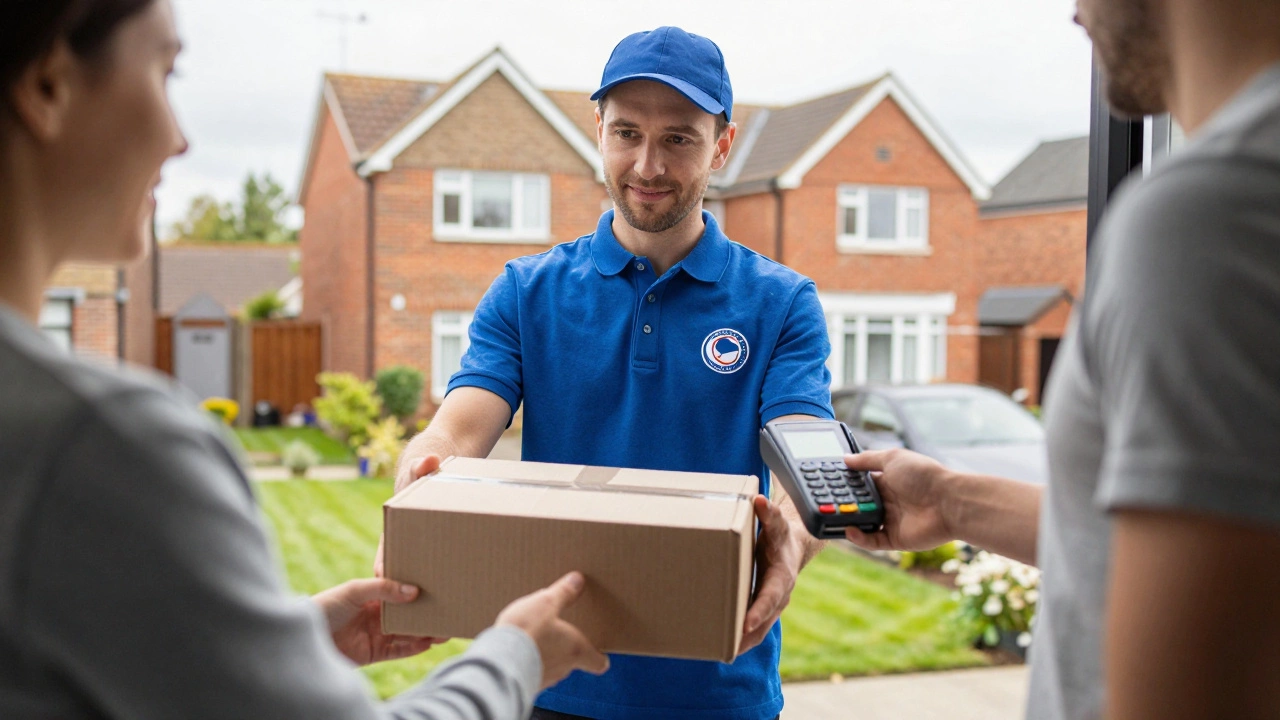
You’ve just placed an order for a high-value item online. You didn’t pay upfront because you weren’t sure if the product would match the description. Now, the tracking page says your package is out for delivery. The big question hits you: do couriers bring cash to exchange for your payment?
The short answer is no. Couriers do not carry large amounts of physical currency in their vehicles to hand over to customers. That would be a massive security risk and logistically impossible. However, they do collect cash from you if you selected 'Cash on Delivery' (COD) as your payment method. They act as intermediaries, taking your money and sending it back to the merchant.
This distinction is crucial. Understanding how this process works can save you from missed deliveries, extra fees, or awkward moments at your doorstep. Let’s break down exactly what happens when a courier arrives with a cash-on-delivery request.
How Cash on Delivery Actually Works
Cash on Delivery is one of the oldest forms of e-commerce payment, yet it remains surprisingly popular. According to recent industry data, nearly 30% of online shoppers in regions like Southeast Asia and parts of Europe still prefer paying upon receipt of goods. Why? Trust. People want to see the product before parting with their money.
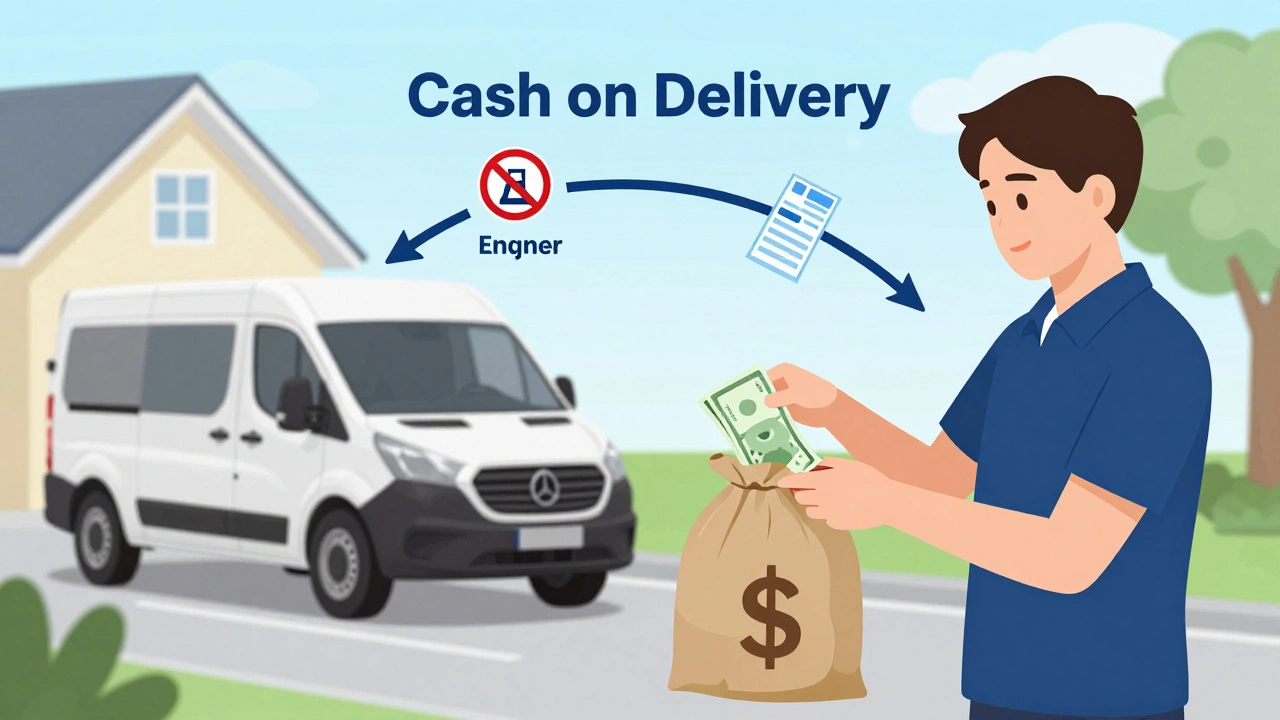
When you choose COD, here is the workflow:
- Order Placement: You buy an item without entering credit card details.
- Fulfillment: The seller packs the item and labels it as 'Cash Collection Required.'
- Dispatch: The parcel goes through standard sorting hubs until it reaches the local depot.
- Last Mile: A courier picks up the package along with a manifest listing the expected cash amount.
- Collection: The courier delivers the item, takes your cash, and issues a receipt.
- Reconciliation: The courier deposits the cash into their company’s bank account or hands it to a supervisor. The merchant is then paid minus a service fee.
The courier isn’t bringing cash to you; they are taking cash from you. This reversal of flow is why you won’t find drivers carrying suitcases full of bills. Instead, they carry secure, tamper-proof bags designed to hold collected payments safely.
Why Couriers Don’t Carry Large Amounts of Cash
Safety is the primary reason couriers avoid carrying significant cash reserves. Imagine a delivery driver stopping at a red light with $5,000 in loose change inside their van. It’s a target for theft. Logistics companies operate on thin margins, and insurance premiums for cash-in-transit are exorbitant.
Instead, modern courier services use several strategies to mitigate risk:
- Limited Float: Drivers may carry small denominations only if they need to provide change, but most companies now require exact payment.
- Digital Integration: Many couriers use handheld devices that process card payments on the spot, reducing the need for physical cash entirely.
- Secure Deposits: Collected cash is deposited daily into secured accounts, often via armored transport or direct bank drops.
If you expect a courier to bring specific coins or notes for change, you might be disappointed. Most major carriers, including FedEx, UPS, and DHL, have moved away from handling cash directly unless explicitly required by local regulations or specific client contracts.
Exact Change vs. Card Payments
One of the biggest frustrations for both customers and couriers is the issue of change. If your order total is $147.50 and you hand the driver a $200 bill, what happens next?
In many cases, the courier will ask for exact change. If you don’t have it, they may refuse the delivery or mark it as 'failed attempt.' This isn’t rudeness; it’s policy. Carrying enough small bills to cover every possible transaction scenario is impractical for a driver making dozens of stops per day.
To avoid this hassle, consider these options:
- Pay Online First: Switch to credit/debit card or digital wallet payment before the item ships.
- Contact the Driver: Some apps allow you to message the driver ahead of time to confirm if they can provide change.
- Use Digital COD: Newer platforms offer 'e-COD,' where you scan a QR code at the door to pay instantly via mobile banking.
As of 2026, digital payment adoption has surged. Even in markets traditionally reliant on cash, more than 60% of COD orders are now settled via contactless cards or NFC-enabled smartphones. The trend is clear: physical cash is becoming a legacy option rather than the default.
Security Risks and Best Practices
Paying with cash at the door carries inherent risks. Unlike credit card transactions, cash payments cannot be reversed if the item turns out to be counterfeit or damaged. Once the money leaves your hand, the transaction is final.
To protect yourself:
- Inspect Before Paying: Check the packaging for signs of damage. If the box is crushed or wet, refuse the delivery and report it immediately.
- Get a Receipt: Always ask for a printed or digital receipt showing the amount paid and the transaction ID.
- Verify the Courier: Ensure the person delivering the package is wearing official uniform and has identification from the logistics company.
- Avoid Unverified Sellers: COD is safest with established retailers. Scammers often use fake COD offers to steal personal information or deliver worthless items.
For merchants, the risk lies in fraud. A customer might accept the package, pay cash, and then claim they never received it. To combat this, reputable courier services use photo proof of delivery and signature capture technology.
Alternatives to Cash on Delivery
If you’re worried about carrying cash or dealing with change issues, there are better alternatives. Here’s how different payment methods stack up against traditional COD:
| Payment Method | Security Level | Convenience | Refund Ease |
|---|---|---|---|
| Cash on Delivery | Low | High (for trust) | Difficult |
| Credit/Debit Card | High | Very High | Easy |
| Digital Wallets (Apple Pay, etc.) | High | Very High | Easy |
| Bank Transfer | Medium | Low | Moderate |
Digital wallets and card payments offer superior protection. If something goes wrong, you can dispute the charge through your bank. With cash, you’re on your own. Additionally, digital payments create a paper trail that helps resolve disputes faster.
Regional Differences in Cash Handling
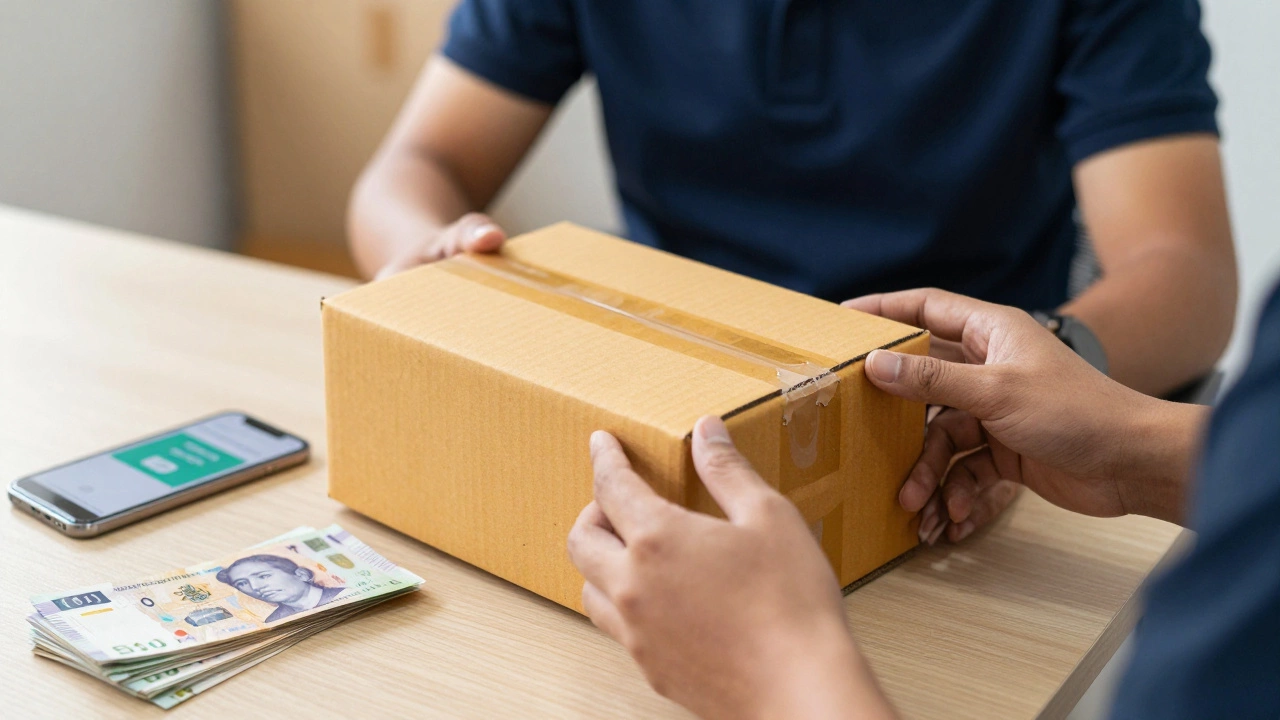
The role of cash in courier services varies significantly by region. In countries like Japan and South Korea, cash usage has plummeted due to widespread adoption of mobile payments. Conversely, in parts of Africa and Latin America, cash remains king due to lower banking penetration and cultural preferences.
In Auckland, New Zealand, for instance, cash-on-delivery is rare. Most consumers prefer Afterpay or direct card payments. Local courier companies like NZ Post rarely handle cash collections unless specifically arranged for B2B clients. This regional context matters if you’re shopping internationally or running a cross-border business.
Understanding these nuances helps set realistic expectations. If you live in a cash-dominant economy, expect couriers to be equipped for it. If you’re in a digital-first market, don’t bother counting out bills-your phone will likely suffice.
What Happens If You Refuse the Package?
Let’s say the courier arrives, you inspect the box, and decide you don’t want it. Or perhaps you realize you don’t have enough cash. What happens next?
If you refuse the package, the courier marks it as 'returned to sender.' The item goes back to the merchant, who may restock it or discard it depending on their policy. You typically won’t be charged, but you might lose any promotional discounts tied to the original order.
However, if you initially agreed to COD and then fail to pay despite accepting the item, the courier may escalate the issue. Repeated failures can lead to blacklisting from certain courier networks, making future deliveries more difficult.
Always communicate clearly. If you’re unsure, call the merchant or courier service before the delivery window opens. Proactive communication prevents costly misunderstandings.
Do couriers carry cash to give to customers?
No, couriers do not bring cash to customers. They collect cash from customers who have chosen Cash on Delivery (COD) as their payment method. Carrying large amounts of cash would pose significant security risks.
Can I pay my courier with a credit card instead of cash?
Yes, most modern courier services accept credit and debit cards via handheld terminals. Contactless payments are also widely supported. Always check with the specific carrier beforehand to ensure they support digital payments.
What if I don’t have exact change for my COD order?
Many couriers require exact change. If you don’t have it, they may refuse the delivery. To avoid this, try to get exact change beforehand or switch to a digital payment method before the item ships.
Is Cash on Delivery safe?
COD is safe if you inspect the package before paying and get a receipt. However, it lacks the buyer protection offered by credit cards. For high-value items, consider using a secure payment gateway instead.
Why do some sellers charge extra for Cash on Delivery?
Sellers charge extra for COD to offset the higher processing fees and risk associated with cash handling. Logistics companies often take a percentage of the collected amount, which merchants pass on to customers.