
International Shipping Cost & Carrier Estimator
Recommended Carrier: -
Enter your shipping details to see the recommendation.
Key Takeaways
- DHL generally wins on price and speed for shipments leaving or entering Europe and Asia.
- FedEx is often the more affordable choice for shipments originating within the United States.
- Both use complex "dimensional weight" calculations, meaning a light but bulky box will cost more than a small heavy one.
- Third-party shipping software can often slash these rates by 30% to 50% compared to retail counter prices.
The Battle of the Base Rates
To understand if DHL is a German logistics company specializing in international express delivery and freight or FedEx is an American multinational delivery services company known for its comprehensive global network is cheaper, you first have to look at their home turf. DHL is the undisputed king of the global map. Because they have a deeper infrastructure in Europe, Africa, and Asia, they often avoid the "middleman" fees that other carriers pay when handing off packages to local postal services. If you're shipping from Berlin to Tokyo, DHL will likely be your cheapest and fastest bet.
FedEx, on the other hand, is built for the American market. If you are shipping a package from a small town in Ohio to London, FedEx usually offers more competitive DHL vs FedEx cost options because their domestic pickup and sorting network in the US is unmatched. They've spent decades optimizing the "first mile" in North America, which keeps the initial cost of the shipment lower for US-based senders.
| Region of Origin | Destination | Cheaper Option | Reason |
|---|---|---|---|
| USA | Global | FedEx | Better domestic US infrastructure |
| Europe | Global | DHL | Stronger regional network |
| Asia | Global | DHL | Extensive Asian logistics hubs |
| Americas | Americas | FedEx | Strong Pan-American presence |
The Dimensional Weight Trap
You might find a lower base rate on the website, but that's where the trap lies. Both companies use Dimensional Weight, a formula that calculates price based on the package's volume rather than just its actual weight. If you ship a large pillow that weighs only 2 lbs, you aren't paying for 2 lbs; you're paying for the space it takes up in the plane.
The formula typically looks like this: (Length x Width x Height) / Divisor = Billable Weight. While both companies use similar divisors, FedEx sometimes offers slightly more flexibility for small business accounts. If your items are light but bulky, you'll find that the "cheaper" carrier is actually the one that helps you optimize your packaging. A trick used by pro shippers is to use the smallest possible box to avoid hitting a higher weight bracket, which can save you $20 to $50 on a single international shipment.

Navigating Customs and Hidden Fees
The biggest surprise in international shipping isn't the shipping fee-it's the Customs Duties. These are taxes imposed by the destination country's government. Neither DHL nor FedEx "charges" these fees in the traditional sense, but they both act as the broker to collect them.
DHL is often praised for its superior customs clearance process. Because they operate in more countries with deeper local knowledge, they tend to get packages through customs faster and with fewer errors. A package stuck in customs for two weeks isn't just a delay; it's a cost if you're paying for a premium express service. FedEx is excellent in the US and Canada, but in more complex markets like Brazil or India, DHL's expertise often prevents the "surprise" storage fees that occur when a package is held in a warehouse due to incorrect paperwork.
Service Levels: Express vs. Economy
If you need something there yesterday, you'll go for Express. But if you want the cheapest option, look for the "Economy" or "Ground" international tiers. FedEx International Economy is a powerhouse for non-urgent shipments, often beating DHL on price for shipments moving from North America to Europe. It's slower, but the price drop can be significant.
DHL Express, conversely, is often so efficient that their "fast" service is priced similarly to other carriers' "slow" services. When you compare the two, don't just look at the price; look at the delivery window. If DHL can get it there in 3 days for $80 and FedEx takes 7 days for $70, the $10 difference is usually worth the trade-off in customer satisfaction.
How to Actually Get the Lowest Rate
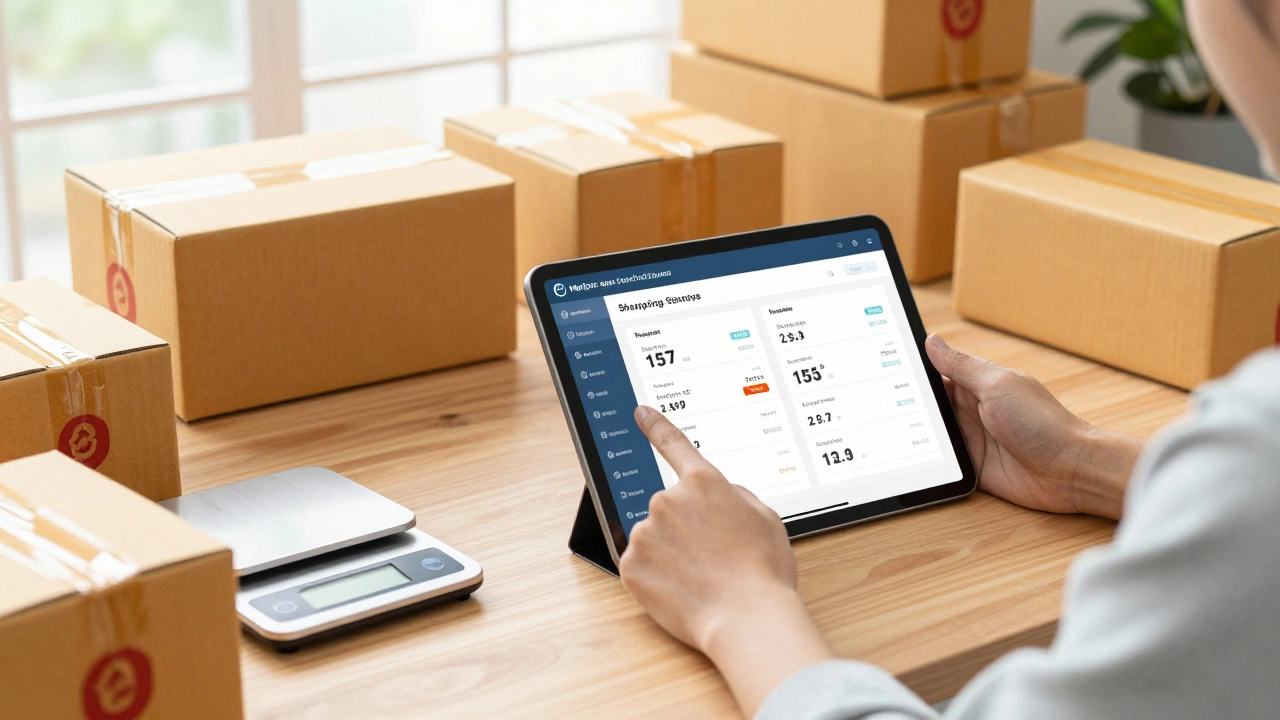
If you go to a retail storefront and pay the sticker price, you're overpaying. Period. The secret to cheaper shipping is using Shipping Software like ShipStation or Pirate Ship. These platforms aggregate shipping volume from thousands of users to negotiate deeply discounted commercial rates.
For example, a retail rate for a 5lb box from New York to London might be $120. Through a commercial account or software, that same shipment could drop to $75. These platforms allow you to compare DHL and FedEx side-by-side in real-time, removing the guesswork. If you're an e-commerce seller, integrating these tools into your checkout process is the only way to keep your international shipping costs from eating your entire margin.
Is DHL always more expensive than FedEx?
No. In many parts of the world, especially Europe and Asia, DHL is actually cheaper because they own more of the delivery infrastructure. FedEx is generally more cost-effective for shipments originating within the USA.
What is 'Dimensional Weight' and how does it affect cost?
Dimensional weight is a pricing method based on the package's size (length x width x height) rather than its actual weight. If your box is large but light, you will be charged based on the space it occupies, which can significantly increase the price regardless of which carrier you choose.
Can I avoid customs fees when shipping internationally?
You cannot avoid government-mandated duties, but you can control who pays them. You can choose DDU (Delivered Duty Unpaid), where the receiver pays, or DDP (Delivered Duty Paid), where the sender covers the costs upfront to provide a better customer experience.
Which is better for small business owners?
It depends on your target market. If you sell primarily to US customers and ship occasionally abroad, FedEx is often easier and cheaper. If your business is global-first with heavy traffic in Europe and Asia, DHL's network provides better value and reliability.
Does using a shipping aggregator really lower the price?
Yes. Aggregators leverage high-volume contracts to provide commercial rates to individuals and small businesses. This can lead to discounts ranging from 20% to 70% compared to walk-in retail rates at a courier office.
Final Tips for Saving Money
If you're still undecided, try the "weight-test" method. Pack your item and weigh it precisely. Then, use a free online calculator for both carriers. If the price difference is less than $5, choose the one with the better tracking interface-DHL's tracking is generally more granular for international legs.
Also, keep an eye on fuel surcharges. These are variable fees that change monthly based on oil prices. Sometimes one carrier absorbs these better than the other. If you're shipping high volumes, ask your account manager for a "fuel cap" or a flat-rate agreement to avoid these unpredictable spikes in your monthly billing.