Parcel Proxy Collection Readiness Checker
Follow these steps to ensure your neighbor or friend can legally and successfully collect your package.
Pre-Authorization Setup
You cannot simply hand a tracking number to a stranger. Digital pre-authorization is mandatory.
Identity Verification
The name in the system must match the ID presented exactly.
Final Readiness Checklist
Complete the steps above
Your readiness score will appear here.
Imagine this: you’re stuck at work until 6 PM. Your package arrives at 2 PM. The courier knocks, waits five minutes, and leaves. You missed it. Now you have to wait another day or pay extra to redirect it. Frustrating, right?
You might wonder if you can just ask your neighbor, your partner, or even a friendly stranger to grab that box for you. The short answer is: yes, but only if you set it up correctly beforehand. You cannot simply hand a random person your tracking number and expect them to walk away with your goods. Couriers operate under strict liability rules.
In New Zealand, where I live in Auckland, and across most of the world, the logistics industry has moved from "drop it off" to "verify and deliver." This shift means understanding who can legally accept a parcel on your behalf is crucial to avoiding lost packages.
The Golden Rule: Pre-Authorization is Mandatory
The single most important thing to understand is that a courier will not release a parcel to anyone other than the named recipient unless they have prior instruction. This isn't about being difficult; it's about liability. If a courier hands your expensive laptop to someone who claims to be your brother, and then your brother disappears, the courier company is liable for the loss.
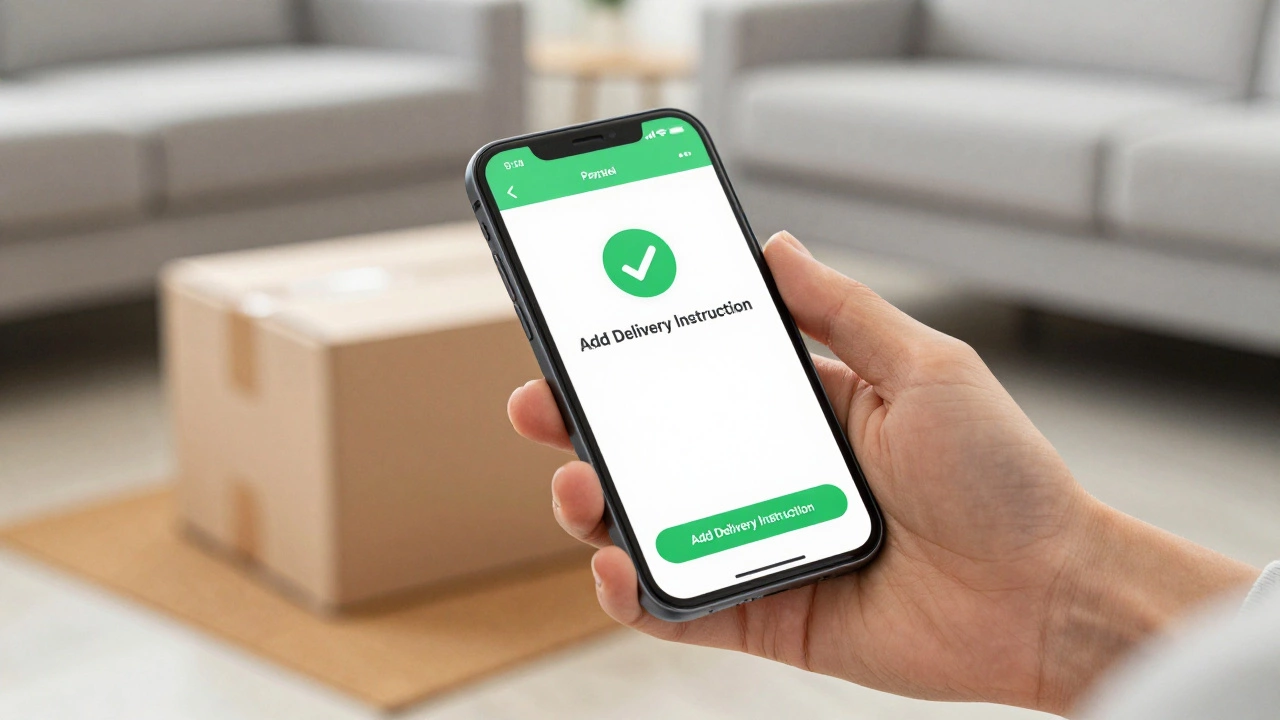
To allow someone else to collect your parcel, you must authorize them before the driver arrives. Here is how that process typically works:
- Digital Instructions: Most major carriers like New Zealand Post, DHL Express, and Toll Group allow you to log into their tracking portal. There, you can add a "delivery instruction" specifying an alternative contact person.
- Phone Confirmation: Some smaller local couriers may accept a phone call from you, confirming the name of the person who will sign for the package. However, digital trails are preferred for evidence.
- Written Note (Rarely Accepted): Leaving a note saying "Please give to John" is almost never sufficient today. Drivers are trained to ignore these notes to protect themselves from fraud.
If you try to send someone without prior authorization, the driver will likely mark the attempt as "failed" and leave a card. They won't risk breaking chain-of-custody protocols based on a verbal request from a stranger.
Who Can Actually Collect Your Parcel?
Not everyone is eligible to pick up your package, even if you authorize them. Courier companies generally fall into two categories regarding proxy collection: "Household Members" and "Authorized Third Parties."
| Recipient Type | Requirements | Risk Level |
|---|---|---|
| Household Member | Must live at the same address. Often no ID required if signed by household head. | Low |
| Neighbor / Friend | Must be pre-authorized via app/web. Must show photo ID matching the name provided. | Medium |
| Office Receptionist | Business account holders often allow general office signatures. Residential parcels usually require specific names. | Low |
| Random Stranger | Never allowed. High fraud risk. | High |
If you are asking a neighbor to help, make sure their full name matches what you type into the courier’s system. If the system says "Jane Doe" and your neighbor is "Janet Doe," some drivers will refuse the handover due to the discrepancy. Precision matters here.
Identification Requirements for Proxy Collectors
This is where most people get caught out. When you authorize someone else to pick up your parcel, that person becomes the temporary custodian of your property. To prove they are who they say they are, they need identification.
In New Zealand, acceptable forms of ID for parcel collection usually include:
- A valid Driver’s License
- An Official Photo Card
- A Passport
The name on the ID must match the name you entered in the delivery instructions. If you enter "John Smith" as the authorized collector, and your friend shows up with an ID that says "Jonathan Smith," the driver may reject it. It sounds pedantic, but drivers are following strict scripts to avoid lawsuits.
Additionally, the collector should ideally have access to the tracking number. While not always mandatory, having the last four digits of the tracking number ready speeds up the verification process significantly. It proves the collector knows about the package and isn't just guessing.
What About "Safe Place" Delivery Instead?
Sometimes, getting someone to collect the parcel is too much hassle. In those cases, you might consider instructing the courier to leave the parcel in a "safe place." However, this is fundamentally different from having a person collect it.
When you choose safe place delivery, you are accepting full liability for theft or damage. If you tell the driver to hide the box behind the potted plant, and it rains or gets stolen, the courier company is not responsible. They followed your instruction.
Having a person collect the parcel is safer because the chain of custody remains intact. The driver hands it to a verified individual. With safe place delivery, the chain breaks the moment the driver walks away. For high-value items like electronics or jewelry, never use safe place delivery. Always use a human collector or a lockbox.
Using Lockers and Pickup Points
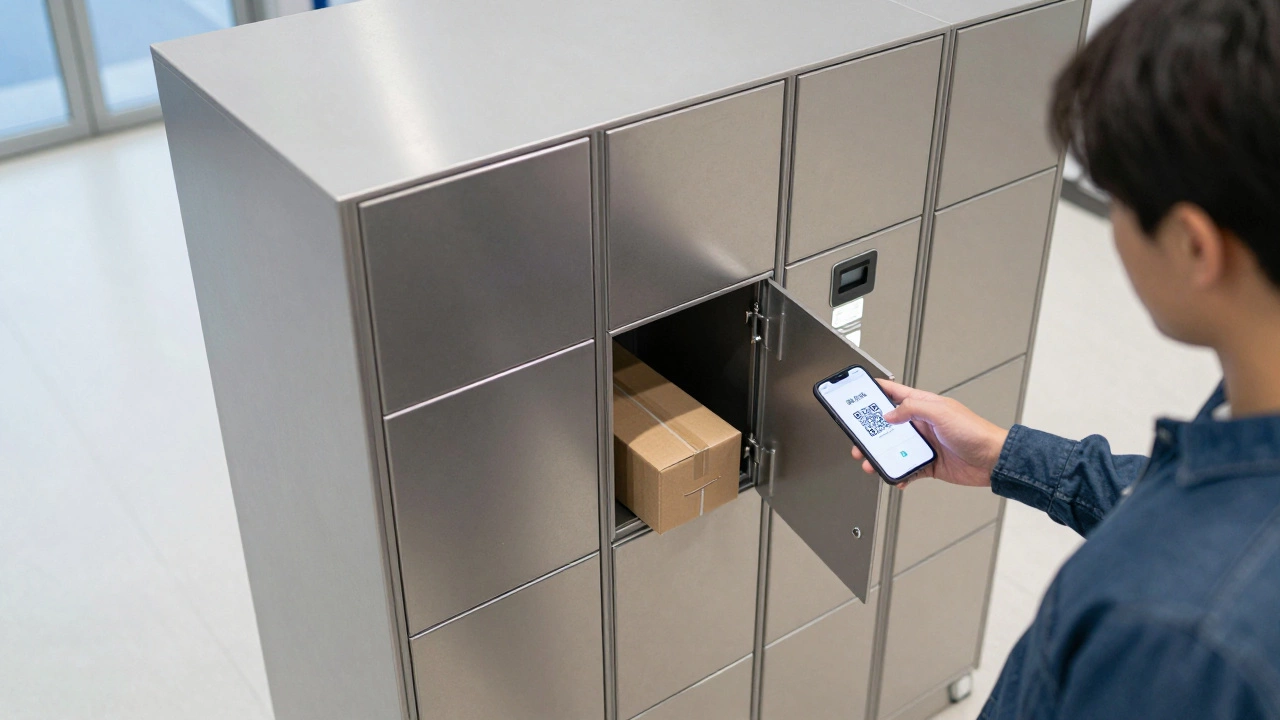
If you don’t have a neighbor or family member available, modern logistics offer a better solution: automated pickup points. Companies like Parcellock or PostShop networks in Auckland allow you to redirect your parcel to a nearby store or locker bank.
This method has distinct advantages over human proxy collection:
- No Scheduling Conflicts: Lockers are open 24/7. You can collect the parcel when you finish work, even at 8 PM.
- No ID Matching Issues: You receive a QR code or PIN. You scan it, the door opens, you take the box. No driver needs to verify your neighbor’s ID.
- Higher Security: These locations are usually monitored by CCTV, reducing theft risk compared to a front porch.
You can often redirect a parcel to a pickup point via the courier’s app before it arrives. Check your tracking page early. Once the driver is already on your street, it’s usually too late to change the destination to a locker.
Common Pitfalls to Avoid
I’ve seen many good intentions go wrong because of small oversights. Here are the most common mistakes people make when trying to get someone else to collect their parcel:
- Last-Minute Requests: Calling the courier 10 minutes before arrival is useless. The driver is already en route. Instructions must be set digitally hours or days in advance.
- Vague Names: Don’t write "My Neighbor." Write "Sarah Jenkins." Specificity prevents errors.
- Assuming All Couriers Are Equal: International couriers like FedEx or UPS have stricter ID rules than local postal services. Always check the specific carrier’s policy.
- Ignoring Signature Requirements: Some parcels require a "Signature Required" tag. This cannot be waived by a proxy unless explicitly authorized in the system. Even then, the proxy must sign their own name, which is then linked to your authorization record.
Another pitfall is assuming that because you paid for the shipping, you control the delivery. You don’t. The courier holds the physical asset until proper proof of delivery is recorded. Your payment buys the service, but the service includes security protocols that override casual requests.
Special Cases: Business vs. Residential
If you are running a home-based business, the rules can be slightly more flexible. Many courier contracts for businesses allow deliveries to "anyone present at the premises." This means a receptionist, a cleaner, or a temp worker can sign for packages without specific pre-authorization for each item.
However, if your address is registered as residential, this flexibility disappears. The courier assumes only residents or pre-approved guests are there. If you mix business and residential addresses, clarify with your courier provider whether your account falls under commercial terms. This distinction can save you from missing critical supplies.
Can I authorize my neighbor to collect my parcel after the driver has already arrived?
No. Once the driver is on your street or has marked the attempt as failed, you cannot retroactively authorize a neighbor. The driver will return the parcel to the depot. You must set the instruction in the tracking system before the delivery window begins.
Does the person collecting my parcel need to show my ID or their own?
They need to show their own government-issued photo ID. The name on their ID must match the name you entered in the courier’s delivery instructions. They do not need your ID, but they may need your tracking number for verification.
What happens if the authorized person forgets their ID?
The driver will likely refuse to hand over the parcel. Without valid ID, the driver cannot verify the identity of the proxy collector. The parcel will be marked as undelivered and returned to the depot for a second attempt or redirection.
Is it safer to use a pickup locker or have a neighbor collect the parcel?
A pickup locker is generally safer and more convenient. It eliminates the need for scheduling coordination and ID verification issues. Lockers are also secured against weather and theft, whereas a neighbor might misplace the item or fail to meet the driver.
Can I change the delivery address to my workplace instead of using a proxy?
Yes, most couriers allow address changes via their online tracking tools, provided the new address is within the same delivery zone. Changing the address to your workplace is often easier than managing a proxy collector, as office reception desks are accustomed to signing for packages.