Quick Takeaways
- Revenue Leaders: Companies like DHL and UPS usually fight for the top spot in global turnover.
- Infrastructure: UPS and FedEx dominate the air and ground fleets in North America.
- Global Reach: DHL has the most comprehensive international footprint across Europe, Asia, and Africa.
- The New Guard: Amazon is rapidly becoming a logistics powerhouse, shifting from a customer to a competitor.
The Heavyweights: Measuring the Giants
To figure out who is the biggest logistics company is a global provider of transportation, warehousing, and supply chain management services, we have to stop treating 'size' as one thing. In the industry, we track three main metrics: revenue, fleet size, and network reach.
If you look at DHL (Deutsche Post DHL Group), they are often the winner in terms of global presence. They operate in over 220 countries. For a business in New Zealand or Germany, DHL is the default choice because their network is built for crossing borders. They aren't just moving boxes; they manage the complex customs paperwork that stops a shipment from sitting in a warehouse for three weeks.
Then you have UPS (United Parcel Service). In the US, they are an absolute beast. Their revenue often rivals or beats DHL because they've mastered the domestic "hub and spoke" model. If DHL is the king of the ocean and air between continents, UPS is the king of the street and the local depot.
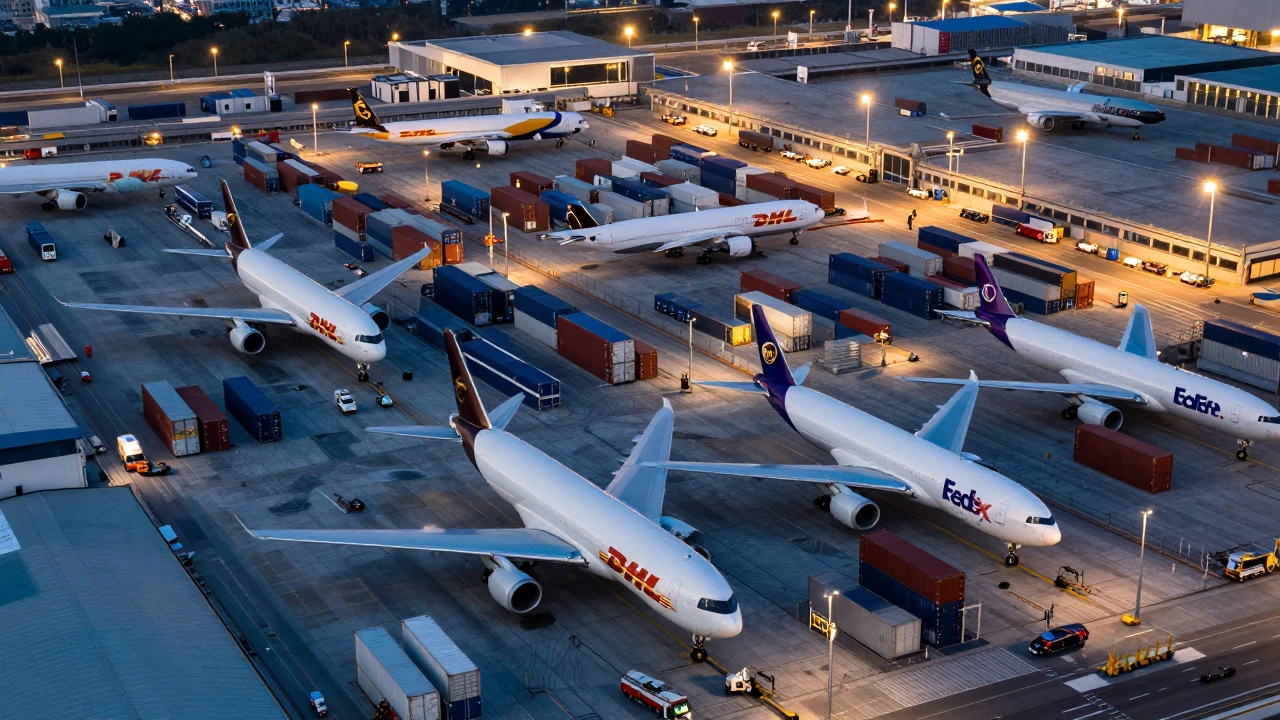
And we can't forget FedEx. They essentially invented the overnight delivery game. While they've merged some of their ground and express operations recently to save money, their air fleet is one of the largest private airlines in the world. When a legal document needs to get from New York to Tokyo in 48 hours, FedEx is usually the one doing the heavy lifting.
| Entity | Core Strength | Dominant Market | Key Attribute |
|---|---|---|---|
| DHL | International Freight | Global / Europe | Highest Country Reach |
| UPS | Package Delivery | North America | High Revenue Density |
| FedEx | Express Shipping | North America / Global | Air Fleet Power |
| Amazon Logistics | Last Mile Delivery | US / EU | Fastest Growth Rate |
The Amazon Effect: The Disruptor in the Room
For years, Amazon was just a customer of the big three. They paid UPS and FedEx to move their packages. But then something happened. Amazon realized that relying on other people to deliver their promises was a risk. So, they built their own empire.
Amazon Logistics is now a massive entity. They've invested billions into their own planes (Amazon Air) and a staggering number of delivery vans. While they don't necessarily offer a public "shipping service" for any random business in the same way DHL does, the sheer volume of parcels they move is staggering. In some regions, they are already moving more packages than the legacy carriers.
This shift has forced the old guard to change. UPS and FedEx are no longer just fighting each other; they are fighting a tech company that knows exactly where every package is in real-time. This is why you see so much investment in Logistics Software and automation. If you can't beat Amazon's speed, you have to beat their efficiency.
Freight Forwarding: The Invisible Giants
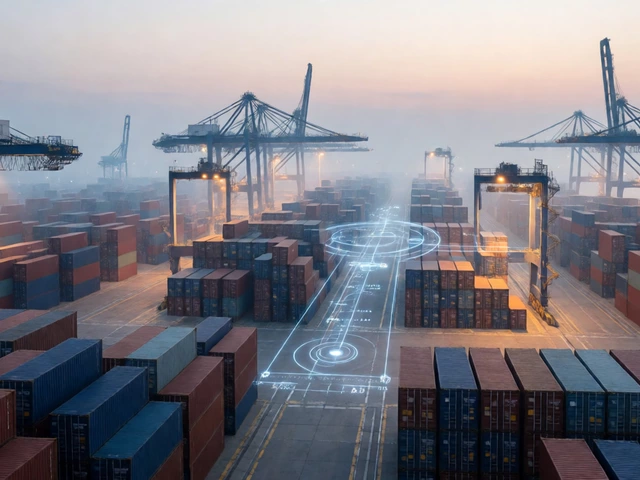
When we talk about "logistics companies," we usually think of the brown or yellow trucks on the street. But if you want to know who moves the most weight, you have to look at Freight Forwarders. These companies don't always own the ships or the planes; they act as the travel agents for cargo.
Companies like Kuehne + Nagel and DSV are monsters in this space. They handle the movement of raw materials, cars, and industrial machinery. If you're shipping 500 containers of electronics from Shanghai to Auckland, you aren't calling a courier; you're calling a freight forwarder. These companies might not have the brand recognition of FedEx, but in terms of the total volume of global trade, they are arguably the biggest players in the game.
The difference here is the business model. A courier like UPS is "asset-heavy"-they own the trucks. A freight forwarder is often "asset-light"-they own the relationships and the software that coordinates the move. It's the difference between owning the airline and being the travel agency that books all the flights.
How the Industry is Changing Right Now
The race to be the biggest is no longer just about adding more trucks. It's about Last Mile Delivery. The final leg of a journey-from the local hub to your front door-is the most expensive and difficult part of the chain. This is where the real war is happening.
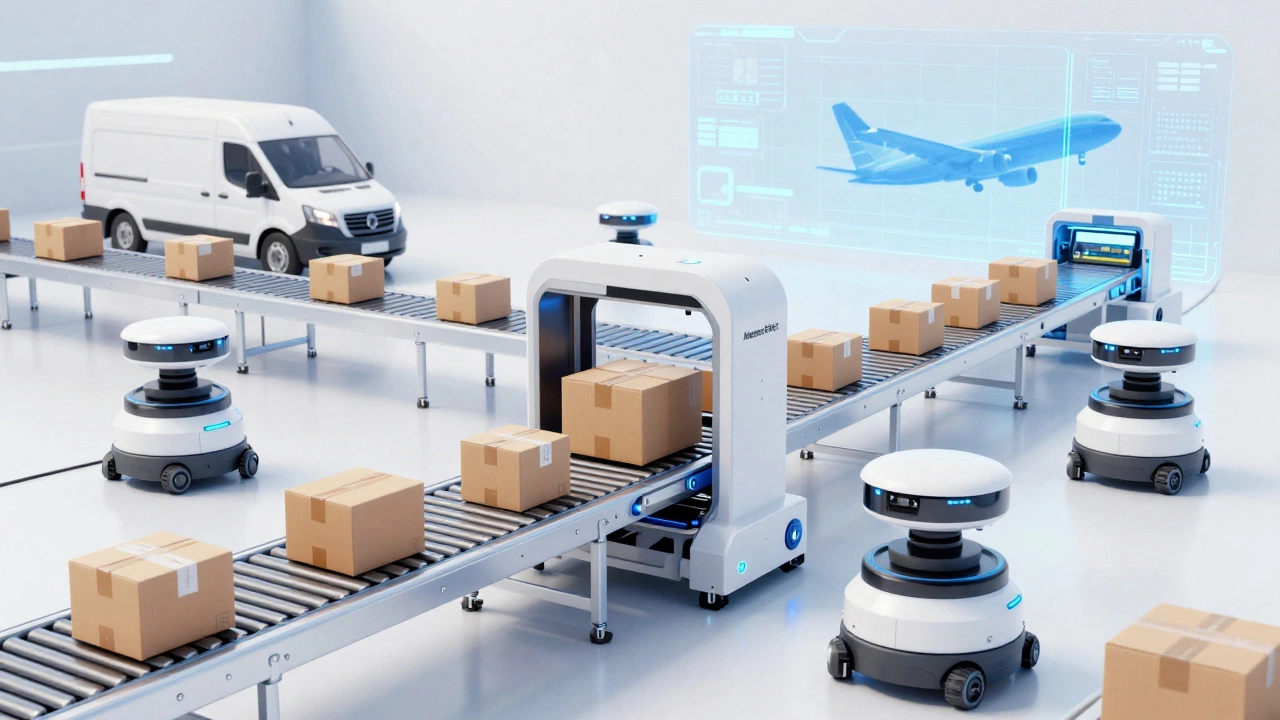
We're seeing a massive push toward Automation. From sorting robots in warehouses to the testing of drone deliveries, the companies that can lower the cost of that last mile will eventually become the biggest by profit, even if they don't have the most planes. For example, the use of AI to optimize routes has allowed some companies to reduce fuel costs by 10-15%, which is a huge deal when you're running thousands of vehicles.
Another trend is the "green shift." In Europe, the biggest logistics companies are swapping diesel for electric fleets. It's not just for the environment; cities are banning combustion engines from their centers. If you can't get your truck into downtown London or Paris, you aren't the biggest company-you're just a company parked outside the city limits.

Which Giant Should You Actually Use?
Since there is no single "biggest" company that wins every category, your choice depends on what you're actually trying to do. If you're a small business owner sending a sample to a client in Singapore, you want the network reach of DHL. They handle the customs headache so you don't have to.
If you're running a US-based e-commerce store and need reliable ground shipping for heavy items, UPS is generally the powerhouse. Their infrastructure in North America is nearly unmatched for reliability and cost-effectiveness on a large scale.
And if you have an emergency-something that absolutely must be across the ocean by tomorrow-FedEx's priority air network is usually the safest bet. They've built their entire brand on the idea of "time-definite" delivery.
Is DHL bigger than UPS?
It depends on the metric. DHL is significantly larger in terms of global footprint and the number of countries they operate in. However, UPS often generates higher revenue due to its massive dominance in the high-volume US domestic market. If you measure by international reach, DHL wins; by US market density, UPS takes the lead.
Does Amazon count as a logistics company?
Yes, absolutely. While they started as a retailer, Amazon has built one of the world's most sophisticated logistics networks. They now own their own aircraft, trailers, and delivery vans. They are transitioning from being the biggest user of logistics to becoming one of the biggest providers of logistics services, even if most of those services are for their own parcels.
What is a freight forwarder and why are they important?
A freight forwarder is a company that organizes the transport of goods for others. They don't usually move the cargo themselves but act as experts who book space on ships, planes, and trains. They are crucial because they navigate international laws, insurance, and customs, making it possible for goods to move across borders efficiently.
Which company has the most planes?
FedEx typically maintains one of the largest private air fleets globally, designed specifically for express shipping. However, Amazon Air is growing rapidly and is aggressively adding planes to their fleet to reduce reliance on third-party carriers.
Who is the cheapest among the biggest logistics companies?
There is no single cheapest option because pricing varies by distance, weight, and speed. For domestic US shipping, UPS and FedEx compete fiercely on price. For international shipping, DHL is often the most efficient for the service level provided, but regional freight forwarders can be cheaper for bulk shipments (LCL or FCL) compared to courier services.
What to Do Next
If you're trying to pick a partner for your business, don't just look at who is the biggest. Look at where your customers are. If you're selling to the EU and Asia, a company with a strong global network like DHL is your best bet. If you're focusing on the North American market, look at the integration capabilities of UPS or FedEx.
For those moving heavy industrial goods, skip the couriers and look for a Tier 1 freight forwarder. Check their experience with the specific customs regulations of your destination country. A mistake in paperwork can cost you thousands in demurrage fees at the port, regardless of how big the company is.