Courier Service Cost & Speed Estimator
Enter your shipment details to compare Standard Postal vs. Express Courier options.
Enter details and click Calculate to see estimates.
You’ve probably ordered something online recently. Maybe it was a pair of shoes from a boutique in London or a new gadget from a warehouse across town. You clicked "Buy," paid with your card, and then waited. But what actually happened between that click and the doorbell ringing? That gap is filled by courier services, a specialized segment of the logistics industry focused on the rapid, secure, and trackable movement of small parcels and documents from sender to recipient. Unlike standard postal mail, which often prioritizes volume over speed, couriers prioritize time-definite delivery. This distinction matters more than you might think, especially if you’re running an e-commerce store or sending urgent legal documents.
The term "courier" itself has ancient roots. It comes from the Latin word *currere*, meaning "to run." Historically, runners carried messages for empires like Rome and Persia. Today, the concept remains similar: moving information or goods faster than traditional methods allow. However, modern courier services are far more complex than a guy on foot. They involve sophisticated networks of vans, planes, software algorithms, and human drivers working in sync. If you’re confused about whether you need a post office or a courier, understanding the core mechanics of this industry will save you money and headaches.
Beyond Post Office: What Defines a Courier?
Many people use "mail" and "courier" interchangeably, but they operate under different business models. The United States Postal Service (USPS) or New Zealand Post handles massive volumes of low-priority items. Their goal is efficiency through scale. Couriers, like DHL, FedEx, UPS, or local independent operators, focus on service level agreements (SLAs). An SLA is a promise: "If we don’t deliver by 5 PM, you get a refund." This guarantee drives every aspect of their operation.
A true courier service typically includes three non-negotiable features:
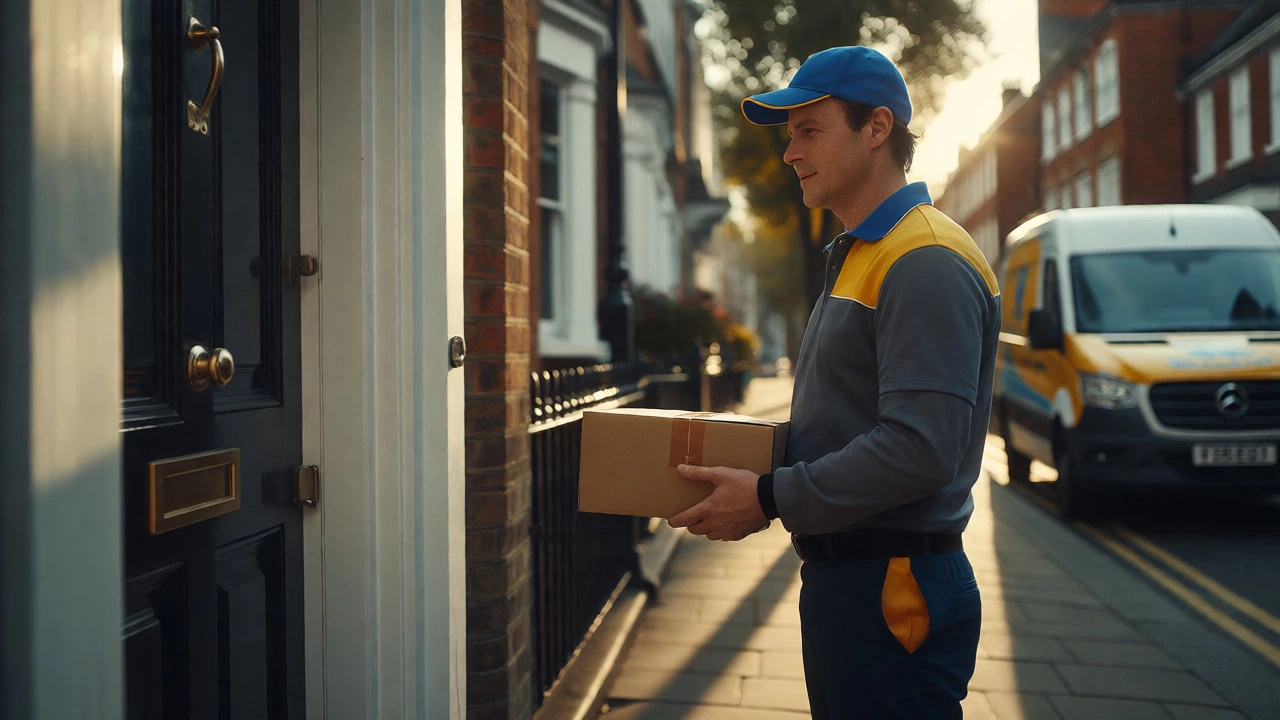
- Door-to-Door Pickup: The driver comes to your location. You don’t drop off at a counter.
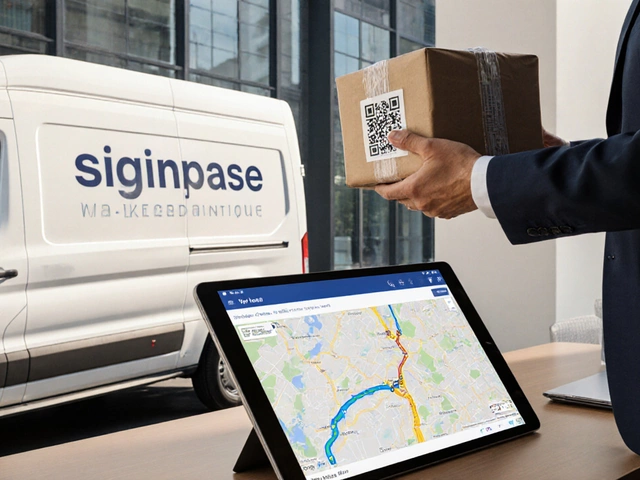
- Real-Time Tracking: You can see exactly where your package is via GPS data, not just scan points.
- Proof of Delivery: Digital signatures or photos confirm receipt, reducing disputes.
These features justify higher prices. When you pay extra for a courier, you aren’t just paying for transport; you’re buying certainty. For a business, that certainty translates to customer trust. If a customer knows their order arrives within a two-hour window, they are less likely to call support asking, "Where is my stuff?"
The Hidden Layers of Logistics Infrastructure
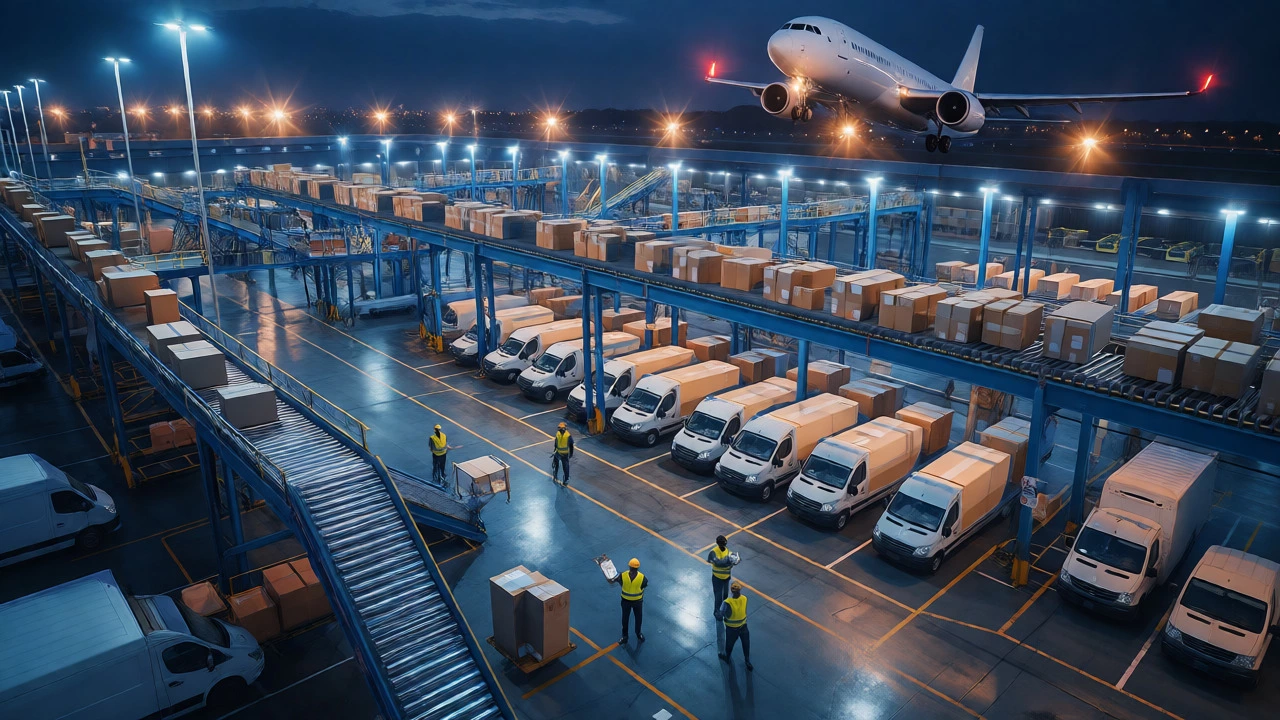
To understand the meaning of courier services, you have to look under the hood. It’s not just trucks on roads. It’s a multi-modal network. Most domestic deliveries rely on road freight. International shipments switch to air cargo. In dense urban areas like Auckland or Manhattan, some companies now use bicycles or electric scooters for the final leg.
This infrastructure relies heavily on technology. Modern courier operations depend on route optimization software. These algorithms calculate the fastest path based on traffic patterns, fuel costs, and delivery windows. Without this tech, a driver might zigzag across a city inefficiently. With it, they create a serpentine route that minimizes mileage. This efficiency allows couriers to offer same-day or next-day options that would otherwise be too expensive to sustain.
| Feature | Standard Postal Mail | Courier Service |
|---|---|---|
| Speed | 3-7 days (domestic) | Same day to 2 days |
| Tracking | Limited (scan points only) | Real-time GPS & status updates |
| Pickup | Drop-off required | Scheduled pickup available |
| Cost | Low (economical) | Higher (premium service) |
| Insurance | Basic coverage included | Comprehensive options available |
Types of Courier Operations You’ll Encounter
Not all couriers do the same thing. The industry segments into specific niches based on urgency, distance, and item type. Knowing these categories helps you choose the right partner.
Same-Day and On-Demand Couriers: Think of Uber Eats or DoorDash, but for packages. Companies like Lalamove or local bike messengers specialize in hyper-local, immediate transfers. This is critical for industries like healthcare (delivering lab samples) or legal firms (moving contracts before a deadline).
Express Parcel Carriers: Giants like FedEx Express or TNT focus on guaranteed next-morning delivery. They utilize dedicated aircraft fleets and sorting hubs. If you miss their cutoff time by ten minutes, your package waits until the next day. Precision is key here.
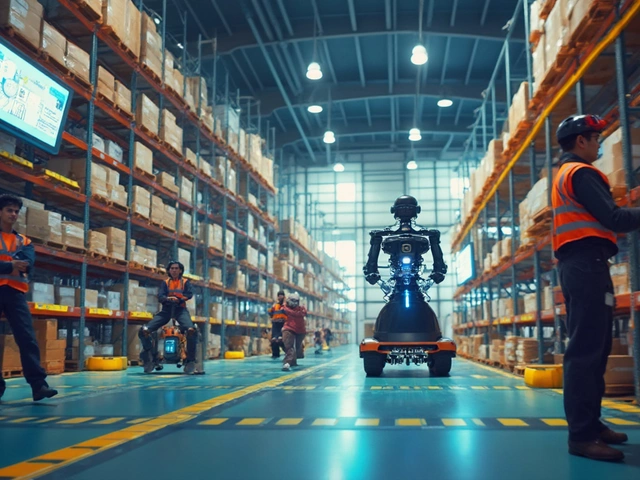
E-commerce Fulfillment Partners: Many modern couriers integrate directly with Shopify or Amazon warehouses. They handle picking, packing, and shipping. This blurs the line between warehousing and delivery. For small businesses, this means outsourcing the entire physical supply chain.
Specialized Couriers: Some companies handle fragile art, live animals, or hazardous materials. These require special handling protocols and insurance riders. Standard carriers often refuse these items, making niche couriers essential for specific sectors.
Why Businesses Can’t Ignore Last-Mile Costs
In the logistics world, the "last mile" refers to the final step of delivery-from the local depot to the customer’s doorstep. It sounds simple, but it’s the most expensive part of the journey. Industry data suggests that up to 53% of total shipping costs occur during this phase. Why? Because stopping a van twenty times in a residential neighborhood takes longer than driving on a highway.
For retailers, high last-mile costs eat into margins. This has led to innovative solutions. Lockers and pickup points (like those offered by PPL or InPost) reduce failed delivery attempts. If you’re home when the driver arrives, great. If not, your package goes to a nearby locker instead of returning to the hub. This saves the courier a second trip and gives you flexibility. Understanding this mechanic helps you appreciate why free shipping thresholds exist-retailers are subsidizing that costly final mile.

How Technology Changed the Game
Ten years ago, tracking meant checking a website once a day. Today, push notifications alert you when a driver is five stops away. This shift changed consumer expectations. We no longer tolerate ambiguity. We want visibility.
Artificial Intelligence plays a huge role here. Predictive analytics estimate arrival times based on historical data. If rain hits Auckland, AI adjusts ETAs instantly. Blockchain is also entering the space, offering immutable records of custody. This is vital for high-value goods where proving who held the package and when prevents fraud.
Moreover, digital proof of delivery eliminates paper trails. Drivers use handheld devices to capture signatures. This data flows back to central servers, updating inventory systems in real-time. For warehouse managers, this closes the loop between stock levels and actual sales, preventing overselling.
Choosing the Right Partner for Your Needs
If you’re selecting a courier, don’t just look at price per kilogram. Look at reliability metrics. Ask potential providers about their damage rates and lost parcel percentages. A cheap carrier that loses 1% of your packages might cost you more in refunds and reputation than a slightly pricier one with a 0.1% loss rate.
Consider your geography. Local couriers often outperform national giants for intra-city deliveries because they know the shortcuts and parking rules. National carriers excel at cross-country consistency. Hybrid approaches work well for many SMEs: use a local messenger for urgent internal docs and a major carrier for customer orders.
Finally, check integration capabilities. Does the courier’s API connect easily with your e-commerce platform? Manual entry of tracking numbers kills productivity. Automated syncing ensures your customers receive accurate updates without you lifting a finger.
Is a courier the same as a postal service?
No. While both move items, postal services generally handle bulk mail with slower, standardized speeds and limited tracking. Couriers focus on speed, security, real-time tracking, and door-to-door pickup, often operating under strict time guarantees.
What does "last mile delivery" mean in courier services?
Last mile delivery is the final stage of the logistics process, moving goods from a distribution center or local hub to the end customer's address. It is typically the most expensive and complex part of shipping due to traffic, parking issues, and failed delivery attempts.
Can I send fragile items via standard courier?
Most standard couriers accept fragile items, but you must declare them properly and use appropriate packaging. Some specialized couriers offer white-glove services for extremely delicate goods like artwork or medical equipment, which include professional packing and careful handling.
How do courier services calculate prices?
Pricing is usually based on weight, dimensions (volumetric weight), distance, and speed of delivery. Additional fees may apply for fuel surcharges, remote area access, or insurance coverage beyond the standard limit.
What happens if a courier fails to deliver on time?
It depends on the service level agreement (SLA). Premium express services often offer money-back guarantees for late deliveries. Standard services may provide credits or simply apologize, as exact timing isn't always guaranteed outside of premium tiers.