Retail Logistics: How Goods Move from Warehouse to Customer
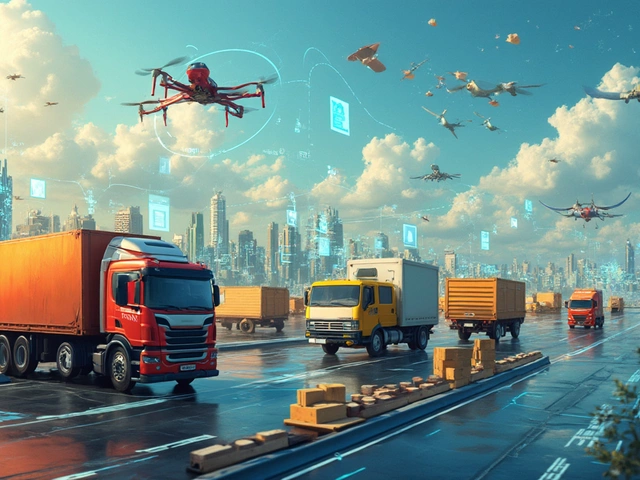
When you order a pair of shoes or a new blender online, retail logistics, the system that moves products from suppliers to shoppers. It’s not just trucks and warehouses—it’s real-time tracking, smart software, and precise timing that make it all work. This is the invisible engine behind every e-commerce order, every store restock, and every same-day delivery you expect today.
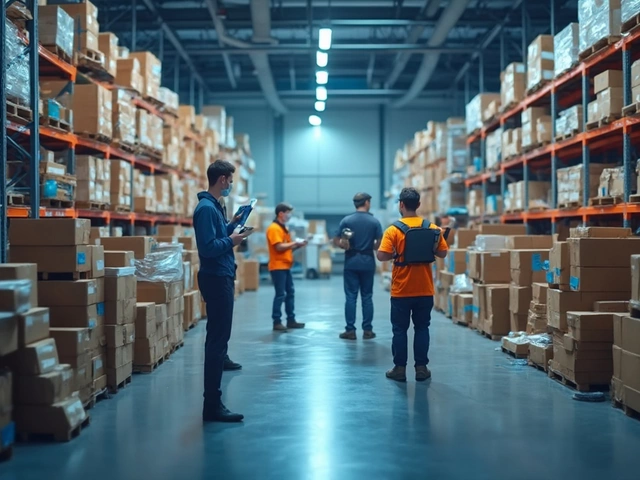
Last mile delivery, the final step where packages reach your doorstep is where retail logistics gets messy. It’s expensive, slow, and full of missed attempts—but it’s also where customers form their opinion of your brand. Meanwhile, warehouse management, how inventory is stored, picked, and packed determines if that order even ships on time. A poorly organized warehouse means delays, wrong items, and angry customers. And none of it works without logistics software, the digital brain that tracks stock, plans routes, and predicts demand. Tools like these help companies like Amazon and Walmart move millions of items daily without chaos.
Retail logistics isn’t just about moving boxes. It’s about balancing cost, speed, and accuracy. A small online store needs the same precision as a big retailer—just on a smaller scale. Whether you’re shipping one item or one thousand, the same rules apply: get the right product to the right place at the right time. That’s why modern retailers invest in automation, real-time data, and smart forecasting. They don’t just hope orders arrive on time—they build systems that guarantee it.
What you’ll find below are real, practical breakdowns of how this all works. From how a warehouse uses software to cut errors by 40%, to why your next-day delivery might still be late, to the hidden costs of last-mile shipping—these posts cut through the noise. No fluff. No theory without action. Just clear, honest answers from people who run these systems every day.
November 27, 2025
Evelyn Wescott
0 Comments
Walmart isn't a traditional logistics company, but it runs one of the largest and most efficient supply chains in the world. Here's how its private fleet, distribution centers, and tech make it a logistics powerhouse.