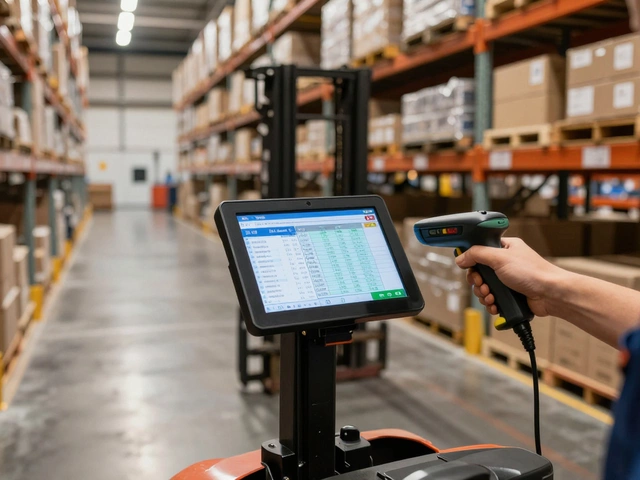
Logistics Sales Compensation Estimator
Configure Your Profile
Estimated Annual Compensation
Forget the stereotype of a logistics worker as just someone driving a truck or stacking boxes. The real money in this industry often sits in the boardroom, specifically in the sales department. If you have ever wondered whether logistics sales is a lucrative career path, the short answer is yes. But like any high-stakes profession, the difference between a decent paycheck and a life-changing income comes down to how you structure your deal flow and who you choose to work for.
In 2026, the global supply chain is more volatile than ever. Geopolitical shifts, port congestion, and e-commerce demands mean companies are desperate for reliable partners. This desperation creates leverage for salespeople who can solve complex problems. However, "making a lot of money" is subjective. For some, it means six figures; for others, it means seven. Let’s break down exactly where that money comes from, who gets paid the most, and what it takes to hit those top-tier earnings.
The Anatomy of a Logistics Sales Compensation Package
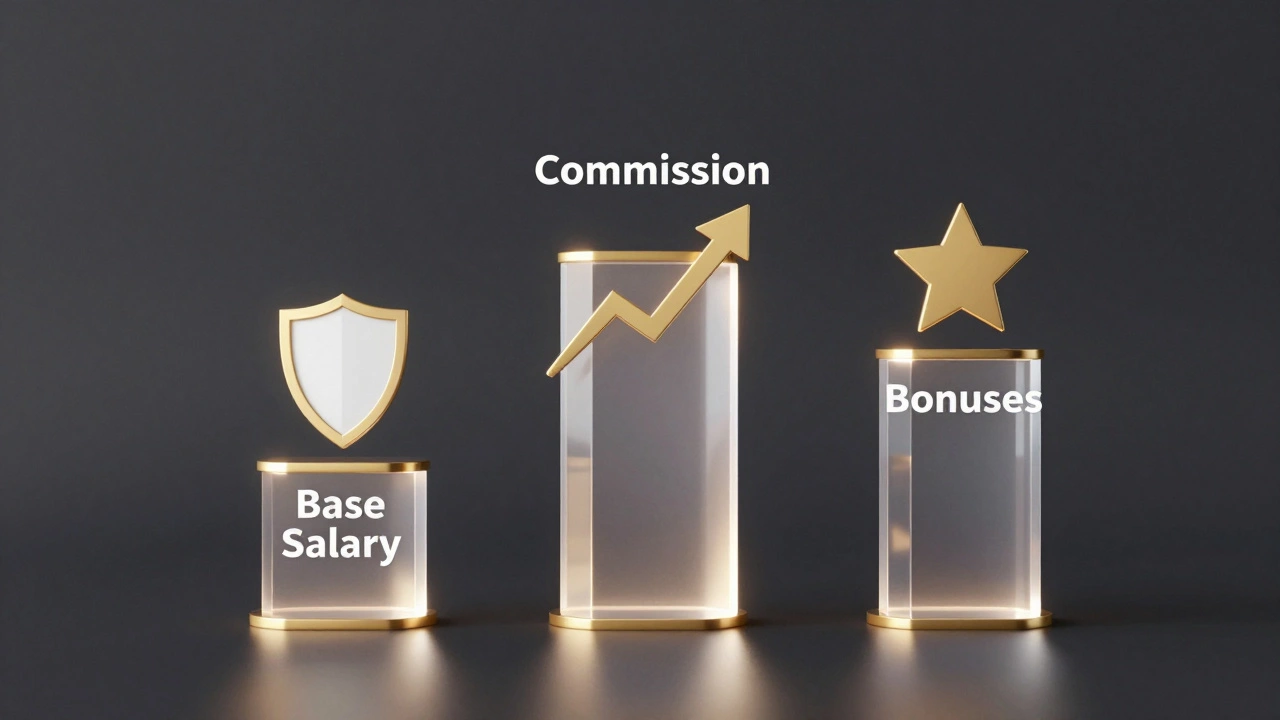
To understand if you can make big money, you first need to understand how you get paid. Unlike retail sales, where you might earn a flat percentage on every item sold, logistics compensation is nuanced. It usually consists of three parts: base salary, variable commission, and bonuses.
- Base Salary: This is your safety net. In entry-level roles, this might range from $45,000 to $60,000 annually. For senior directors, it can exceed $120,000. The base pays your bills while you build your pipeline.
- Commission Structure: This is where the wealth is built. Commissions are rarely based on the total contract value. Instead, they are calculated on the profit margin or gross profit generated by the account. If you sign a client but price the service too low, you might bring in revenue but earn little to no commission because there is no profit to share.
- Accelerators and Bonuses: Top performers often trigger "accelerators." If you hit 100% of your quota, you might earn 10% commission. Hit 150%, and that rate jumps to 15%. Annual bonuses for hitting strategic goals (like launching a new product line) add another layer of income.
The key takeaway here is that logistics sales rewards profitability, not just volume. You are not just selling space on a ship or a seat in a truck; you are selling efficiency and cost savings. Your income scales directly with your ability to negotiate margins that satisfy both the carrier and the customer.
Freight Brokers vs. Asset-Based Carriers: Where Is the Money?
Your earning potential depends heavily on the type of company you join. There are two main camps in logistics sales: asset-based carriers and non-asset brokers/3PLs.
| Role Type | Company Model | Average Base Salary | Commission Potential | Top Earner Ceiling |
|---|---|---|---|---|
| Freight Broker | Non-Asset (Middleman) | $50k - $70k | High (10-20% of Gross Profit) | $150k - $300k+ |
| Carrier Account Executive | Asset-Based (Owns Trucks/Ships) | $60k - $80k | Moderate (5-10% of Revenue) | $100k - $180k |
| 3PL Solutions Consultant | Third-Party Logistics | $70k - $90k | Complex (Based on Contract Value) | $120k - $250k |
Freight brokers generally offer the highest upside. Because they do not own trucks or warehouses, their overhead is lower, and they operate on thin margins that require aggressive sales tactics. A successful broker at a mid-sized firm can easily clear $200,000 in their third year. The catch? High turnover. If you don’t perform, you’re out quickly.
Asset-based carriers offer stability. Selling for a major trucking company or shipping line provides a higher base salary and better benefits. However, commissions are often capped or calculated on a smaller percentage of the total revenue because the operational costs are massive. You won’t see the explosive growth of a broker, but you will sleep better at night knowing your job is secure.
3PLs (Third-Party Logistics providers) sit in the middle. They sell comprehensive solutions-warehousing, transportation, customs brokerage, etc. The sales cycle is long (6-12 months), but the contracts are huge. Closing one large 3PL deal can pay out significantly over several years due to recurring revenue models.
Specialization Pays Premiums
Generalist sales reps make good money. Specialists make great money. In 2026, niche expertise is commanding higher salaries because these areas are harder to navigate and carry higher risks.
- Hazardous Materials (Hazmat): Shipping chemicals, batteries, or pharmaceuticals requires strict regulatory knowledge. Clients trust specialists who know the laws inside out. Commissions here are higher because the barrier to entry keeps competition low.
- Cold Chain Logistics: With the rise of fresh food delivery and biotech vaccines, refrigerated transport is booming. Maintaining temperature integrity is critical, so clients pay a premium for reliability. Sales reps who understand reefer units and IoT monitoring tools are highly valued.
- International Ocean Freight: While air freight is fast, ocean freight moves the bulk of global trade. Navigating Incoterms, customs duties, and container shortages requires deep expertise. Long-term contracts in this sector provide stable, high-value income streams.
- E-commerce Fulfillment: Selling last-mile delivery solutions to online retailers is competitive but lucrative. These clients need speed and visibility. Reps who can integrate with platforms like Shopify or Amazon FBA alternatives find themselves closing deals faster.
If you want to maximize your income, pick a lane. Become the go-to person for cross-border tech shipments or perishable goods. Generalists are replaceable; experts are indispensable.
The Reality Check: Why Most Don't Make "A Lot"
It’s important to address the elephant in the room. While the ceiling is high, the floor is low. Many people enter logistics sales expecting quick riches and quit within six months. Why?
Long Sales Cycles: Unlike selling software subscriptions, logistics contracts often involve RFPs (Requests for Proposals), site visits, and legal reviews. You might spend three months working a lead only to lose it to a competitor who undercut your price by 2%. Patience is a financial skill here.
Market Volatility: Rates fluctuate daily. A quote you give today might be unprofitable tomorrow if fuel surcharges spike or capacity tightens. Sales reps must stay agile. Those who fail to adjust their pricing strategies during peak seasons (like Q4 holiday rush) leave money on the table-or worse, lose margin.
Relationship Dependency: Logistics is a relationship business. If your key account manager leaves, does the client leave with them? Building personal trust with procurement officers and supply chain directors is essential. Transactional sellers struggle to retain accounts when rates normalize after a crisis.
Strategies to Maximize Your Earnings
If you are determined to make serious money in logistics sales, follow these proven strategies:
- Focus on Retention, Not Just Acquisition: It costs five times more to acquire a new customer than to keep an existing one. Upsell current clients with additional services (e.g., adding warehousing to their transportation contract). Recurring revenue compounds your income over time.
- Negotiate Gross Profit, Not Rate: Always look at the bottom line. A lower rate with fewer touches (less handling, direct routing) might yield higher profit than a higher rate with complex requirements. Train yourself to analyze P&L statements, not just rate sheets.
- Leverage Technology: Use TMS (Transportation Management Systems) and CRM tools to track every interaction. Data-driven sales reps close more deals because they can demonstrate ROI to clients using historical performance data.
- Network Aggressively: Attend industry events like CSCMP or local chamber of commerce meetings. The best deals often come from referrals, not cold calls. Build a reputation as a problem solver, not just a vendor.
Future Outlook: Will AI Replace Logistics Sales?
A common fear is that automation will eliminate sales jobs. In reality, AI is changing the role, not removing it. Automated quoting engines handle simple spot loads, freeing up sales reps to focus on complex, high-value contracts. The future belongs to hybrid sellers who can use data analytics to identify opportunities while using emotional intelligence to close deals. Those who adapt will see their incomes rise; those who resist will fall behind.
So, can you make a lot of money from logistics sales? Absolutely. But it requires treating your career like a business. You need to manage your pipeline, protect your margins, and specialize in high-demand niches. The opportunity is there for those willing to put in the work.
What is the average salary for a logistics sales representative in 2026?
The average total compensation for a mid-level logistics sales rep ranges from $80,000 to $120,000 annually. This includes a base salary of $50,000-$70,000 plus commissions. Top performers at brokerages can exceed $200,000.
Is freight brokering a good way to make money?
Yes, freight brokering offers one of the highest earning potentials in logistics due to high commission structures based on gross profit. However, it also has high stress and turnover rates. Success requires strong negotiation skills and resilience.
Do I need a degree to work in logistics sales?
While a degree in Supply Chain Management or Business is helpful, many employers prioritize experience and soft skills. Demonstrated success in B2B sales, even in other industries, can often substitute for formal education.
How long does it take to start earning significant commissions?
Typically, it takes 6 to 12 months to build a solid book of business. The first year is often focused on learning and pipeline building, with real income acceleration happening in year two as contracts renew and expand.
What are the biggest challenges in logistics sales?
Key challenges include market volatility, intense price competition, and long sales cycles. Additionally, maintaining profitability while meeting customer expectations for speed and reliability requires constant vigilance and adaptation.