Last Mile Delivery Time & Cost Estimator
Order Details
Estimated Results
Enter your details to see how fast your package will arrive.
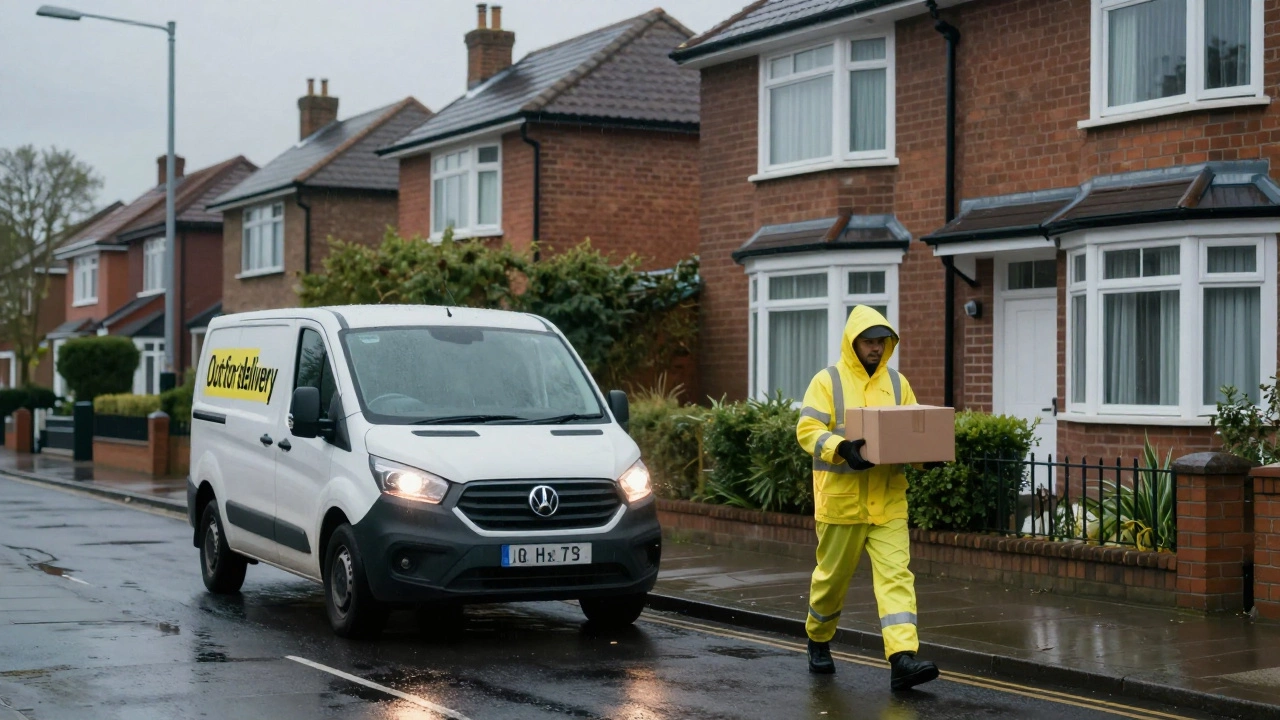
It’s Friday afternoon. You just ordered a replacement phone charger online, and the tracking page says "Out for Delivery." You’re staring at your dead battery, wondering if it will arrive before you need to charge it tonight. The answer isn’t simple. It depends on where you live, who is delivering it, and whether you paid extra for speed.
Last mile delivery-the final step of the supply chain from a local distribution center to your doorstep-is notoriously unpredictable. In 2026, with the rise of autonomous vehicles and drone testing in select zones, expectations have shifted. But for most people, the clock still ticks based on human drivers, traffic, and warehouse processing times.
The Short Answer: Standard vs. Expedited Timelines
If you want a quick benchmark, here is what you can generally expect in major urban areas like Auckland, New York, or London:
- Standard Ground Shipping: 3 to 5 business days. This is the default for most free shipping options. It relies on regional hubs and consolidated truck routes.
- Expedited (Next Day): 1 to 2 business days. Usually requires an order cutoff time (often 2 PM local time) to catch the overnight flight or priority truck run.
- Same-Day Delivery: Within 4 to 8 hours. Available only in dense urban centers and usually limited to specific retailers with local inventory.
- Instant/On-Demand: 30 to 90 minutes. Think grocery apps or food delivery. This uses gig-economy couriers rather than traditional postal networks.
These timelines assume no holidays, no weather disasters, and accurate address data. If any of those variables shift, your package could easily slide into the next window.
Why the "Last Mile" Takes So Long
You might wonder why the first 90% of the journey (factory to port to regional hub) takes days, but the last 10 miles take so much effort. The truth is, the last mile is the most expensive and complex part of logistics. Here is why:
Fragmented Addresses: Unlike a highway that goes straight from Point A to Point B, the last mile involves navigating residential streets, apartment complexes, and office parks. A driver might spend 20 minutes driving to drop off one package, then another 20 minutes finding the next house number hidden behind a hedge.
Failed Delivery Attempts: According to industry reports, nearly 30% of deliveries fail on the first attempt because no one is home. This forces the carrier to return the item to the depot and try again the next day, instantly adding 24-48 hours to your wait time.
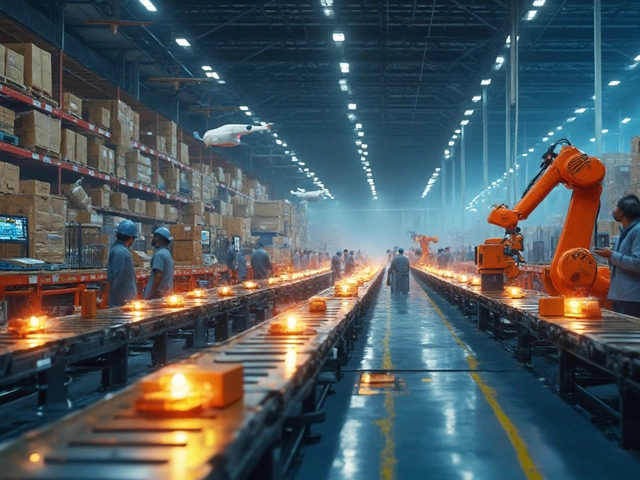
Sorting Bottlenecks: Before a package even hits the road, it must be sorted at a local facility. During peak seasons (like Black Friday or Christmas), these facilities become overwhelmed. Packages sit on conveyor belts for hours waiting to be scanned and loaded onto the correct van.
Key Factors That Influence Your Delivery Speed
Not all packages move at the same speed. Several variables determine how fast your item arrives:
| Factor | Impact on Time | Typical Delay |
|---|---|---|
| Geographic Location | High | Rural areas add 1-3 days vs. urban |
| Order Cutoff Time | Medium | Missing the cutoff adds 24 hours |
| Carrier Choice | Medium | Dedicated couriers are faster than national post |
| Weather/Events | Variable | Storms or strikes can halt all movement |
| Package Size/Weight | Low | Oversized items may require special freight |
Location is king. If you live in the city center, you are likely within a 5-mile radius of multiple distribution centers. If you live in a rural area, your package might travel from a central hub to a regional town, then get transferred to a smaller van for the final leg. This "hub-and-spoke" model adds significant time.
The Cutoff Trap. Many shoppers don’t realize that ordering at 5 PM doesn’t mean "shipped today." Most warehouses stop processing orders between 2 PM and 4 PM. If you buy after that, your order sits in the digital queue until the next morning, effectively losing a full day before it even moves.
Technology Changing the Game in 2026
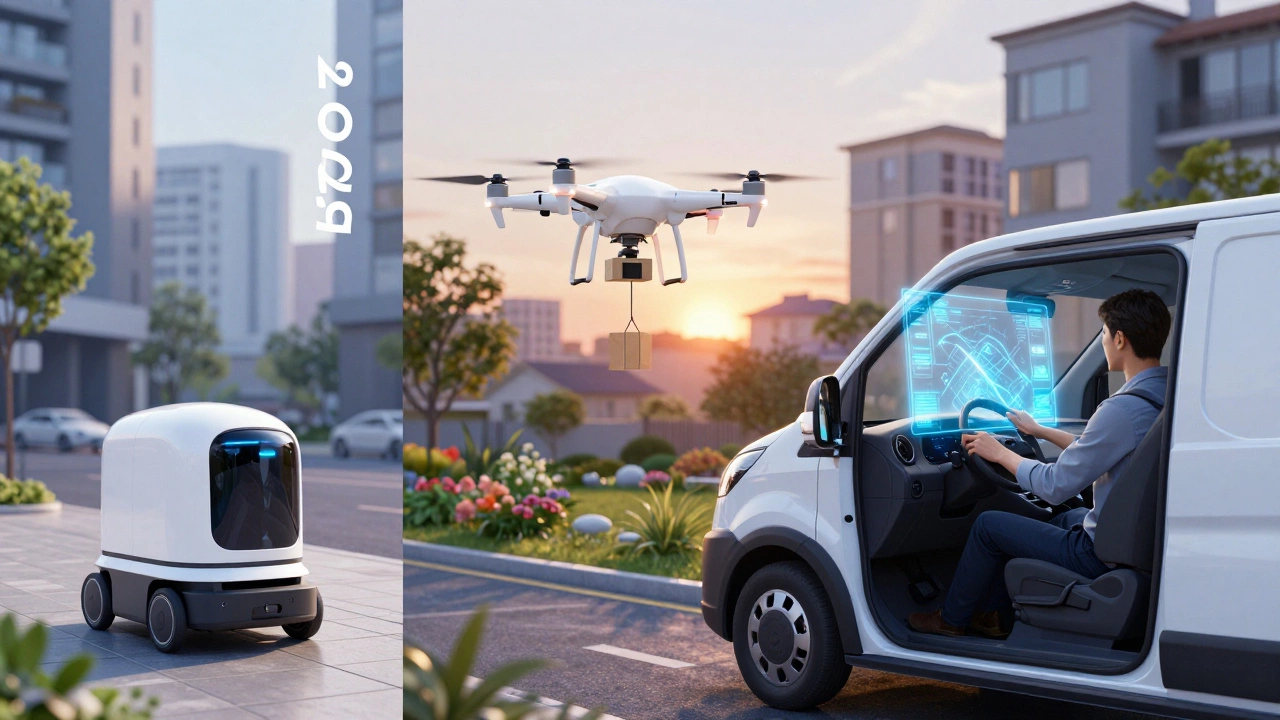
We are living through a transition period in logistics. While humans still drive most vans, new technologies are shaving hours off delivery times.
Autonomous Sidewalk Robots: In cities like San Francisco and parts of Europe, small robots navigate sidewalks to deliver food and small parcels. They don’t deal with traffic jams, allowing for consistent 30-minute windows during daylight hours.
Drone Deliveries: Companies like Amazon and Zipline have expanded drone operations in 2026. While not yet available everywhere, drones can bypass ground traffic entirely. In approved zones, a medical supply or small package can drop from sky to porch in under 15 minutes.
AI Route Optimization: Even without robots, AI algorithms now plan driver routes in real-time. Instead of a static map, the system adjusts for accidents, parking availability, and even the likelihood of someone being home based on historical data. This reduces idle time and speeds up daily runs by 10-15%.
How to Get Your Package Faster
If you need something quickly, you can’t control the weather, but you can control your choices. Here is how to beat the clock:
- Check Local Inventory: Look for "Pickup in Store" or "Local Pickup" options. Retailers often stock popular items in nearby stores. Picking it up yourself eliminates the last mile entirely.
- Order Early: Aim to place orders before 12 PM local time. This gives the warehouse maximum time to process and ship before the evening cutoff.
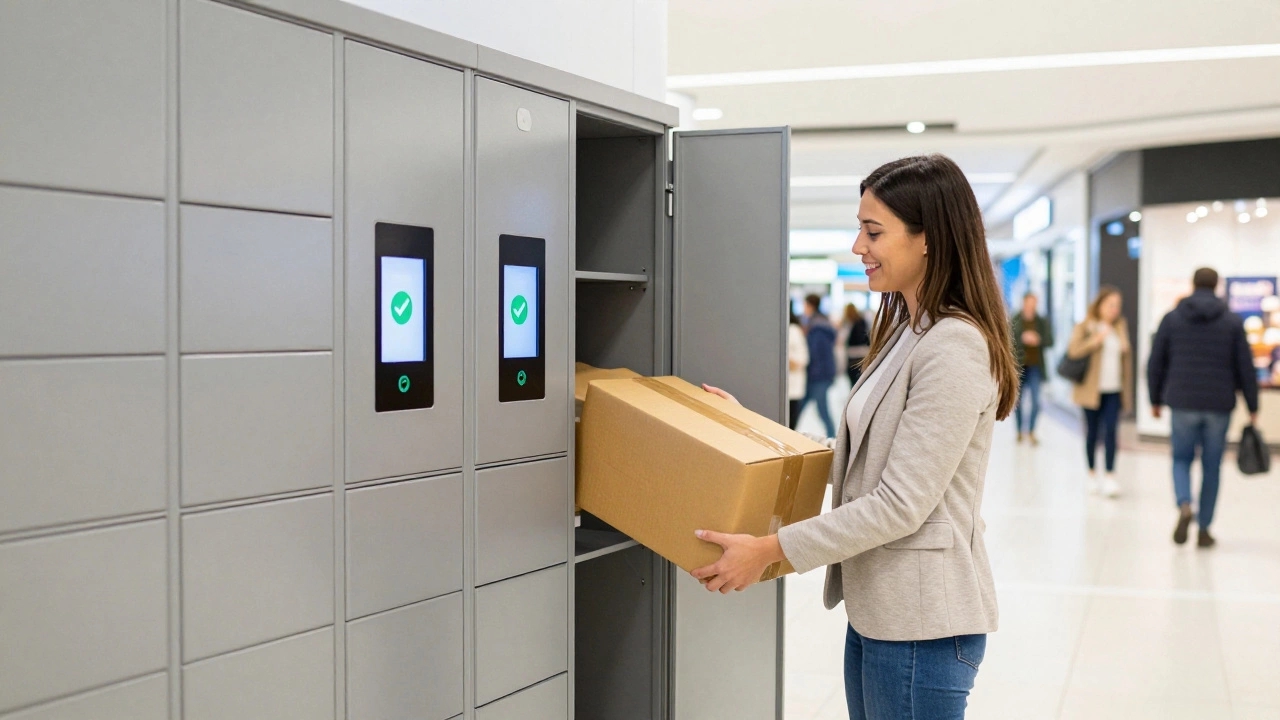
- Use Lockers: Delivering to a secure locker (like Amazon Hub or similar services) prevents failed attempts. Drivers drop the box in seconds, and you collect it when convenient. No more "missed delivery" notices.
- Provide Clear Instructions: Add notes like "Leave behind gate" or "Ring doorbell twice." This helps the driver complete the drop-off faster, which can sometimes push your package earlier in their route.
- Avoid Peak Seasons: If possible, avoid buying non-essential items in November and December. Carrier capacity is stretched thin, and delays are common.
The Cost of Speed
Faster delivery costs more. Why? Because it requires dedicated resources. Standard shipping bundles thousands of packages together to share transport costs. Same-day delivery often requires a single courier to make a special trip or hold inventory in a micro-fulfillment center near you.
In 2026, expect to pay a premium for anything under 24 hours. Same-day fees range from $5 to $15 depending on the retailer and distance. Instant delivery can cost $20+ due to the high labor intensity. Ask yourself: Is saving two days worth the extra $10? For a book, probably not. For a critical work tool, absolutely.
What Happens When Things Go Wrong?
Despite best efforts, delays happen. If your tracking hasn’t updated in 48 hours (for standard shipping) or 24 hours (for expedited), take action:
- Contact the Seller First: They have direct relationships with carriers and can initiate trace requests faster than you can.
- Check for Address Errors: A typo in the zip code can send your package to the wrong state. Fixing this early saves days.
- File a Claim if Lost: If the carrier marks it as delivered but you never received it, file a claim immediately. Do not wait weeks.
Understanding how long last mile delivery takes helps you set realistic expectations. By choosing the right service level, ordering strategically, and leveraging technology like lockers, you can minimize wait times and stress.
Does last mile delivery include weekends?
It depends on the carrier. Major companies like UPS and FedEx offer Saturday delivery for an additional fee, while Sunday delivery is rare and usually limited to specific pilot programs or Amazon Prime members. Standard USPS delivery typically does not include weekends unless you pay for Priority Mail Express.
Why is my package stuck in transit for days?
Packages often stall at sorting hubs due to high volume, customs inspections (for international items), or missed scans. If it’s been more than 3 days without movement, contact the seller to open an investigation with the carrier.
Is same-day delivery available everywhere?
No. Same-day delivery is currently limited to dense urban areas and suburban regions near major distribution centers. Rural areas rarely qualify due to the lack of local inventory and higher transportation costs per mile.
How do I track my last mile delivery in real-time?
Most modern carriers provide GPS-based tracking links once the package is out for delivery. You can watch the driver’s location on a map, see their estimated arrival window, and even communicate with them via chat features in some apps.
What is the difference between last mile and middle mile delivery?
Middle mile delivery refers to transporting goods from manufacturing plants or suppliers to regional distribution centers. Last mile is the final leg from that local center to the end consumer. Middle mile focuses on bulk efficiency; last mile focuses on individual accuracy and speed.