Logistics Careers: Your Guide to Getting Started and Moving Up
Ever wonder why thousands of companies are hiring people for logistics every month? The answer is simple: goods have to move, and that movement needs hands, brains, and tech. Whether you love driving a van, sorting pallets, or crunching data, there’s a spot for you in the supply chain. Below you’ll find the most common roles, the skills employers look for, and practical steps to kick‑start your logistics career.
What Jobs Exist in Logistics?
Logistics isn’t just one job – it’s a whole family of positions that keep products flowing. Here are the most popular entry‑level and mid‑level roles:
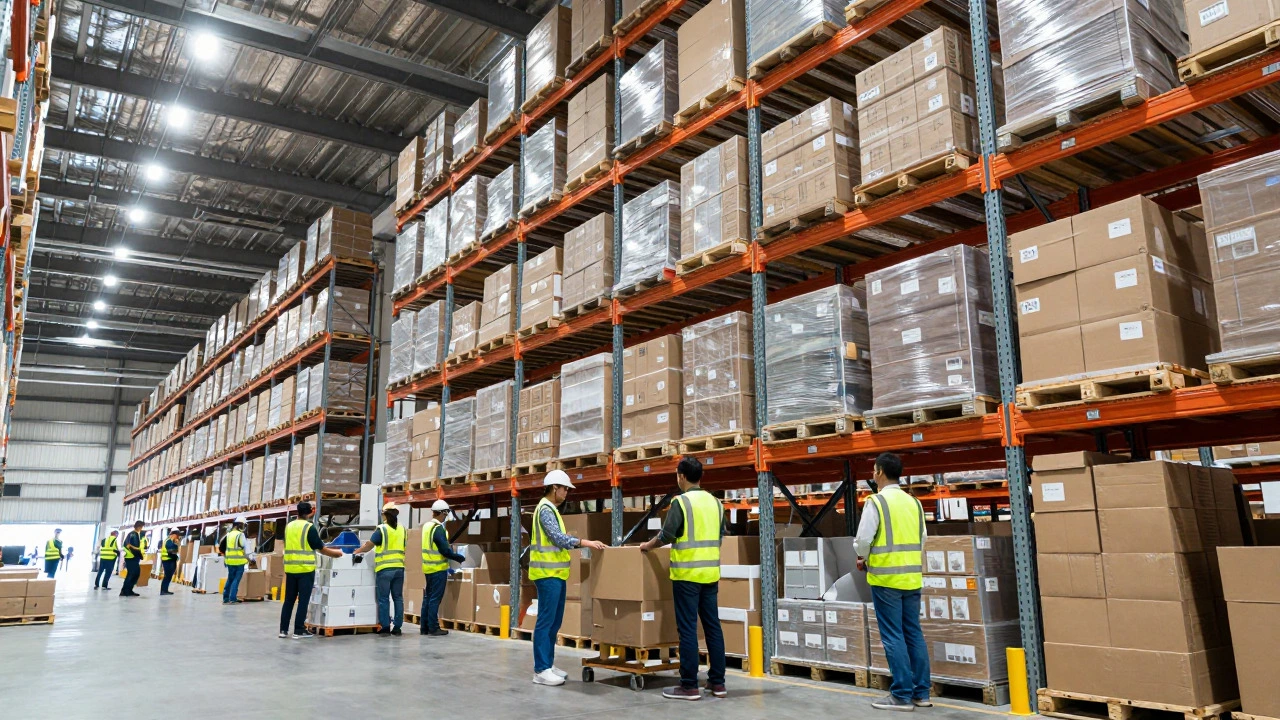
- Warehouse Operative: Picks, packs, and moves items inside a warehouse. You’ll learn basic inventory systems and often use a forklift.
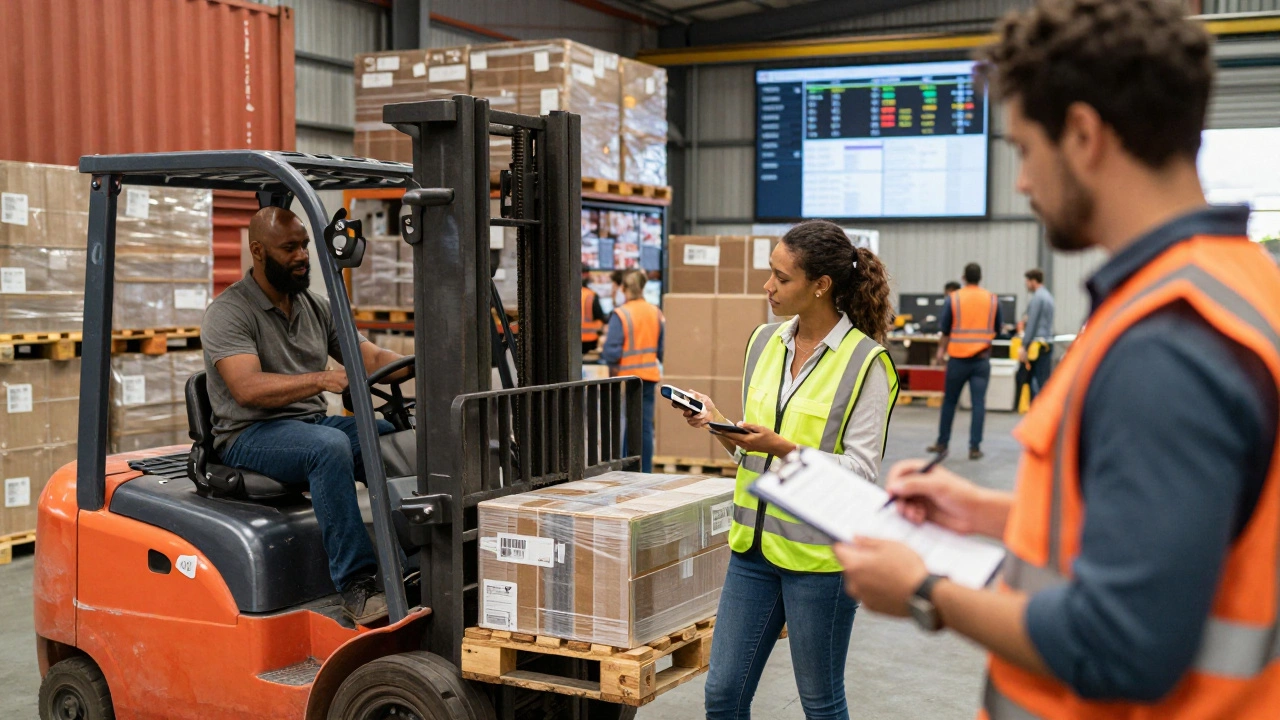
- Forklift Driver: Operates forklifts to load and unload pallets. A certification is usually required, but training is provided on most sites.
- Dispatch Planner: Schedules drivers, decides which routes are best, and makes sure deliveries stay on time. Good at spreadsheets and quick problem solving.
- Route Optimizer / Last‑Mile Driver: Plans the final stretch of delivery to a customer’s door. Understanding traffic patterns and customer windows helps you shine.
- Supply Chain Analyst: Looks at data from orders, inventory, and transport to find cost‑saving opportunities. Excel, PowerBI, or similar tools are a must.
- Transport Coordinator: Works with carriers like UPS, FedEx, and DHL to book shipments, track parcels, and resolve delays.
- Warehouse Management System (WMS) Specialist: Sets up and maintains the software that tracks stock. Knowing the four main WMS types makes you valuable.
Each role builds on the next – a warehouse operative can become a WMS specialist, a dispatch planner can grow into a supply chain analyst, and so on.
How to Build Skills and Land Your First Role
Getting a foot in the door is easier when you show you understand the basics. Below are three practical steps you can start today.
1. Learn the core tech. Read articles about warehouse management systems, transport management, and demand planning. Our post “Types of Warehouse Management Systems: Guide to the Four Main WMS Models” breaks down the jargon in plain English.
2. Get a small certification. A forklift license, a basic health‑and‑safety course, or a short online class on supply chain fundamentals adds credibility. Many employers cover the cost once you’re hired.
3. Show you understand the journey. Know what happens before a package reaches the last mile. The “Supply Chain Steps Before Last Mile Delivery” article outlines each stage, so you can talk about the whole process during an interview.
When you apply, tailor your CV to the job description. Highlight any hands‑on experience – even a part‑time gig delivering newspapers shows you understand timing and routes. Mention the specific logistics topics you’ve read about, such as last‑mile delivery risks or courier cut‑off times, to prove you stay current.
Once you land a role, keep learning. Follow company‑wide training, ask to shadow senior staff, and stay up to date with industry news. The logistics field evolves fast – new tools for smart logistics, AI route planning, and green delivery options appear every year.
Ready to start? Pick a role that matches your interests, brush up on the key concepts, and take that first certification. The supply chain needs people who can move quickly, think logically, and embrace technology. Your logistics career can begin today, and with the right steps, you’ll be climbing the ladder in no time.
September 17, 2026
Evelyn Wescott
0 Comments
Thinking about a career in logistics? Discover if the industry offers stability, growth, and good pay in 2026. We break down salary expectations, essential skills, and the reality of working in supply chain management today.
August 9, 2026
Evelyn Wescott
0 Comments
Discover the highest-paying roles in warehousing, from managers to supply chain directors. Learn how location, automation, and skills impact your salary in 2026.
April 30, 2026
Evelyn Wescott
0 Comments
Discover the highest paying warehouse companies and how to maximize your earnings. Learn which certifications, specialized niches, and global firms offer the best pay.
April 27, 2026
Evelyn Wescott
0 Comments
Discover how to earn a six-figure salary in logistics. We explore high-paying roles, essential certifications, and the strategic career pivots needed to hit $100k+.
March 22, 2026
Evelyn Wescott
0 Comments
E-commerce logistics pays differently depending on your role. Warehouse staff earn decent wages, but managers and tech specialists can make six figures. Find out who truly profits in this growing industry.
December 29, 2025
Evelyn Wescott
0 Comments
You don't always need a degree to work in logistics-but if you want to grow beyond entry-level roles, the right education opens doors. Here's what actually works in New Zealand's logistics industry.
July 11, 2025
Evelyn Wescott
0 Comments
Explore which jobs in logistics pay the most, why they command high salaries, and how to reach those top roles today. Includes stats, tips, and real-world advice.
June 16, 2025
Evelyn Wescott
0 Comments
Not every job in logistics is about making calls or leading busy teams. This article explores which trades in the logistics field suit introverts best. You'll find insights on roles that focus on independent work, tips to find your fit, and facts that might surprise anyone who thinks logistics is loud and chaotic. From data analysis to inventory management, see how introverts can carve out successful careers away from the spotlight. Get practical tips for making these roles work in your favor without forcing yourself into uncomfortable situations.
May 4, 2025
Evelyn Wescott
0 Comments
Wondering what a warehouse worker really earns in the US? This article breaks down the latest salary data, explains what affects your pay, and gives real tips for boosting your income. You'll learn where the best-paying states are, what skills actually make a difference, and how warehouse jobs compare to other industries. If you're curious about this career or thinking of making a switch, this is the info you need. No sugar-coating, just honest facts and advice.
April 9, 2025
Evelyn Wescott
0 Comments
Think logistics is all about number crunching? While math helps, it's not the whole story. In logistics, you'll find problem-solving and efficient planning skills just as crucial as algebra. Dive into logistics and see how your strengths can shine, even if numbers aren't your best friends. This article uncovers how different skills, beyond just mathematics, fit into the world of logistics.
March 31, 2025
Evelyn Wescott
0 Comments
Finding the right logistics company to build your career can be a game-changer. In 2025, the logistics world is buzzing with opportunities, but which companies offer the best work environment? This article explores leading logistics employers, breaking down key factors like culture, growth possibilities, and employee perks to help you decide where to aim your job search.
January 31, 2025
Evelyn Wescott
0 Comments
Working in logistics can often be stressful due to tight deadlines, complex coordination, and unexpected disruptions. Logistics roles require adaptability and problem-solving, making stress management crucial. However, structured management practices and supportive environments can significantly alleviate tension. Knowing how to navigate and manage these challenges can lead to a rewarding and successful career in the logistics field.